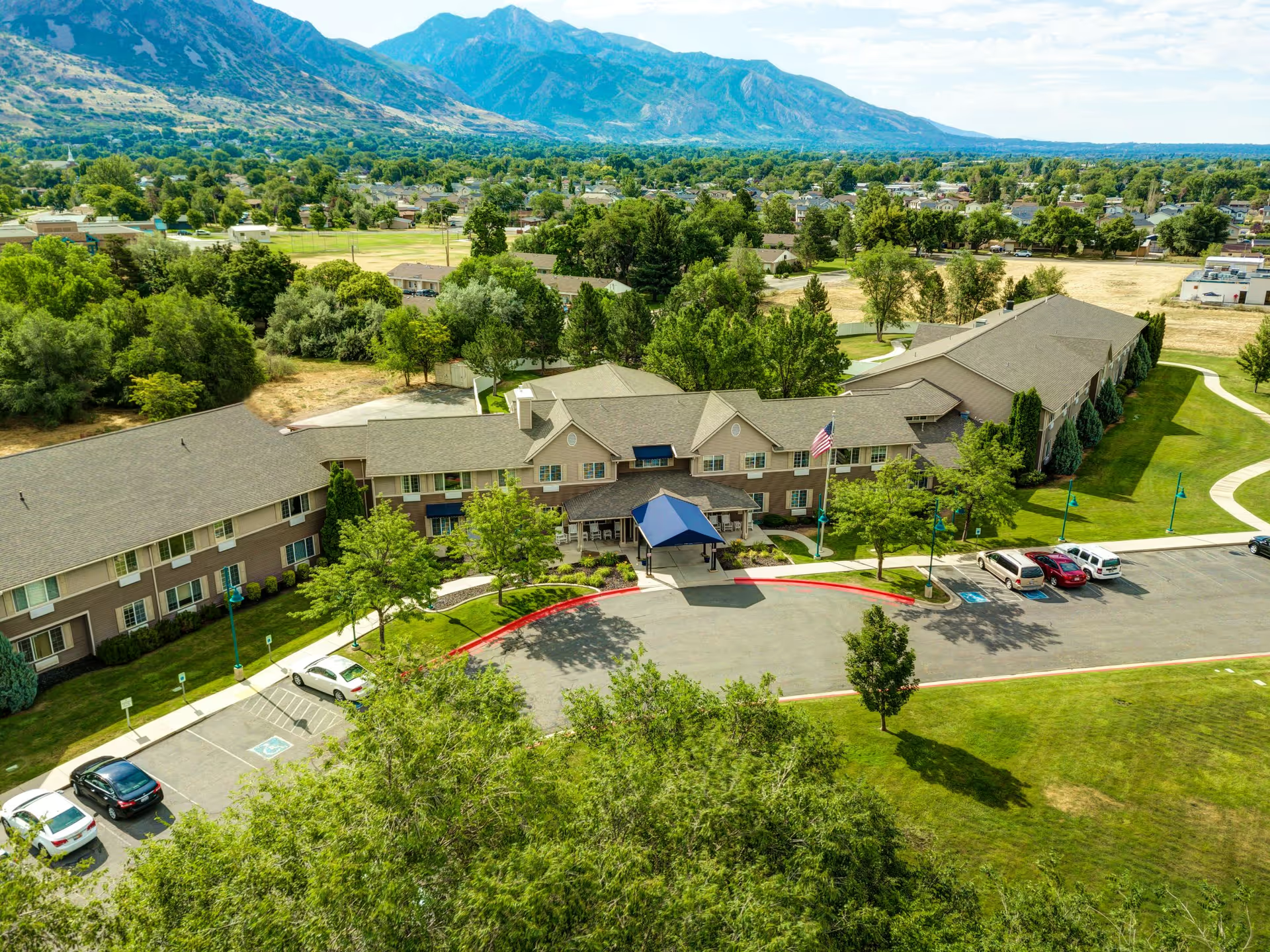
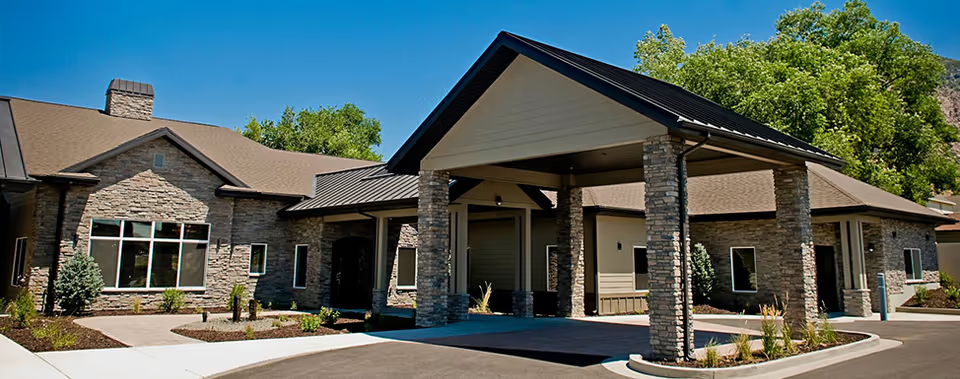
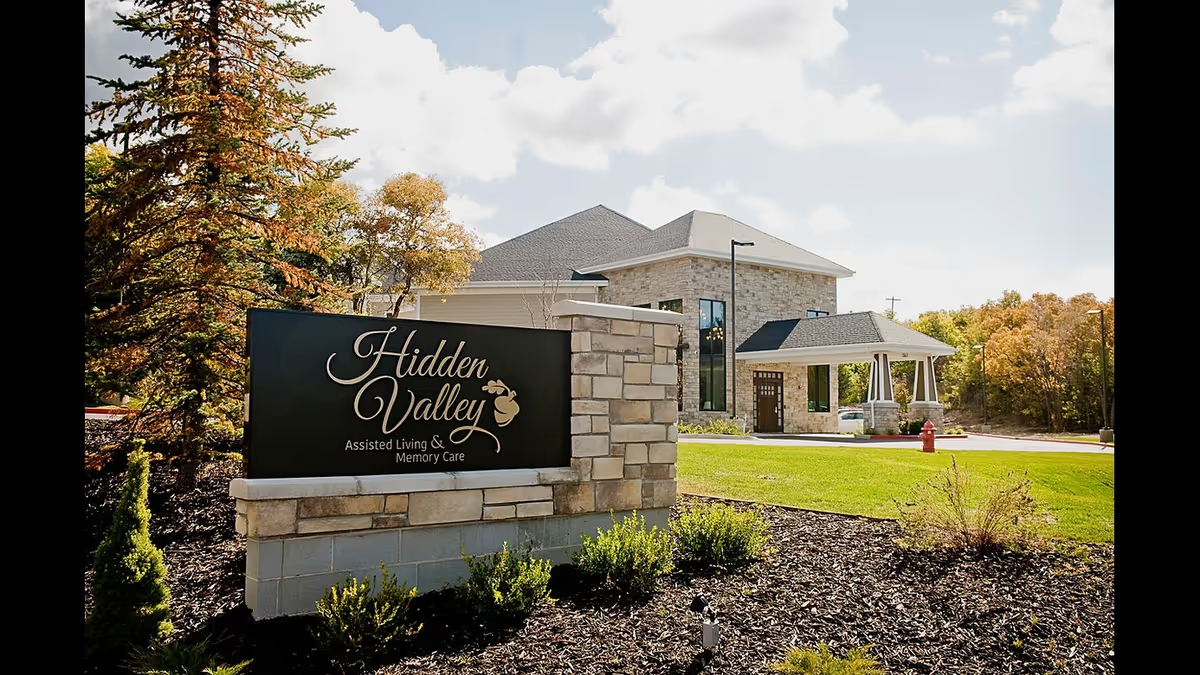
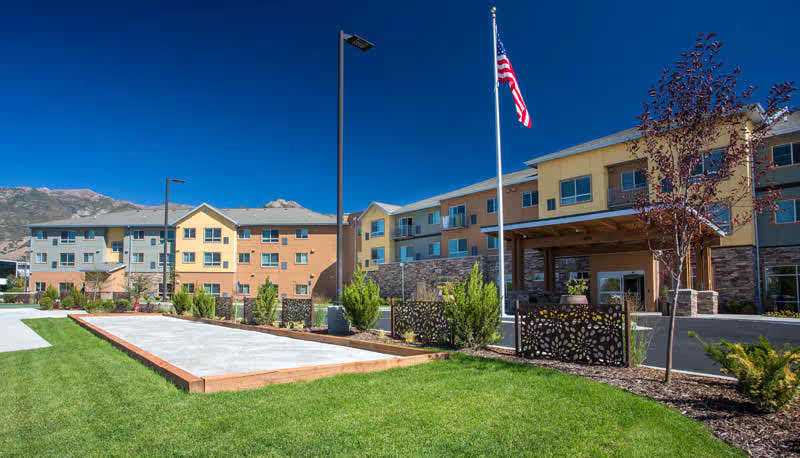
Overall impression: Seasons Assisted Living is presented in the reviews as a small, home-like assisted living community with a strong emphasis on personalized attention and hospitality. Many families describe a warm atmosphere, frequent praise for front-line caregivers, and leadership that engages openly with residents and families. The facility's size and layout are repeatedly noted as contributing to a familiar, family-style environment where staff know residents' preferences.
Care and staff: The dominant theme across comments is compassionate, attentive caregiving. Reviewers highlight staff who provide individualized, one-on-one attention, overnight CNA support, and 24-hour nursing availability. Administrative responsiveness and an organized admissions/move-in process are also frequently commended. At the same time, a subset of comments raises operational concerns that cluster around staffing levels, training, and clinical consistency. Those remarks suggest periods of inadequate staffing coverage and uneven clinical skill or practice, which families should clarify when assessing clinical fit.
Dining and activities: Dining receives consistently positive mention — meals are described as nutritious, pleasant, and well organized. The community supports a pleasant dining experience and social meal times. Activity programming is also a strength for many residents: outings (lunches, movies), music, games, puzzles, and salon services are available and appreciated. However, activity availability appears to vary; some comments indicate fewer or less varied activities at times, so prospective families should confirm the current weekly schedule and how programing is tailored to individual interests.
Facilities and living space: The facility is often characterized as clean, modern, and well maintained, with updated rooms and bathrooms, an inviting common area, and a quiet atmosphere. The small capacity supports close staff–resident relationships. Room size is a recurring trade-off: studio units are described as compact but functional, sometimes offset by generous closet space. Prospective residents should inspect room dimensions and storage to ensure they meet personal needs.
Management and notable patterns: Leadership and certain administrators are repeatedly singled out for positive engagement and effective problem resolution, contributing to reduced family stress for many households. Nonetheless, a minority of comments express concerns about communication tone and occasional lapses in service, including medication handling and incontinence care. There are also intermittent notes about limited equipment or supplies. Those patterns point to operational areas to examine during a tour: staffing ratios, staff training protocols, medication-management policies, incontinence-care procedures, and equipment availability.
Bottom line for prospective families: Seasons appears to offer a warm, small-community environment with strong strengths in hospitality, dining, and individualized attention. If clinical complexity or consistent skilled nursing needs are present, families should ask targeted questions about staffing levels, training and competency assessment, medication-administration procedures, and how the community manages incontinence care and equipment needs. Confirm the current activity schedule, room layouts, and contract/pricing structure (including the fixed-rate vs. rate‑guarantee option) to ensure the community is a good operational and clinical fit for the prospective resident.