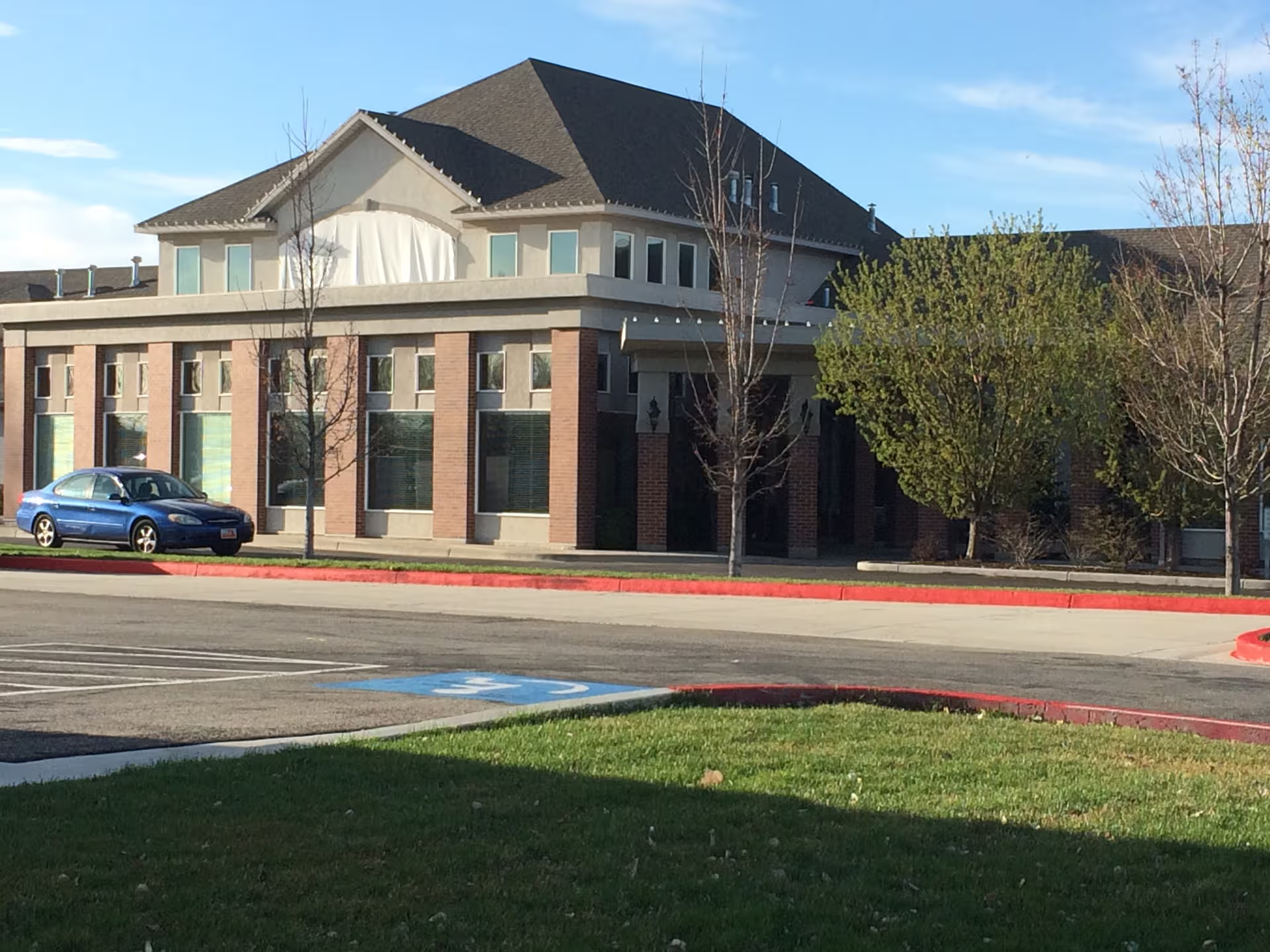
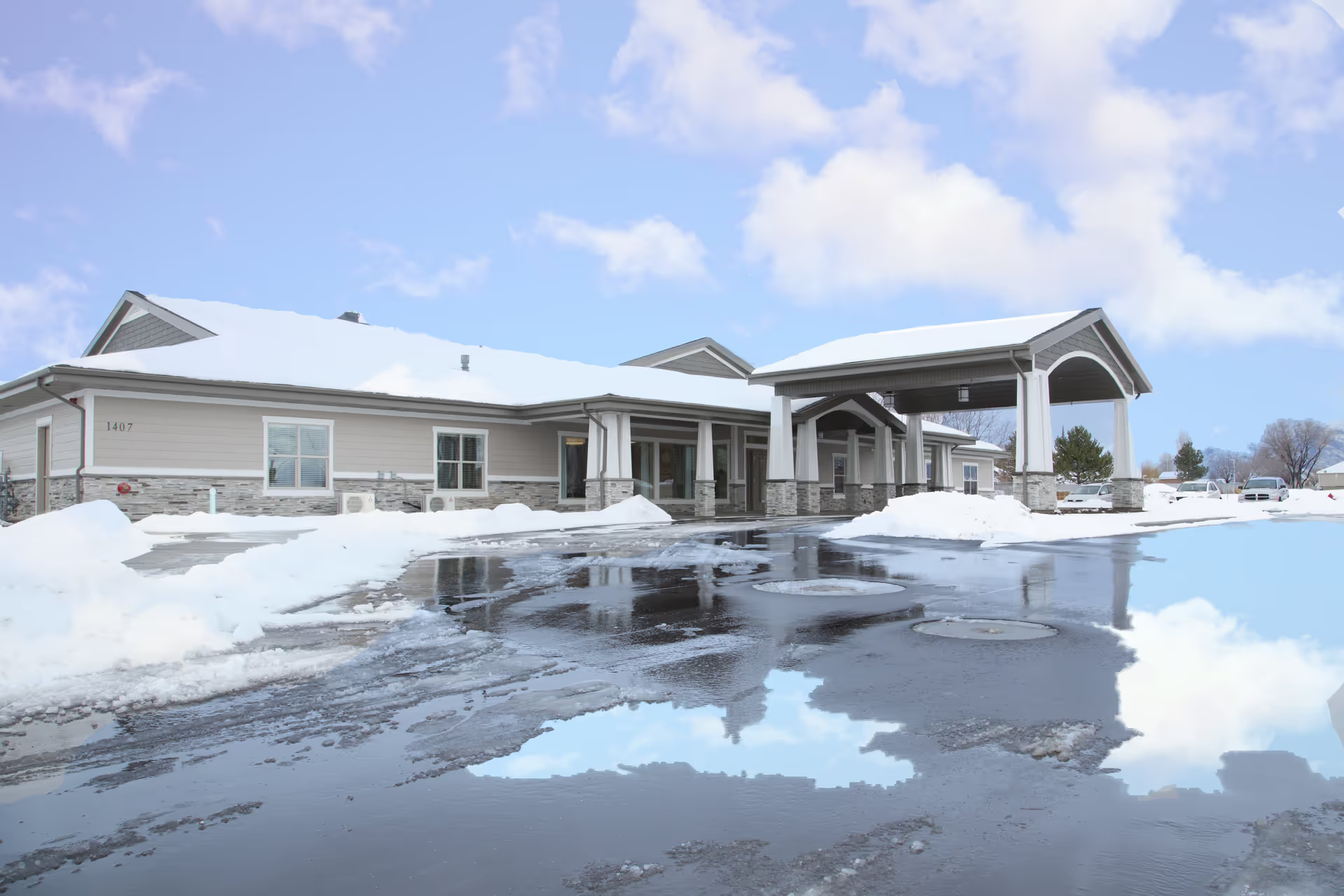
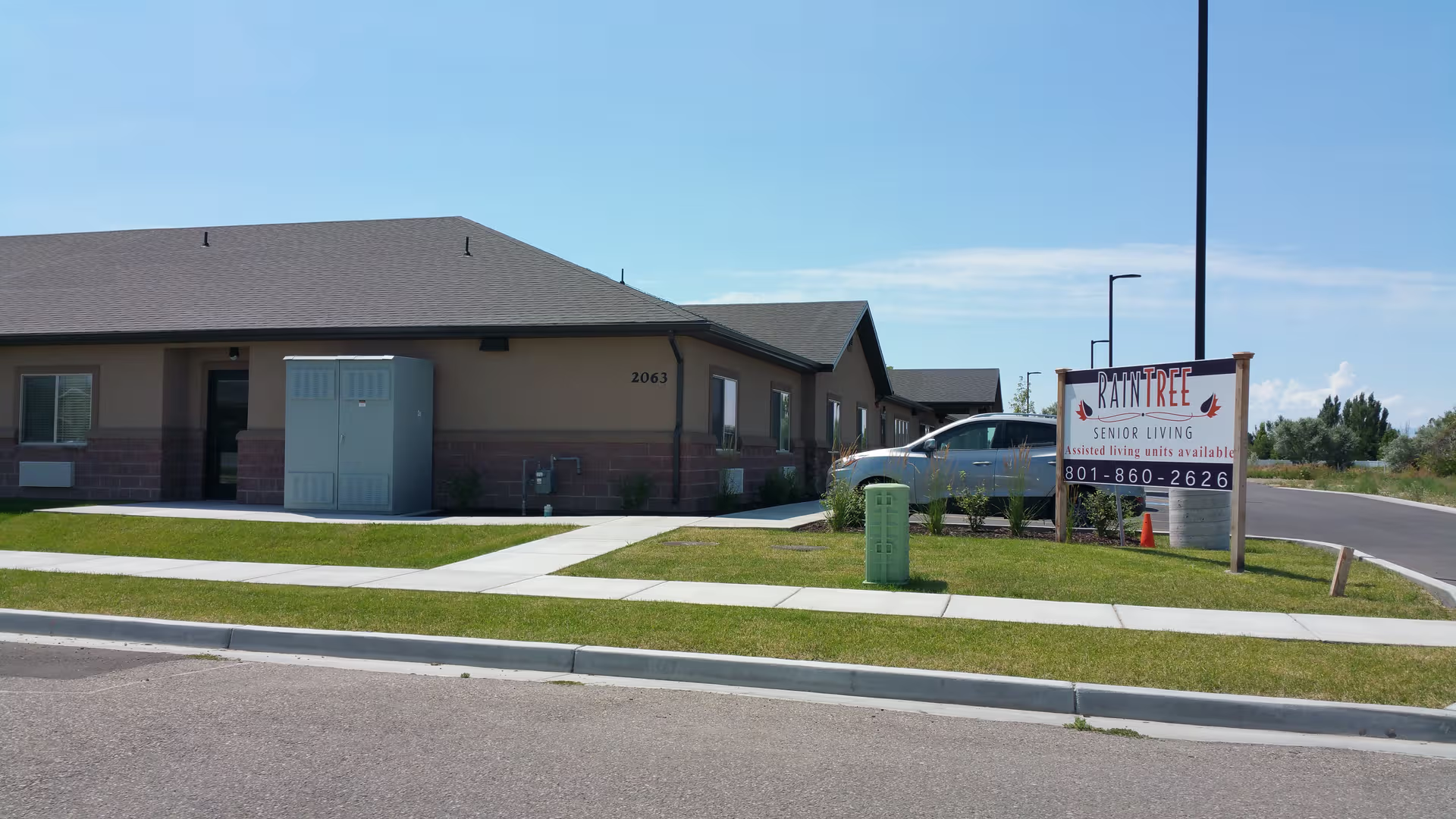
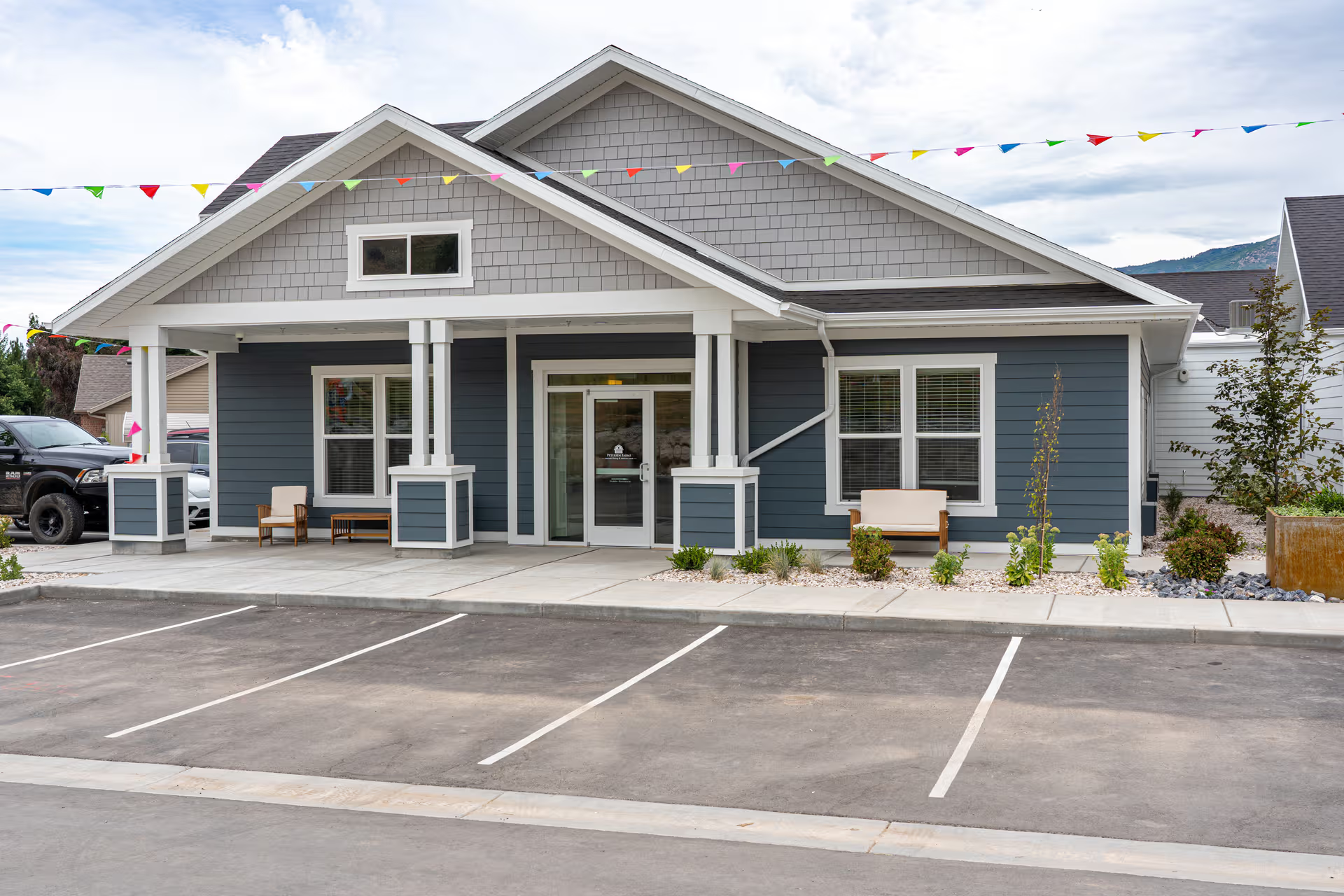
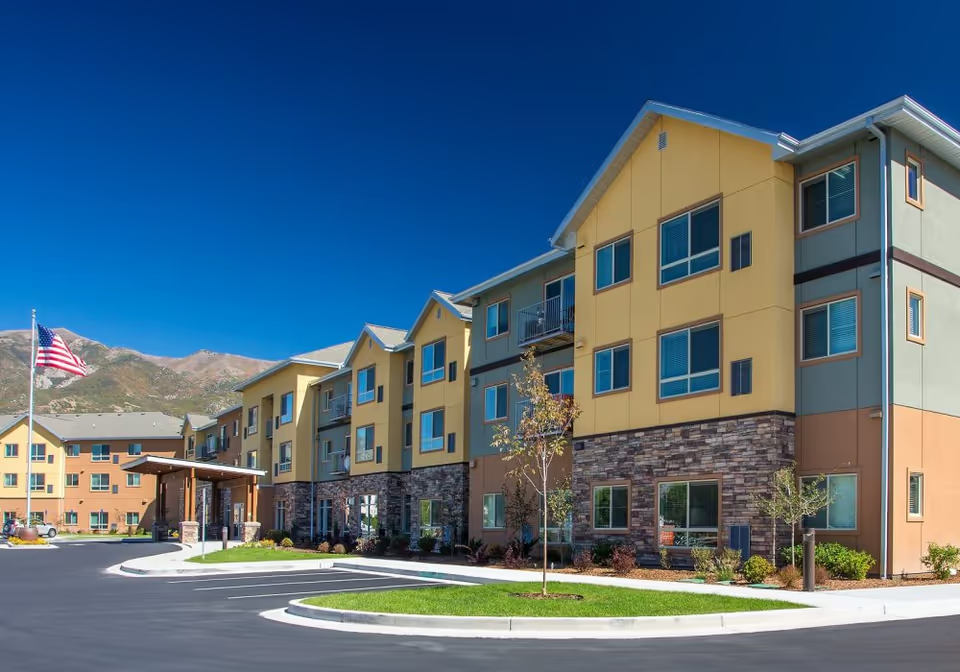
Sunridge Assisted Living of Roy is commonly described as a bright, new, resort-like community with upscale finishes, a variety of apartment layouts, and extensive outdoor amenities. Many families emphasize the facility’s clean, well-maintained public spaces, private dining options, on-site salon, and a range of safety features and accessibility accommodations. The grounds and programming—gardens, patio activities, putt-putt, and organized outings—are repeatedly cited as strengths that support social engagement and resident well-being.
Care quality and staff performance receive substantial positive commentary. Reviewers frequently note compassionate, patient caregivers who learn residents’ names and routines, along with named staff and activity directors who deliver individualized attention. Memory-care programming and dementia supports are highlighted as effective and well-staffed by several families. At the administrative level, multiple comments praise responsive admissions and leadership figures for timely problem-solving and visible oversight, including COVID-conscious infection-control practices.
Dining and activities are prominent features of the community experience. The dining presentation is often described as restaurant-style, with an on-site chef, linen service, and attentive servers; at the same time, reviewer feedback on food quality is mixed. There are recurrent notes about meal consistency and kitchen-staff turnover—some families praise three meals a day and an engaging dining experience, while others cite uneven food quality and a recent kitchen leadership change.
Notable patterns of concern appear in a minority of reviews but merit attention. Several reviewers raise serious allegations about sanitation and responsiveness to incontinence or hygiene needs; those comments contrast sharply with the general cleanliness reports, indicating isolated but significant sanitation concerns. Other safety-related patterns described include delays in staff response during acute incidents and questions about medication-administration and reminder practices. Families also raise operational concerns about billing transparency—ancillary fees, move-out charges, and fee structures—and about inconsistent application of admission criteria for higher-acuity diagnoses.
Operationally, Sunridge appears to be balancing strong person-centered culture with growing-pain issues typical of a newer community. Reviewers praise the engagement and warmth of individual staff members, yet some describe variability in leadership follow-through, staffing continuity, and communication consistency. Prospective families should be encouraged by the facility’s emphasis on activities, personalized care, and attractive physical environment, but also advised to ask specific, operational questions during a tour: clarify medication-administration protocols and response-time expectations, inspect sanitation practices and incontinence care procedures, review the full list of ancillary fees and move-out policies, and confirm admission criteria for higher-acuity needs. This approach will help align family expectations with the strengths and the documented operational gaps at the facility.