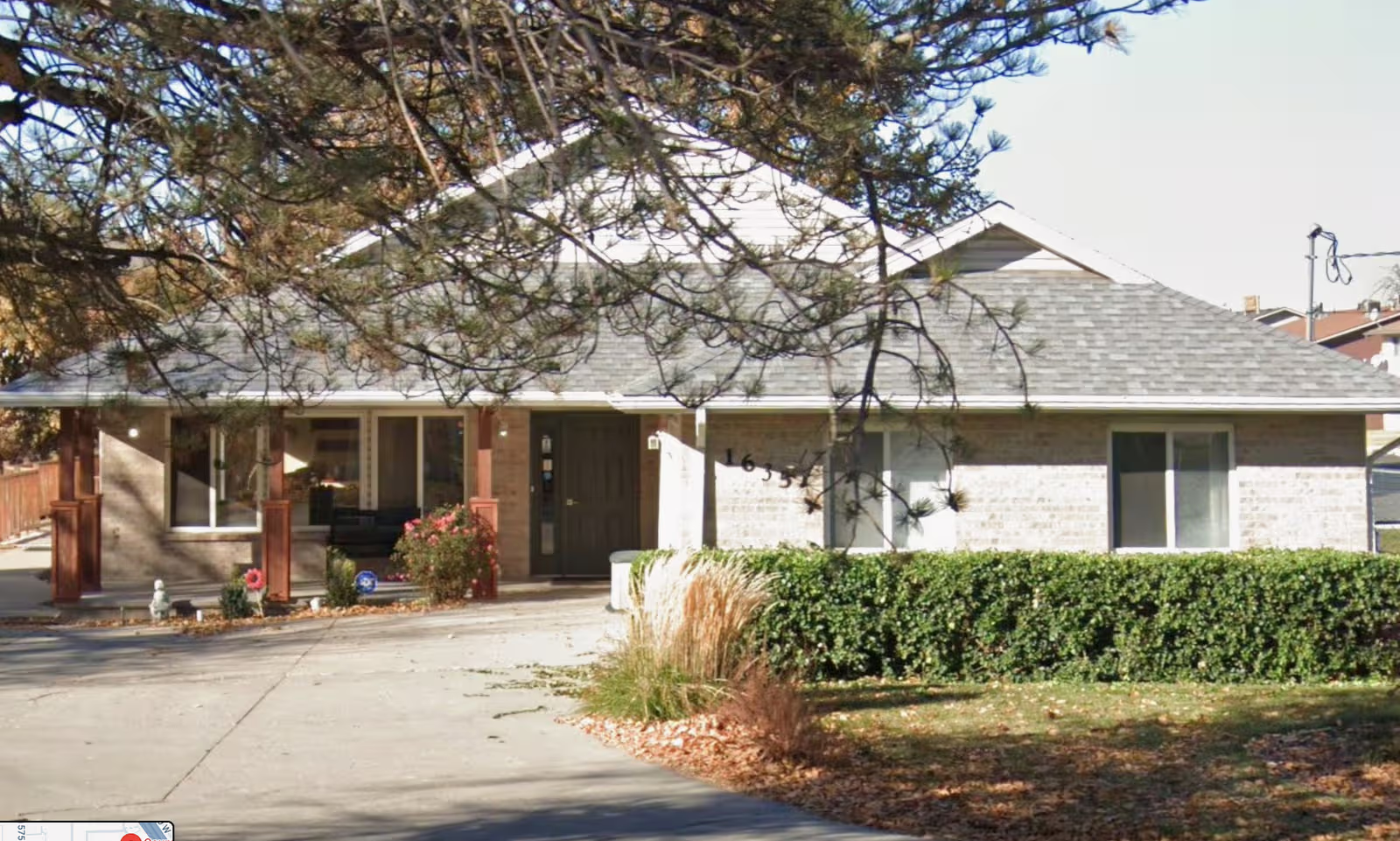
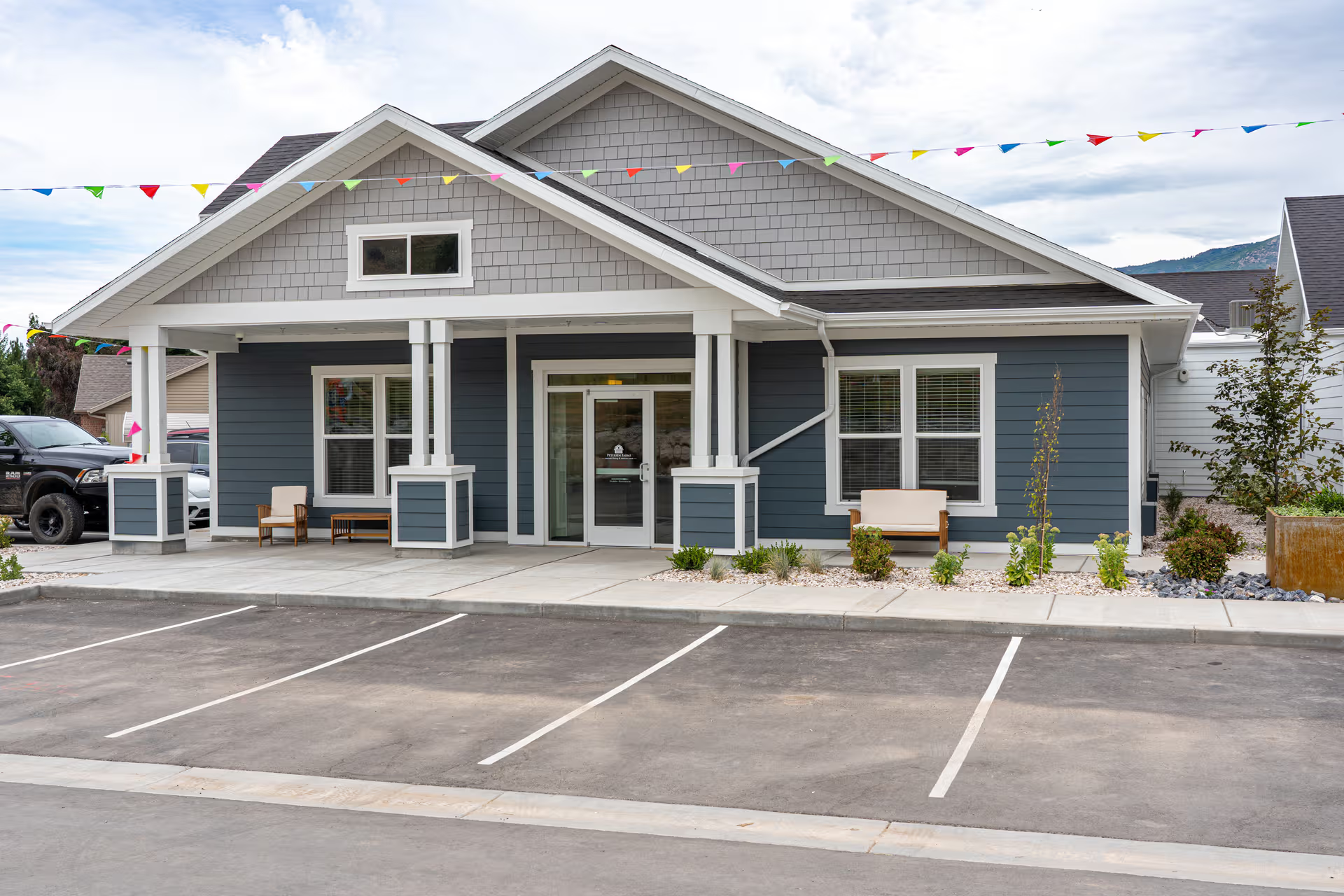
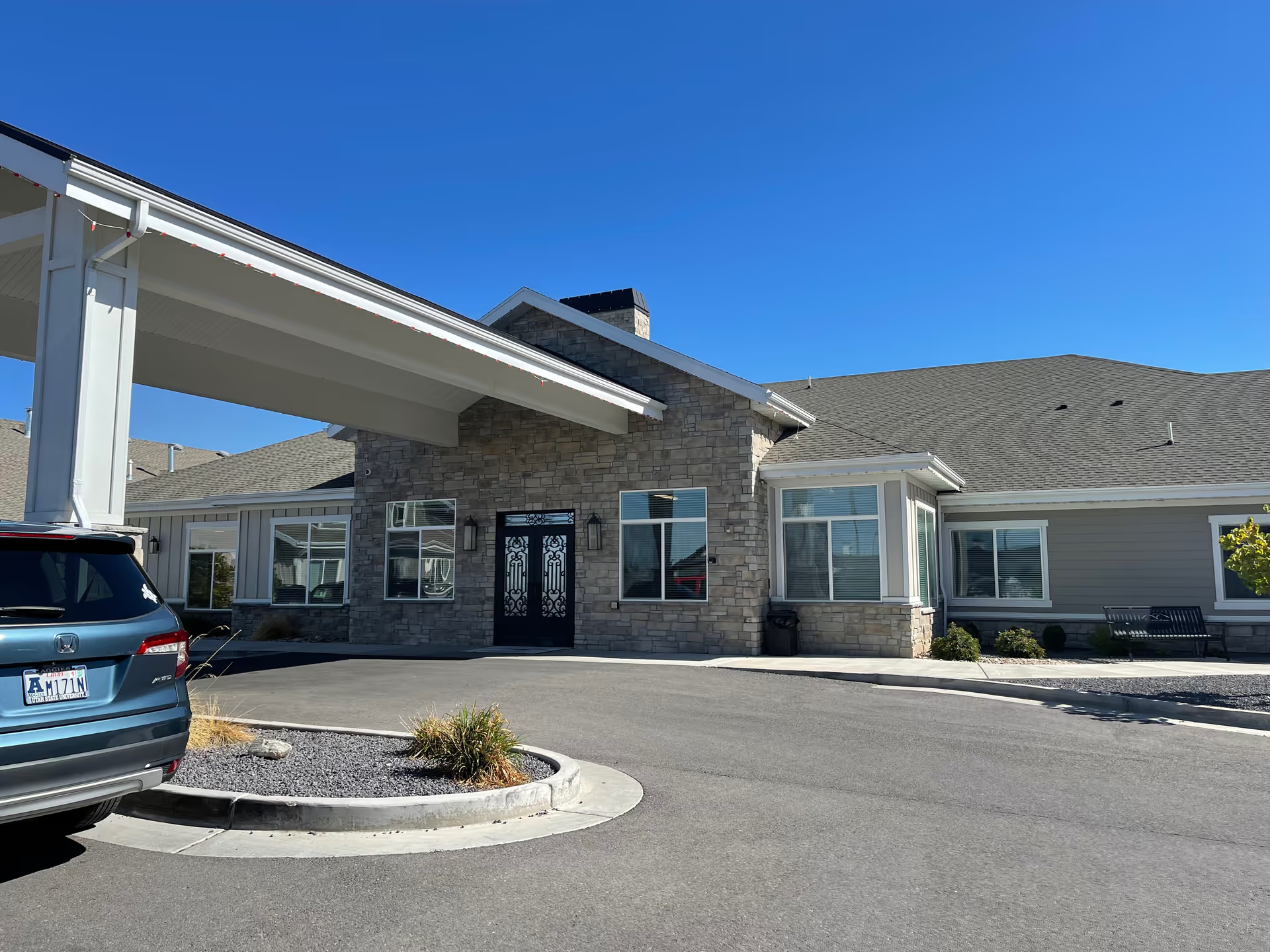
Family Tree Assisted Living of West Point is described predominantly as a small, home-like assisted living community with a strong emphasis on compassionate, personalized care. Reviewers commonly highlight attentive CNAs and nursing staff, a resident care coordinator role, and a culture described as family-like; these factors are associated with individualized care plans and close staff–resident relationships. Cleanliness and a well-maintained physical environment are repeatedly mentioned, and many families note a sense of safety and security in the facility.
Dining receives mixed but generally favorable commentary. Numerous reviewers praise home-cooked meals and specific dining events; several characterize the food as a strong point. However, there is variability noted in meal quality and kitchen staffing that prospective families should evaluate during a tour. Asking about daily menus, kitchen staffing, and sample meals is advisable for those for whom dining is a priority.
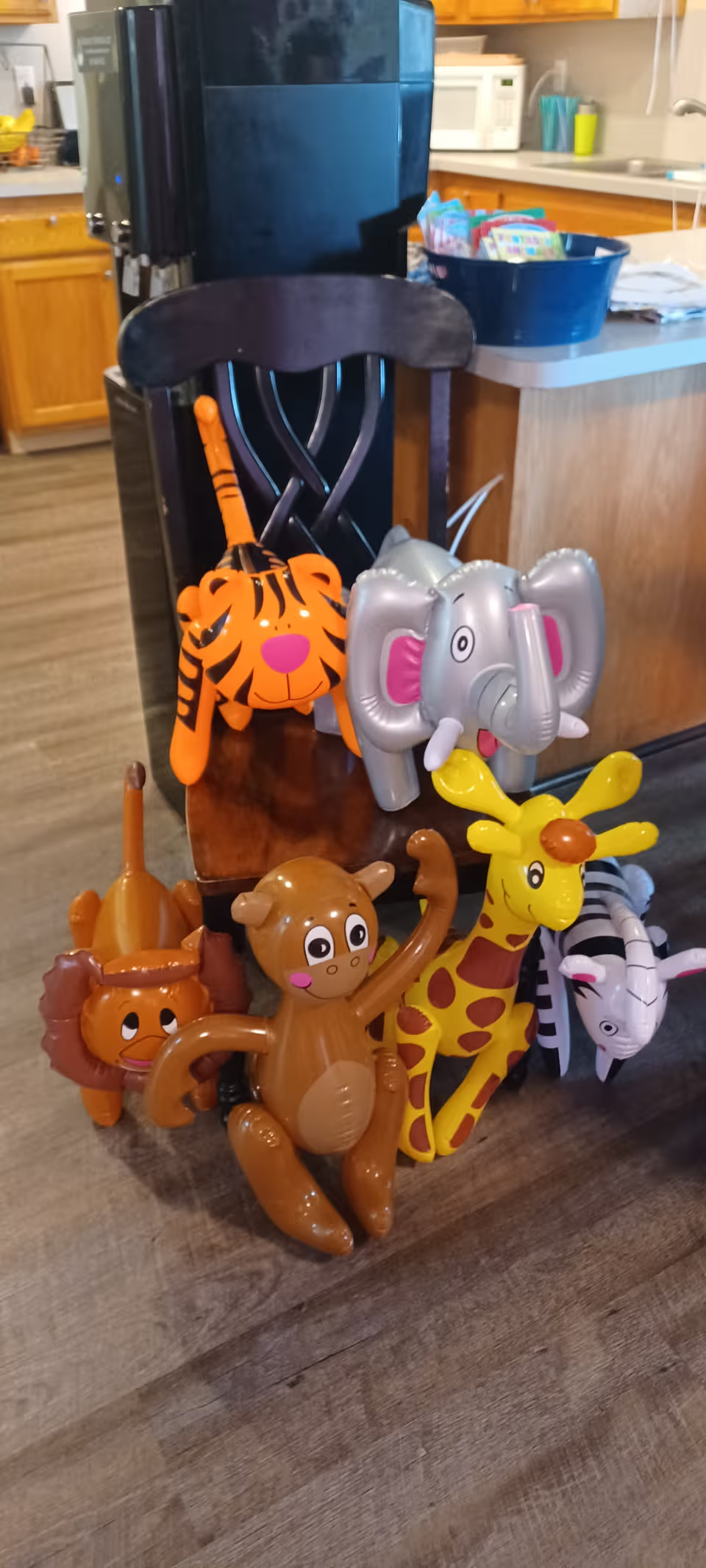
The facility offers an active events program with regular social and recreational options — bingo, piano music, exercise hour, themed days (smoothie day, Red Hat Society), and family-oriented activities are commonly cited. On-site amenities such as a beauty salon and routine doctor visits contribute to convenience and quality of life. That said, some feedback mentions variability in activity coordination and limited dedicated exercise space; confirming the current activity calendar and availability of physical-activity options is recommended.
Facilities and accommodations are portrayed as modern and comfortable by many reviewers: rooms with full bathrooms, walk-in closet options, in-room heating/cooling, and central common areas are strengths. A minority of comments indicate variability in room size or smaller private-room options; visitors should verify room dimensions and bathroom arrangements during a visit to ensure they meet expectations.
Management and communication is a mixed area. Several reviews praise administrators and specific managers for responsiveness, fast admissions, and proactive family communication. Conversely, a subset of reviews identifies gaps in responsiveness, coordination with volunteers, and delays in communicating incidents to families. These contrasting perspectives suggest inconsistent experience depending on timing or staffing; prospective families may benefit from direct conversations about communication protocols, incident notification practices, and the facility’s escalation procedures.
Patterns across the reviews point to a facility with strong relationships between staff and residents, notable cleanliness, and a community-oriented atmosphere. The primary operational issues to probe further are variability in food-service quality, activity coordination and physical-activity space, and occasional inconsistencies in management communication and staff training. Overall, many families strongly recommend the community, while others advise due diligence on the specific operational areas noted above before placement.