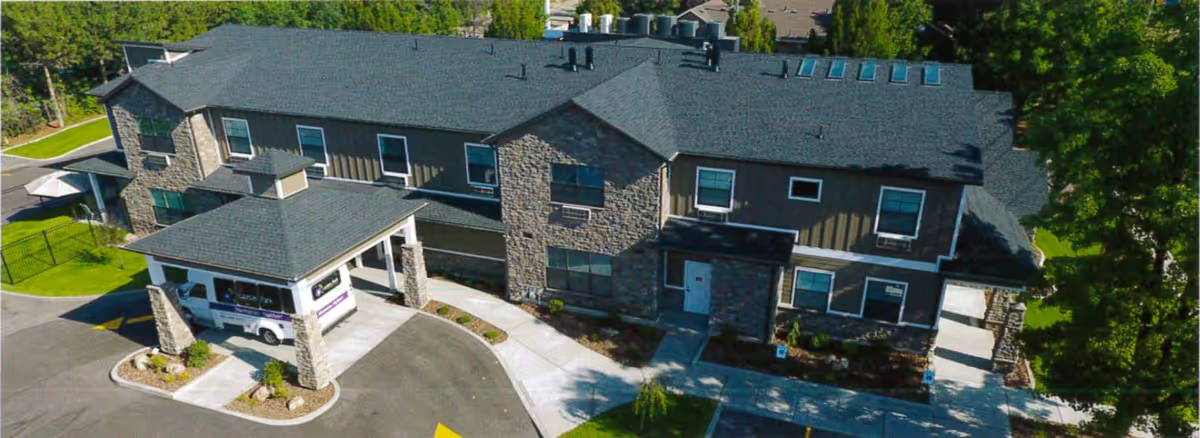
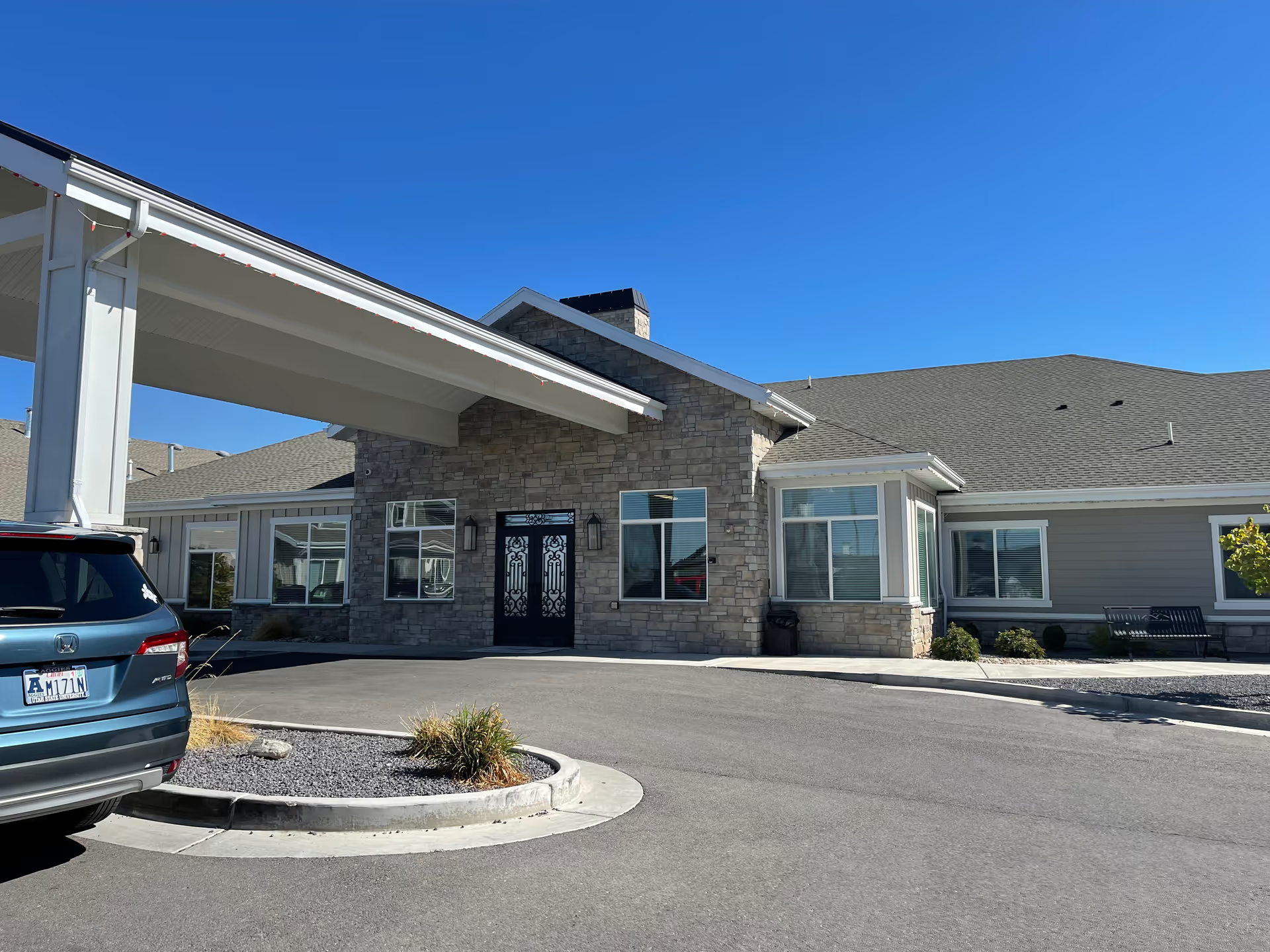
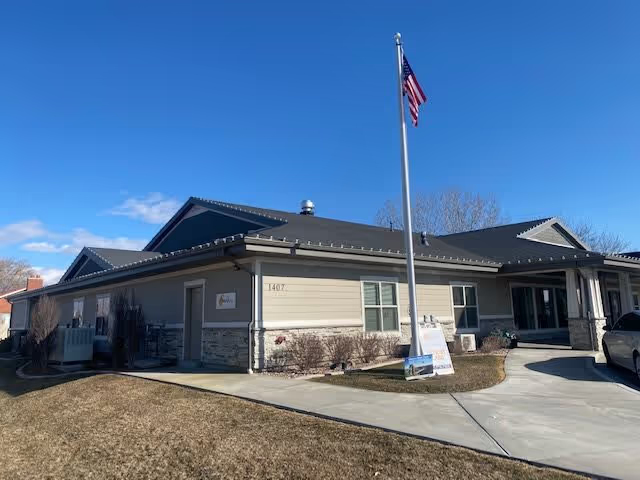
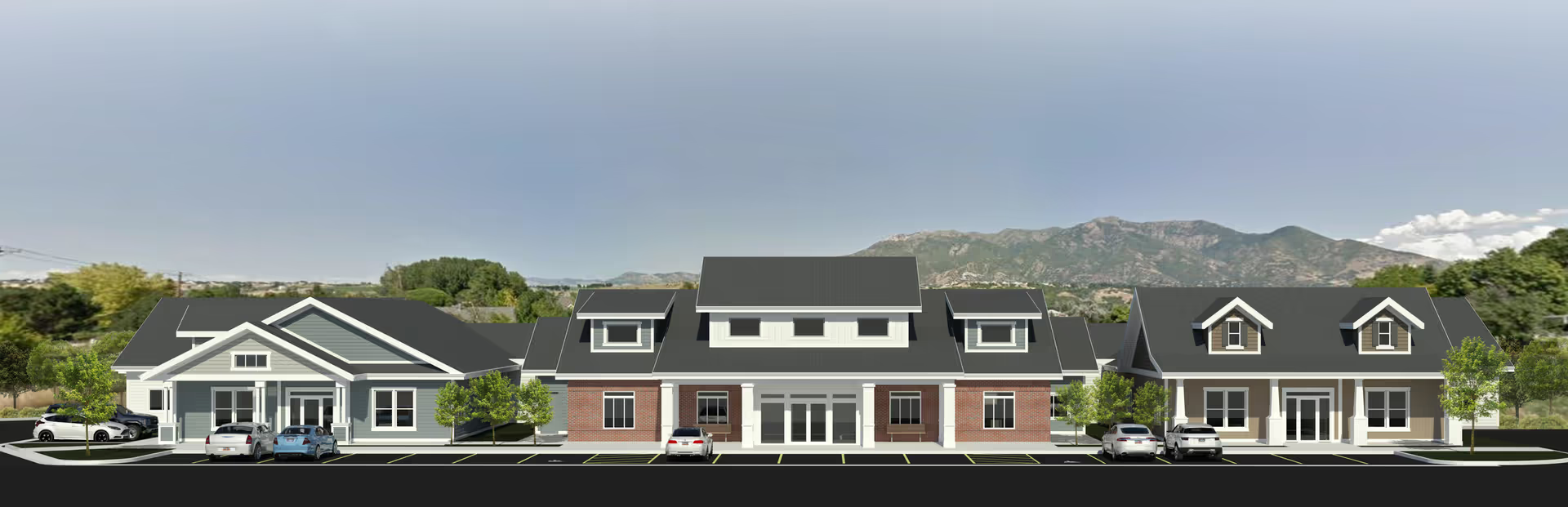
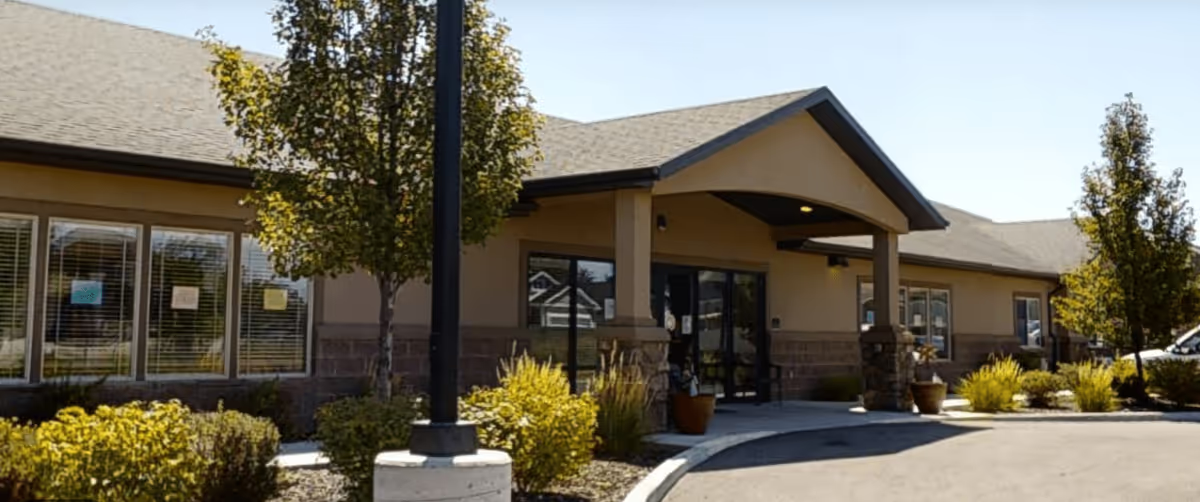
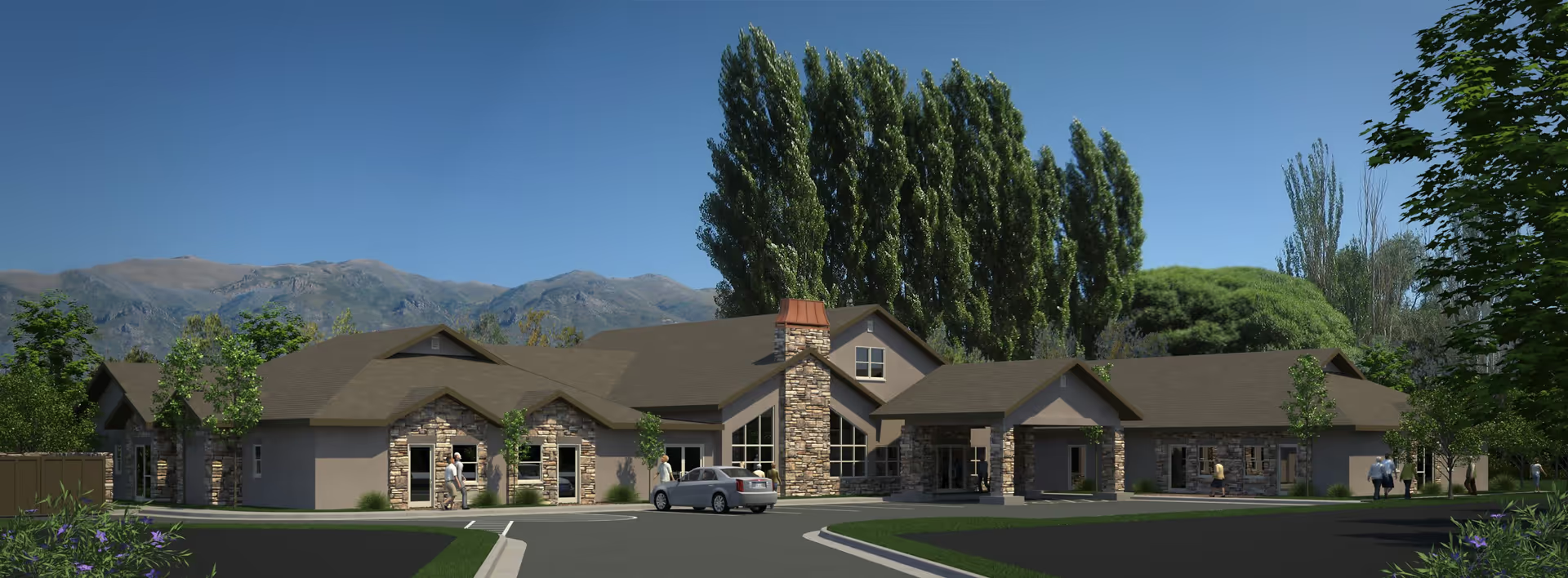
Overall impression: Chancellor Gardens receives strong, repeated praise for the quality of its caregiving staff, its memory-care programming, and its range of amenities. Many families and residents describe compassionate, attentive CNAs and nurses, proactive directors, and a home-like atmosphere supported by active life-enrichment teams. The community's physical environment—spacious apartments, accessible bathrooms, a large dining room, and amenities such as a gym, salon, library, and outdoor courtyard—consistently earns positive comments.
Care and staff: Staff performance is the facility's most frequently cited strength. Reviewers commonly note personalized attention, staff who know residents by name, and effective infection-control practices during pandemic periods. The memory-care unit is repeatedly described as well-run and stimulating, with staff experienced in dementia care. At the same time, recurring operational issues appear: intermittent understaffing (notably on weekends), caregiver turnover, and training gaps that families link to slower response times and occasional safety incidents. A minority of reviews included isolated allegations concerning sanitation, safety, medication coordination, and incident follow-up; these raise questions about consistency in clinical oversight and incident-handling processes.
Dining and activities: The community offers a broad activity calendar—exercise classes, games, live music, religious services, regular outings, and themed dining events—and reviewers often describe an active social environment that improves resident well-being. Dining receives mixed but generally favorable feedback: many reviewers applaud a capable chef, varied menus, and waiter-style service, while others note uneven meal quality, occasional bland or dry preparations, and inconsistencies in portions or menu expectations.
Facilities and maintenance: Physical plant and apartment quality are commonly praised—clean, roomy units, bright corner apartments, and well-kept public spaces. Families value on-site rehabilitation, transportation, and salon services. Reported weaknesses include delayed maintenance responses during some stays and sanitation concerns in specific units or bathrooms. Ongoing renovations on parts of the campus were also noted, which can affect resident experience in adjacent areas.
Management and value: Leadership presence and specific directors receive frequent commendation for responsiveness and family communication. However, reviewers also cite administrative weaknesses: lapses in incident communication or handling, occasional billing and deposit disputes, and perceived value erosion due to annual rent increases and added level-of-care fees. The facility's large size is a point of preference for some (more activities and services) and a drawback for others (less intimate feel).
Notable patterns and guidance: In synthesis, Chancellor Gardens offers many characteristics families seek—engaged staff, strong memory-care programming, varied activities, and ample amenities—but it also shows variability in operational consistency (staffing, meal execution, maintenance, and select sanitation/clinical processes). Prospective residents and families would benefit from targeted questions during tours: current staffing ratios (including weekends), staff training and turnover metrics, work-order turnaround times, specifics on medication oversight, and a review of recent health-inspection results. Those areas are where the reviews indicate the greatest potential variance in day-to-day experience.