Hidden Valley is consistently praised for its compassionate, hands-on caregiving culture and strong clinical support, particularly in memory care and end-of-life/hospice situations. Families frequently describe staff as attentive, kind, and proactive; many highlight individual caregivers and administrators for personalized attention, frequent updates, and help with transitions. The facility appears to provide reliable clinical coverage with regular physician and nursing presence and 24-hour monitoring for residents with higher medical needs.
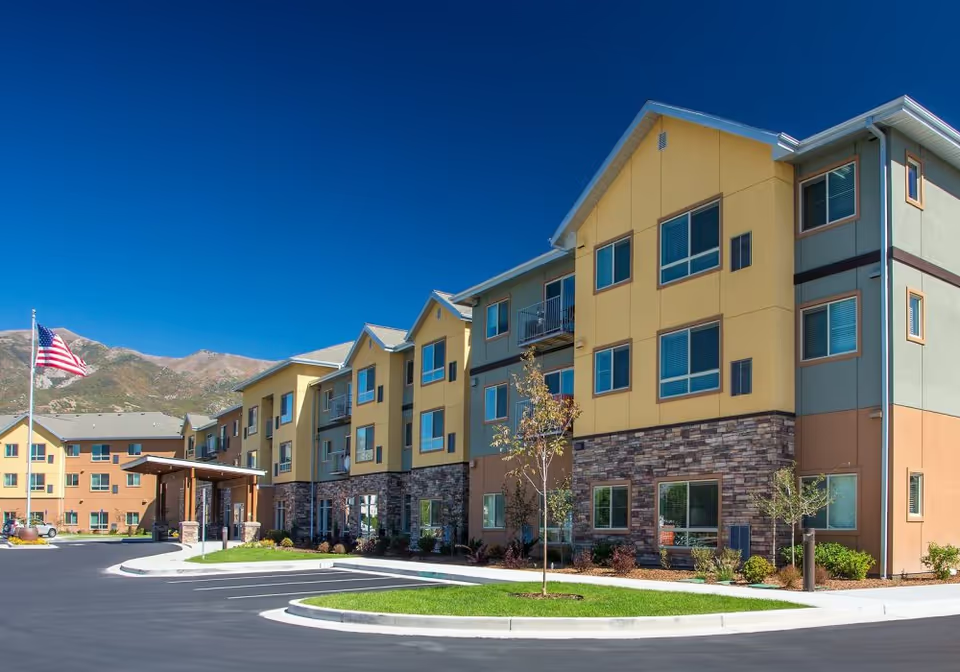
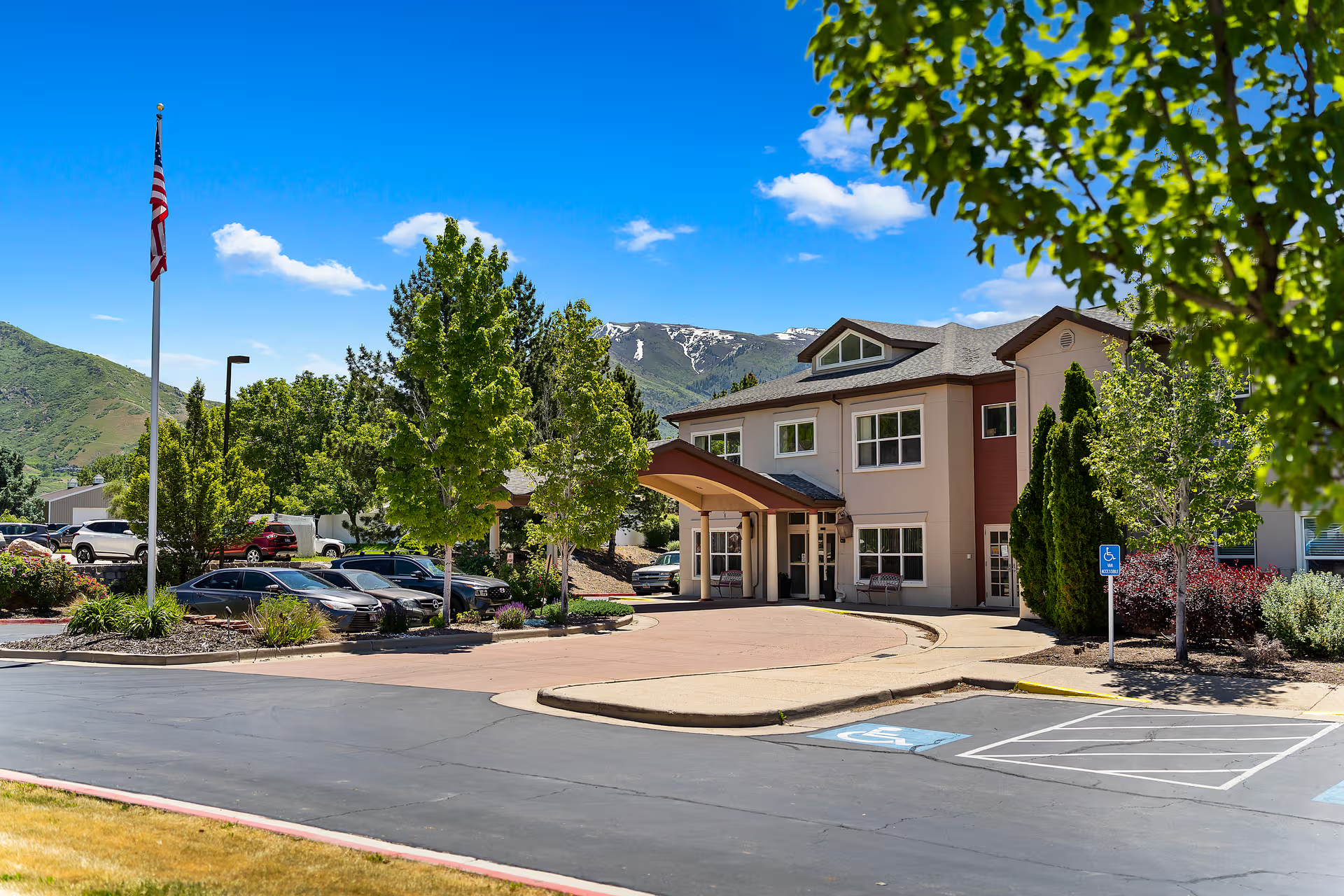
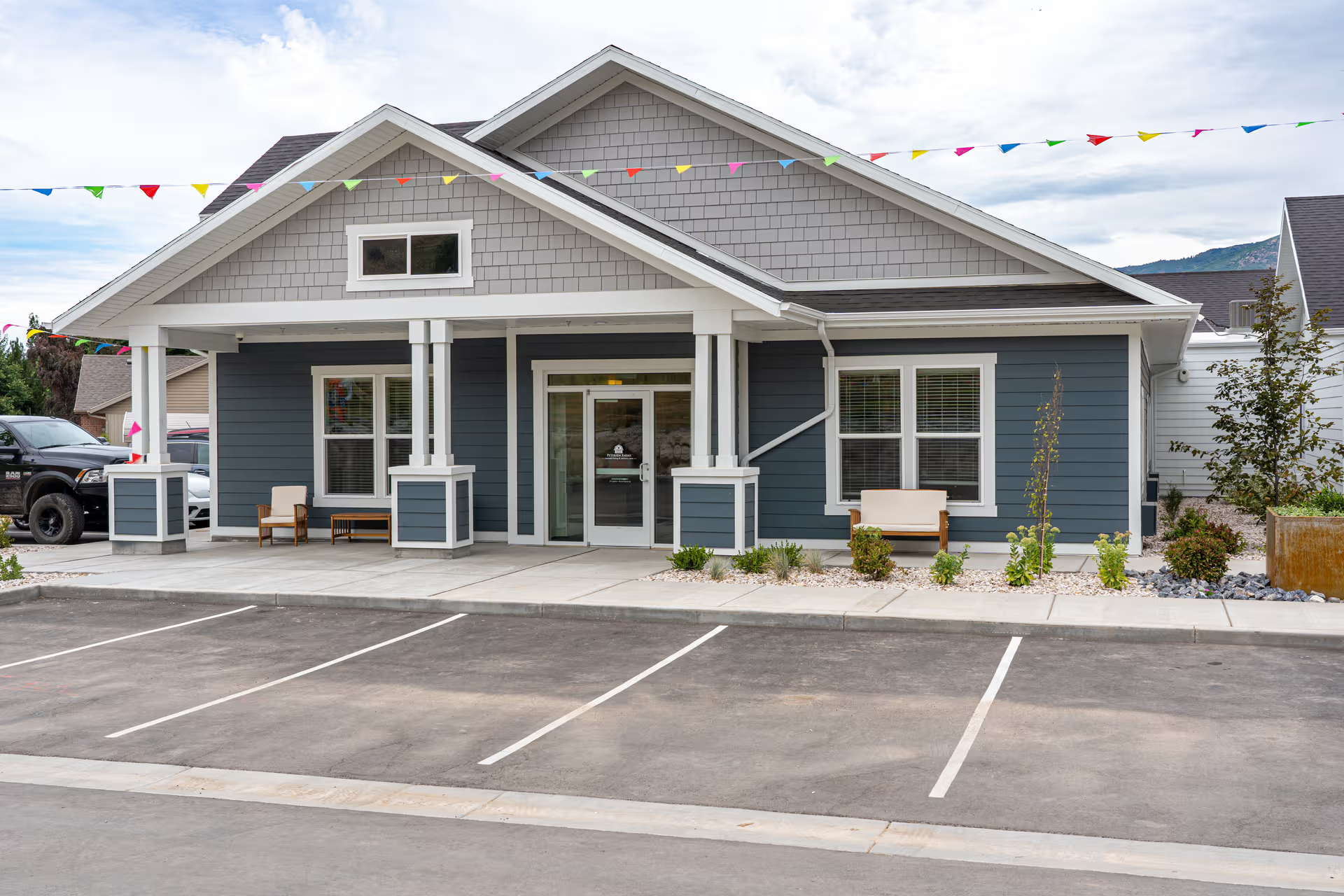
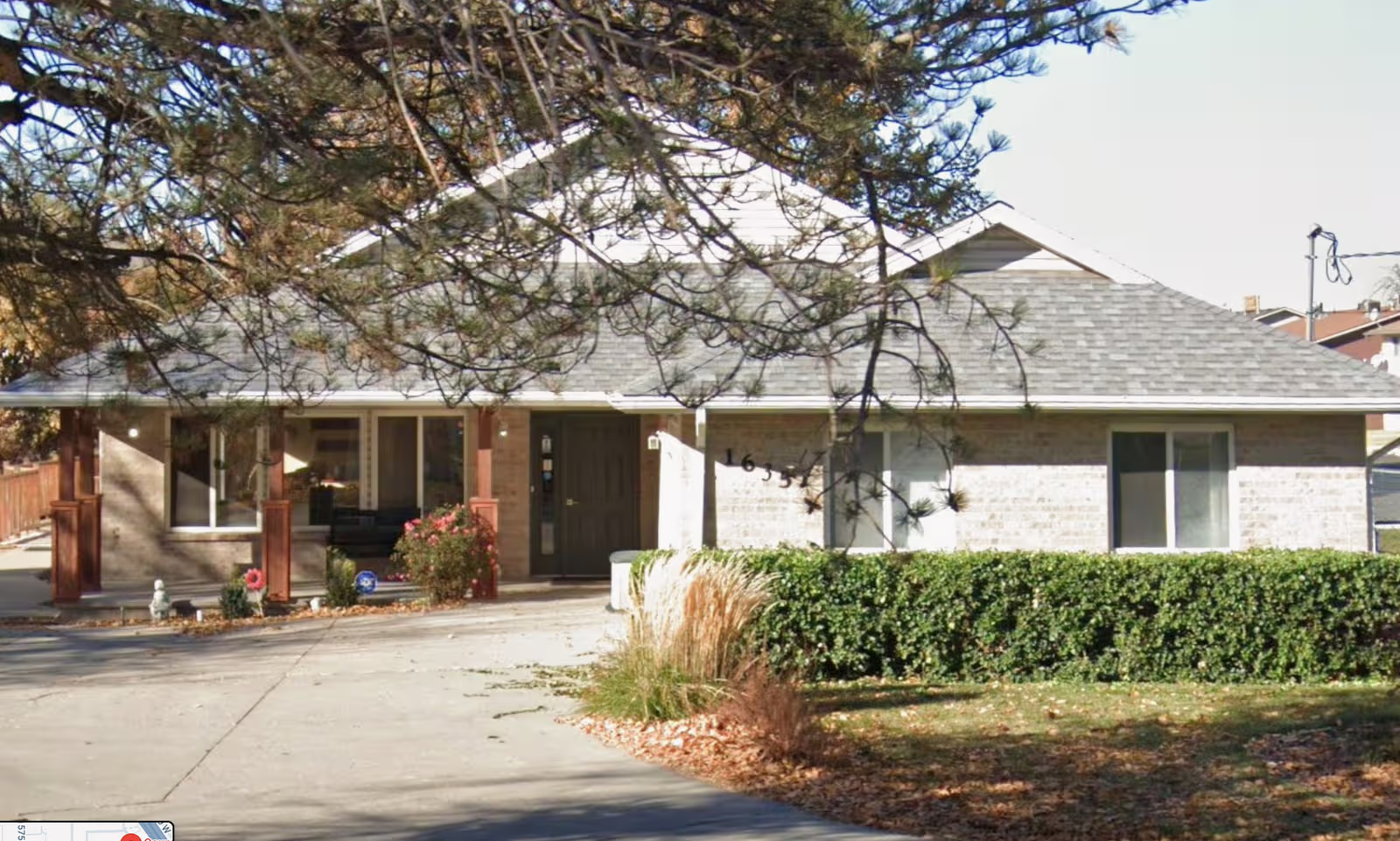
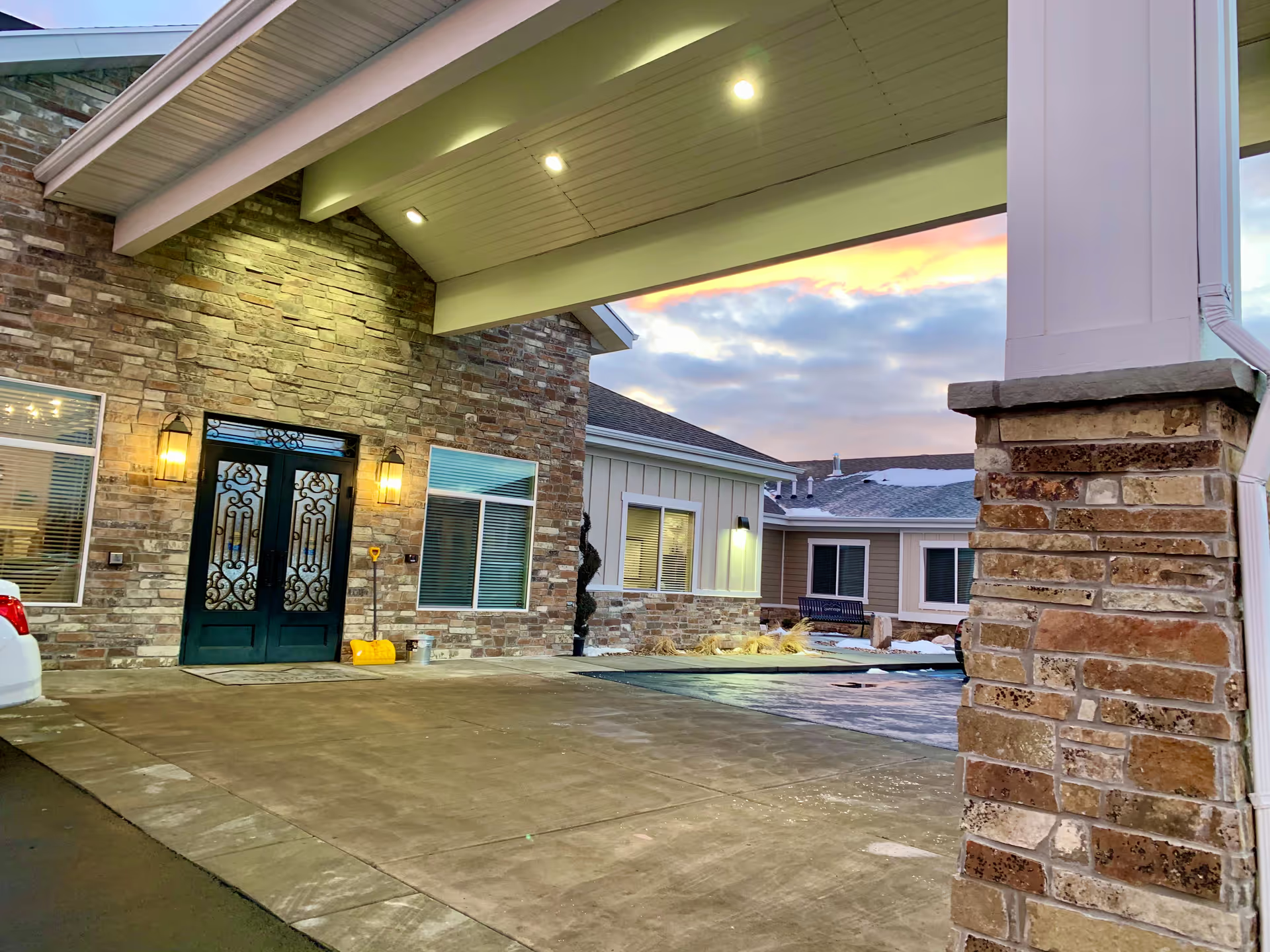
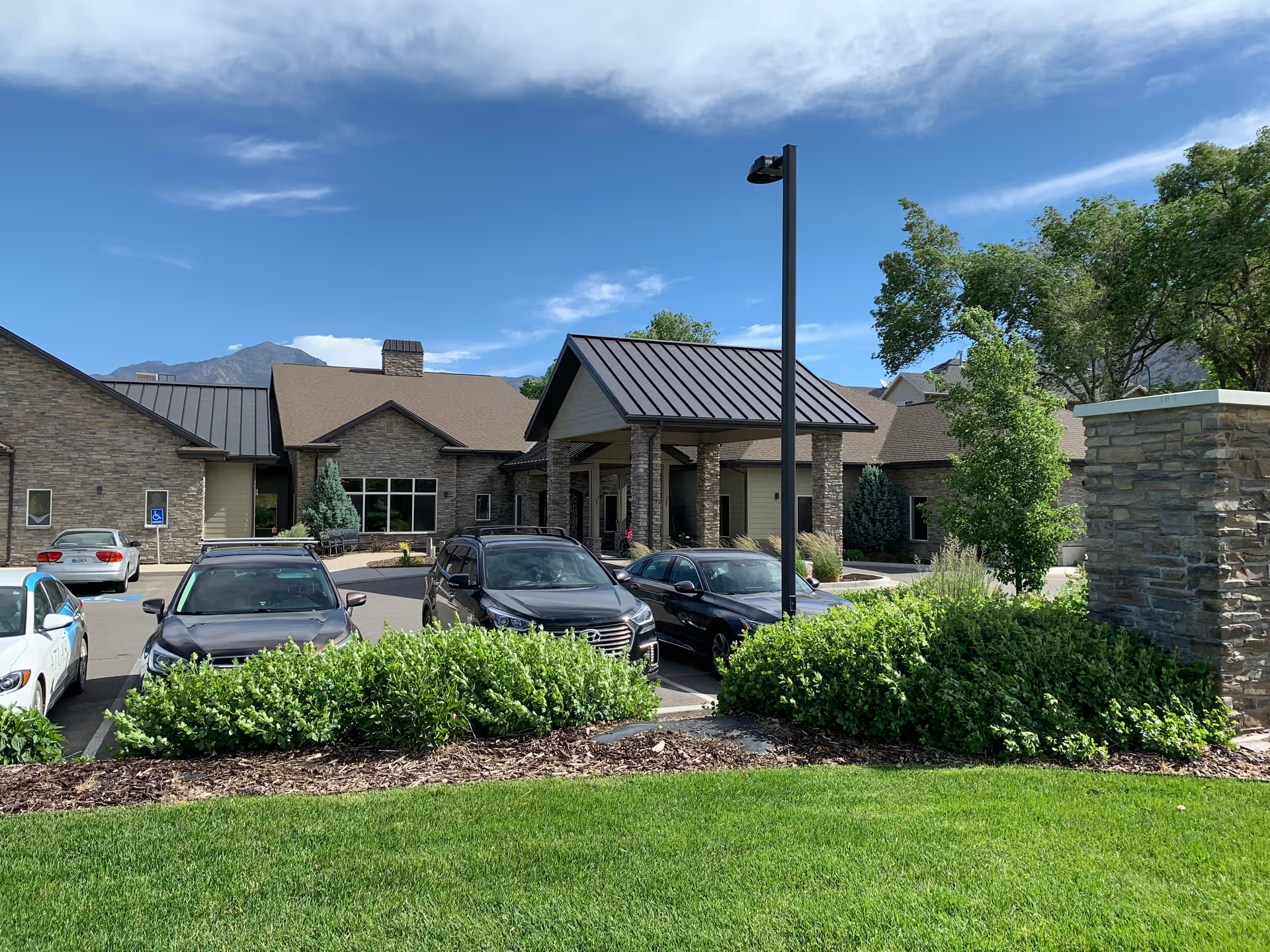
The physical environment and amenities are recurring strengths. Reviewers note a clean, well-maintained building with private rooms and en-suite bathrooms, an attractive campus and convenient location, and on-site services such as a salon. Dining receives generally positive feedback for taste and variety, and several families appreciate a friendly kitchen crew that learns residents’ names. The activity program is robust—residents are described as engaged and socially connected through frequent events, holiday programming, exercise classes, movies, and other offerings that support an active daily life.
Several operational patterns warrant attention. A number of families describe intermittent understaffing or a busy staff workload that reduced the level of in-room or hands-on assistance; this appears to affect households that need more directed care. There are also comments indicating variability in staff training and skill mix, and a few privacy-related concerns about staff discussions of residents. Management and ownership changes are a recurring theme: transitions in leadership have at times coincided with staff departures and family dissatisfaction, suggesting that stability and continuity of personnel influence the resident experience.
Dining quality and service model are mixed in the reviews. While many praise the meals and food staff, others describe inconsistent food quality across shifts and a culture in some areas that emphasizes resident independence (self-service dining) over assisted dining support—an operational model that may not match all applicants’ needs. Finally, while many families commend the administration for accessibility and proactive communication (including social-media updates and video/photo sharing), prospective residents should inquire about current leadership continuity and staffing ratios.
For families considering Hidden Valley, the facility’s clear strengths are its warm, person-centered caregiving, strong memory-care and hospice support, active programming, and well-kept physical environment. Prospective residents or their representatives should schedule a tour, ask about current staffing levels and training, confirm dining-service practices for residents who need assistance, review privacy/confidentiality protocols, and request examples of how management handles transitions and continuity of care. These targeted questions will help determine whether Hidden Valley’s operating model aligns with the specific care needs and expectations of the resident.