Quail Meadow Assisted Living elicits strongly polarized impressions. A large body of feedback emphasizes compassionate, attentive caregiving, a small-community feel that enables personalized attention, well-prepared meals, and a clean, homelike physical environment with attractive outdoor spaces and mountain views. Several reviews single out effective, accessible administrators and coordinators who improve communication with families and lead visible operational improvements. The memory-care unit and security features are frequently described as strengths that provide reassurance to families.
Care quality and staff behavior are overall described positively: reviewers commonly praise CNAs, nurses, and activity staff for warmth, patience, and individualized engagement. The facility’s smaller size is repeatedly cited as a benefit for one-on-one time and close familiarity with residents’ preferences. At the same time, a subset of reviewers express serious concerns about staff conduct, responsiveness, and follow-through; these accounts point to variability in how consistently staff meet behavioral and clinical expectations. This divergence suggests that direct caregiver quality is generally high but susceptible to shift-to-shift or personnel changes.
Dining and activities are regular strengths. Meals are characterized as nutritious, varied, and often gourmet or home-style, with families noting attention to dietary needs. Activities programming is frequently described as engaging — including music, church services, group outings, and therapy-driven sessions — and many families report that the calendar keeps residents active and socially connected. However, there are also reports of inconsistent activity engagement for some residents, indicating the need to confirm how programming is adapted for individual cognitive or mobility levels.
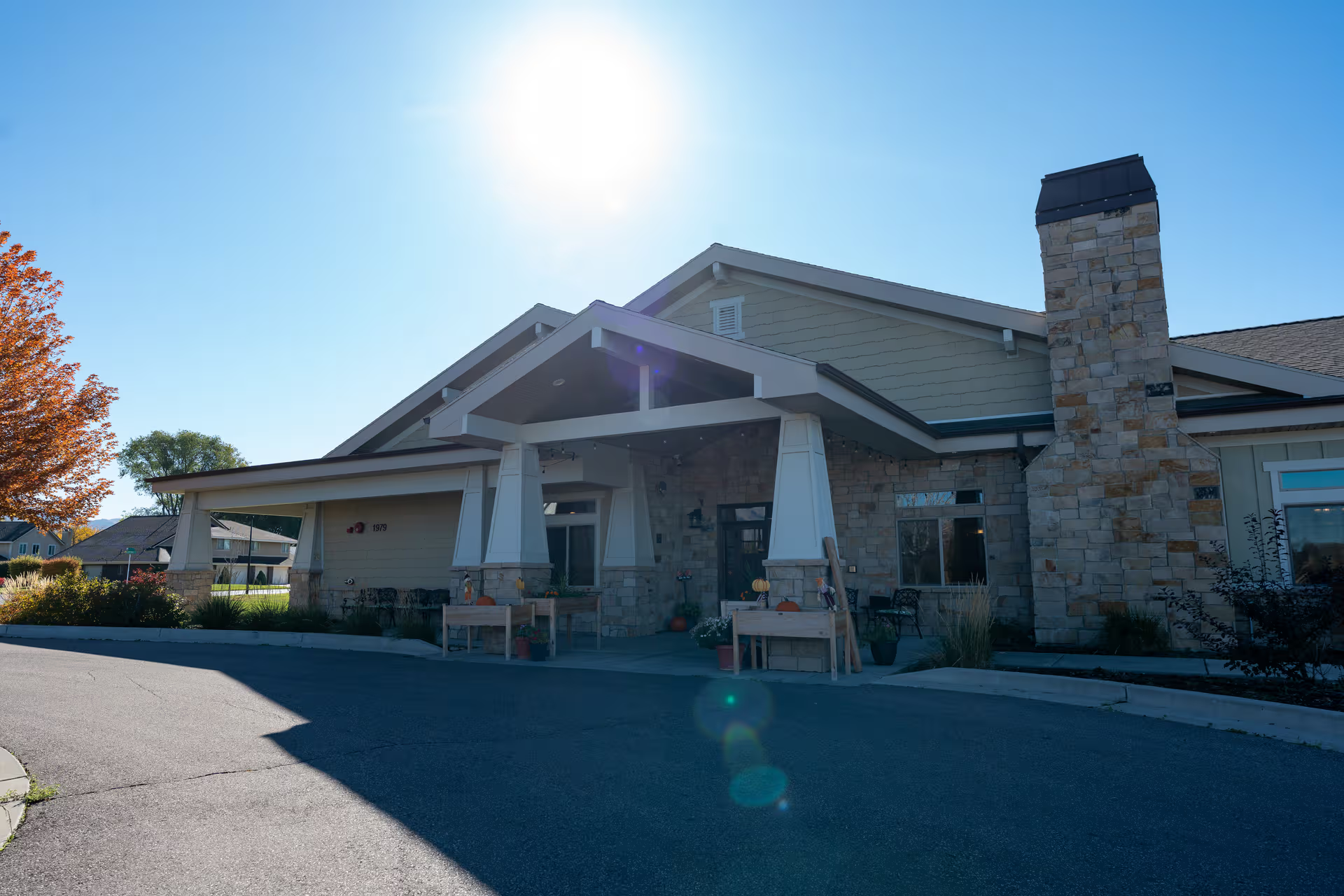
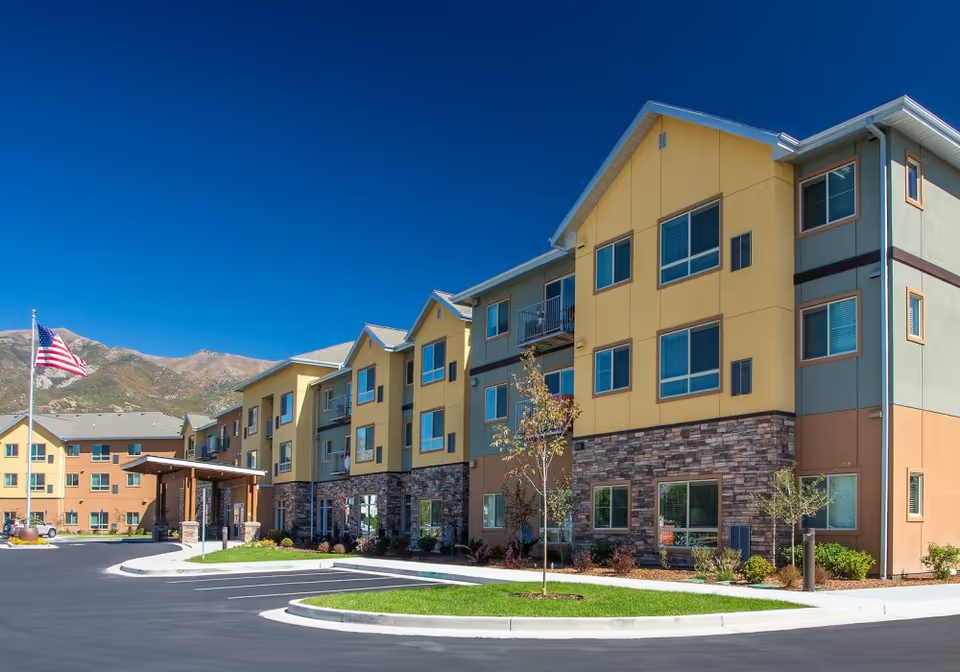
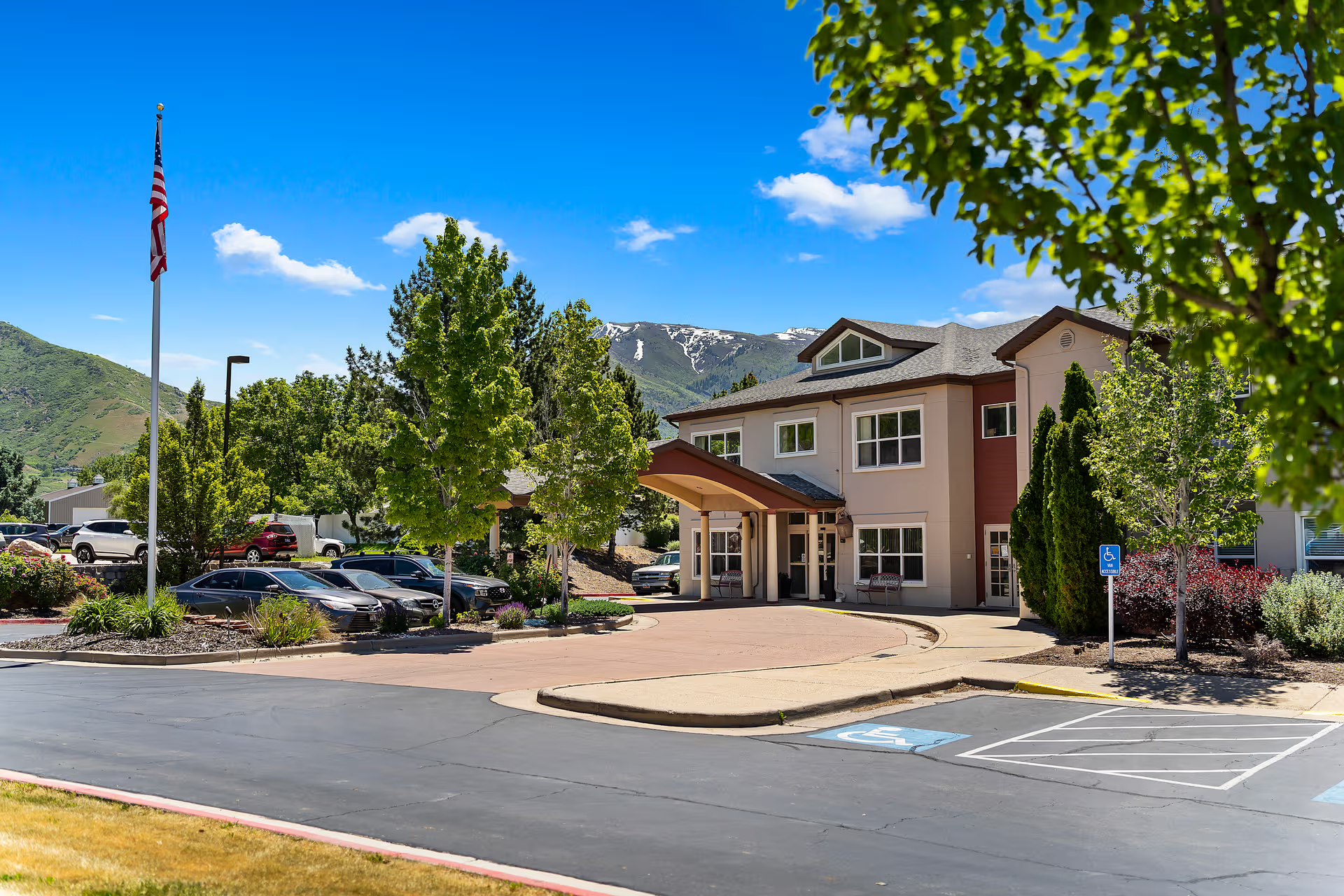
Facility condition and amenities receive positive marks for cleanliness, maintenance, and a welcoming atmosphere. Common areas, outdoor seating, and sightlines to mountain views are repeatedly mentioned. That said, some reviewers raise sanitation and supply-control concerns, such as misplaced or missing supplies and uneven housekeeping in specific areas. These issues appear episodic but are operational in nature rather than purely aesthetic.
Management and operations show a mixed pattern. Several reviews praise specific leaders by name for exemplary leadership, open communication, and hands-on problem solving; other reviews highlight turnover and lapses in operational oversight that have coincided with medication, supply, and inventory-control problems. Notable operational weaknesses inferred across reviews include inconsistent staffing levels (which can affect continuity of care), medication-management and inventory-control weaknesses, and limited capacity to safely manage residents who require two-person transfers or higher-acuity nursing care. Cost is also noted as relatively high by some families.
Notable patterns and recommended due diligence: the overall sentiment is positive for families seeking a smaller, relationship-driven assisted living with strong dining and activity offerings. However, a nontrivial minority of reviews details operational lapses that could affect clinical safety and daily comfort. Prospective residents and families should ask targeted questions during a visit — including current staffing ratios by shift, formal medication-management and inventory procedures, fall-prevention and transfer protocols (including availability of two-person lift capability), cleaning and supply-restocking schedules, recent leadership turnover and corrective actions taken, and sample activity calendars adjusted for memory-care residents. Confirm pricing inclusions and any potential extra fees for higher-acuity services.
In summary, Quail Meadow appears to offer many attributes families value — compassionate caregivers, engaging programming, quality meals, and a well-maintained setting — while also exhibiting operational areas that warrant verification during a tour and discussion with administration. Direct observation of shift change, medication pass procedures, and an in-person conversation about recent quality-improvement actions will help assess whether the facility’s strengths are consistently sustained across units and shifts.