Reviewers describe a facility with a substantial number of consistently positive staff-level experiences alongside a set of operational weaknesses that appear to affect care consistency. Many families and residents praise the direct caregivers — CNAs, nurses, therapists, housekeeping, and kitchen staff — for compassion, individualized attention, and positive personal interactions. Physical and occupational therapy, social programming, and housekeeping are frequently cited as strengths; residents report improved mobility, social engagement, and a community atmosphere with regular events, bus outings, and on-site activities.
At the same time, a clear pattern of variability emerges in clinical and operational performance. Multiple accounts highlight slow call-light responses, staffing shortages, and long waits for bathing, toileting assistance, or showers. Medication handling and documentation are noted as inconsistent in some accounts, and several families raised concerns about delays in addressing clinical problems and pain management. There are also serious governance concerns reported by some reviewers, including allegations of forged orders, unlicensed supervision, and problems with medical-record access and privacy; these matters suggest prospective families should ask directly about clinical oversight, record-keeping practices, and incident escalation procedures during a tour.
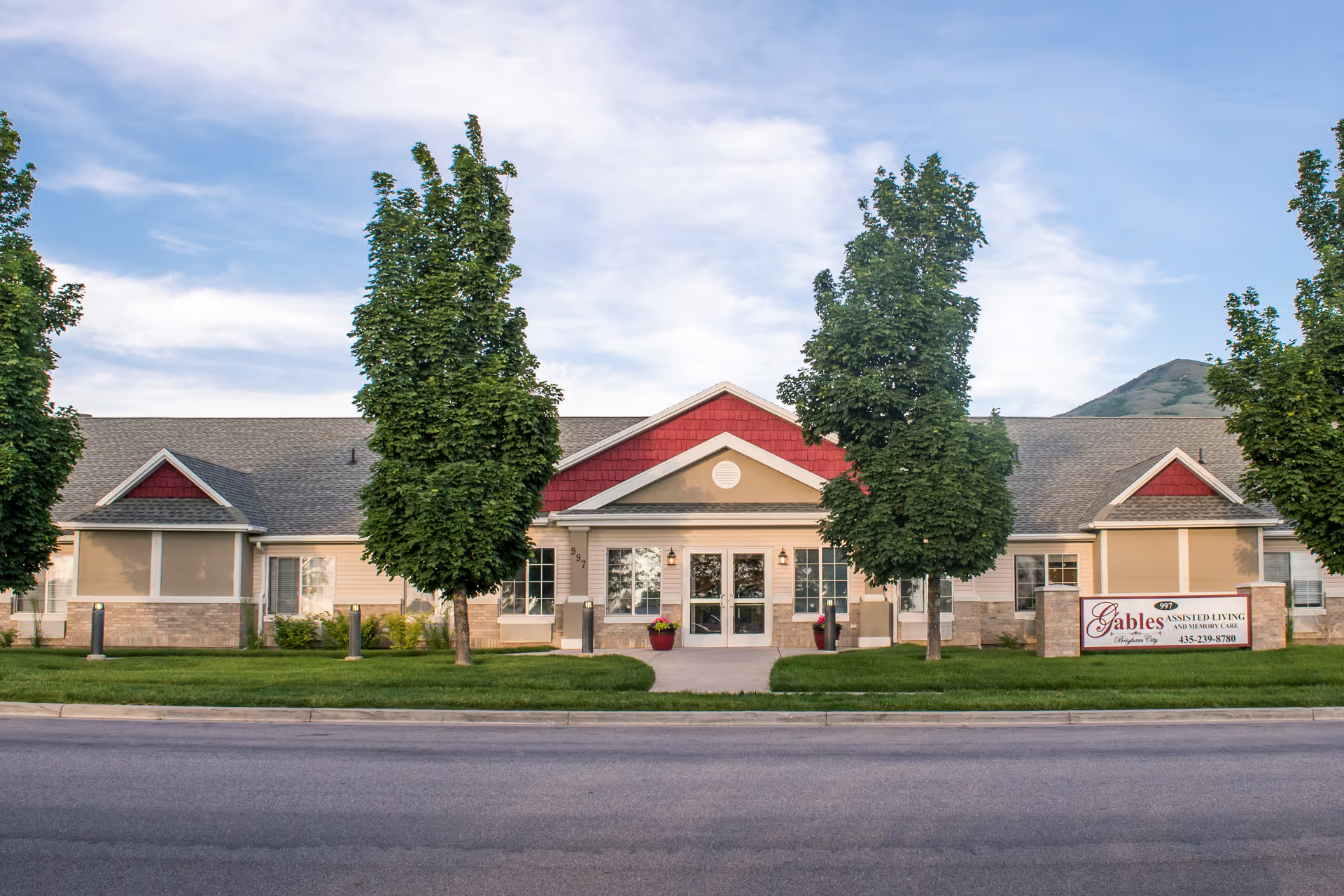
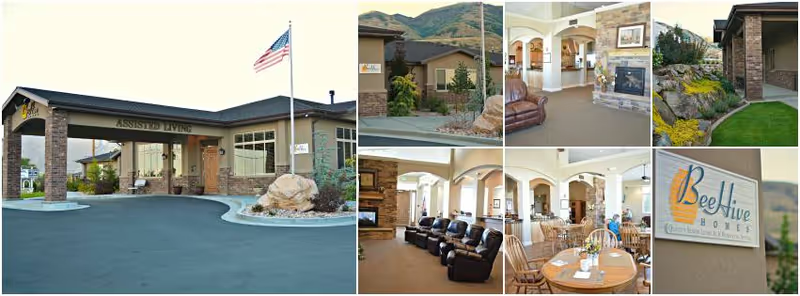
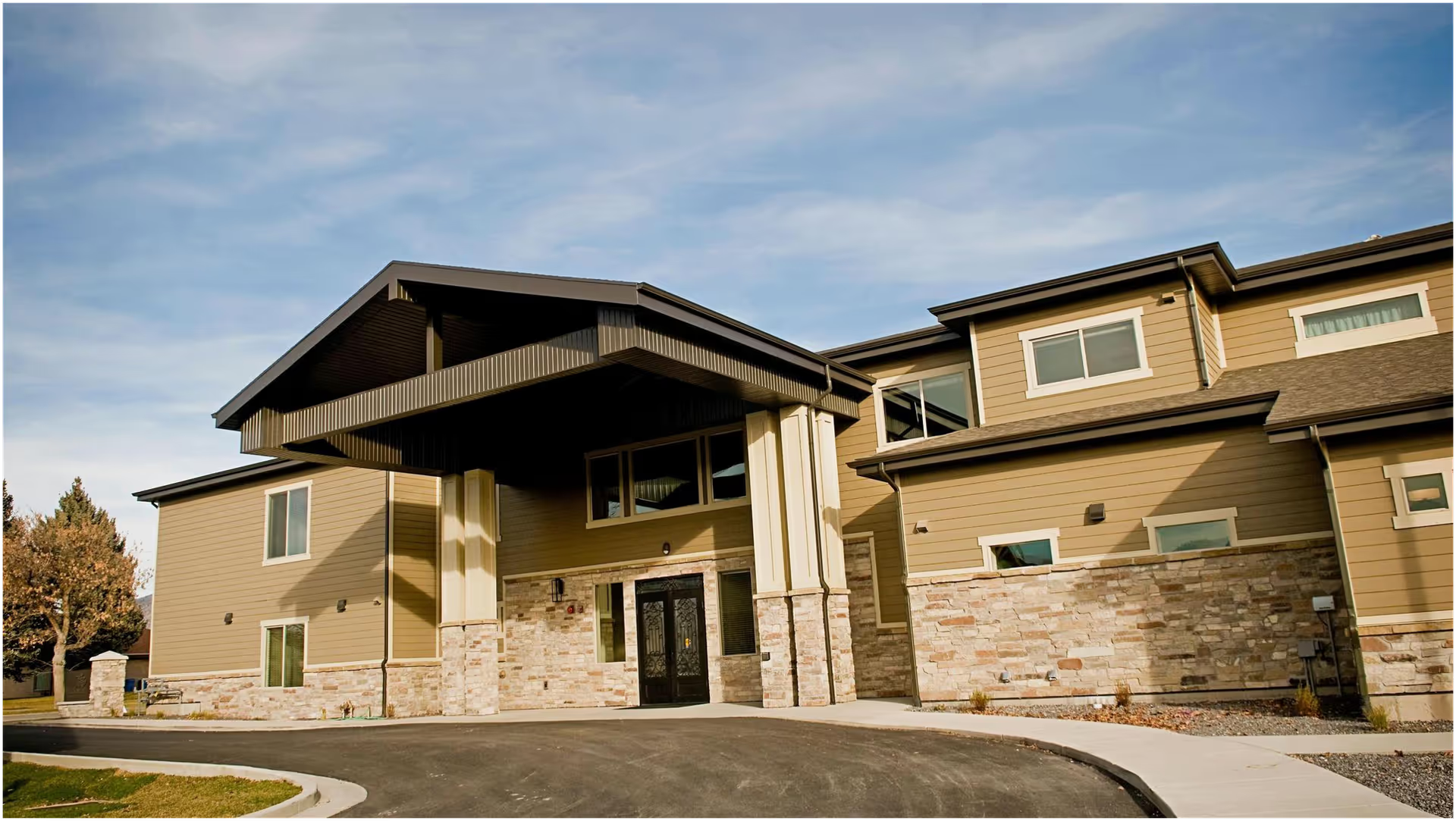
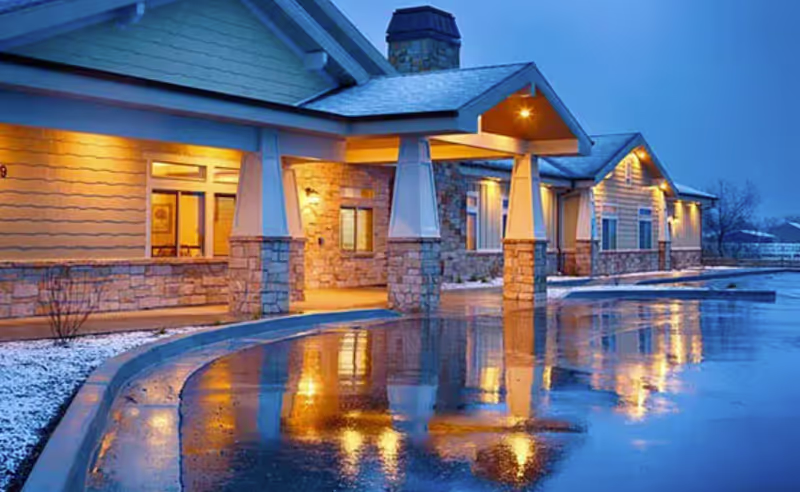
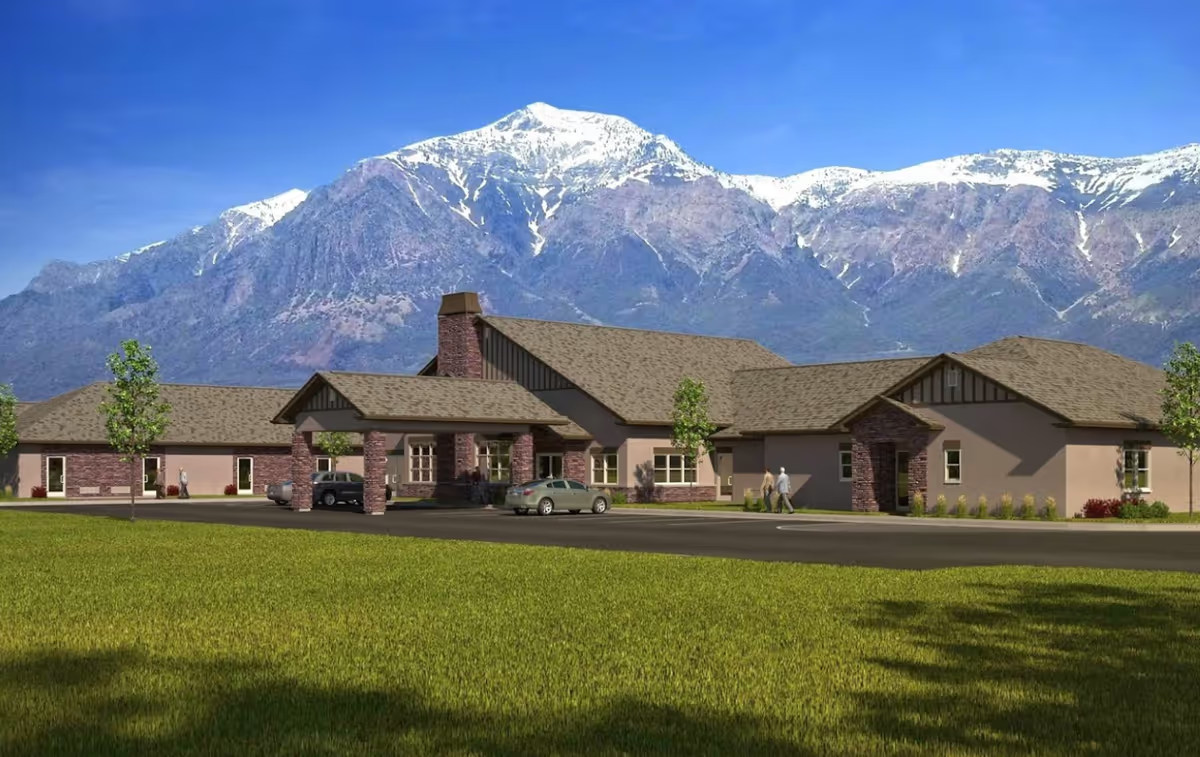
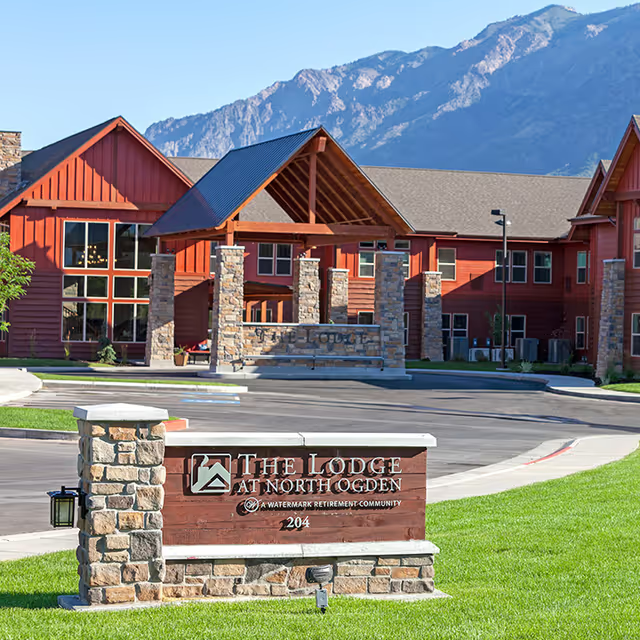
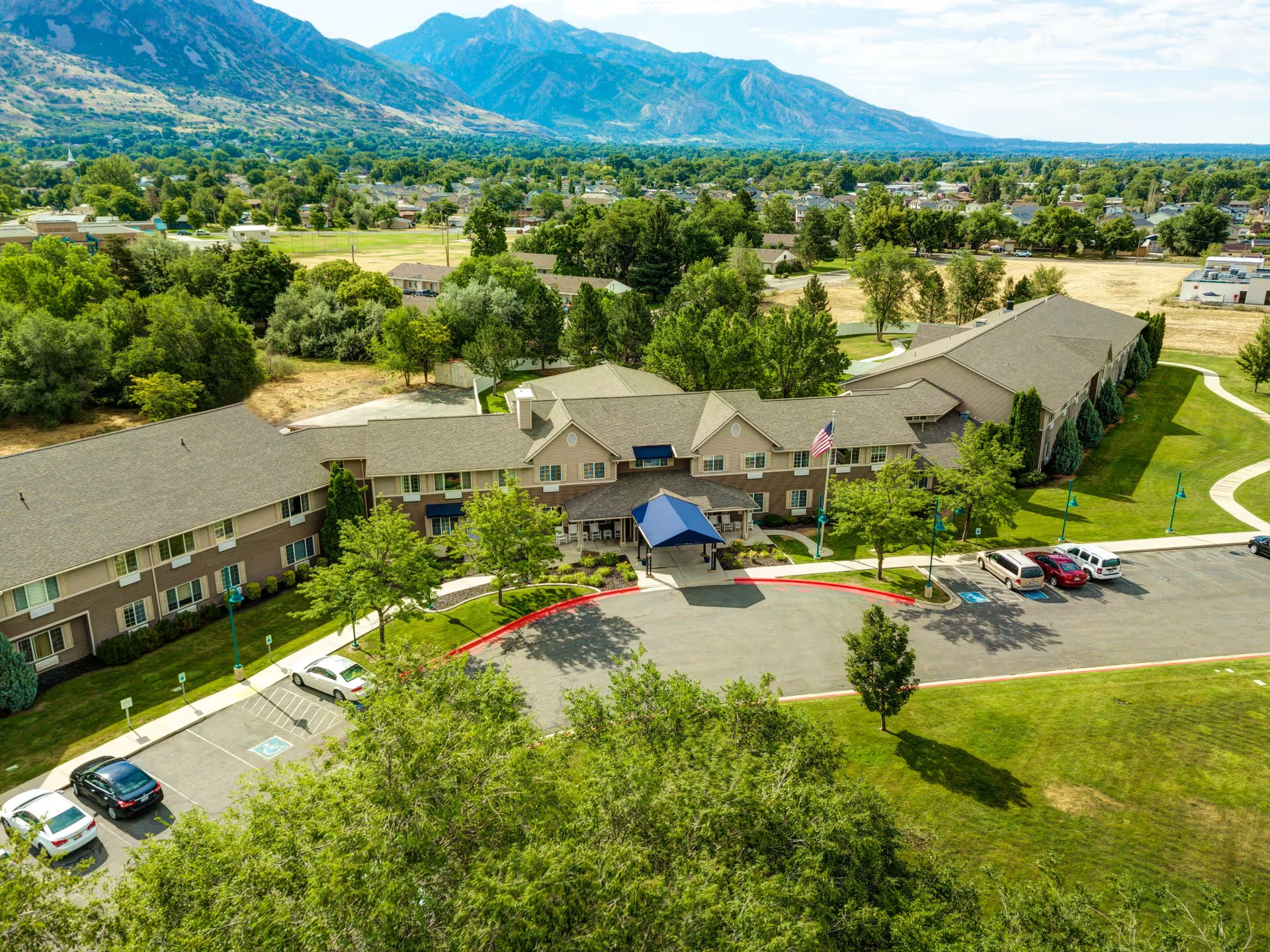
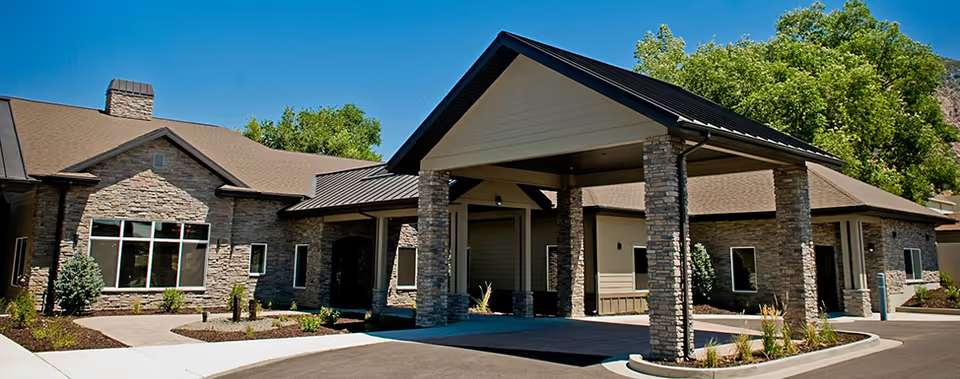
Facility and maintenance issues are a recurrent theme affecting the environment of care. Reviewers noted water leaks, insulation and shower-hose problems, and pest-control concerns that point to gaps in routine maintenance and environmental services in parts of the building. Conversely, many others describe clean rooms, pleasant views, and well-kept common areas, indicating the facility’s physical condition may be uneven across units or over time. Therapy spaces and activity areas were praised for programming but criticized by some for noise levels or layout (for example, a busy therapy room with loud music), which can affect the rehabilitation experience.
Dining and nutrition receive mixed but generally favorable comments: the kitchen is often described as following dietary plans and providing adequate meals, with some praise for portion size and food quality; however, there are occasional notes about inconsistent adherence to dietary needs and variable food preferences. Property management and resident belongings are an operational concern for some families, who described difficulties obtaining reimbursement or resolving missing-item issues; this suggests the facility’s inventory and restitution processes could be clarified.
Management and communication present a mixed picture. Many reviewers single out individual staff members and departments for exemplary care and engagement, creating a family-like culture appreciated by residents. At the same time, families reported rigid visitation procedures, slow administrative responsiveness, and in some cases privacy and records-management problems. Overall, the pattern is one of strong caregiver-level performance tempered by facility-level variability in maintenance, staffing consistency, clinical governance, and administrative processes.
For prospective residents and families: during a visit ask about current staffing ratios and typical call-light response times, how bathing and toileting assistance schedules are managed, the facility’s incident-reporting and clinical-governance structure (including supervision of licensed staff), procedures for handling personal-property losses and reimbursements, pest-control and maintenance schedules, visitation flexibility, and how dietary and rehabilitation plans are individualized and monitored. These specific questions can help determine whether the facility’s strong caregiver culture is matched by consistent operational practices in the unit you are considering.