Overall impression: Highland Care Center elicits a wide range of experiences. Many reviewers praise the clinical therapy teams and core nursing staff for effective rehabilitation, individualized therapy plans, and compassionate bedside care. At the same time, recurring operational weaknesses — particularly around staffing, frontline aide performance, and communication — generate significant variability in day-to-day resident experience.
Care and clinical services: The facility’s physical, occupational and speech therapy programs are consistently described as strong. Therapists are frequently credited with measurable functional gains, confidence-building, and practical home-safety training. Nursing staff are often characterized as professional and attentive; however, families also describe inconsistent nursing-aide performance. Key clinical concerns raised across reviews include medication-administration delays or misplacement, slow responses to assistance requests, and gaps in timely post-fall and wound-care response. These patterns suggest that while licensed therapy and nursing roles perform well at times, operational constraints affect reliability for some personal-care tasks.
Staff and conduct: Reviews portray a mixed staff profile. Many individual nurses, therapists, and administrators receive high marks for empathy, communication, and advocacy. Conversely, credentialing and training for some CNAs and agency staff are described as inconsistent, and reviewers describe variable conduct and bedside technique. Short staffing and high workload are commonly cited drivers of delayed assistance, long call-light waits, and uneven care coverage. Families describe needing to advocate frequently to secure timely attention or medication administration.
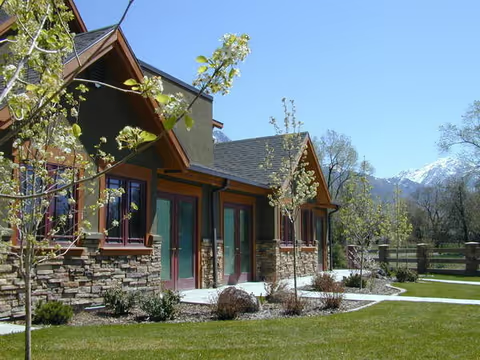
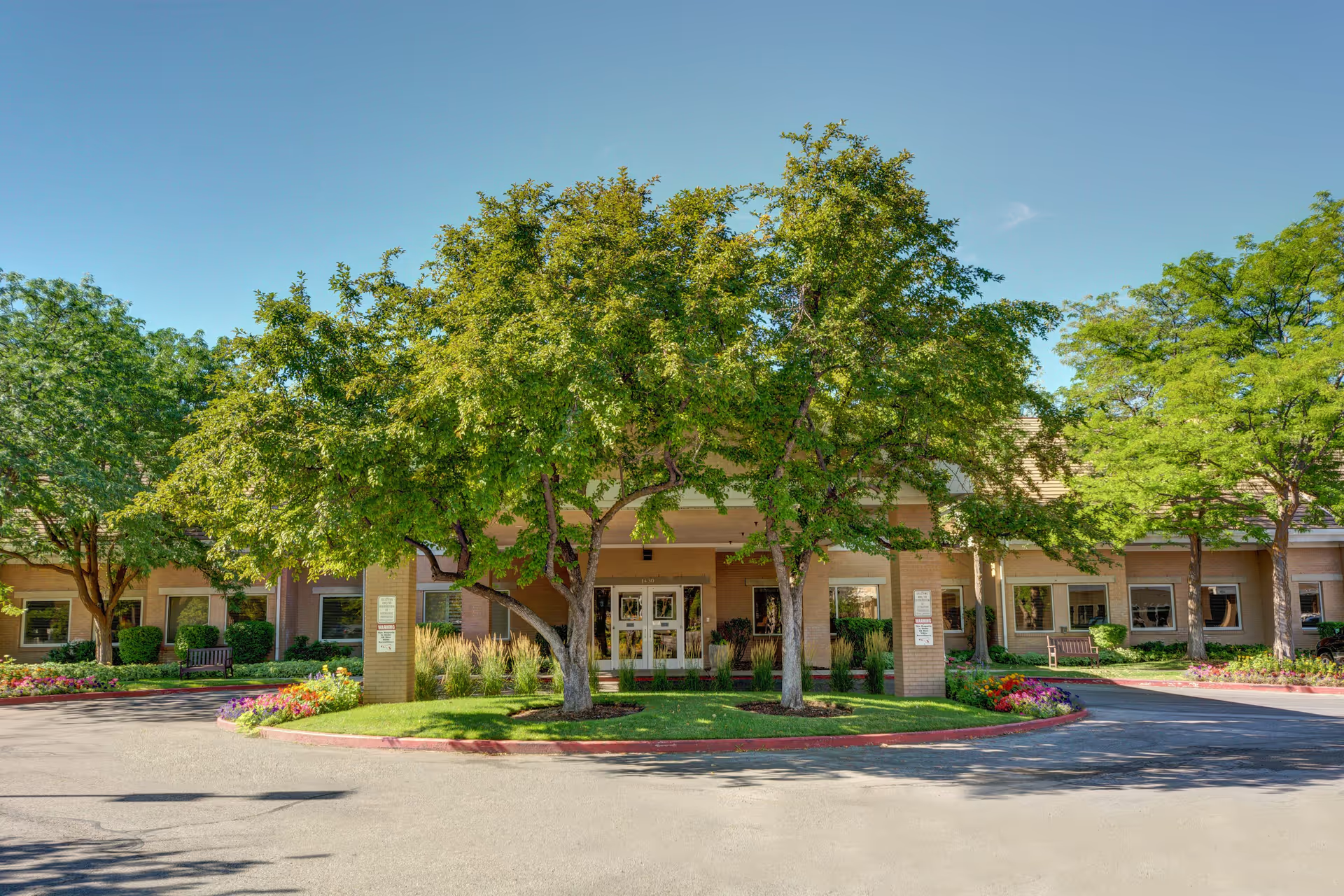
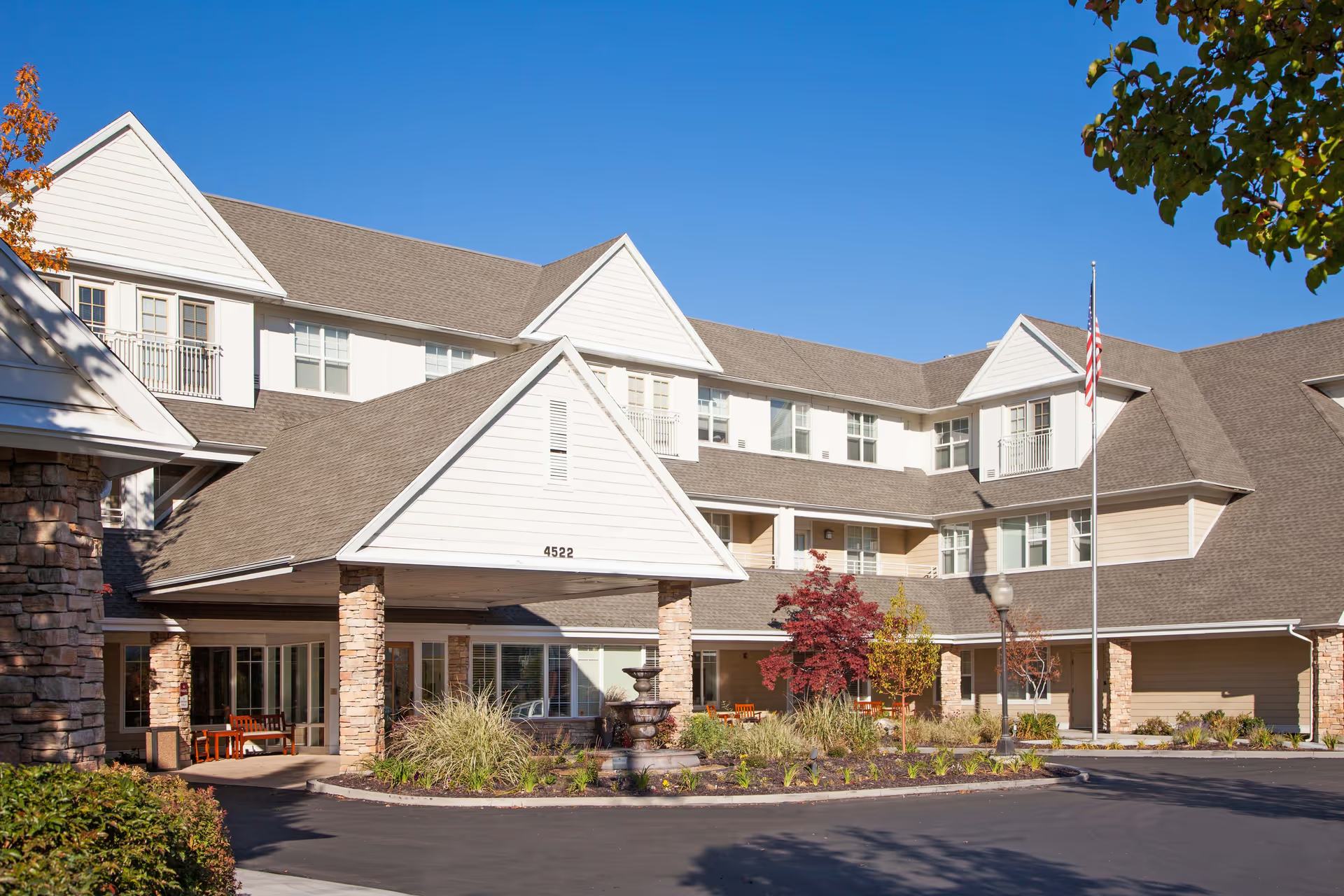
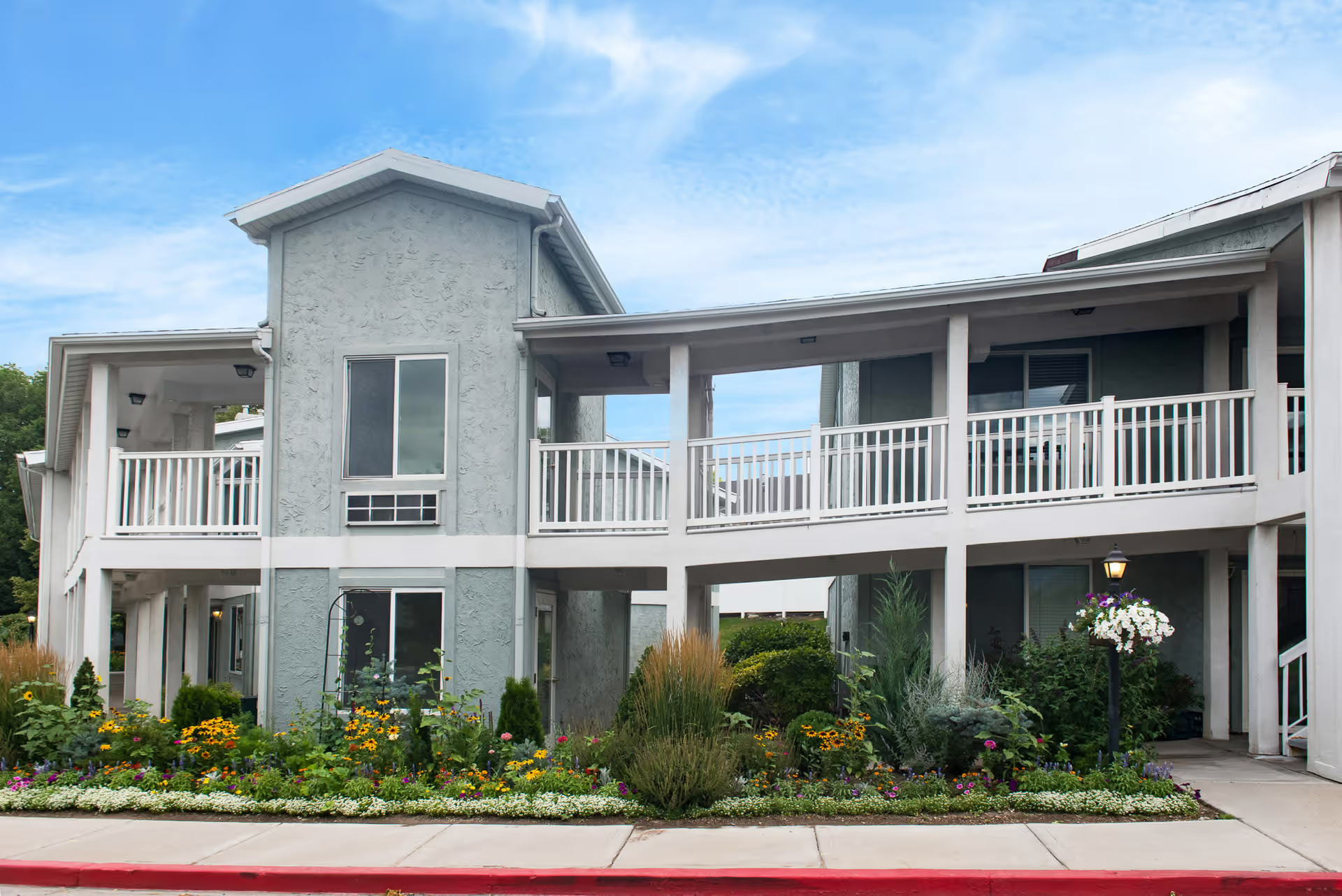
Dining, activities and environment: Dining and activities are recurring strengths. Numerous accounts praise varied menus, accommodating portion preferences, and a lively calendar of social and therapeutic activities that promote engagement. Common areas, recent redecorating projects, and grounds/landscaping receive positive comments for being welcoming. That said, some residents experience inconsistent meal fulfillment (incorrect orders or missed meals) and localized sanitation or housekeeping lapses in resident rooms or certain bathrooms.
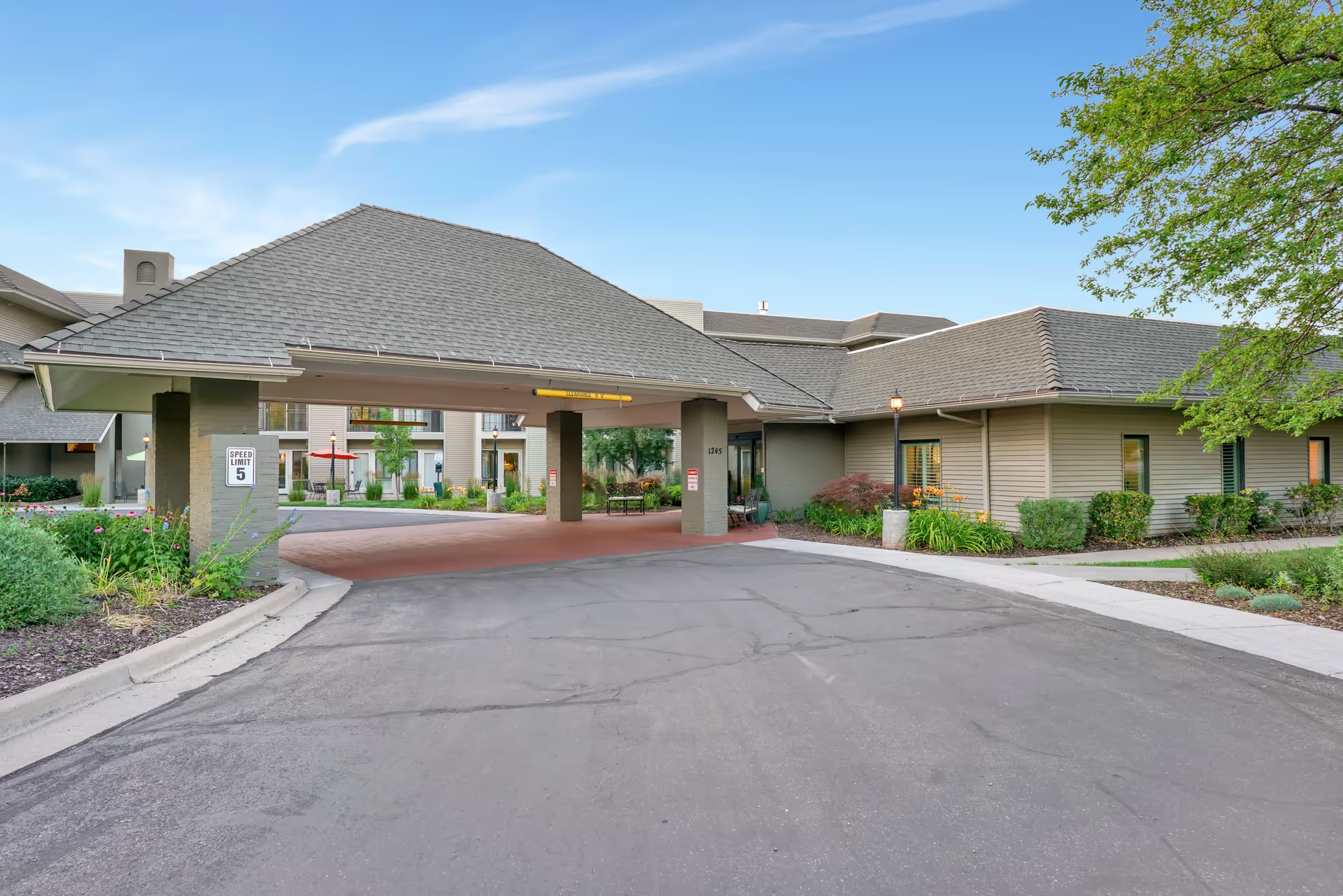
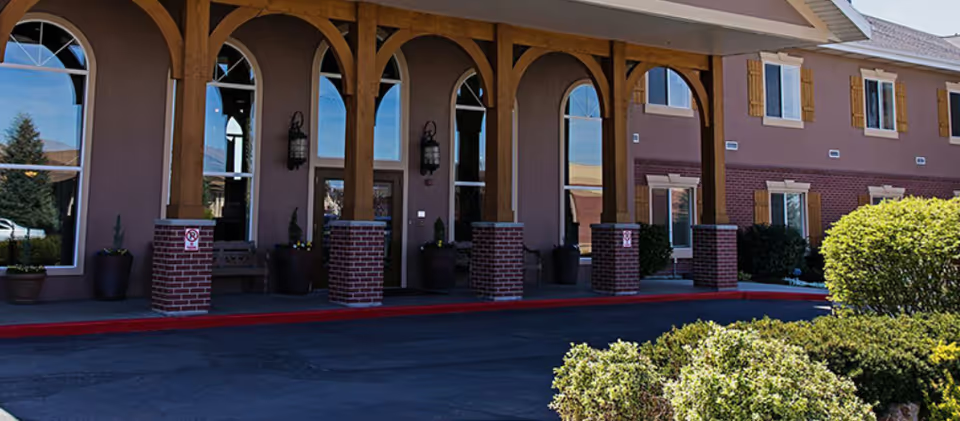
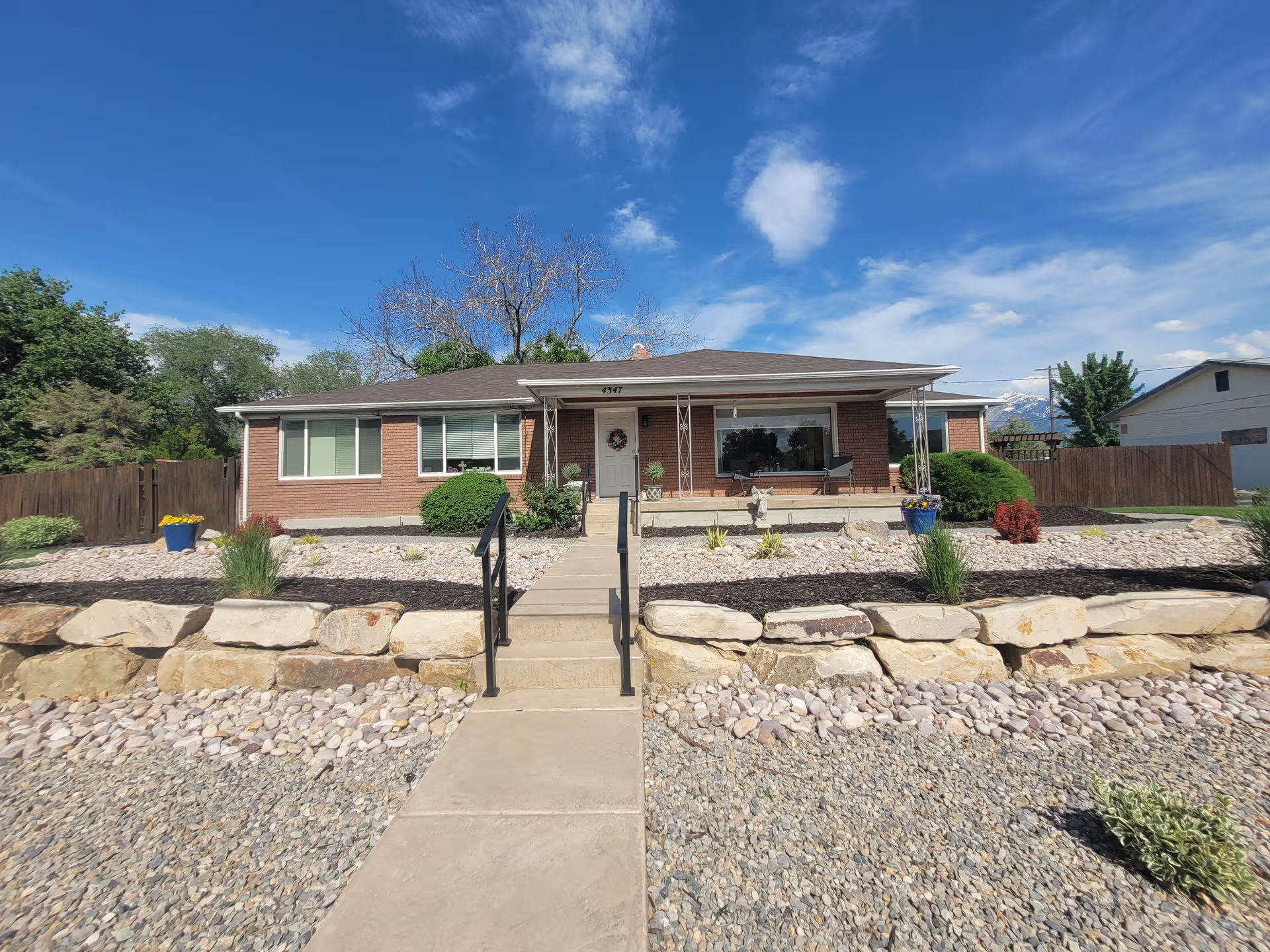
Facilities and safety: Physical plant updates and attractive common spaces are noted positively; outpatient and in-home therapy options extend the facility’s reach. Persistent facility-level issues include variable room cleanliness, uneven temperature control in certain wings, limited in-room bathroom availability for some accommodations, and supply/equipment shortages (including wheelchairs or adapted equipment). Several reviewers described concerns about transfer and transport safety practices and requested clearer documentation and incident follow-up.
Management and communication: Leadership impressions are polarized. Many families commend responsive administrators, social-work support, and efficient admissions/insurance assistance. Other families report inconsistent communication, difficulty contacting leadership, and dissatisfaction with how clinical incidents are escalated or documented. A practical consequence is that families often feel the need to monitor care closely and engage directly to resolve issues.
Notable patterns and guidance: The dominant pattern is strong rehabilitative capability and pockets of highly attentive clinical staff coexisting with operational variability tied to staffing, aide training, and communication. Prospective residents and their families would benefit from an in-person tour (including different wings), direct questions about average staffing levels, medication-administration protocols, incident-reporting processes, availability of private bathrooms, and the timing of therapy initiation after admission. These checks can help set expectations and highlight the facility’s strong therapy resources while clarifying how it manages the operational gaps other families have experienced.