Spring Creek Healthcare Center elicits a broad range of experiences that cluster into two dominant themes: strong clinical rehabilitation and many committed frontline caregivers, alongside recurring operational and communication weaknesses. The therapy and rehabilitation program is a clear strength in multiple accounts — physical and occupational therapists, restorative staff, and the wound-care team are frequently credited with measurable functional improvement. Many reviewers also singled out individual nurses, CNAs, and support staff for compassionate, family-style care and effective advocacy for residents.
At the same time, reviewers describe substantial variability in nursing and ancillary care. Night coverage, call-response times, and overall staffing ratios are identified as persistent pressure points; these staffing challenges appear to affect timely assistance with transfers, toileting and bathing support, and supervision of higher-acuity residents. Several accounts raise concerns about staff training for dementia care and safe transfers, suggesting that high-needs residents are at greater risk when experienced personnel are not available.
Dining and activities are mixed but generally positive. The facility offers varied meal choices and chef-prepared items that many residents enjoy, and the activities program is described as engaging, modern, and able to provide individualized one-on-one sessions. However, there are recurring notes that clinical dietary accommodations—particularly for diabetes—are inconsistently implemented, and some families observed cold or unsuitable meals on occasion.
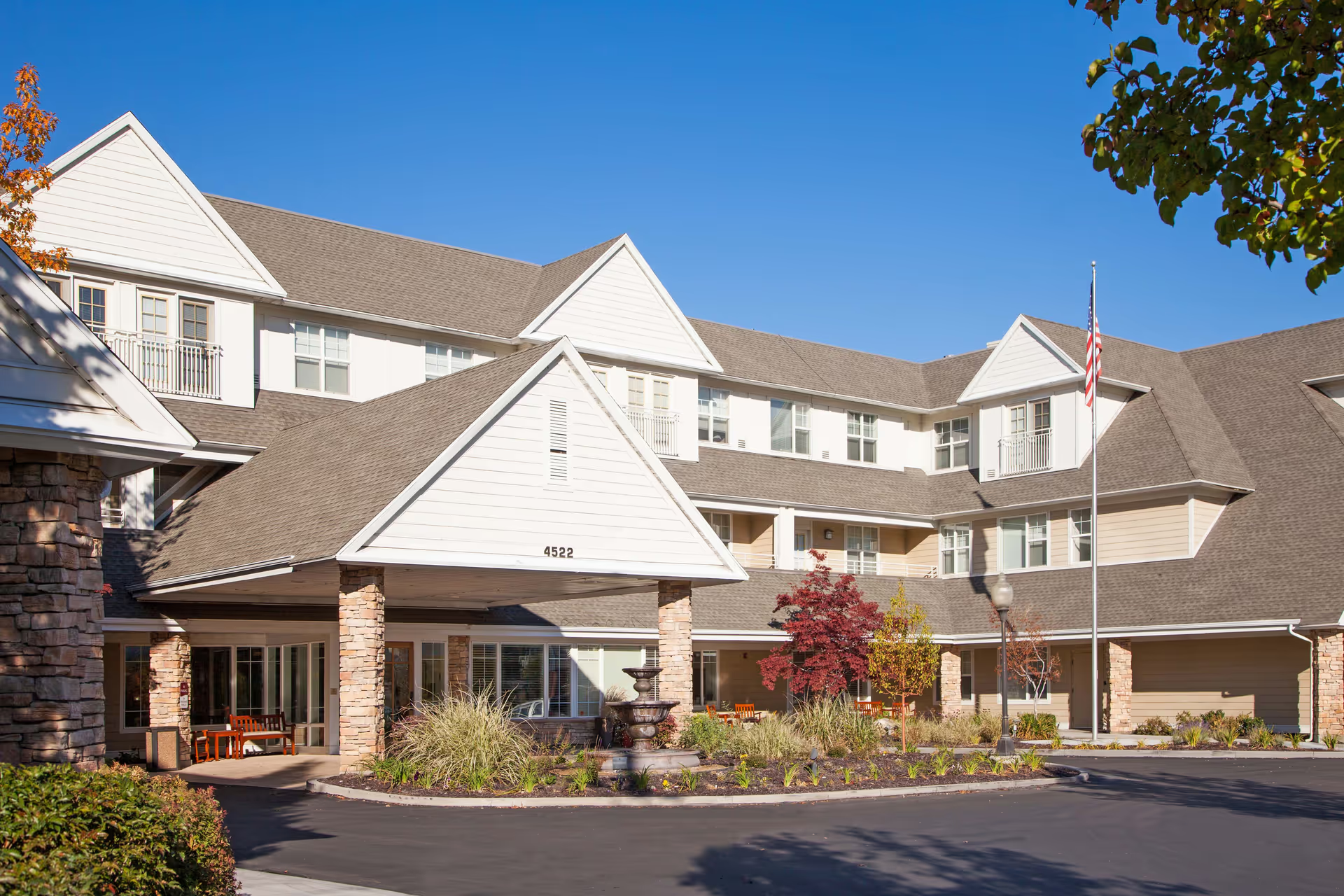
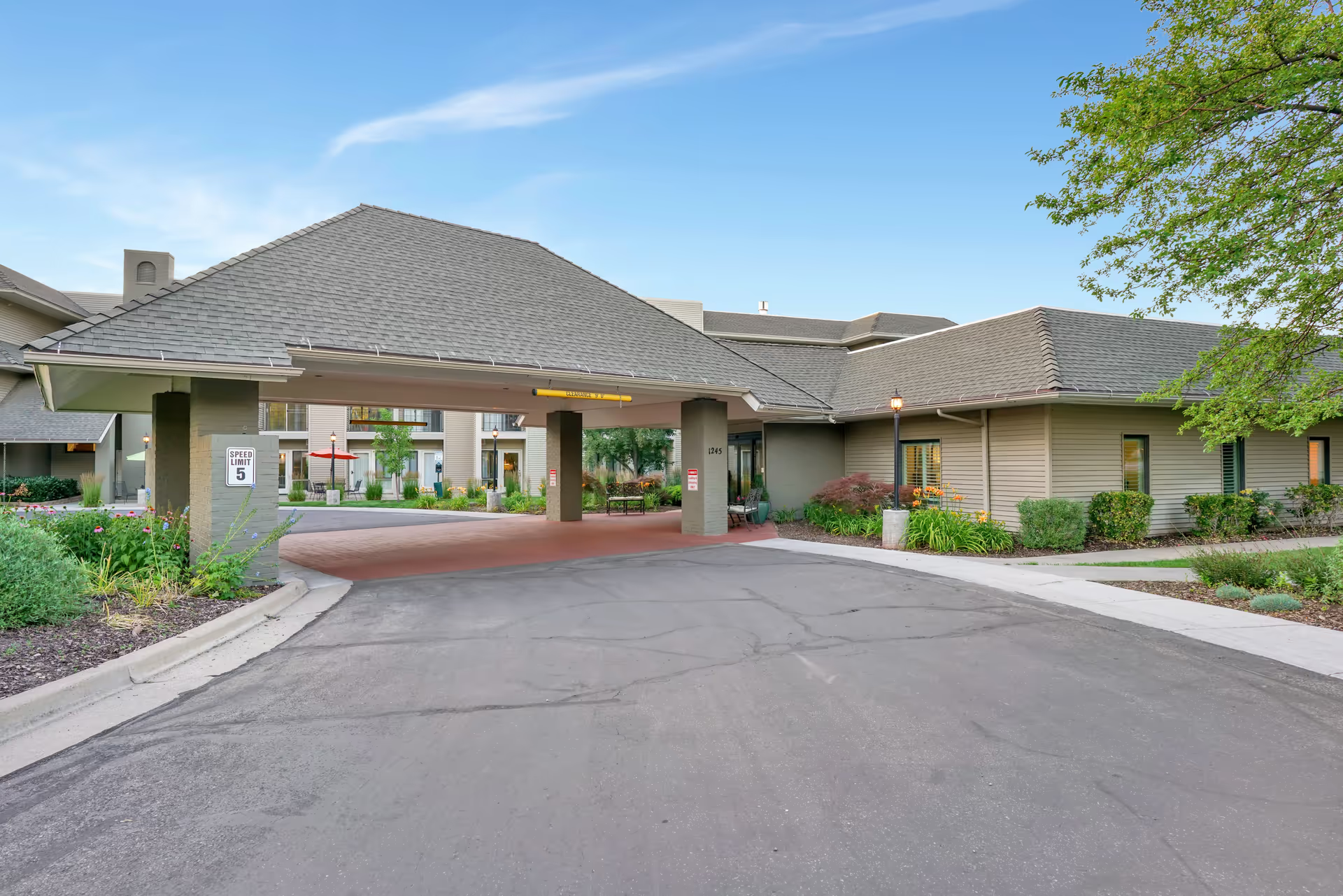
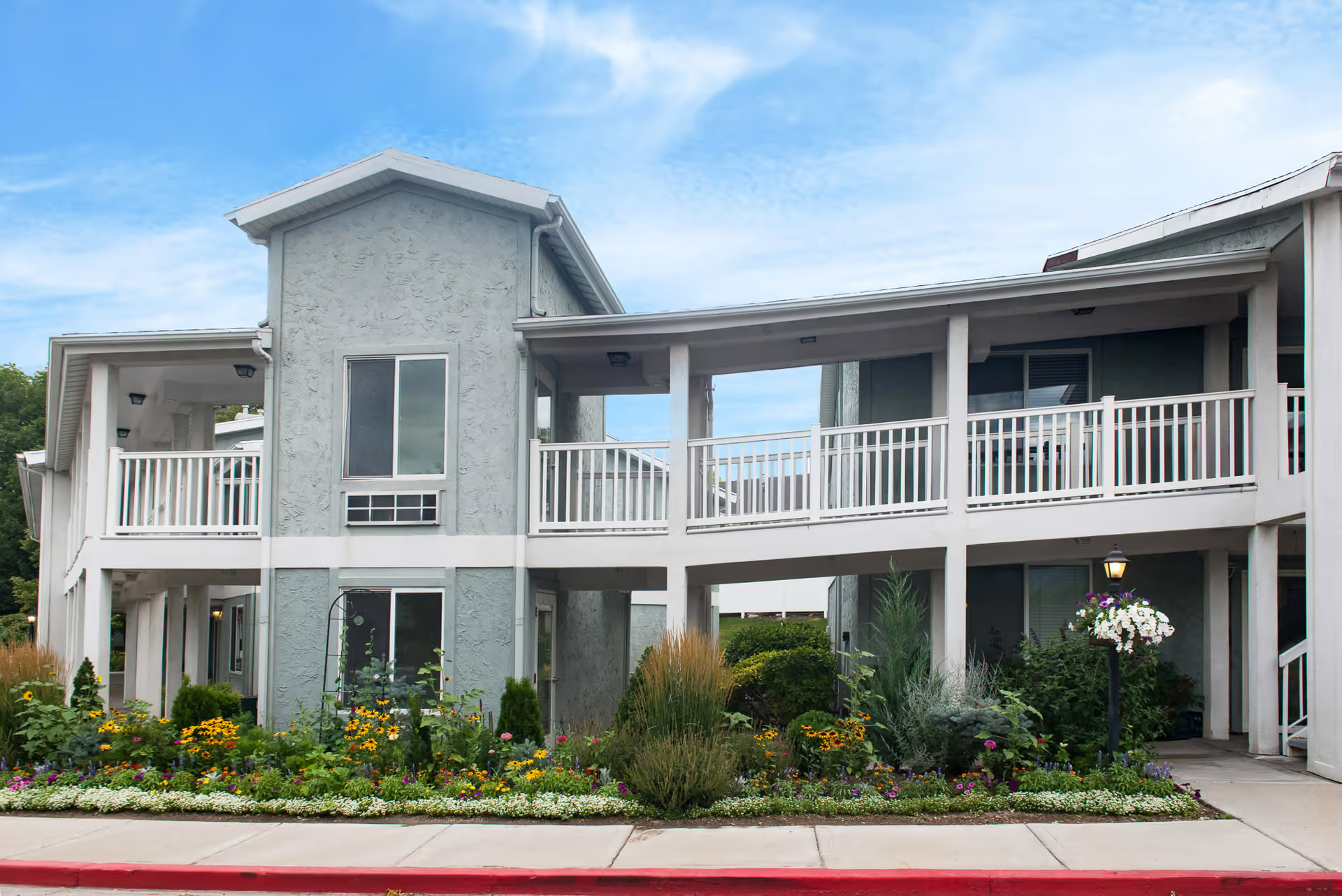
Facility condition and housekeeping show a split pattern: some reviewers praise cleanliness, routine maintenance, and recent room refurbishments, while others note older building limitations, accessibility constraints (tubs versus showers), and intermittent sanitation or odor concerns in particular areas. Maintenance and renovation efforts under newer management were specifically highlighted by families who observed improvements.
Management and communication are another area of divergence. Positive accounts describe responsive admissions, involved administrators, and social-service coordinators who facilitate care transitions. Conversely, several reviewers cited long phone holds, unreturned calls, paperwork delays, and inconsistent discharge documentation. There are also serious individual allegations in some accounts—including missing belongings, problematic discharge coordination, and medication irregularities—that underscore weaknesses in personal-property controls, discharge planning, and medication oversight. These incidents appear less uniformly experienced than the operational patterns described above, but they are significant when they occur and merit follow-up.
Overall, Spring Creek appears to offer strong rehabilitative services and a cadre of attentive front-line staff, while facing systemic operational challenges typical of an older facility undergoing leadership and staffing transitions. Prospective residents and families may find excellent hands-on care from therapists and many CNAs, but should carefully review care plans for high-acuity or dementia needs, confirm dietary and medication protocols, and ask specific questions about staffing levels, night coverage, discharge procedures, and property safeguards before placement.