Reviews of Aspen Assisted Living are mixed, with clear positive elements linked to daily life and notable operational concerns that have affected some families. Many accounts emphasize a warm, small-community atmosphere: residents are described as happy, common areas are kept clean, and the dining room is highlighted as attractive. Several reviewers singled out individual caregivers and nurses for their attentiveness, noting timely hot meals and conveniences such as room climate controls. These aspects suggest the facility can deliver a family-like, resident-centered experience when staffing and leadership are stable.
Care quality and staffing show a split pattern. On the positive side, reviewers praised dedicated CNAs and nursing staff who create an engaging and upbeat environment. Conversely, multiple accounts describe periods of understaffing, overworked care and kitchen personnel, and inconsistent responsiveness to resident needs. These staffing pressures are tied to concerns about reliability of day-to-day care and about follow-through on individualized care plans and administrative promises.
Dining and activities are often cited as strengths: meals are described as hot and timely, and the dining environment is attractive and social. At the same time, strain on kitchen staff and staffing inconsistencies raise the possibility of intermittent disruptions to meal-service continuity. Activity programming is less frequently detailed in the reviews provided; the prevailing impression is of a small, social community with spontaneous resident interaction rather than a highly structured activity roster.
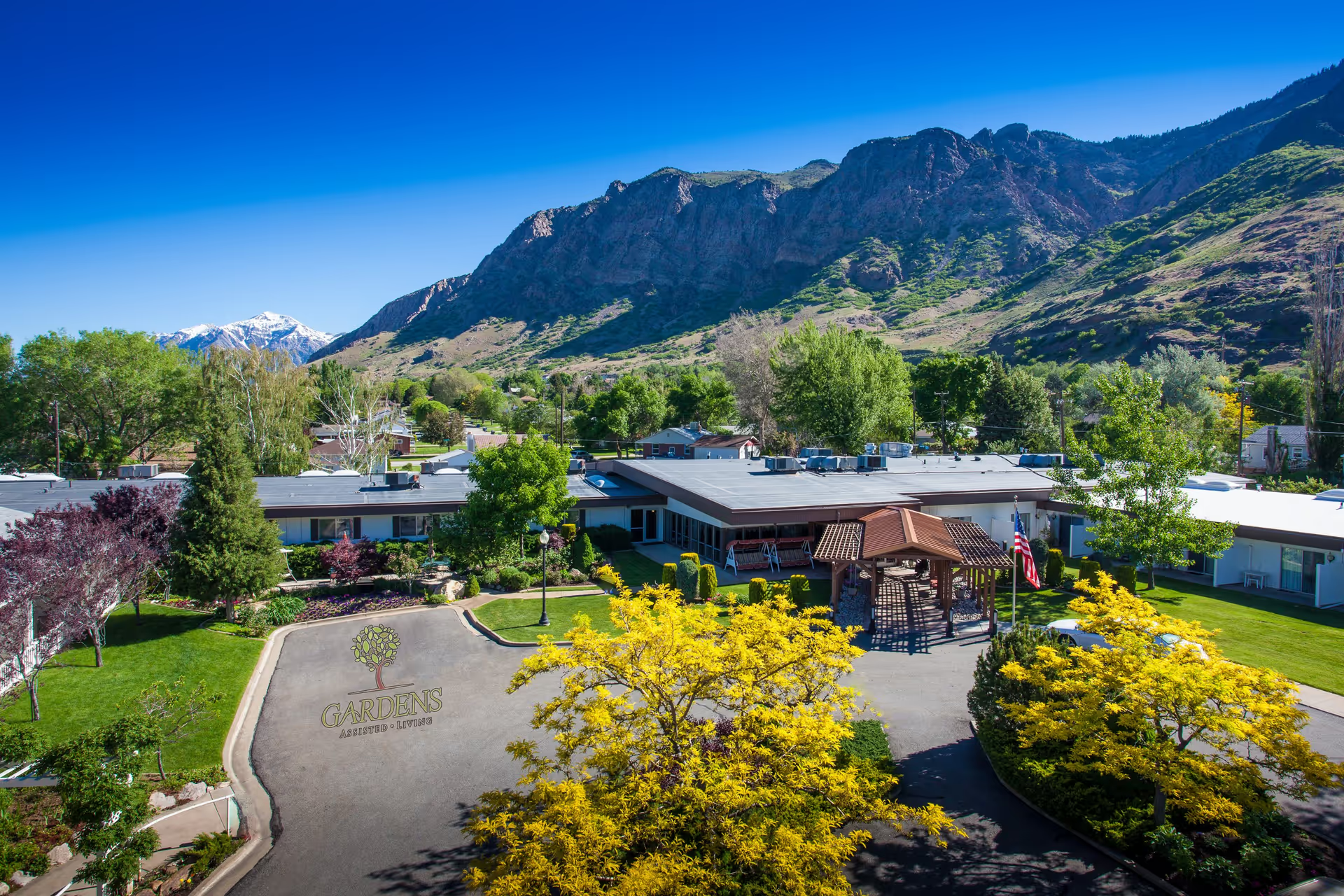
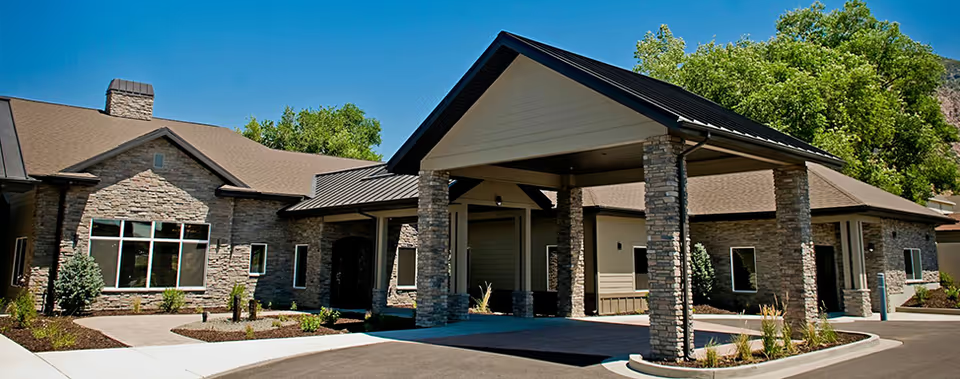
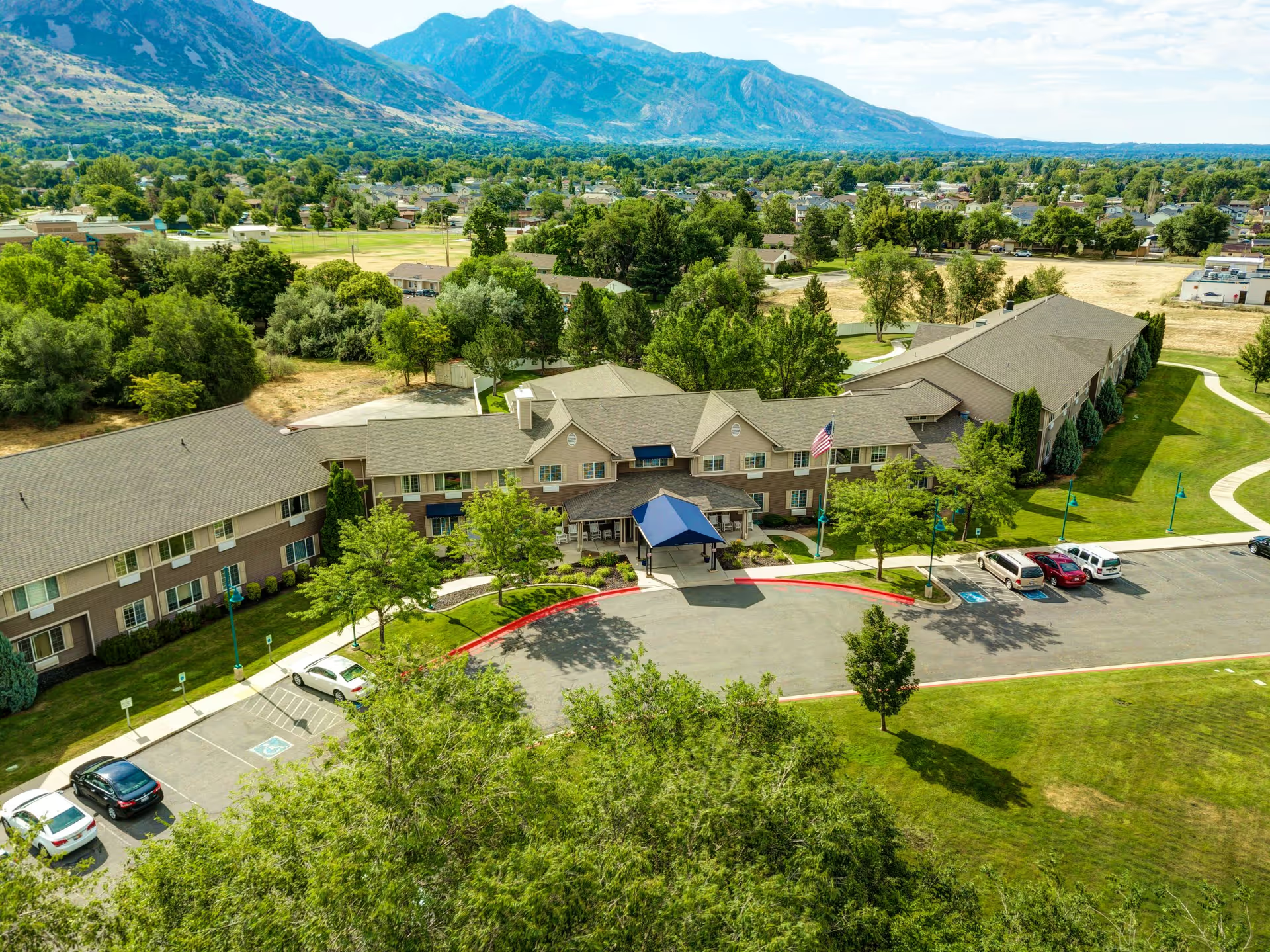
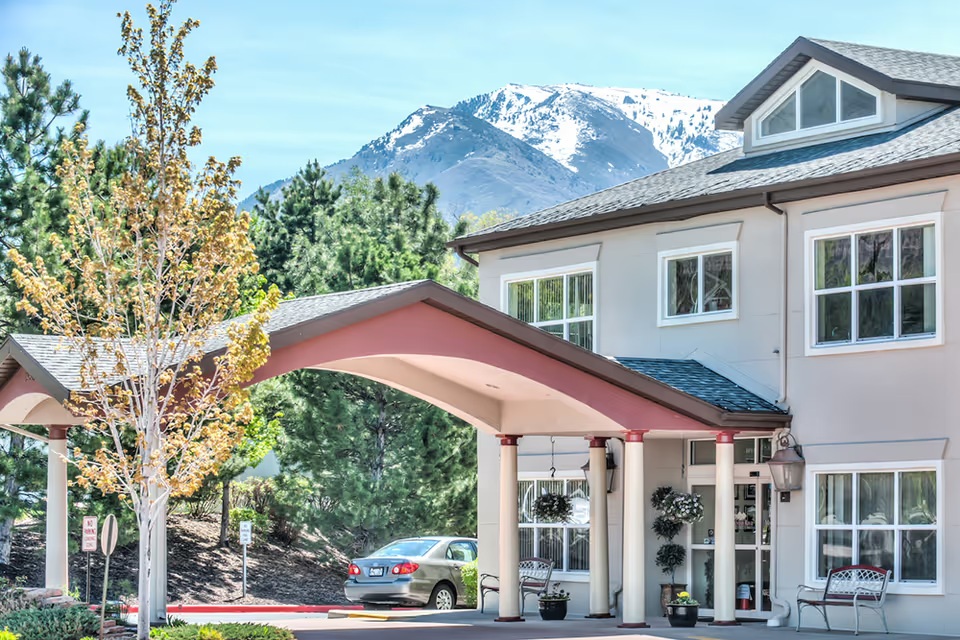
Facility condition is another mixed area. The building’s age contributes to a homier atmosphere and reviewers repeatedly note clean, well-maintained common areas and acceptable private rooms. However, several reports raise mold, moisture, and indoor air–quality concerns that families linked to health issues; there are also described gaps in privacy protocols such as unannounced room entry. These are operational issues that prospective residents should ask about directly, including recent remediation work and air-quality monitoring.
Management and communications are a recurrent theme. Early praise for named leaders and specific staff members contrasts with accounts of leadership turnover and perceived decline after administrative changes. Some reviewers noted limited access to administrative contacts, insufficient help with paperwork, and a sense that financial processes sometimes take precedence over individualized resident preferences. There are also serious claims in the record, including allegations of staff theft and mentions of regulatory attention; these items suggest prospective families should review the facility’s compliance history and any corrective actions.
Overall, Aspen Assisted Living appears capable of providing a warm, community-oriented experience with dedicated caregivers and pleasant dining, particularly when leadership and staffing are stable. At the same time, persistent operational weaknesses — staffing consistency, privacy protocols, environmental maintenance, and administrative follow-through — have led to significant concerns for other families. Prospective residents and their families would be advised to tour the facility, meet current care staff and leadership, request documentation of recent compliance and remediation activity (including air-quality/mold remediation), inquire about staffing ratios and contingency plans, and obtain references from current families before deciding.