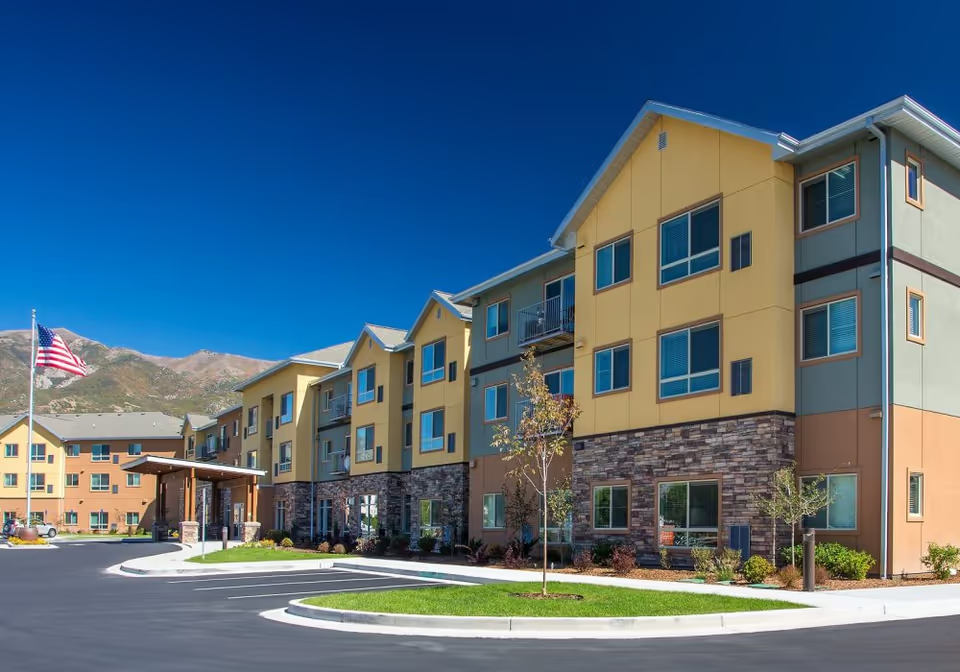
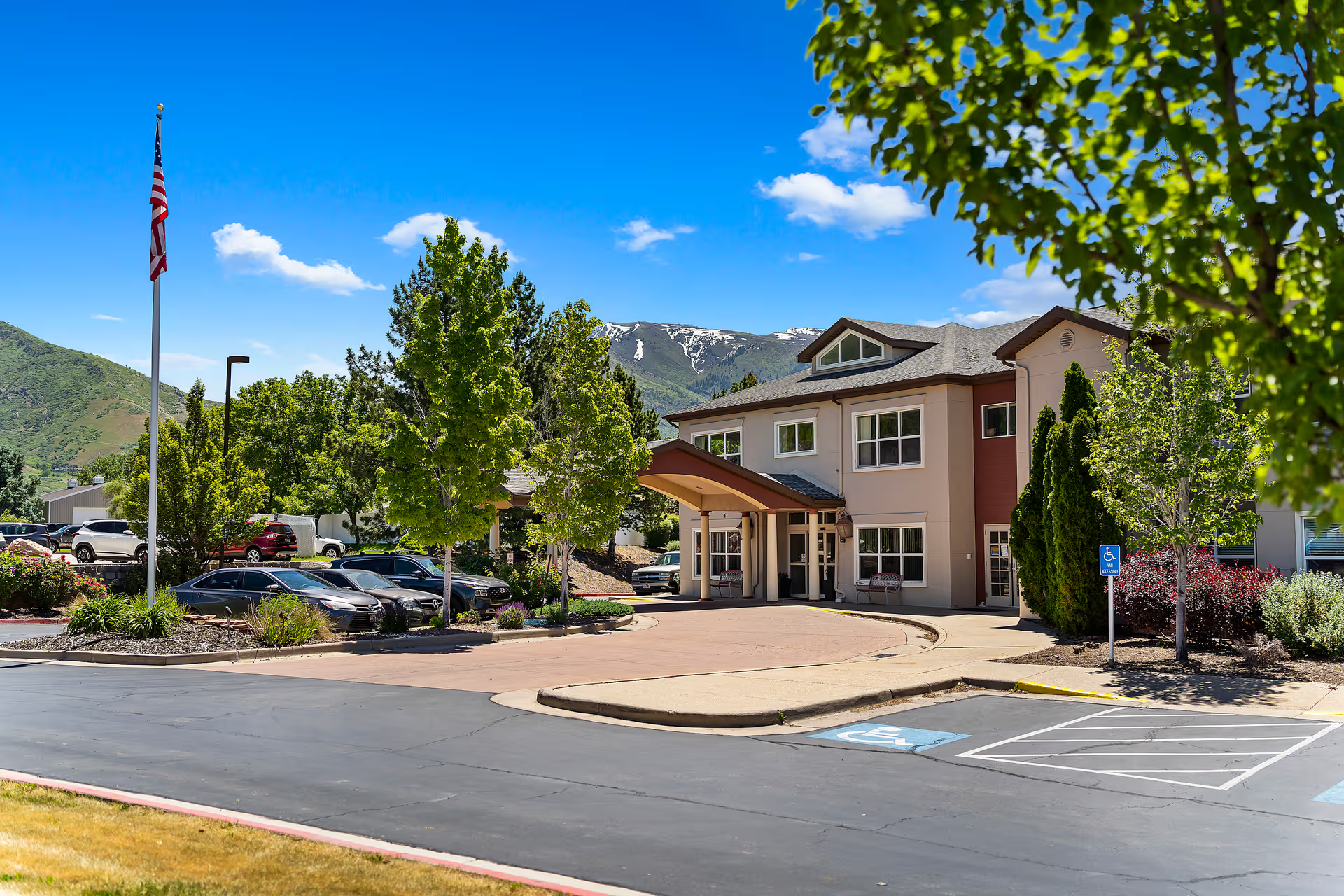
Reviews of Pine View Transitional Rehab present a mixed but discernible pattern of strengths and operational weaknesses. The facility receives frequent praise for its direct-care staff and therapy teams: many families highlight compassionate, attentive nurses and CNAs, skilled physical and occupational therapists, and staff who engage personally with residents to support recovery and discharge planning. Administration and certain front-line personnel are often described as accessible and helpful, and several accounts note well-executed home-safety evaluations and coordinated discharge preparations. On the facilities side, multiple reviews describe clean, comfortable rooms with hotel-like features, reliable laundry/housekeeping services, and an overall well-maintained environment.
Clinical care quality appears variable across stays. Positive reports emphasize consistent, effective therapy that helped residents regain strength, daily personal-care checks, and proactive discharge planning. However, other accounts raise concerns about clinical oversight — particularly around medication administration and pain control, delays or inconsistency in giving prescribed medications, and uneven physician responsiveness. A small number of reviews describe serious post-discharge adverse events and concerns following a resident's death; these are described as isolated but significant and point to potential gaps in monitoring, medication management, and follow-up communication.
Staffing and operations show contrasting themes. While many reviewers commend individual caregivers for compassion and responsiveness, a recurrent operational issue is inconsistent staffing coverage, especially on weekends. Weekend shortfalls are associated with reduced therapy availability, limited activities, and increased family involvement to fill care gaps. Related operational weaknesses include inconsistent sanitation or linen-change practices between patient stays, and occasional lapses in confidentiality or records handling that raise HIPAA-related concerns.
Dining and amenities are generally a strong point but not uniform. Several reviews describe high-quality, varied meals and an engaged culinary team that offers alternatives and accommodates preferences; other reviewers, however, reported unsatisfactory meal experiences. Activity programming is not widely described as robust; limited weekend therapy and fewer organized activities on off-days were noted.
Communication and management practices show a split pattern. Many families praise administration for being helpful and communicative, and individual staff members receive repeated commendation. Conversely, others report difficulty obtaining timely answers, callers not being returned, staff not introducing themselves, and inconsistent family communication during clinical events. Taken together, these items suggest variability in staff training, handoffs, and consistency of process adherence.
In summary, Pine View Transitional Rehab offers clear strengths in rehabilitation therapy, direct-care compassion, dining (for many), and facility presentation. Prospective residents and families should weigh those strengths against recurring operational concerns: weekend staffing and therapy limitations, medication and clinical-monitoring inconsistencies, sanitation/linen-change variability, and occasional lapses in communication and records handling. Visiting the unit during both weekday and weekend shifts, inquiring specifically about weekend staffing, medication-administration protocols, infection-control and linen-change procedures, and observing therapy schedules may help families assess whether the facility’s operational practices match their expectations for a particular short-term rehab stay.