Overall impression Monument Health Group Millcreek presents a mixed profile: many families and patients describe a clean, newly renovated facility with skilled therapy services and a compassionate direct-care team, while a separate set of experiences points to operational inconsistencies that affect day-to-day care. The facility's physical environment and therapy capabilities are frequently praised, but clinical and service reliability appear variable across shifts and resident episodes of care.
Care quality Clinical strengths include attentive nurses and CNAs, strong skilled therapy programs, and supportive hospice transitions when needed. Several accounts highlight meaningful functional improvement, increased appetite, and reassuring clinical oversight during stable periods. However, a recurring pattern involves delays in medication administration, incomplete medication review or reconciliation, and slow response to residents' care requests. These patterns suggest gaps in medication-management processes and in timely attendance to routine clinical needs.
Staff Staff members are commonly described as compassionate, friendly, and hands-on; admissions and leadership personnel receive consistent praise for professionalism and responsiveness. At the same time, reviews indicate staffing inconsistency between shifts, evidence of staff being overworked or under-resourced, and turnover or retention pressures. Those operational staffing challenges are linked to delayed care, variable attention to personal needs, and occasional need for family advocacy to resolve issues.
Dining and nutrition Dining experiences are mixed. Many families commend the meals as timely, well-presented, and enjoyable, with warm social dining noted. Conversely, other accounts identify skipped trays, ignored dietary restrictions, texture or post-operative feeding concerns, and intermittent meal-quality problems. The pattern reflects uneven meal-service execution and occasional failures in dietary accommodation that may have clinical implications for residents with special diets.
Activities and therapy Therapy and activity offerings are a consistent strength. The facility's therapy rooms and equipment receive positive remarks, and residents are described as engaged by programming and social opportunities. These services are often cited as contributing to recovery and improved morale.
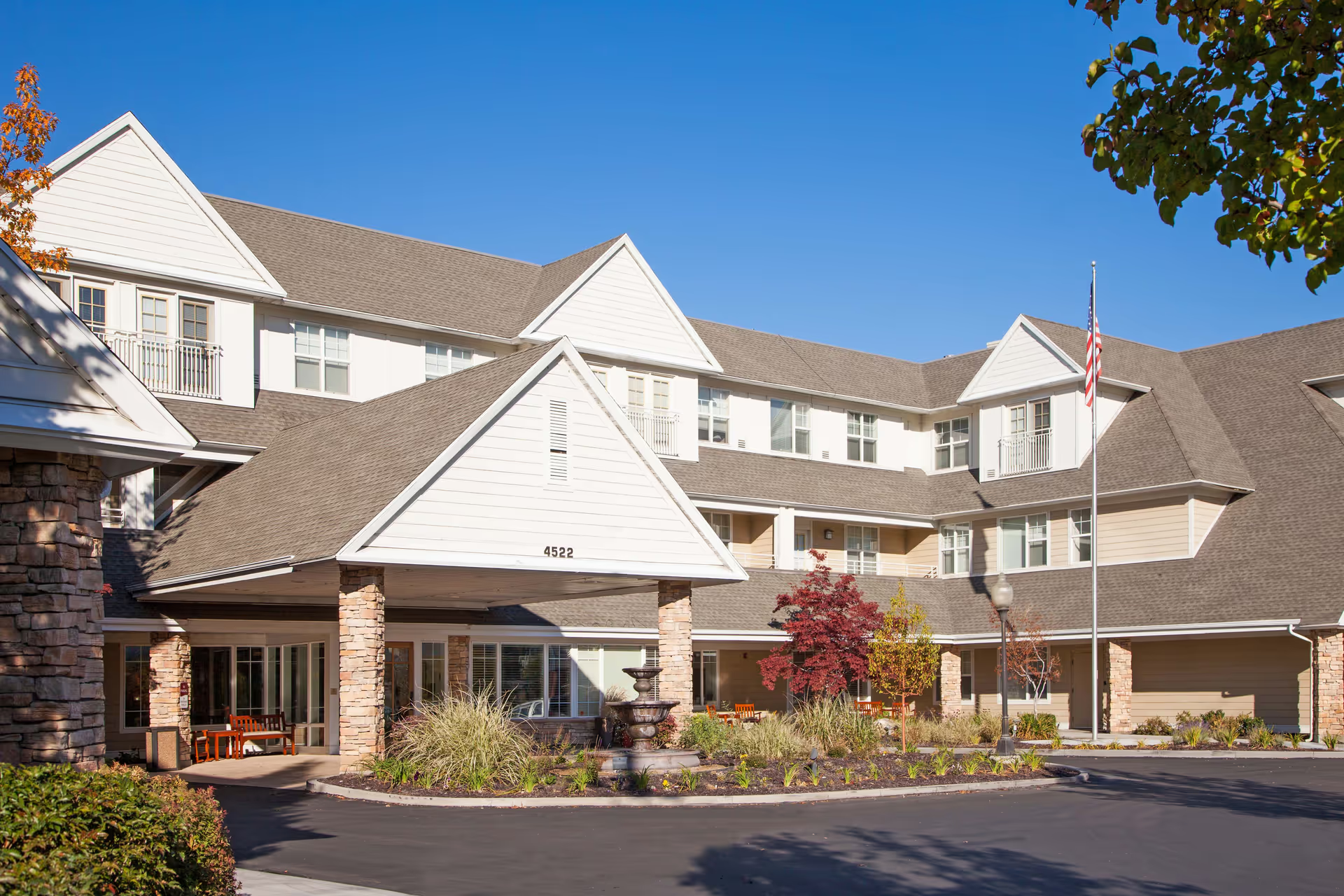
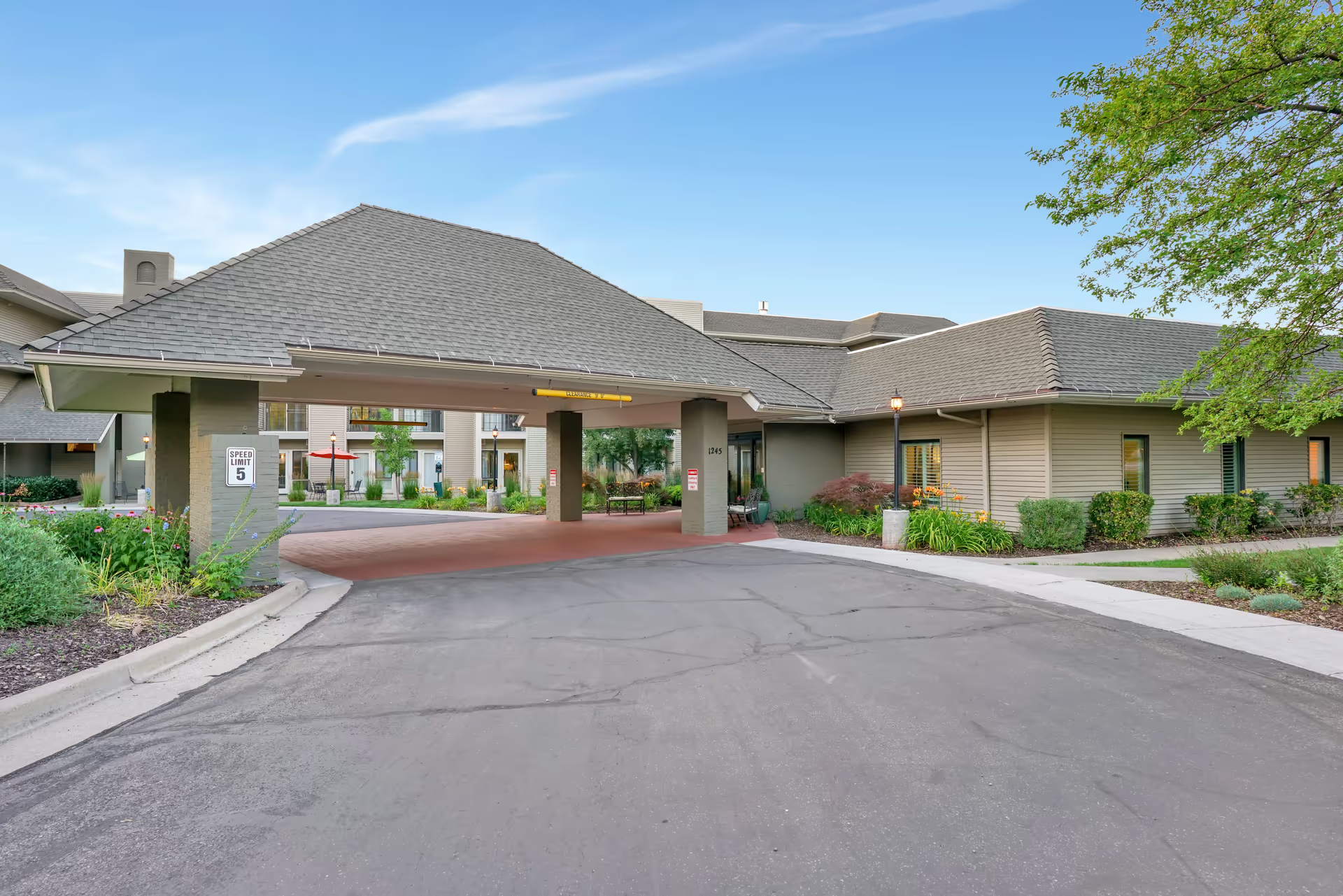
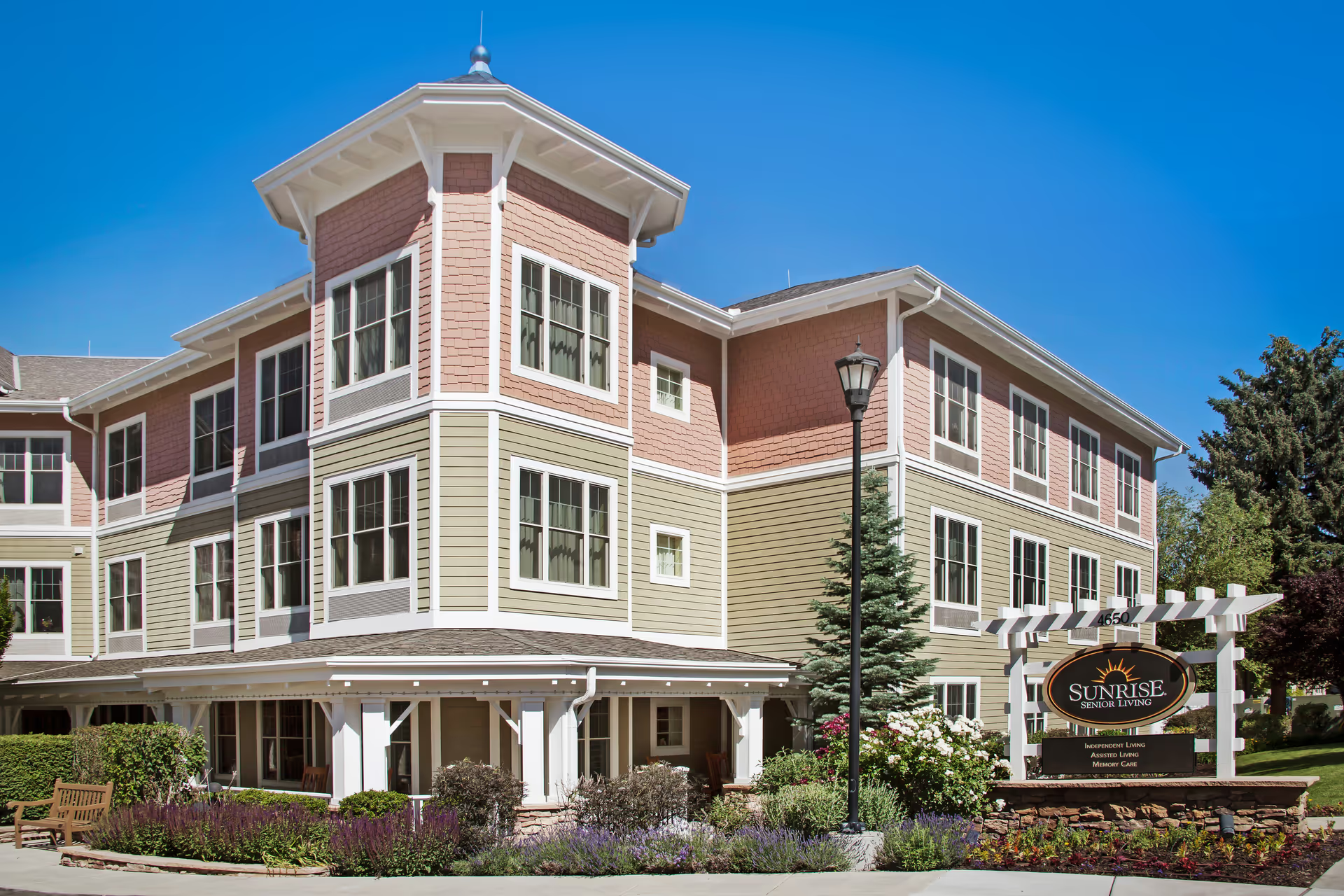
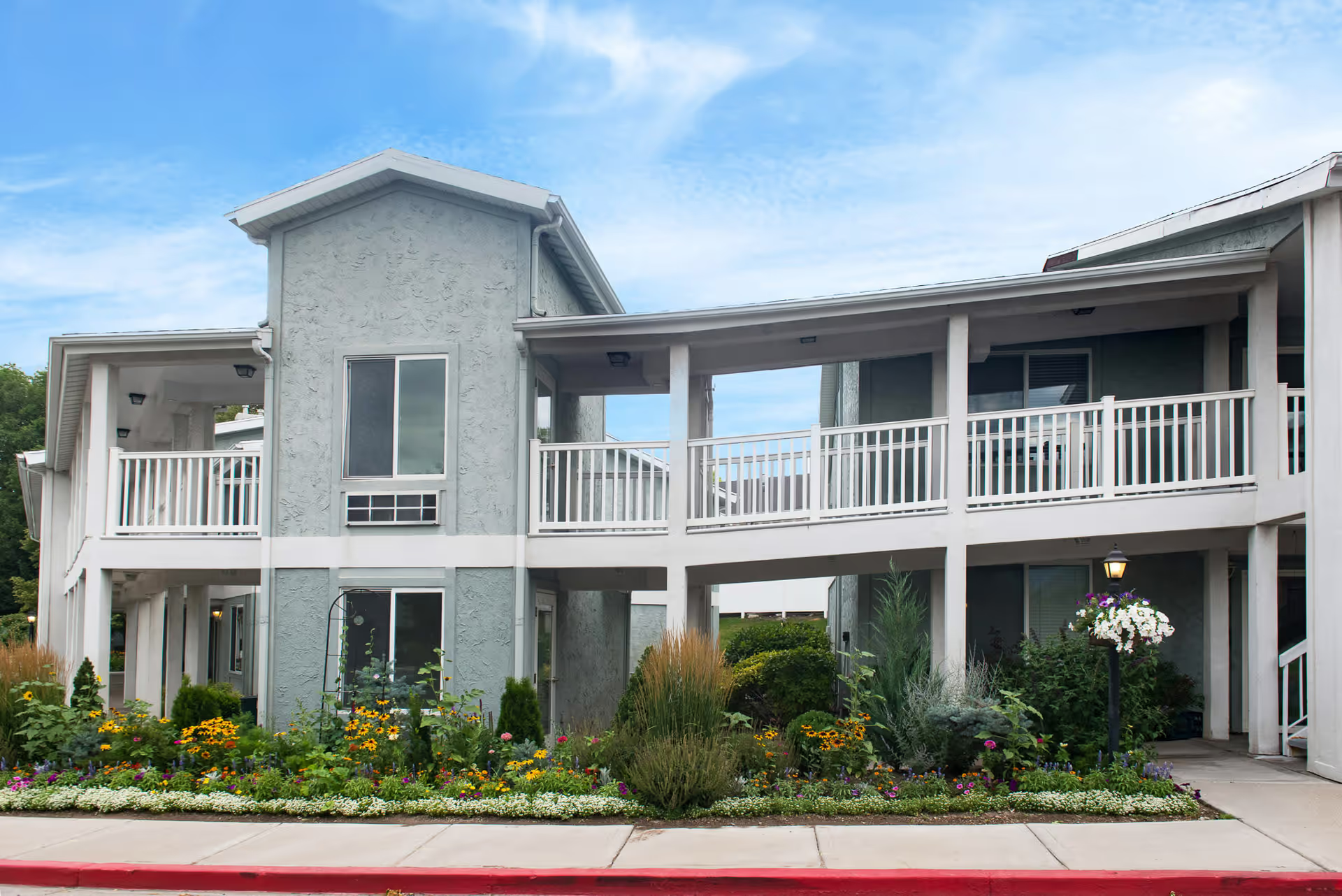
Facilities and housekeeping The physical plant, recent renovations, and housekeeping are frequently highlighted as excellent: remodeled rooms, new equipment, fresh-smelling hallways, and generally well-maintained common areas. At the same time, there are isolated sanitation concerns and hygiene lapses reported in some resident areas that warrant attention and monitoring.
Management and communication Leadership and select managers — including admissions staff — are often singled out for being professional and helpful. Yet other reports describe unresponsive management, spotty follow-through on complaints, and disorganized discharge planning. Family communication can be proactive and reassuring in many cases, but the variability in responsiveness suggests inconsistent escalation and resolution processes.
Notable patterns and guidance for families A clear pattern across the feedback is variability: high-quality care and environment on many shifts contrasted with operational breakdowns on others. Common operational themes are inconsistent staffing, delays in medication and personal care, gaps in meal accommodations, and property management issues (lost laundry or personal items). Prospective residents and families may find it helpful to ask about current staffing ratios, medication reconciliation processes, dietary accommodation protocols, discharge-planning workflows, and how the facility addresses lost-property incidents. Most reviewers who experienced strong, attentive staff and robust therapy were satisfied; those who encountered delays or coordination failures experienced more serious concerns.
Conclusion Monument Health Group Millcreek offers several notable strengths — cleanliness, renovated spaces, compassionate direct-care staff, and well-regarded therapy services — but also exhibits operational weaknesses that can materially affect resident experience. The facility may be an excellent fit when staffing and coordination are functioning well; however, families should assess current operational metrics and escalation pathways before placement to ensure alignment with their care expectations.