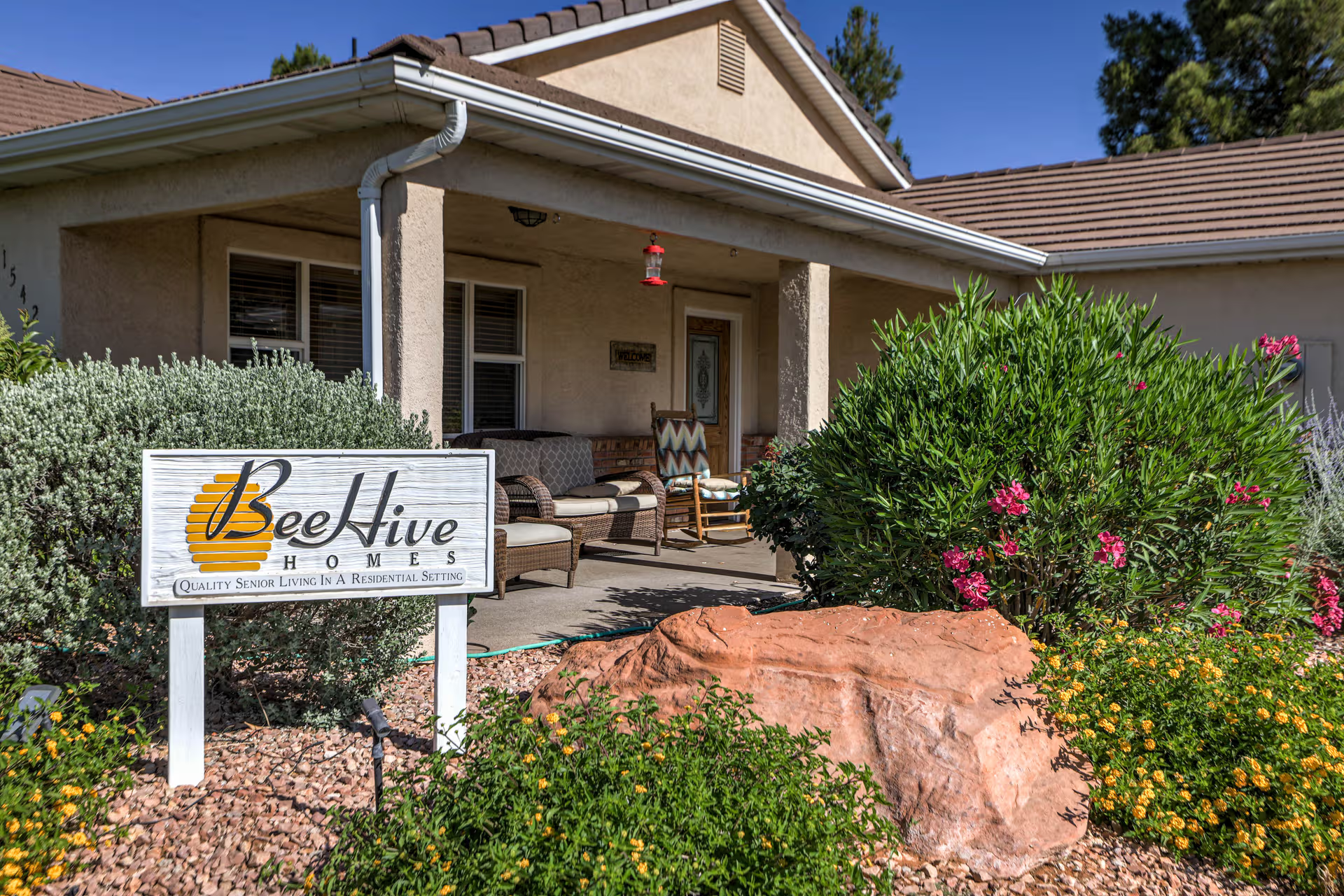
Overall impression: Reviews convey a largely positive experience at this memory-care home, with repeated emphasis on a warm, home-like environment and caregiving staff who are described as kind, tender, and professional. Families highlight that the small-house model produces a personalized atmosphere and a sense of safety through monitored movement and close proximity to assistance. Many families express strong recommendation and relief in placing a loved one here.
Care and staff: The dominant theme is staff compassion and individualized attention. Caregivers are routinely characterized as attentive, present, and capable of managing dementia-related behaviors; several reviews specifically referenced staff who made daily life easier for both residents and family members. At the same time, there are recurring comments about inconsistent timeliness—some families report prompt responses while others note slower response times. This pattern suggests variability in how quickly staff can attend to needs, which may relate to staffing levels, shift coverage, or operational rhythms in a small-home setting.
Dining and nutrition: Dining is generally reported positively. Reviewers described meals as home-cooked and easy to eat, and there are notes of recent improvements to dinner service. These remarks indicate attention to texture and palatability appropriate for a memory-care population, contributing to family confidence in nutritional care.
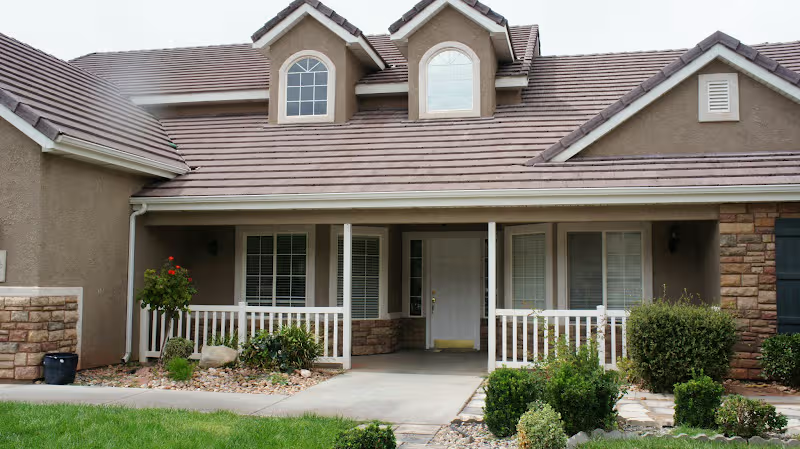
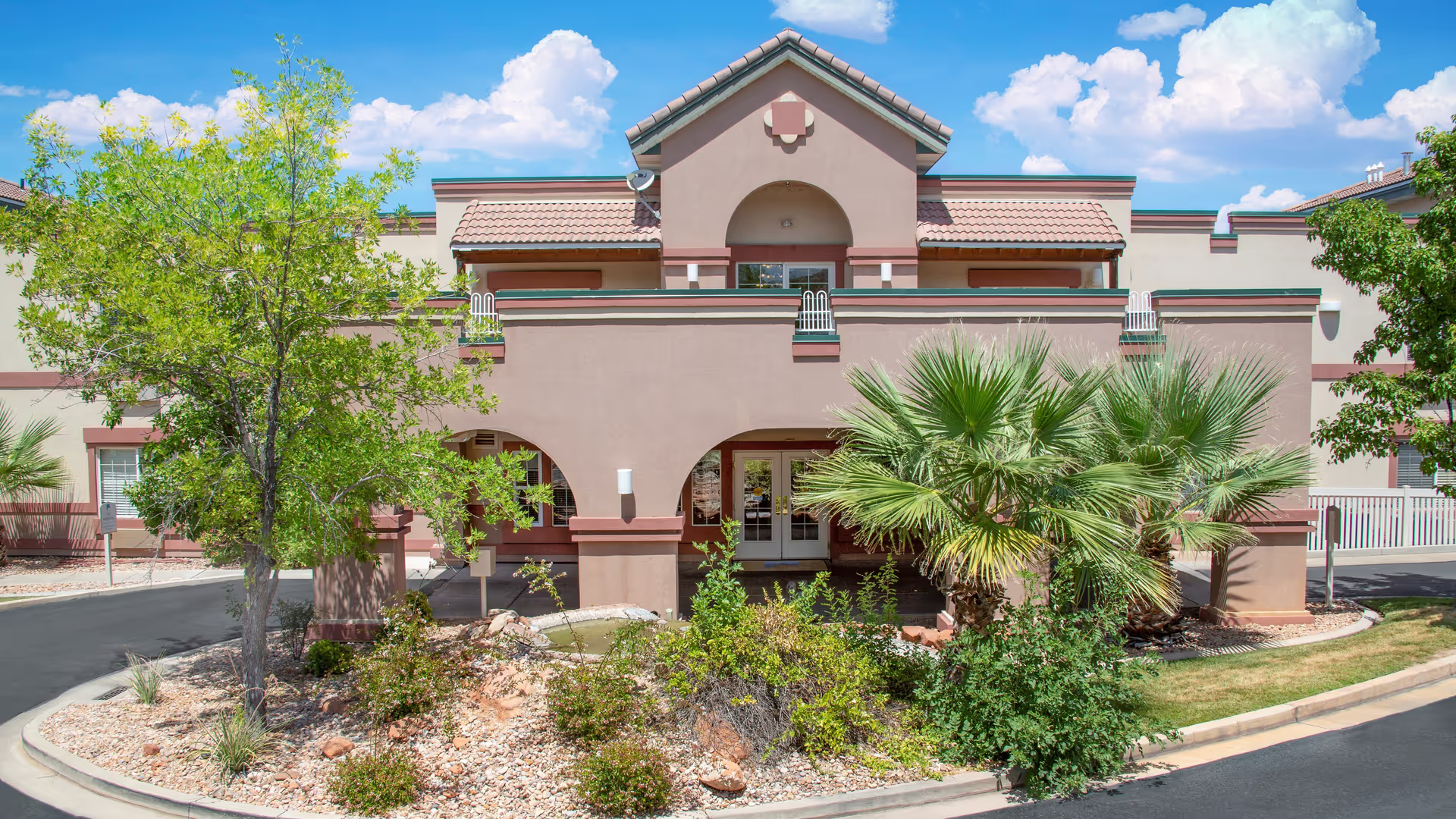
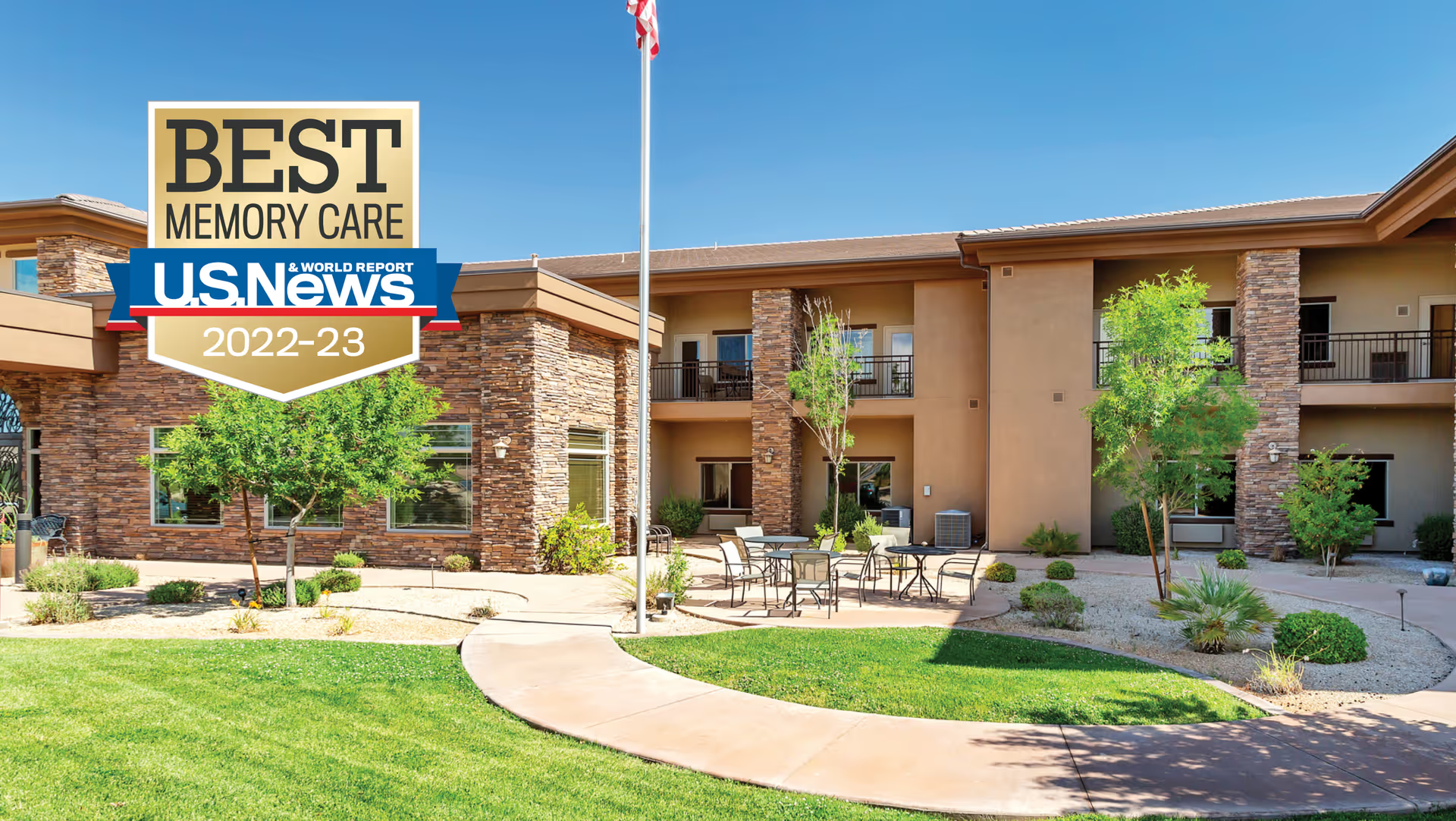
Activities and facility environment: The facility’s small, residential layout and homey atmosphere are frequently praised; reviewers appreciate the intimate scale compared with larger, more institutional settings. There is limited commentary about scheduled activities or engagement programming in the reviews provided. Prospective families may want to request details on daily activity schedules, cognitive and social programming, and how resident engagement is measured.
Management and communication: Several families singled out individual staff members by name and expressed gratitude for clear, responsive communication and respite support. Conversely, the pattern of occasional communication continuity gaps—for example, differences in responsiveness between shifts—appears as an operational weakness. Prospective families should inquire about staff-to-resident ratios, shift handoff procedures, and expected communication protocols for incident reporting and routine updates.
Notable patterns and considerations: The overall tenor of reviews favors the facility for families seeking a small, personalized memory-care environment with compassionate staff and family-focused service. The primary area to verify during a tour or admission conversation is consistency: ask for specifics on staffing levels, response-time expectations, and the scope of activity programming. Those priorities will help determine whether the small-house model aligns with the candidate’s clinical and social needs.