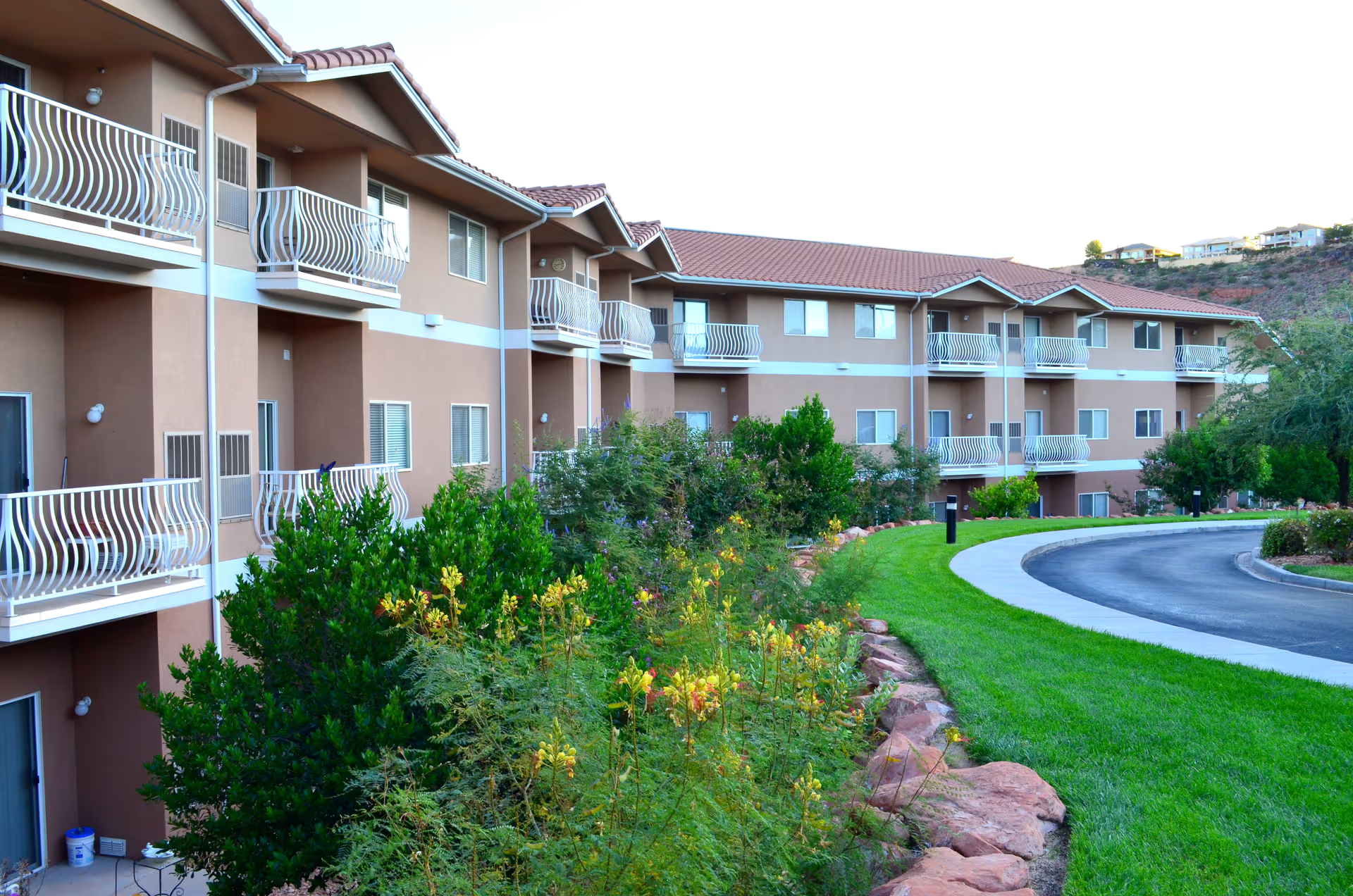
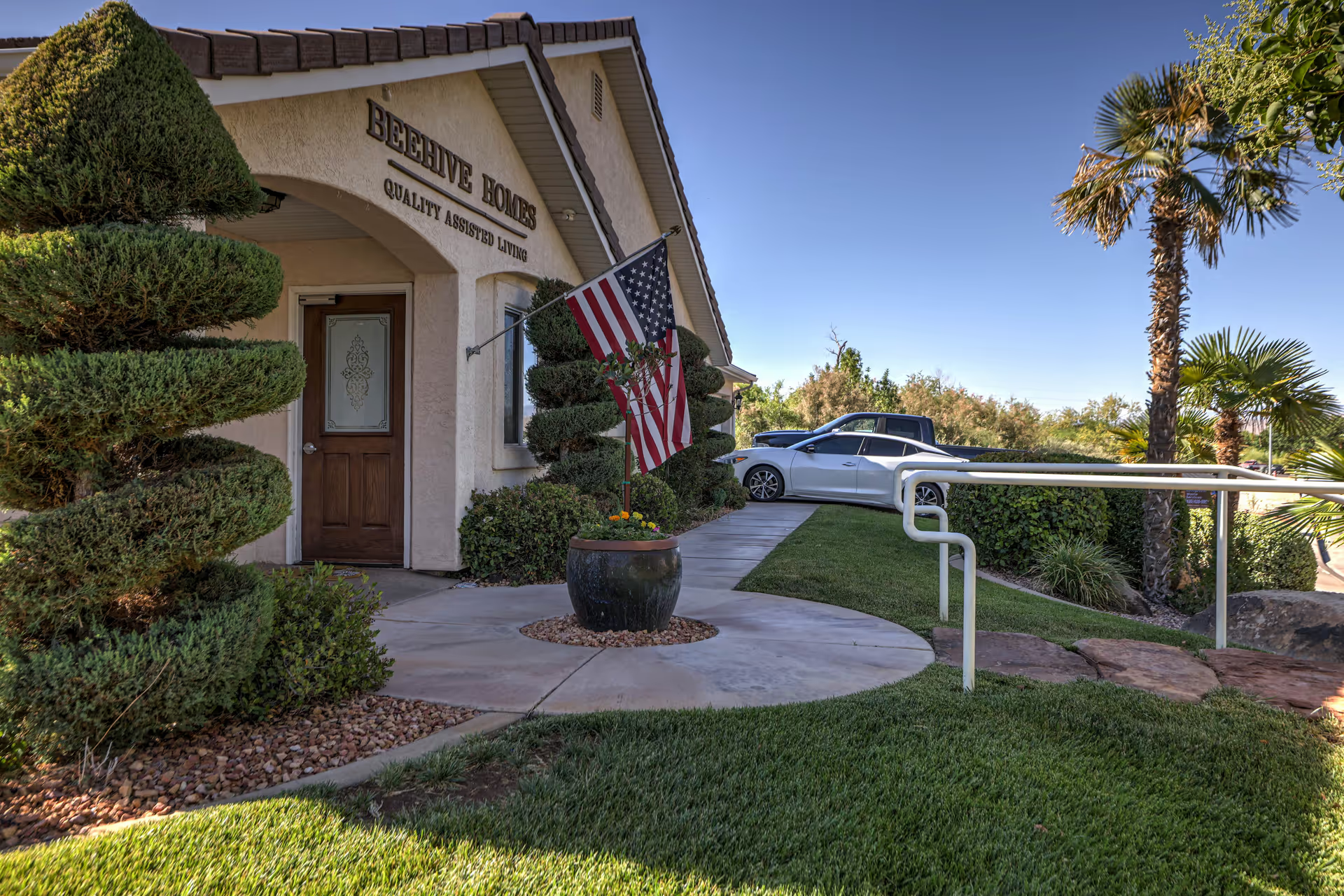
Overall impression Southgate Senior Living elicits strong, polarized impressions: many families describe a warm, home-like community with engaged staff and a lively activities program, while others identify operational weaknesses that have grown more visible after ownership and leadership transitions. The facility presents as clean and recently refreshed in many areas, with an emphasis on social programming, dining events, and on-site services; at the same time, continuing concerns about staffing, consistency of services, and management responsiveness appear repeatedly.
Care and staff Caregiving staff are frequently praised for compassion, personal attention, and relationship-building; several named team members and the executive leadership receive specific commendation. Residents and families report attentive CNAs, proactive nursing at times, and smooth transitions when hospice or therapy services are integrated. However, reviews also describe a pattern of understaffing and high turnover that contributes to variability in care. Specific operational consequences mentioned include slower response times at certain shifts, occasional medication- or clinical-coordination lapses, and gaps in daily assistance or laundry services. Memory-care is described as secure and staffed by patient caregivers in many accounts, but reviewers caution that the unit may not be adequate for residents with advanced dementia without greater staffing intensity.
Dining and activities Southgate offers a visible investment in dining presentation and events — restaurant-style dining rooms, special dinners, live entertainment, and themed meals are recurring positives. Many guests enjoy the menu variety and social dining environment. Conversely, there is a consistent thread of dissatisfaction with meal consistency: cooks and quality vary by shift, plated meals sometimes do not match the posted menu, and some families would like healthier or more reliably prepared options. Activities are a clear strength: regular group events, outings, faith-based services, games, music, and salon/therapy activities are well-received and contribute to resident engagement and socialization.
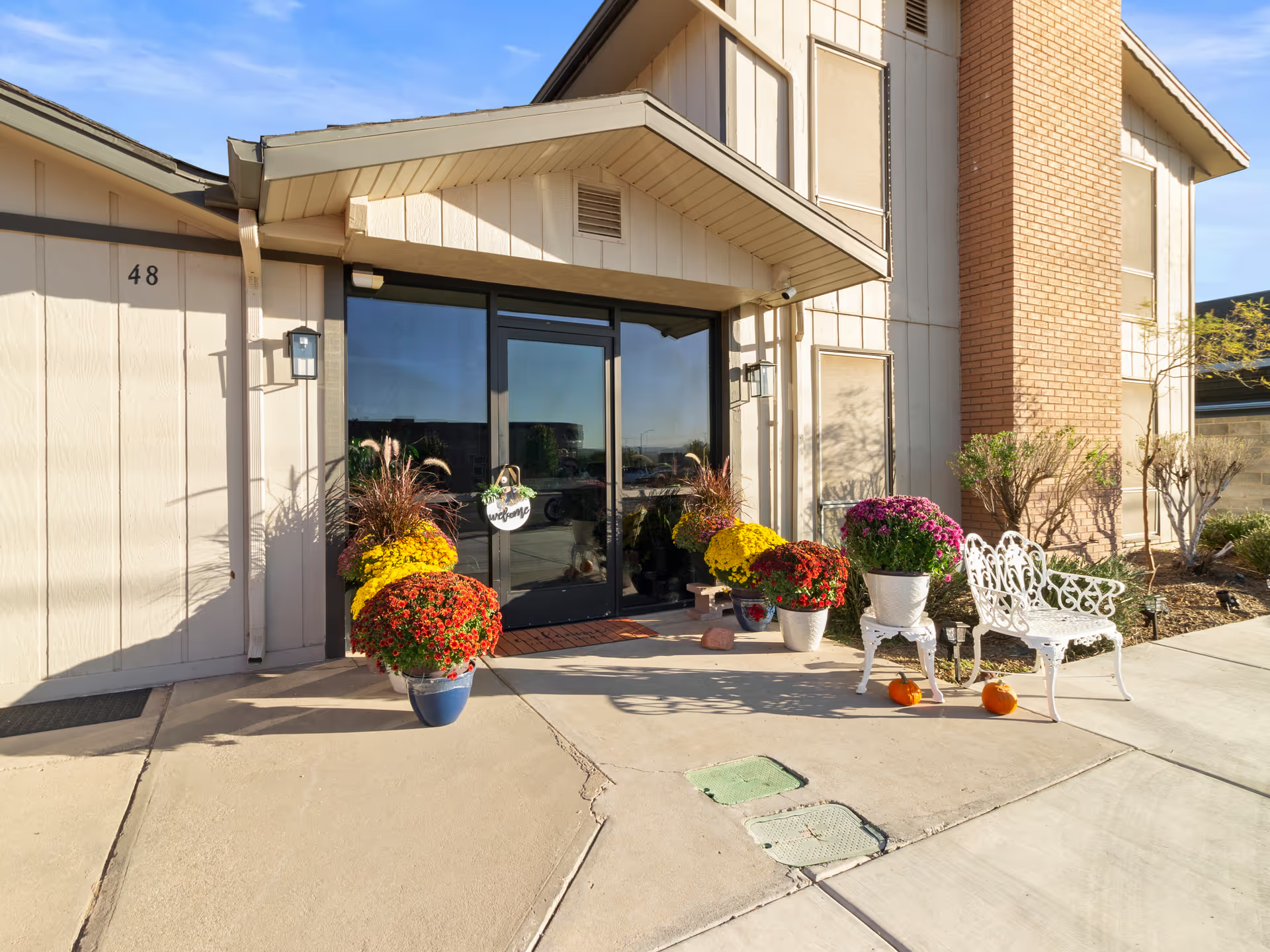
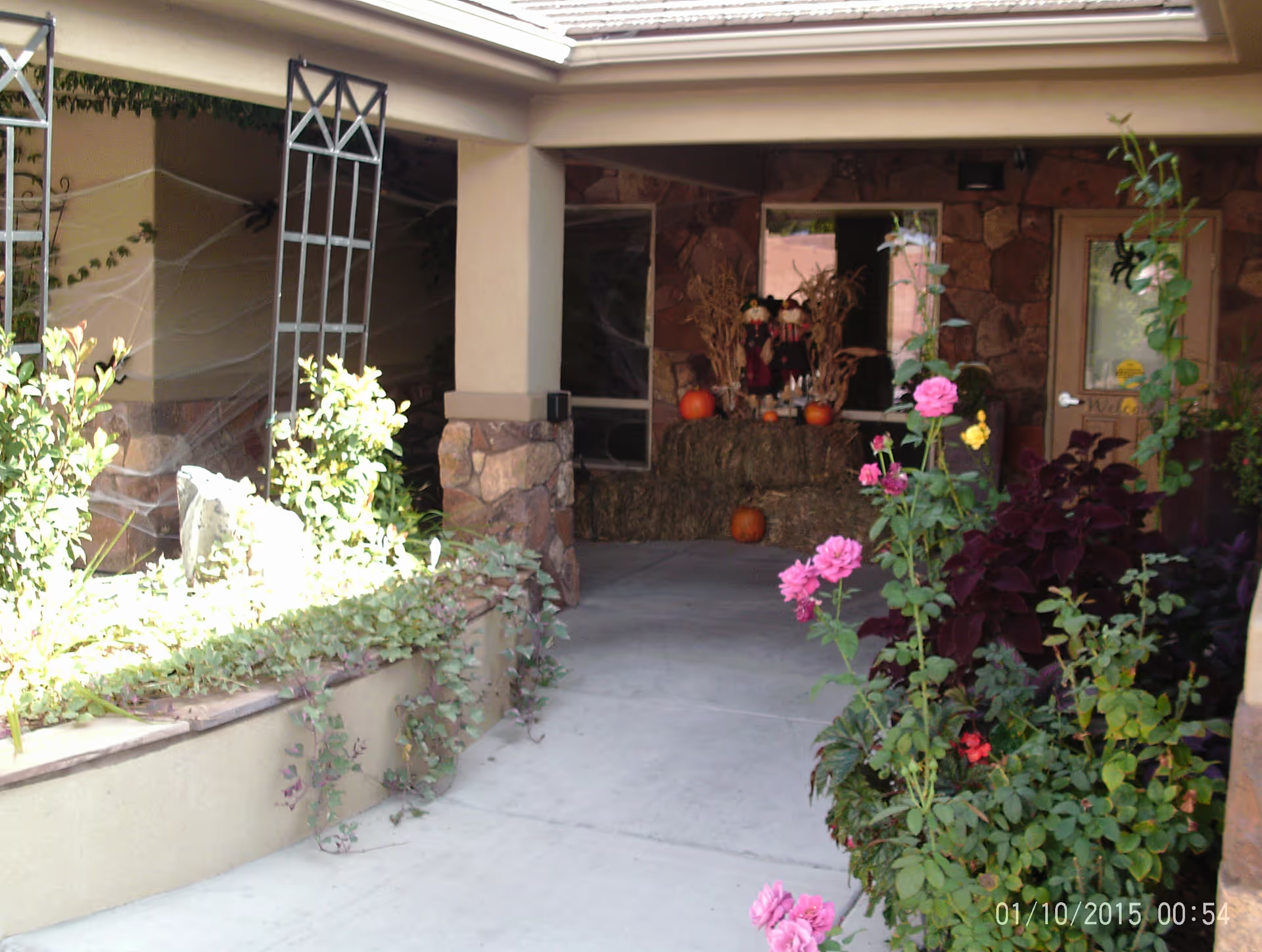
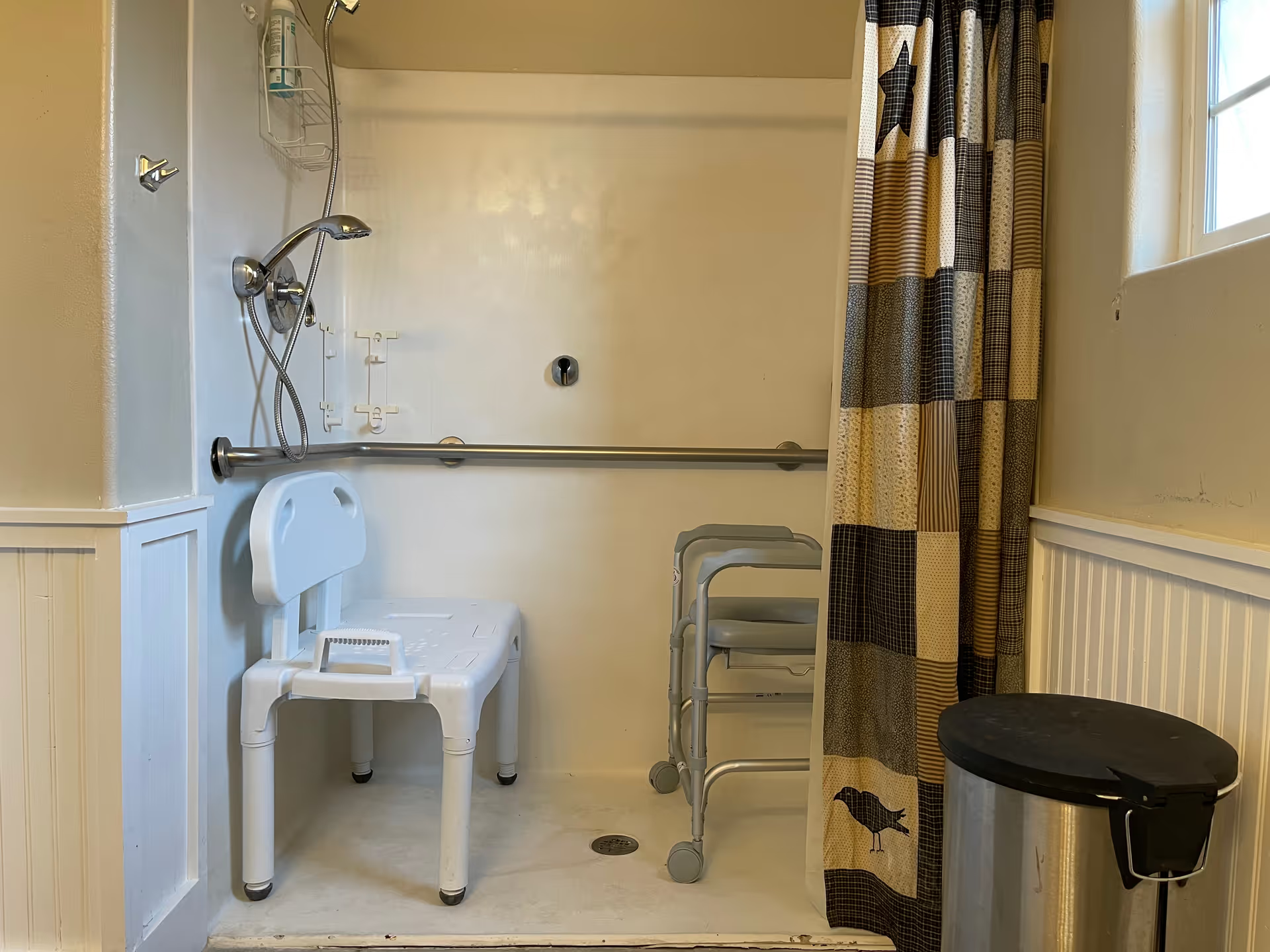
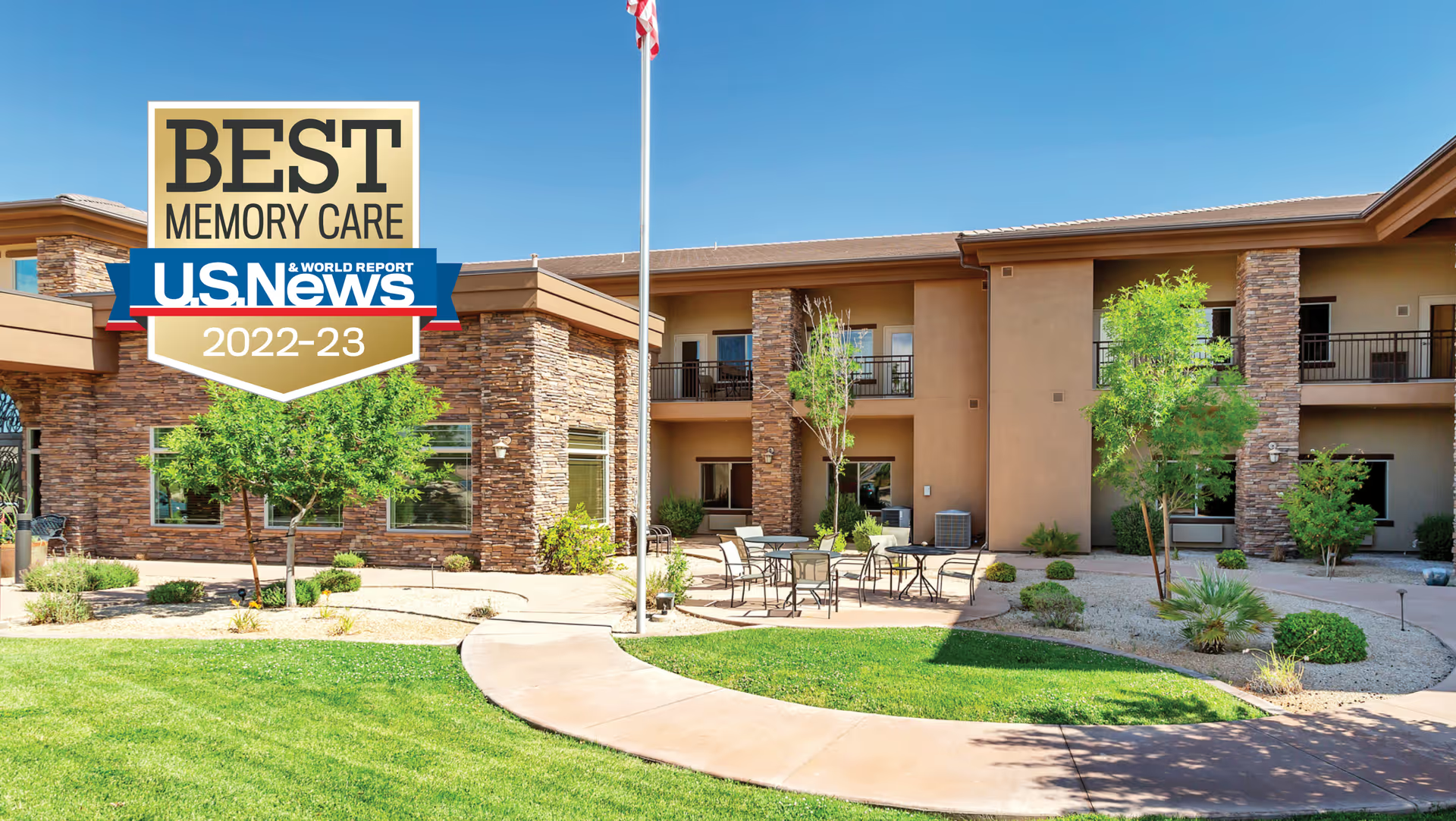
Facilities and amenities Physical plant feedback is largely favorable: many reviews highlight bright, freshly painted or remodeled interiors, scenic views, patios, and clean common spaces. On-site amenities such as beauty salons, therapy rooms, and flexible dining are positives. At the same time, reviewers note variability in apartment size and layout (including some small or oddly shaped units), parking and wayfinding issues, and intermittent sanitation or odor concerns in specific areas. Some technology/amenity details (for example, closed captioning on TVs or a consistent monthly activities calendar) are reported as inconsistently available.
Management, operations, and notable patterns Several reviews mention a change in ownership and executive leadership; while some families report strong, hands-on managers, others describe weakened communication, delayed responses to family outreach, and service lapses associated with transitions. Operational themes include inconsistent onboarding processes, billing glitches, price increases and additional fees for higher care levels, and occasional allegations of theft or staff-conduct problems. These operational items suggest prospective families should clarify current staffing ratios, ask about recent turnover, review medication-management protocols, and confirm contract and fee structures before making placement decisions.
Guidance for prospective families Southgate demonstrates clear strengths in culture, activities, and many front-line staff members; it may be a very good fit for residents who prioritize social programming and a home-like atmosphere. At the same time, families seeking placement for higher-acuity needs or advanced dementia should carefully evaluate staffing levels, medication-safety practices, and documentation of clinical oversight. Recommended pre-admission questions include current caregiver-to-resident ratios by shift, recent staff turnover and leadership stability, examples of care-coordination for complex conditions, meal-service procedures to ensure menu fidelity, and full visibility into fees and deposit policies.