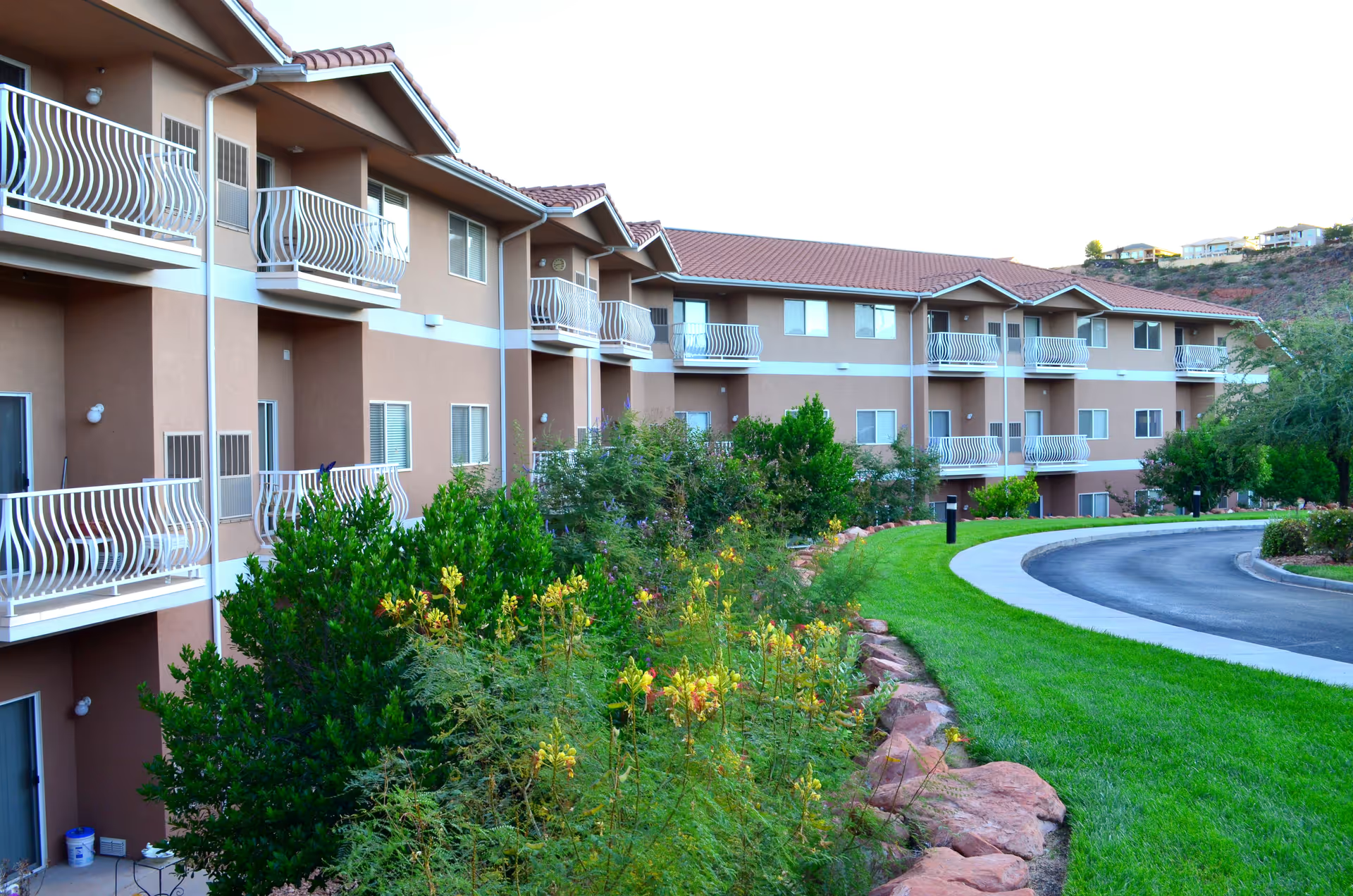
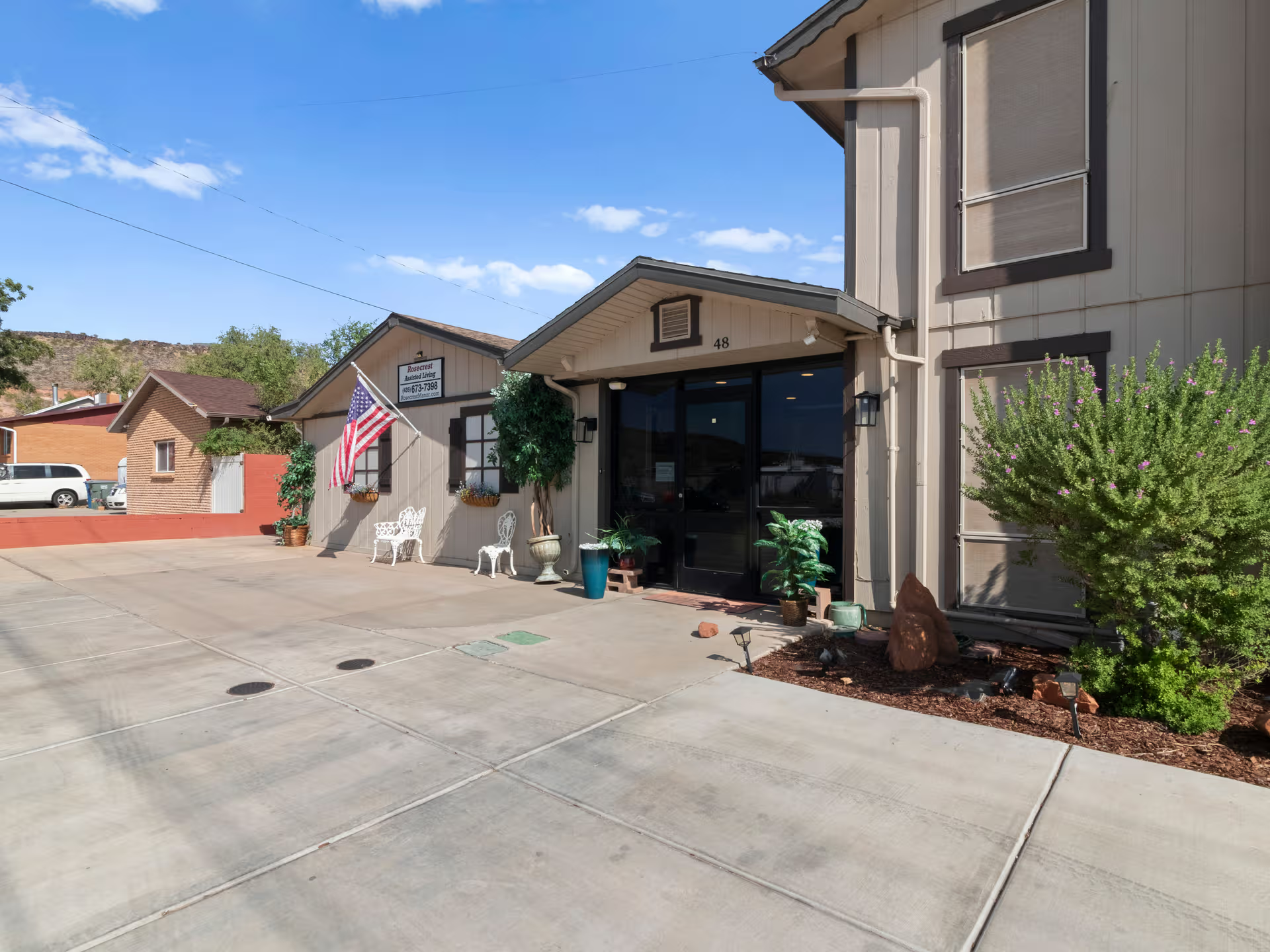
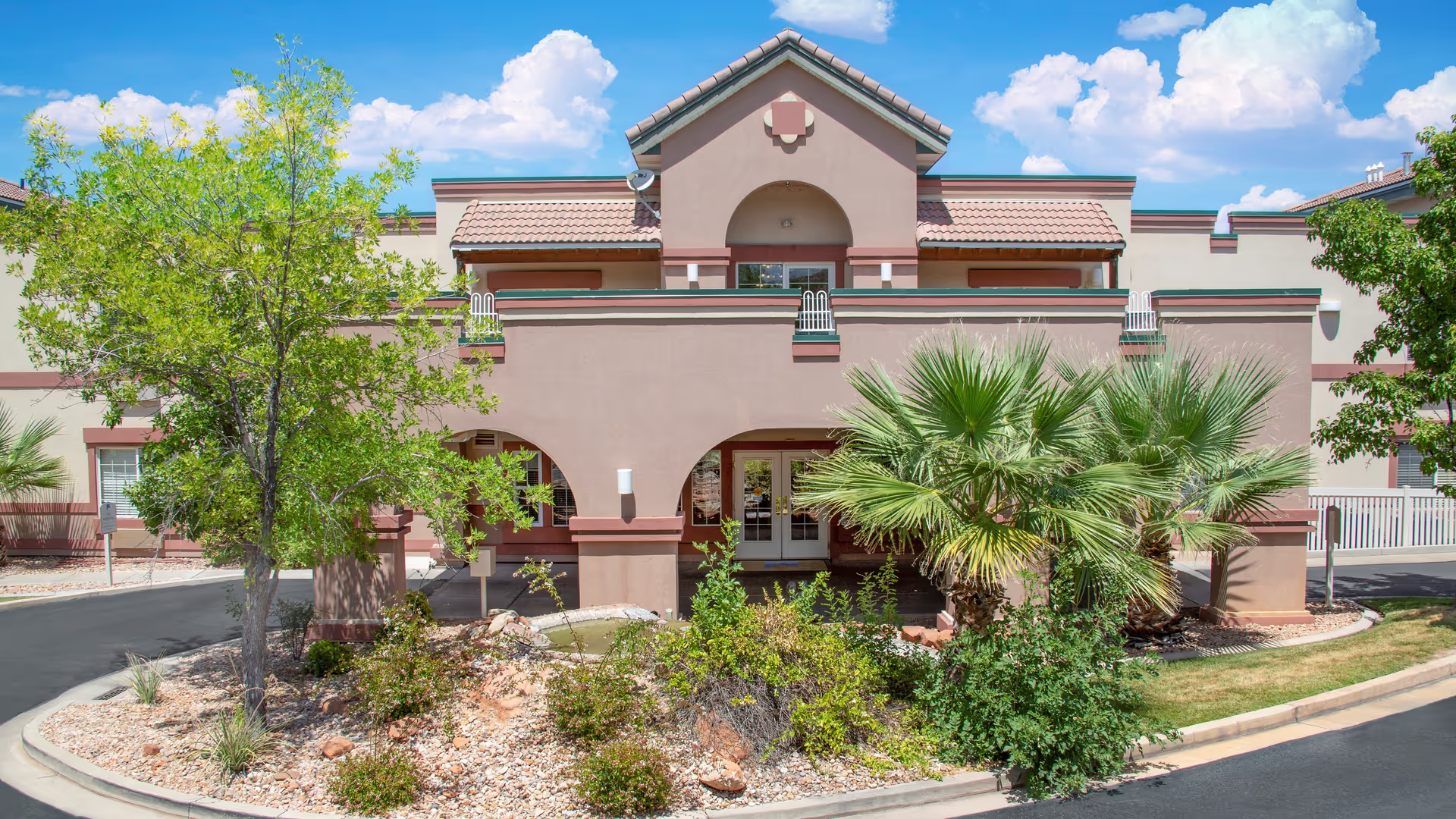
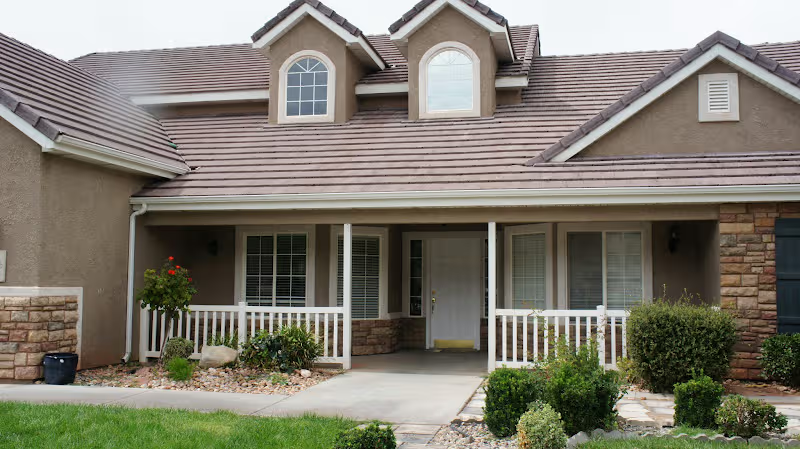
The reviews for Ridgeview Gardens Assisted Living present a mixed but identifiable pattern of strengths and operational challenges. Many families and residents describe a warm, home-like atmosphere supported by compassionate CNAs, an engaged activities staff, and leadership who are accessible and personally involved. Small community size is frequently cited as a benefit, enabling personalized attention, regular social programming, family events, and a sense of extended family. Several accounts highlight skilled kitchen staff and generally pleasing meals, routine RN assessments, infection-control practices, and supportive end-of-life care.
Care and staffing emerge as the most polarized areas. Positive accounts emphasize attentive caregivers, responsive administrators, and specific staff members who have long tenures and strong rapport with residents. Conversely, recurring operational concerns include inconsistent staffing levels—notably limited weekend coverage and occasional single-staff assignments—which reviewers link to delayed responses to call lights, longer wait times for assistance, and perceived safety risk. High turnover in clinical and activities roles is reported to disrupt continuity of care and programming.
Dining and activities are also areas of contrast. Many reviewers praise the culinary team and highlight special meals, weekly menus, and holiday gatherings. At the same time, others report variability in meal quality and limited menu variety. The activities program is often described as creative and uplifting, with outings and social events; however, gaps occur when activity leadership is vacant, producing periods with reduced or inconsistent programming.
Facility maintenance and clinical practice concerns appear in multiple reviews. Praise for clean, well-kept interior spaces coexists with specific mentions of maintenance issues—broken fixtures, undersized apartment appliances, and courtyard upkeep needs—that affect resident comfort. Clinical concerns include medication-management and documentation gaps and sanitation or incontinence-care issues in certain areas. These items, together with delayed or inconsistent communication from management around clinical incidents and bereavement follow-up, have been a source of worry for some families.
Management and operations show both commendable and problematic patterns. Several reviewers single out administrators and managers who are hands-on, compassionate, and effective. At the same time, operational weaknesses are described: opaque move-in procedures or fees, inconsistent front-desk coordination, and limited emergency backup staffing plans. These structural issues compound the impact of staffing variability when problems arise.
In sum, Ridgeview Gardens offers many features families value in an assisted living community—personalized attention, community events, engaged caregiving staff, and generally good dining—especially when leadership and long-term staff are present. Prospective residents and families should weigh those positive attributes against recurring operational concerns: staffing consistency (including weekend coverage and call responses), continuity of activities, maintenance of communal and exterior spaces, and clinical documentation/medication-management practices. A focused conversation with facility leadership about staffing ratios, activity continuity, maintenance plans, clinical oversight, and move-in/fee transparency is advisable before placement to clarify how the facility currently addresses the weaknesses identified in reviews.