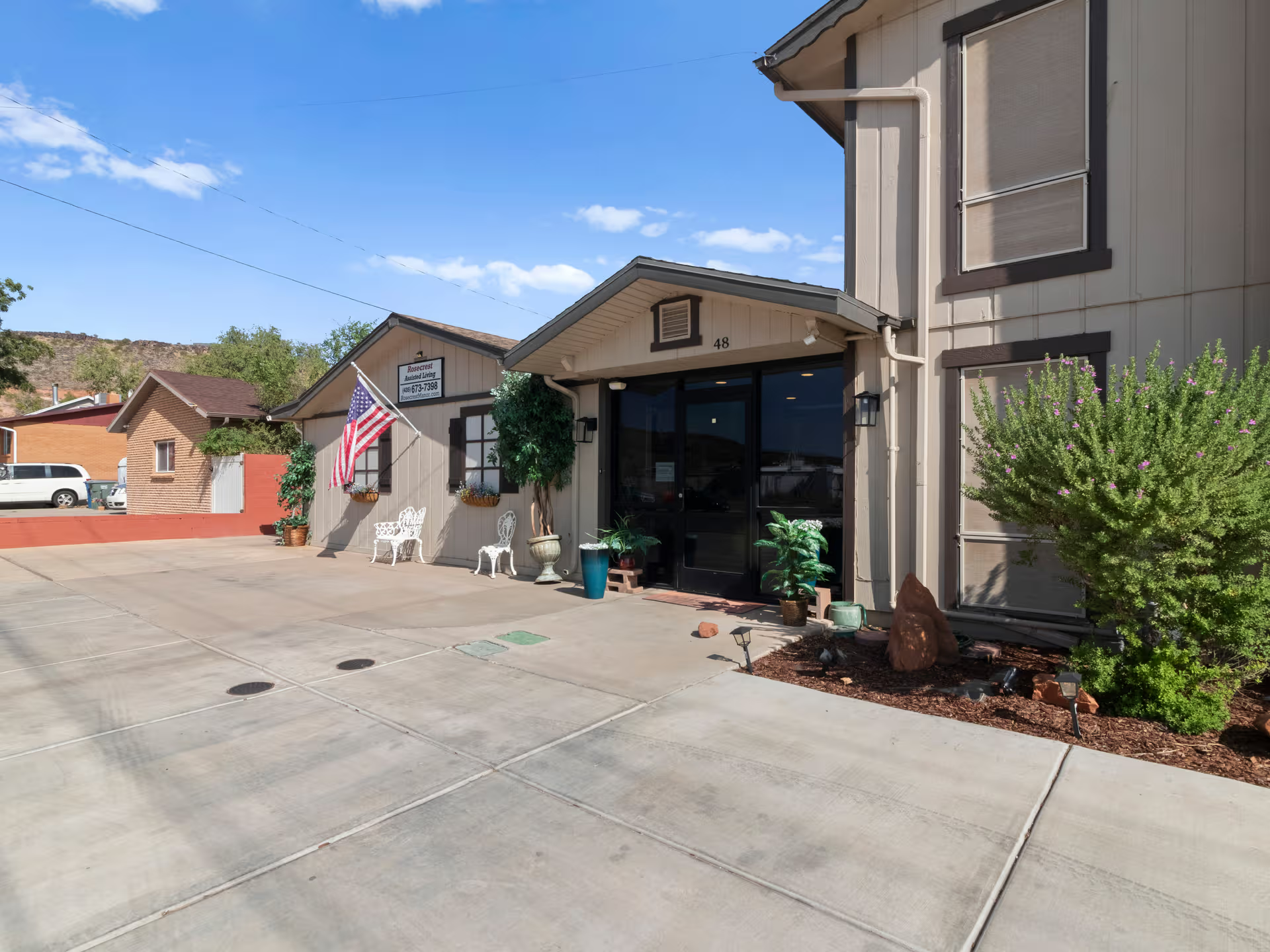
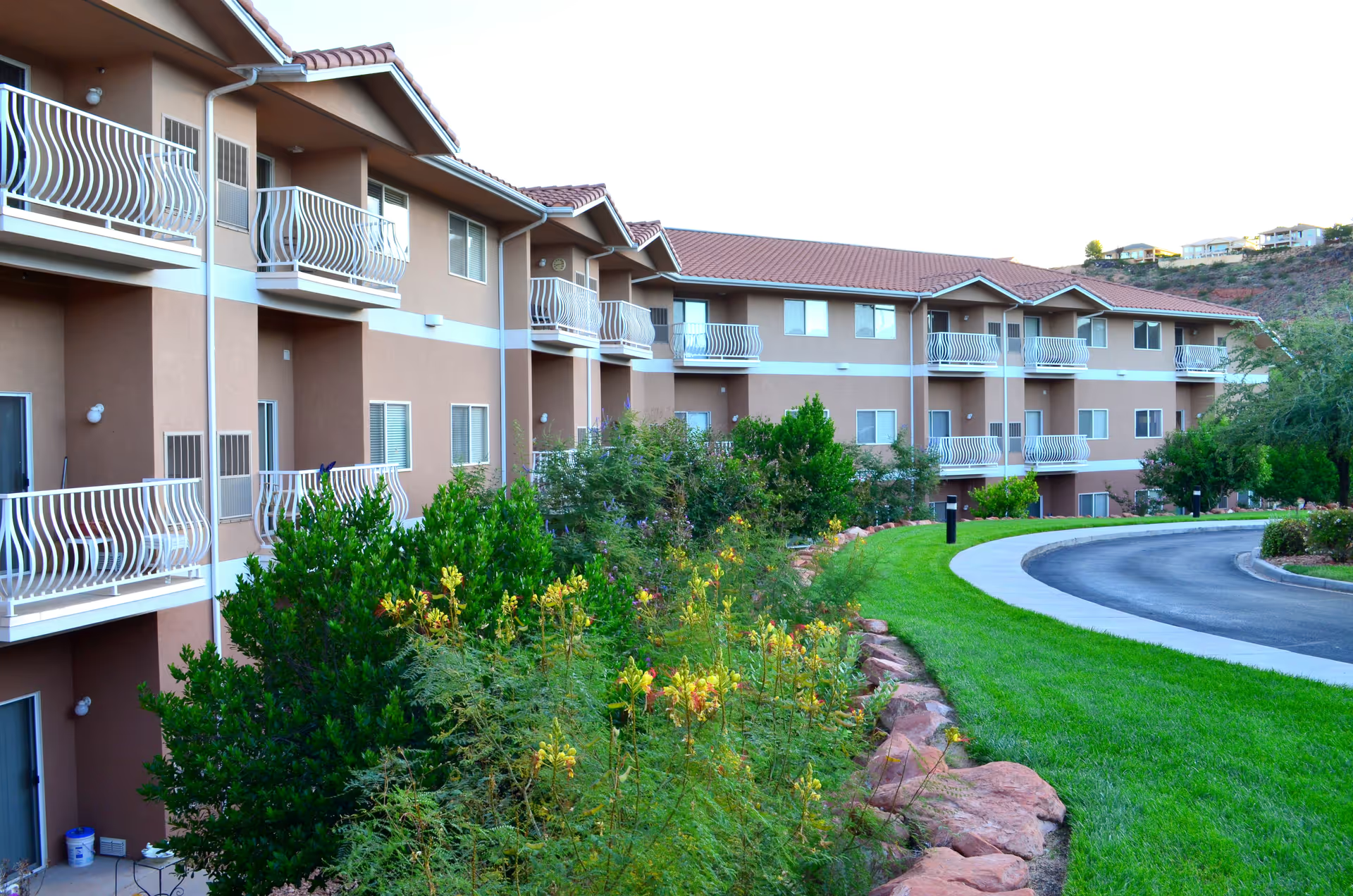
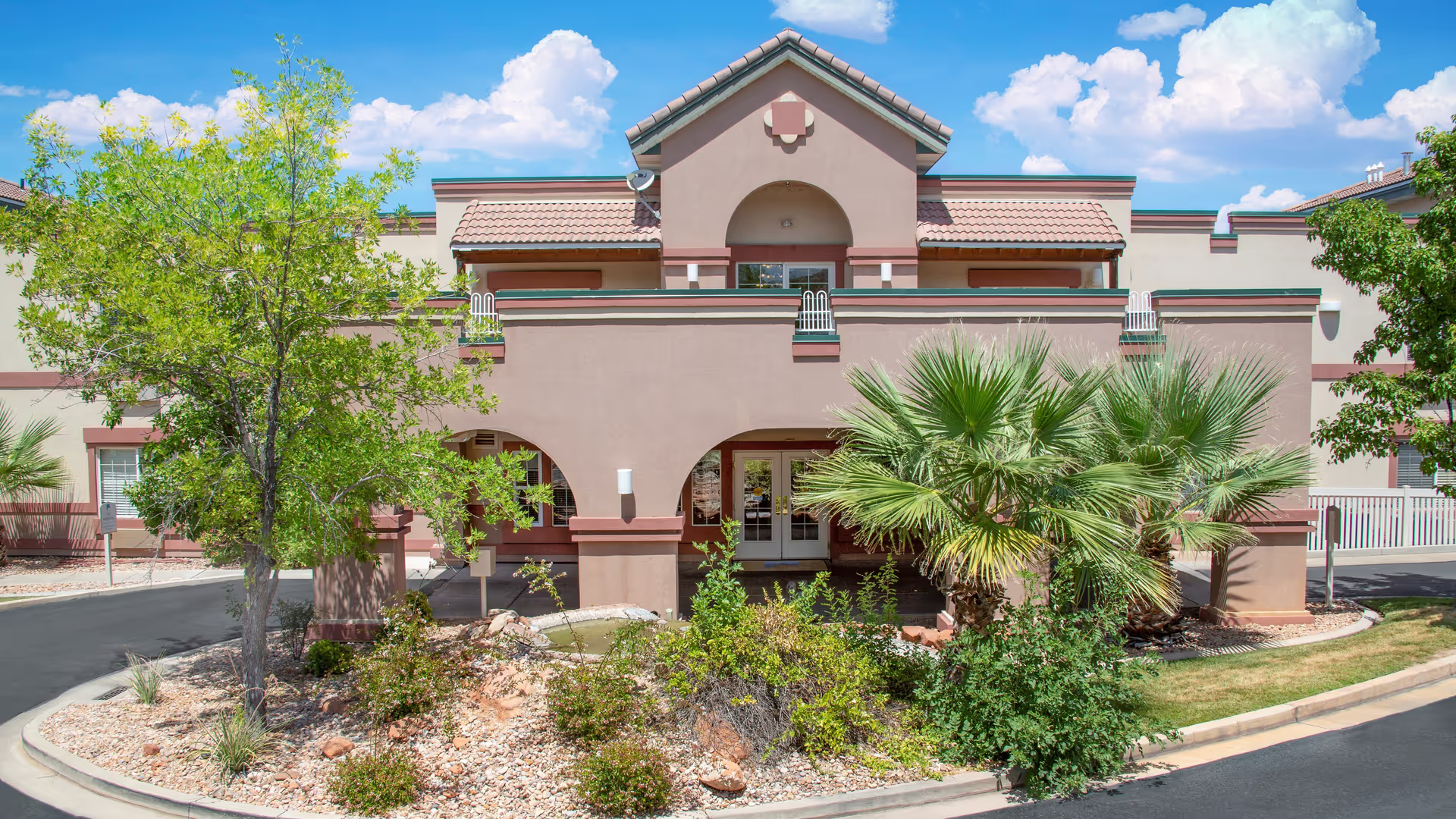
Seasons Health & Rehab elicits a mix of strong praise and operational concerns. Positive patterns emphasize a clean, well-maintained facility with private rooms and a home-like atmosphere. Many families highlight robust rehabilitation services and a physical-therapy program that is clear and supportive during short-term stays, along with attentive nursing and CNA care that provides emotional as well as clinical support. The facility is consistently described as offering engaging activities, outings, on-site spiritual services, and active family communication supported by patient advocates and named staff members who maintain continuity of care.
Dining and daily-life services are frequently noted as strengths: home-cooked-style meals, flexible meal accommodation, accessible laundry and housekeeping, and pleasant common areas with natural light. Activity programming appears broad and well-staffed, including arts, outings, and social events that contribute to resident engagement. Several reviewers praised specific staff members and leadership for proactive family communication during challenging circumstances, and for providing a compassionate, family-like environment for residents.
Alongside these strengths, reviewers describe operational weaknesses that recur across accounts. There are consistent concerns about staff responsiveness (delays answering call lights and slow emergency response), variability in staff conduct and professionalism, and occasional workplace-culture problems that may affect stability and morale. Safety-related practices are an area of concern: weaknesses in transfer and mobility-handling techniques and reports of inconsistent provisioning of oxygen and other medical equipment suggest gaps in clinical-safety processes and staff training.
Clinical administration and communication also show mixed performance. Some families report clear, timely updates and effective advocacy, while others describe limited transparency around admissions, transfer paperwork, billing/refunds, and post-event communications. Medication- and diet-management gaps are flagged by instances of incorrect trays and concerns about medication handling. These operational patterns suggest that while clinical and rehabilitative capabilities are present, the facility may benefit from strengthening staffing consistency, staff training in safe handling and medical-equipment protocols, and clearer administrative policies and family communication pathways.
Overall, Seasons presents as a facility with notable strengths in cleanliness, rehabilitation, activities, and individualized, compassionate caregiving from many staff members. Prospective residents and families should weigh these positives against the documented operational inconsistencies—particularly in responsiveness, safety handling, medication/equipment provisioning, and administrative transparency—and consider direct conversations with leadership about staffing, emergency response protocols, dietary safeguards, and the facility’s admissions and billing procedures before placement.