Reviewers consistently highlight the facility's strong caregiving culture and rehabilitation program. Nursing and caregiving staff are frequently described as compassionate, attentive, and dignified in their interactions; wound-care nurses and therapy teams receive particular praise for clinical skill and patient education. Many families credited the therapy program with measurable functional improvement (improved strength, mobility, successful weaning from feeding tube, restored activities of daily living) and appreciated individualized therapy plans and take-home materials that supported recovery at home.
Dining and programming are generally seen as strengths. The kitchen is noted for accommodating diet needs and serving palatable meals, and recreational programming — bingo, live music, frequent visits from activities staff — contributes to social engagement. Housekeeping and environmental maintenance are often described positively, with clean rooms, tidy grounds, and helpful reception and check-in processes (including updated kiosks and security systems) making transitions easier for patients and families. Several practical amenities (Wi‑Fi, outdoor resting areas, vehicle charging) were also cited as conveniences.
Despite these positives, a number of operational concerns emerged that prospective residents and families should probe during a tour and intake. Staffing levels and coverage were described as inconsistent, which can affect responsiveness and regularity of routines. Reviewers also described problems with clinical documentation and record management (misfiled paperwork and incorrect care plans), and some referenced unclear or abrupt discharge planning and coordination that left families seeking clearer transition plans. Communication from leadership and certain clinicians was sometimes characterized as inconsistent in tone and timeliness, and there were specific mentions of medication-discussion interactions that families found concerning; these suggest a need to clarify consent and communication practices up front.
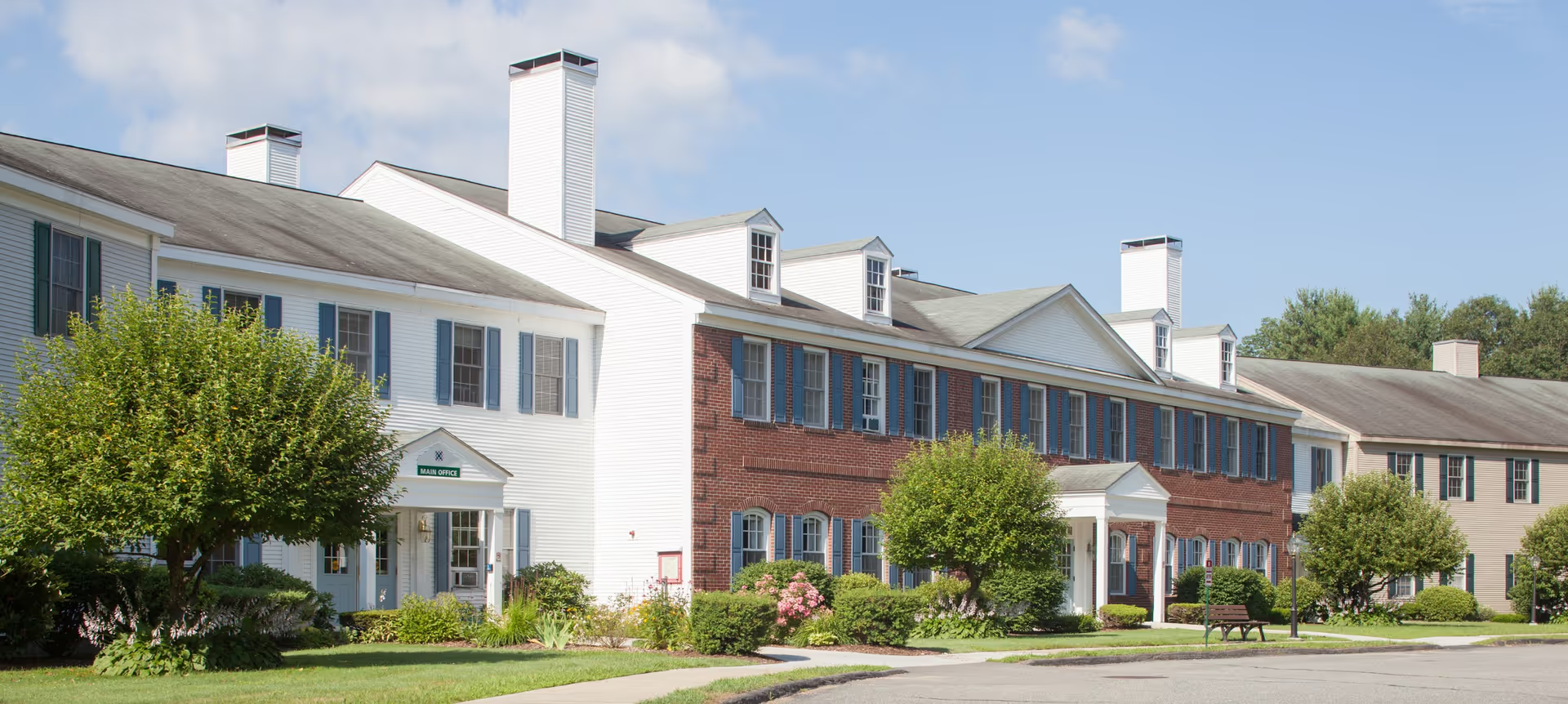
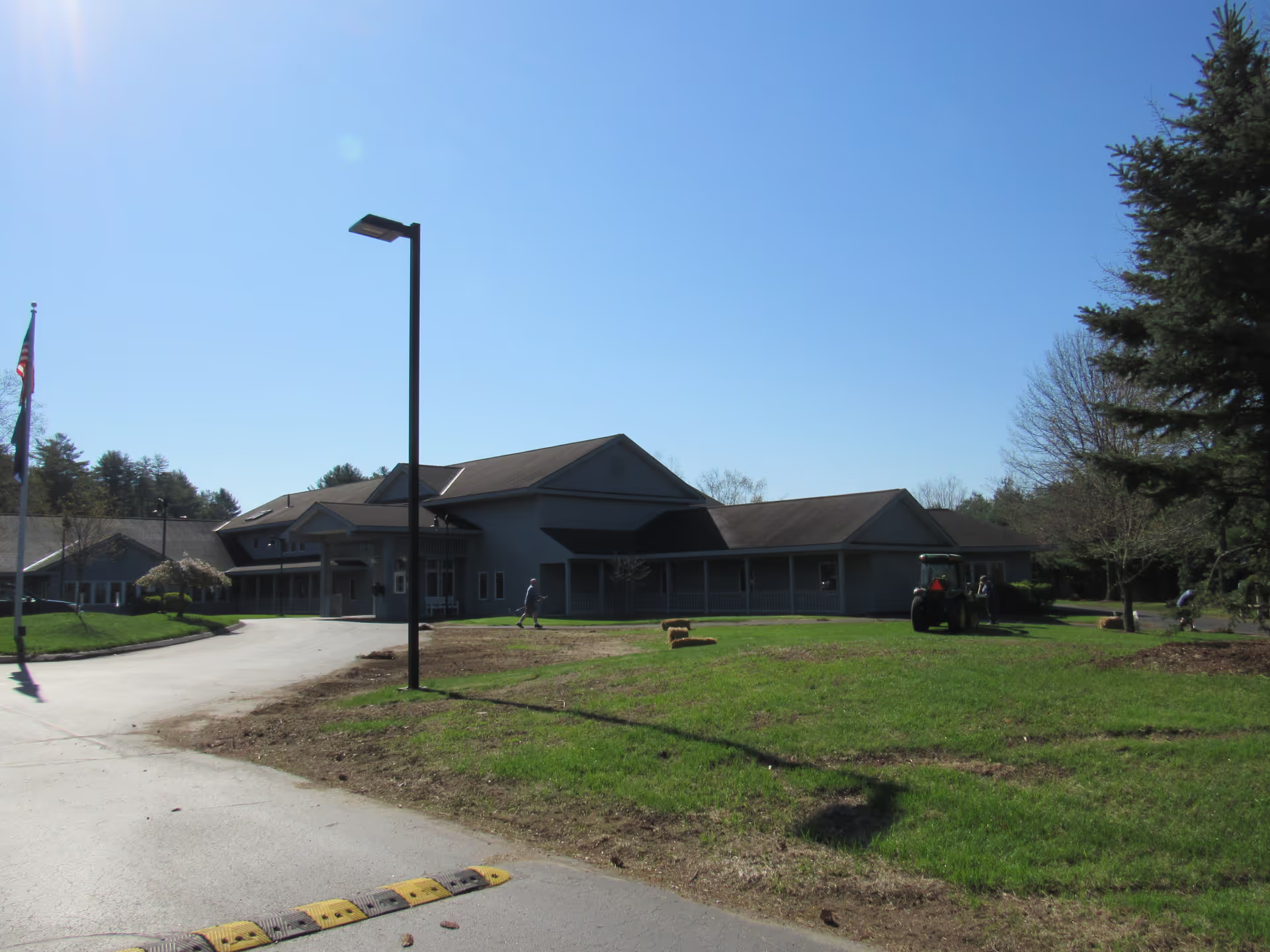
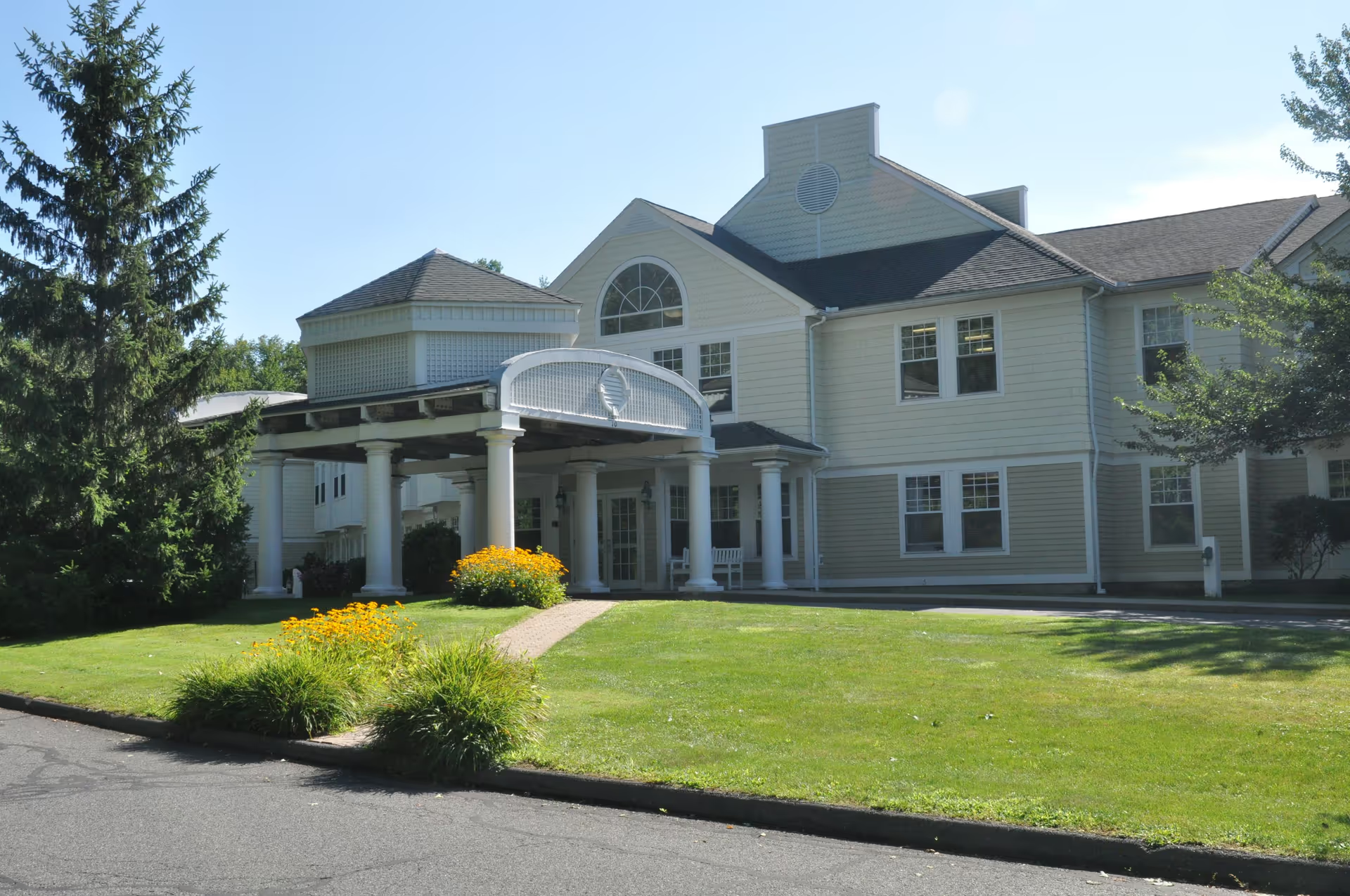
Safety and facility-condition items are mixed. While many reviewers praised cleanliness and care, others noted the building's age and occasional odor concerns in portions of the facility, and there were mentions of security-related incidents that point to gaps in personal-property protection and campus security for some families. Activity and therapy delivery also appeared uneven across stays — some residents received intensive, frequent therapy and engaging programming, while others experienced more limited activity options. Finally, a few comments suggested administrative emphasis on payer-driven documentation; families concerned about individualized care priorities should discuss care-plan development and oversight with management.
In summary, Pine Heights at Brattleboro Center for Nursing and Rehabilitation is characterized by strong, compassionate frontline staff and capable rehabilitative services that many families credited with meaningful recovery. At the same time, patterns around staffing consistency, documentation practices, discharge coordination, security, and certain facility-maintenance issues warrant direct inquiry during admission or care-plan meetings. Prospective residents and their families will benefit from asking targeted questions about coverage schedules, record-handling procedures, discharge planning protocols, medication-communication practices, and security measures when evaluating placement.