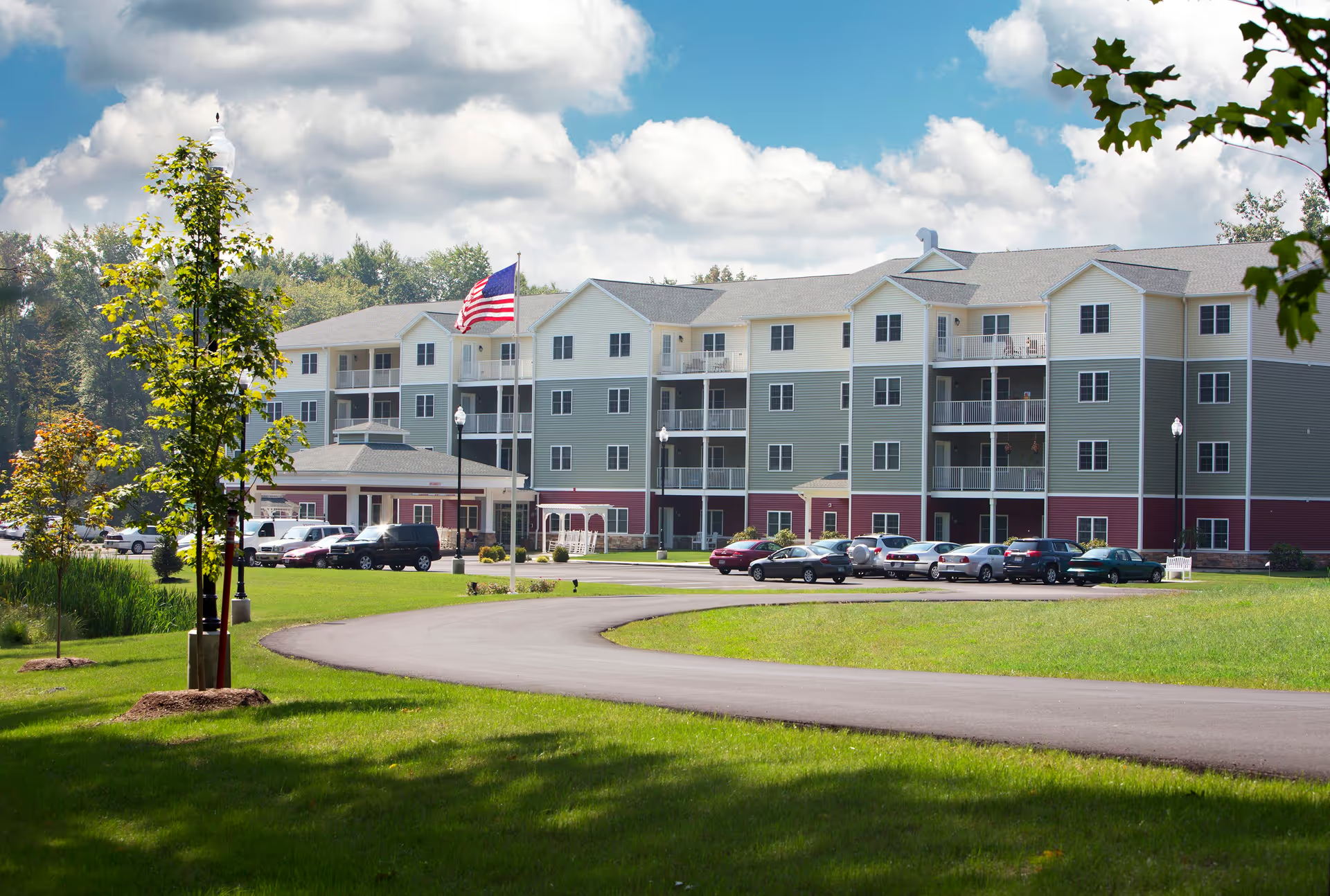
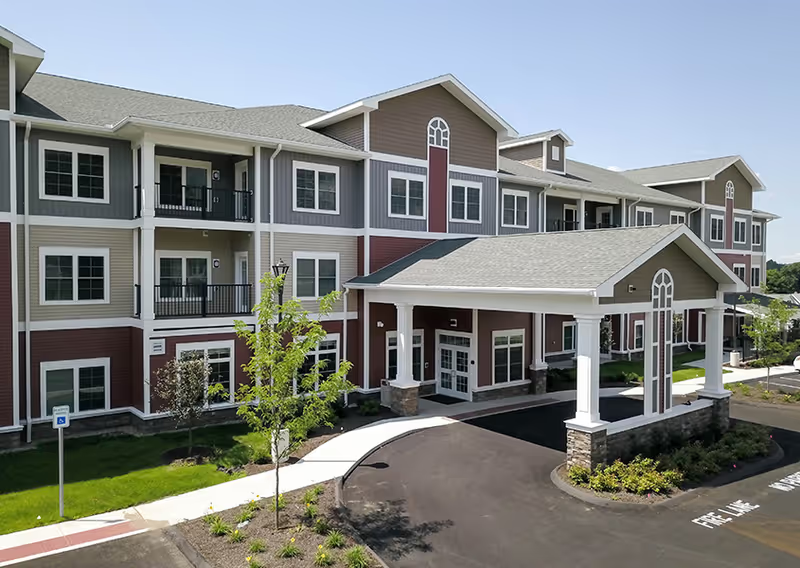
The Arbors at Amherst presents as a staff-centered assisted living and memory-care community with consistent praise for caregiver compassion, dementia-specific skills, and accessible leadership. Many families describe staff as attentive, well trained in dementia redirection, and responsive to family questions; named staff and administrators are frequently singled out as supportive. Safety measures in the memory-care neighborhood and documented fall-response procedures were noted positively, and the environment is commonly characterized as home-like and community oriented.
Clinical and daily-care strengths are balanced by some operational limitations. Reviewers routinely praise the caregiving team’s ability to engage residents, calm and redirect without embarrassment, and collaborate effectively across shifts. At the same time, there are recurring notes about inconsistent communication among family contacts and occasional delays related to personal-care tasks and bathroom maintenance; several families described sanitation and odor concerns on specific occasions. The community is not a 24-hour skilled nursing facility—on-site rehabilitative services (OT/PT/speech) and continuous clinical coverage are limited or not included—so prospective residents should confirm clinical-service availability against their needs.
Dining and programming are frequently highlighted as strong points. Meals are described as chef-prepared, varied, and appealing (including themed meals and balanced menus). Daytime activities are robust: organized games, musical events, religious services, pet therapy, student visits, and off-site field trips and shopping outings are regular features that support socialization. However, activity scheduling appears concentrated in daytime weekday hours; several families would like more evening, weekend, and outdoor programming. Cost is viewed as high by some families, though many indicate that the services and peace of mind justify the expense.
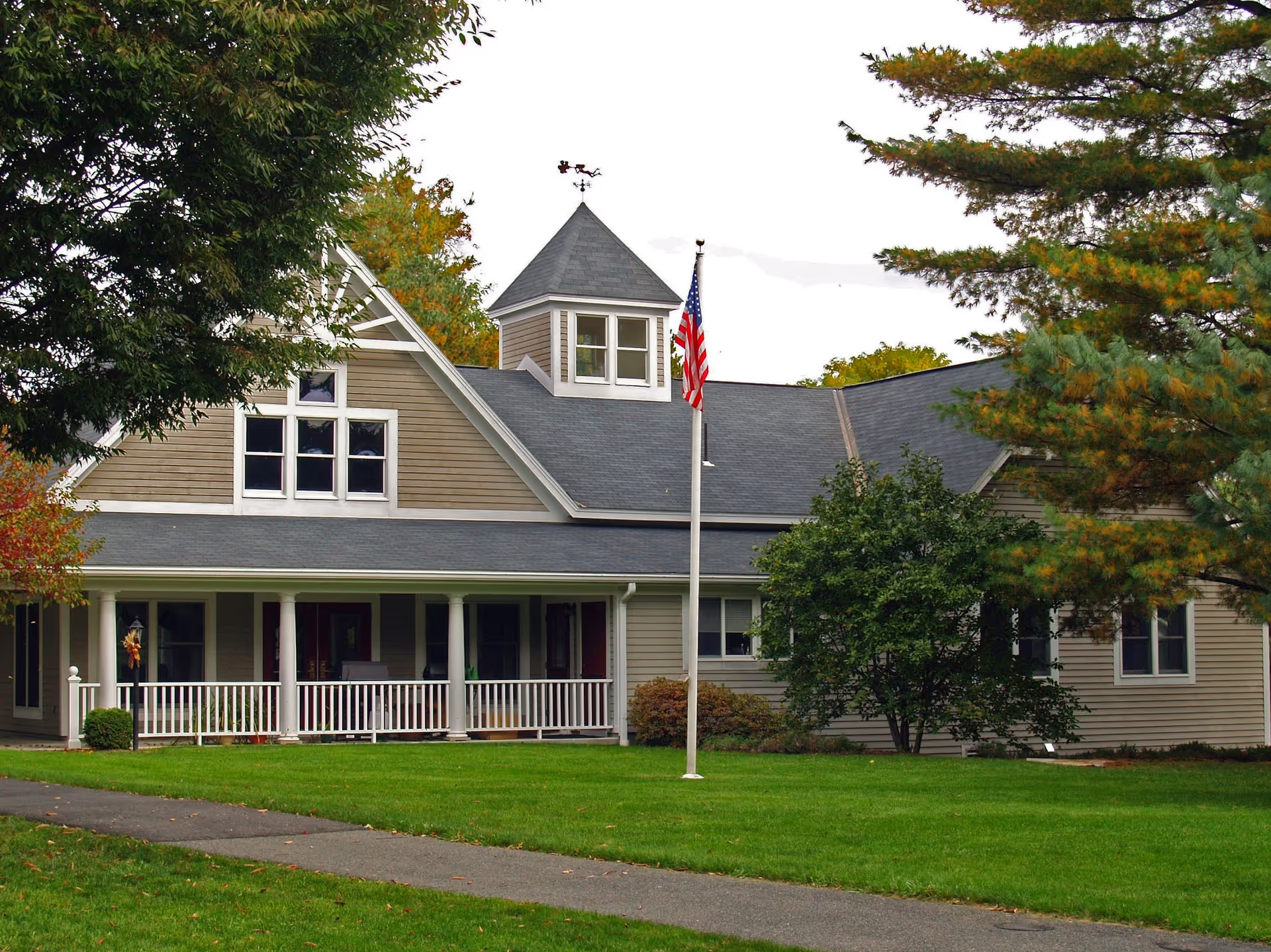
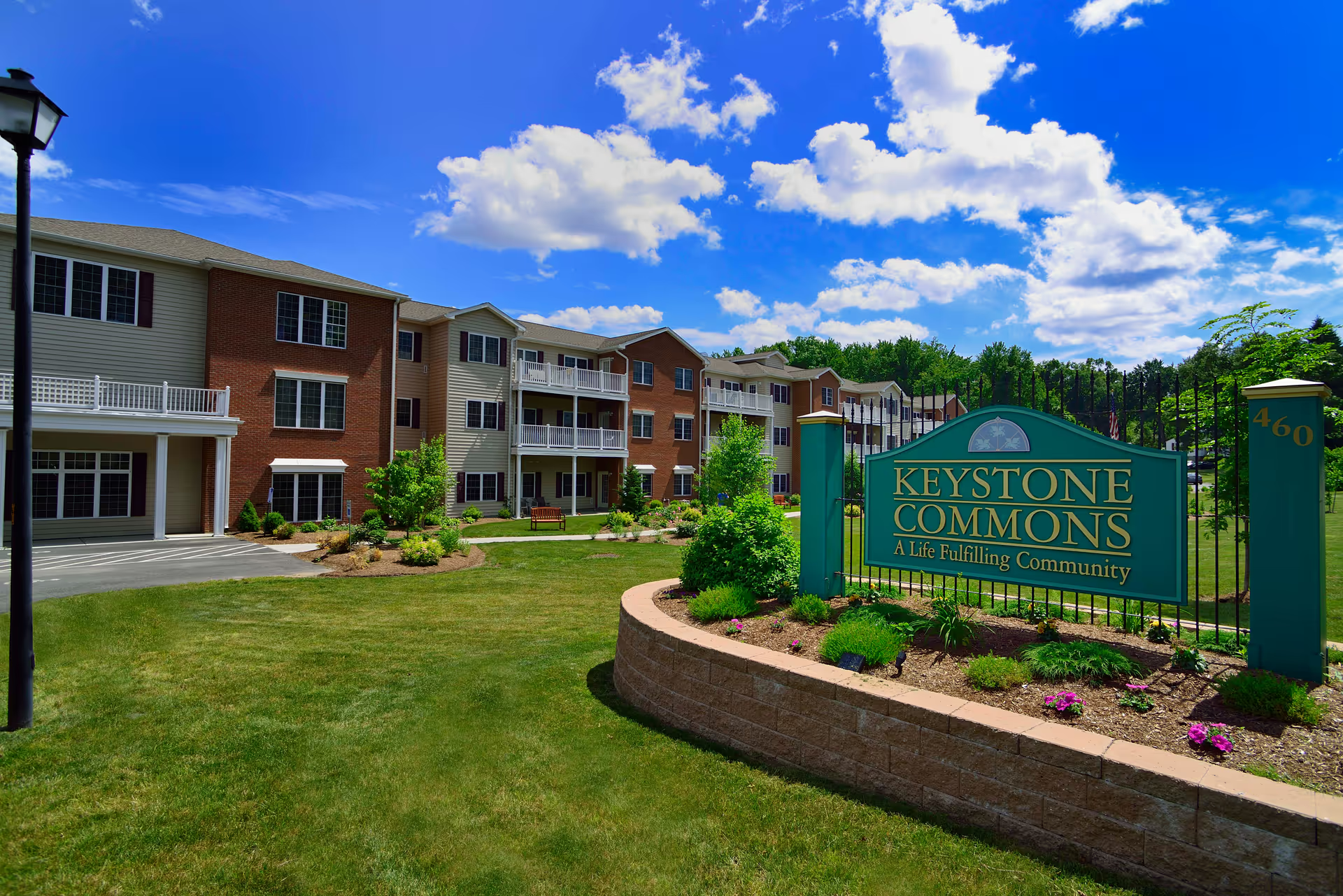
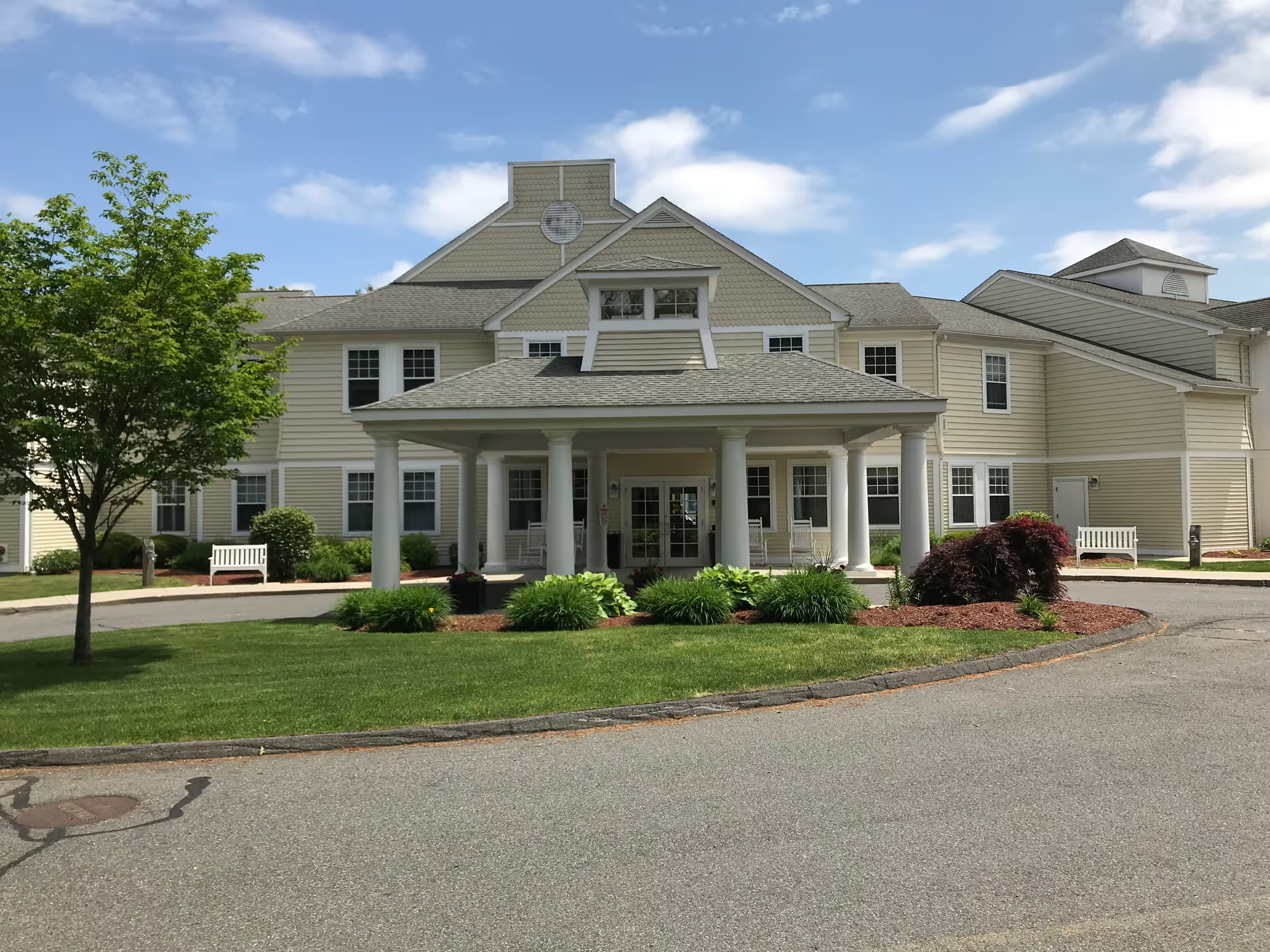
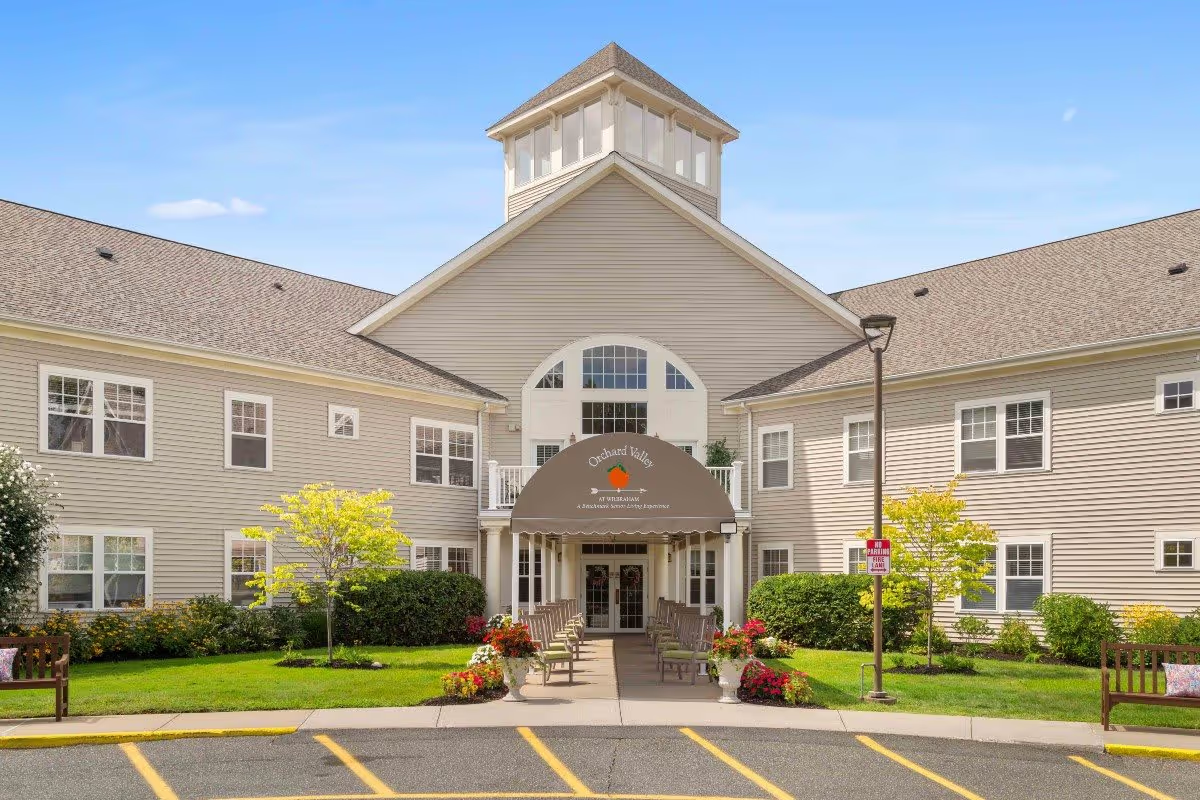
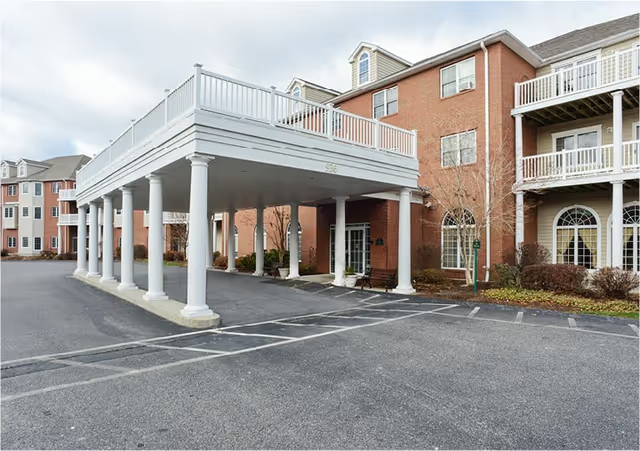
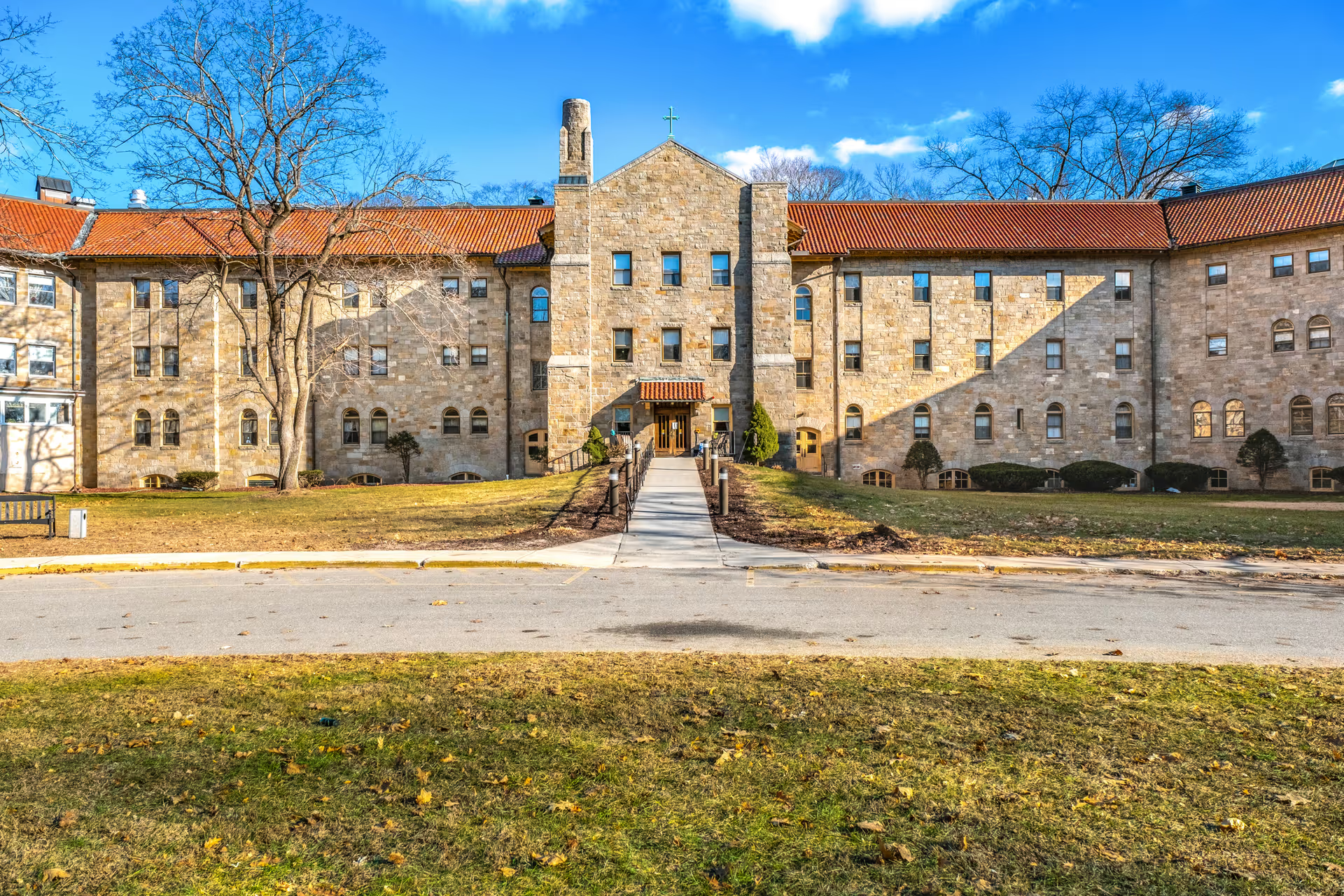
The physical environment and amenities receive generally favorable comments. Apartments are noted as comfortable and roomy enough for personal furniture, with mini-kitchens in many units and on-site conveniences such as a hairdresser. The memory-care apartments are secure by design, which includes restrictions on unsupervised exit and limitations on in-unit cooking (e.g., stoves may be disconnected). The facility footprint is relatively large, which can mean longer walks between areas for residents with limited mobility.
Management and transparency are described positively overall. Leadership is accessible, move-in coordination is helpful, and cost information is presented clearly to families. That said, operational gaps surfaced around billing (extra memory-care fees), occasional variability in the availability of on-site clinical providers, and some inconsistencies in sibling/family coordination about supplies and care details. Prospective residents and families should arrange detailed discussions about memory-care pricing, clinical-service scope, evening/weekend programming, and housekeeping/personal-care protocols to ensure alignment with individual care needs.
In summary, The Arbors at Amherst appears to offer a compassionate, activity-rich community with notable strengths in dementia care, dining, and family engagement. Prospective residents will likely benefit from the home-like atmosphere and structured daytime programming, while those with high rehabilitative needs, requirements for continuous clinical coverage, or sensitivity to intermittent sanitation issues should verify operational details and accommodations before moving in.