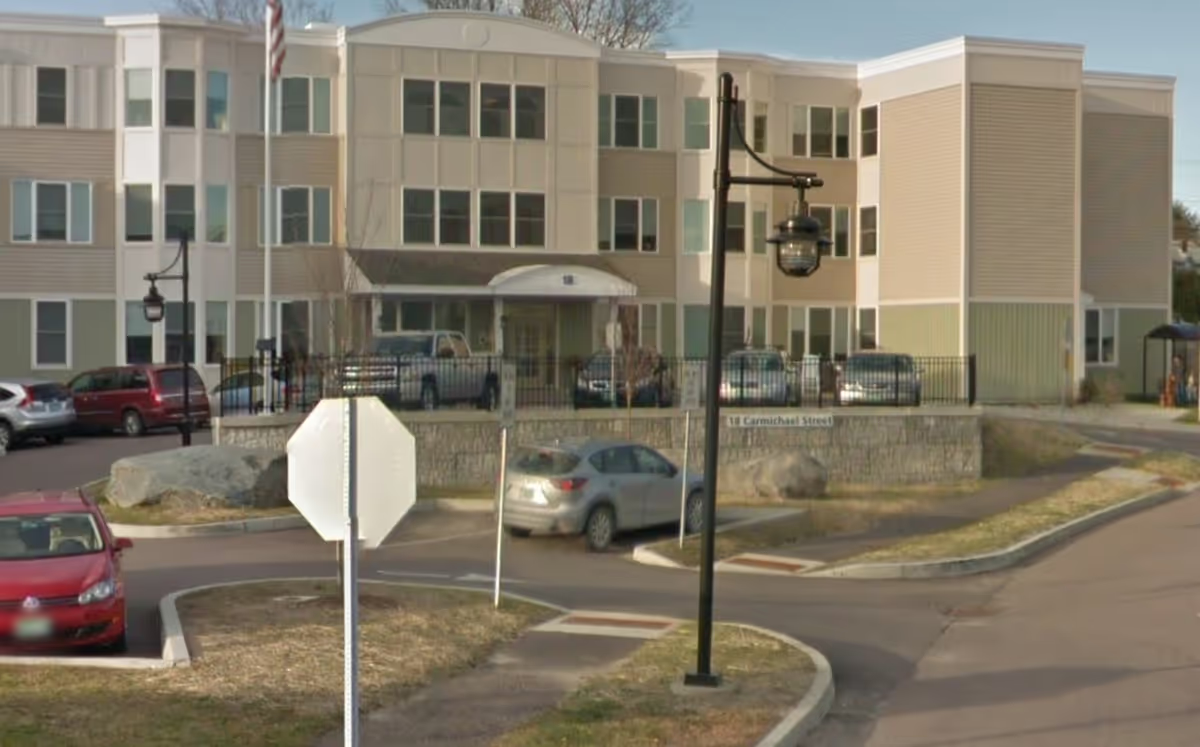
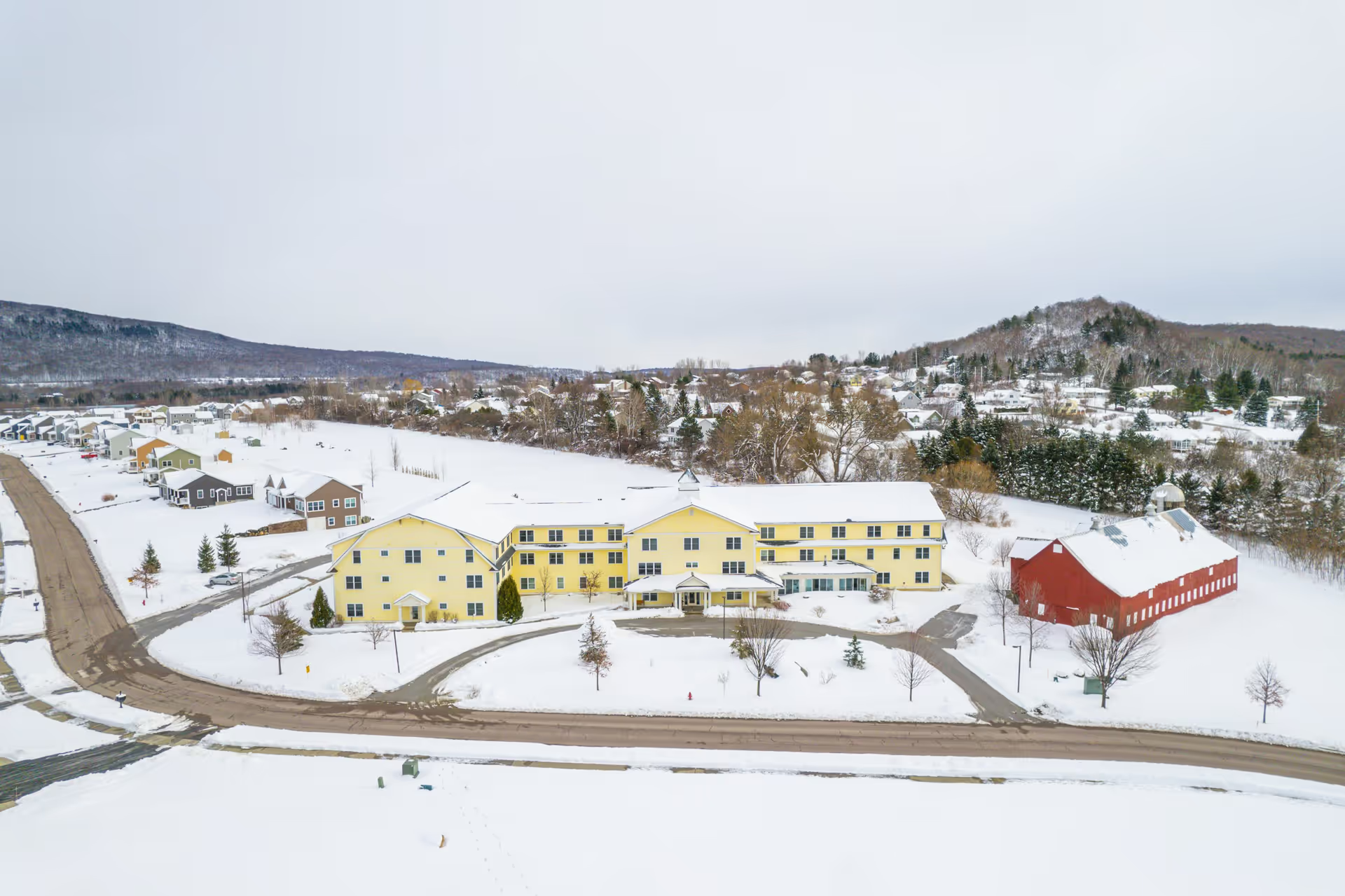
The reviews present a divided picture of Pines Rehabilitation & Health. On the positive side, several comments emphasize committed, hardworking frontline staff described as caring and professional, and reviewers noted a supportive workplace culture and a newly engaged administrator who appears interested in residents and employees. Some families characterized the facility as generally safe and appropriate for daily living. These elements suggest strengths at the bedside and potential for improved oversight under new leadership.
At the same time, there are recurring operational concerns that warrant attention. Multiple reviewers reported delays in staff availability and responsiveness, which can affect routine assistance and timely attention to resident needs. Dining was repeatedly described as inconsistent, with some callers characterizing food quality as poor; this suggests weaknesses in meal planning, preparation, or service continuity. Reviewers also raised issues about staff conduct and communication tone, indicating variability in how staff interact with residents and families.
Care-quality gaps appear in specific domains. Several reviewers raised worries about end-of-life care coordination and family communication, suggesting opportunities to strengthen clinical planning, advance-care discussions, and updates to families during critical periods. Administrative reliability is another theme: reviewers described unfulfilled commitments and inconsistent follow-through, which undermines trust and complicates care coordination. Staffing stability and variable staff performance were also noted, pointing to workforce-management and training challenges.
There are also more serious concerns that some reviewers raised about legal or regulatory matters and references to potential facility-level instability. These are significant and should be verified directly with oversight agencies and facility management; they indicate potential risk in operational governance and compliance.
Overall, the pattern is one of competent and compassionate direct-care staff working within a setting that faces managerial, operational, and dining-service challenges. Prospective residents and families should weigh the evident strengths in bedside caregiving against the reported issues in responsiveness, meal quality, administrative follow-through, and end-of-life coordination. If considering this facility, ask management for documentation of staffing levels and turnover, meal-service procedures, protocols for end-of-life care and family communication, and any recent regulatory or inspection records; schedule a tour to observe staff–resident interactions and current condition of dining and common areas.