Bel-Aire Center elicits a largely positive picture around clinical care, environment, and leadership, with recurring praise for compassionate nursing, strong physician involvement, and a coordinated interdisciplinary team. Families frequently highlight attentive bedside care, effective wound management, and a rehabilitation focus that benefits short-term post-surgical stays. Several accounts emphasize that staff across therapy, dietary, housekeeping, and administration work together to prioritize resident comfort and quality of life.
Dining and dietary services are often described as a strength. Reviewers note meals that are pleasant, adaptable to resident preferences, and presented in an inviting dining-room setting. At the same time, there are intermittent comments about variability in meal quality and some food-safety concerns; prospective families may wish to confirm meal scheduling and food-handling practices during a tour. Rehabilitation services are generally praised for effectiveness and responsiveness, though a few families experienced limitations in allotted therapy time or scheduling that reduced perceived benefit.
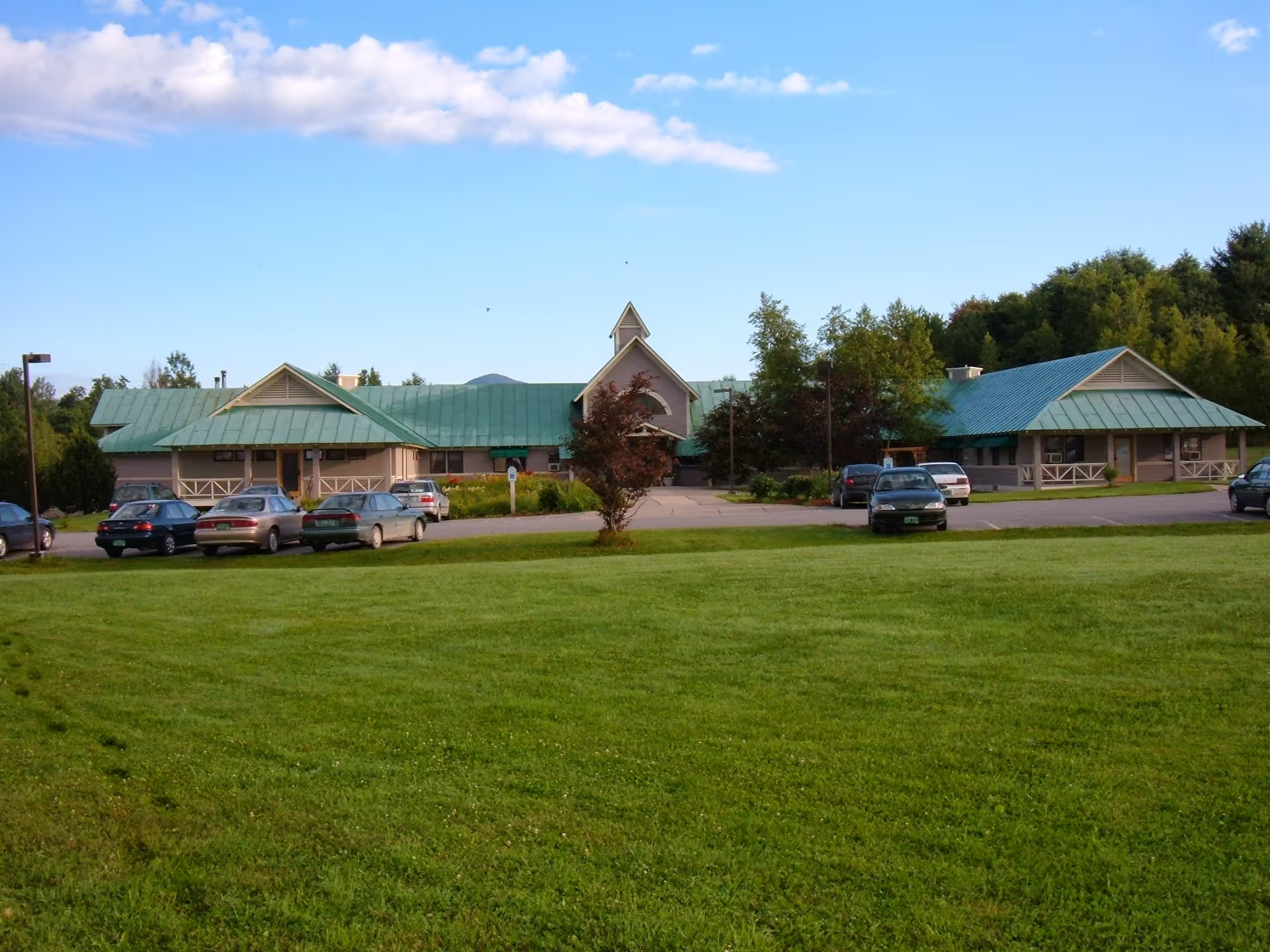
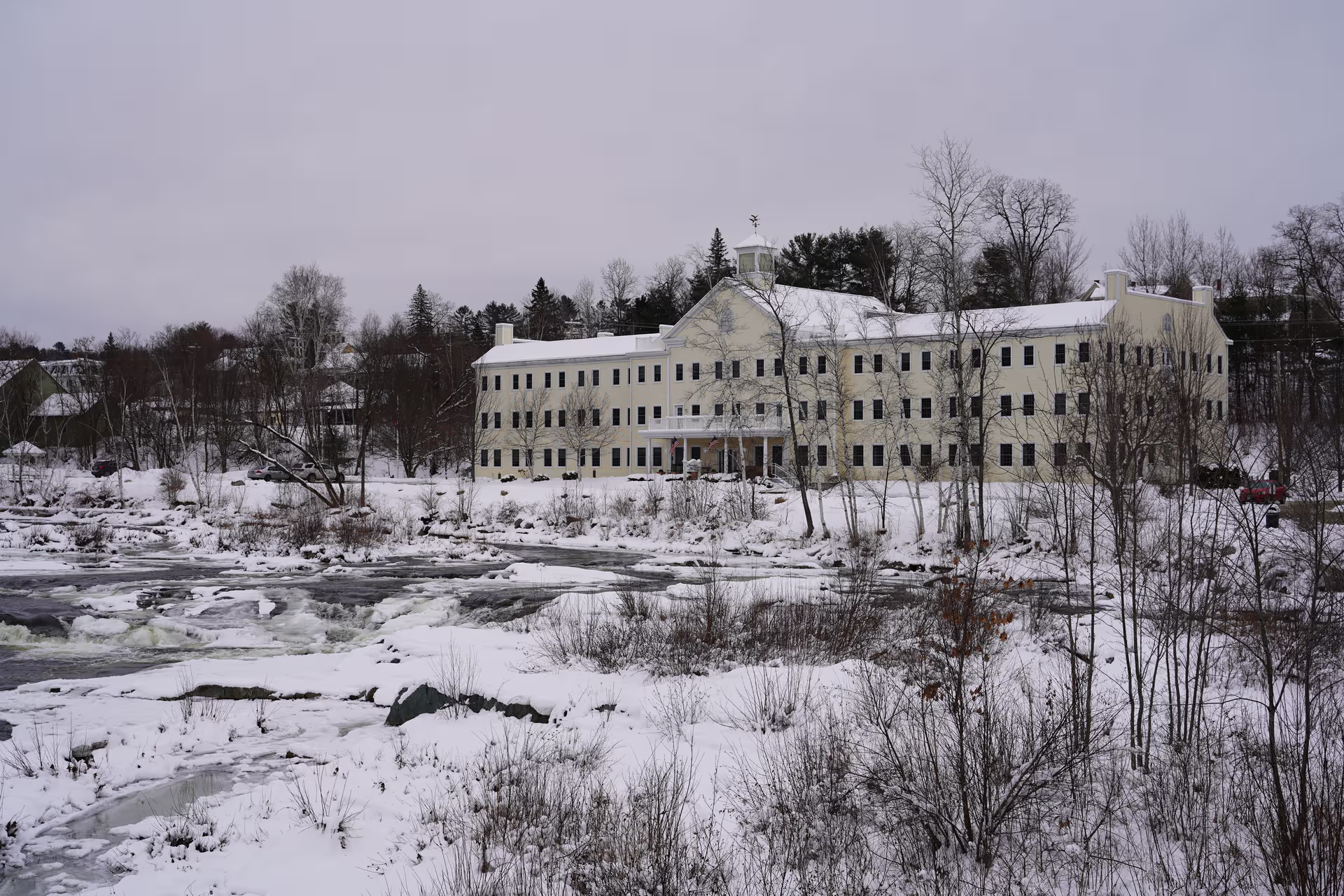
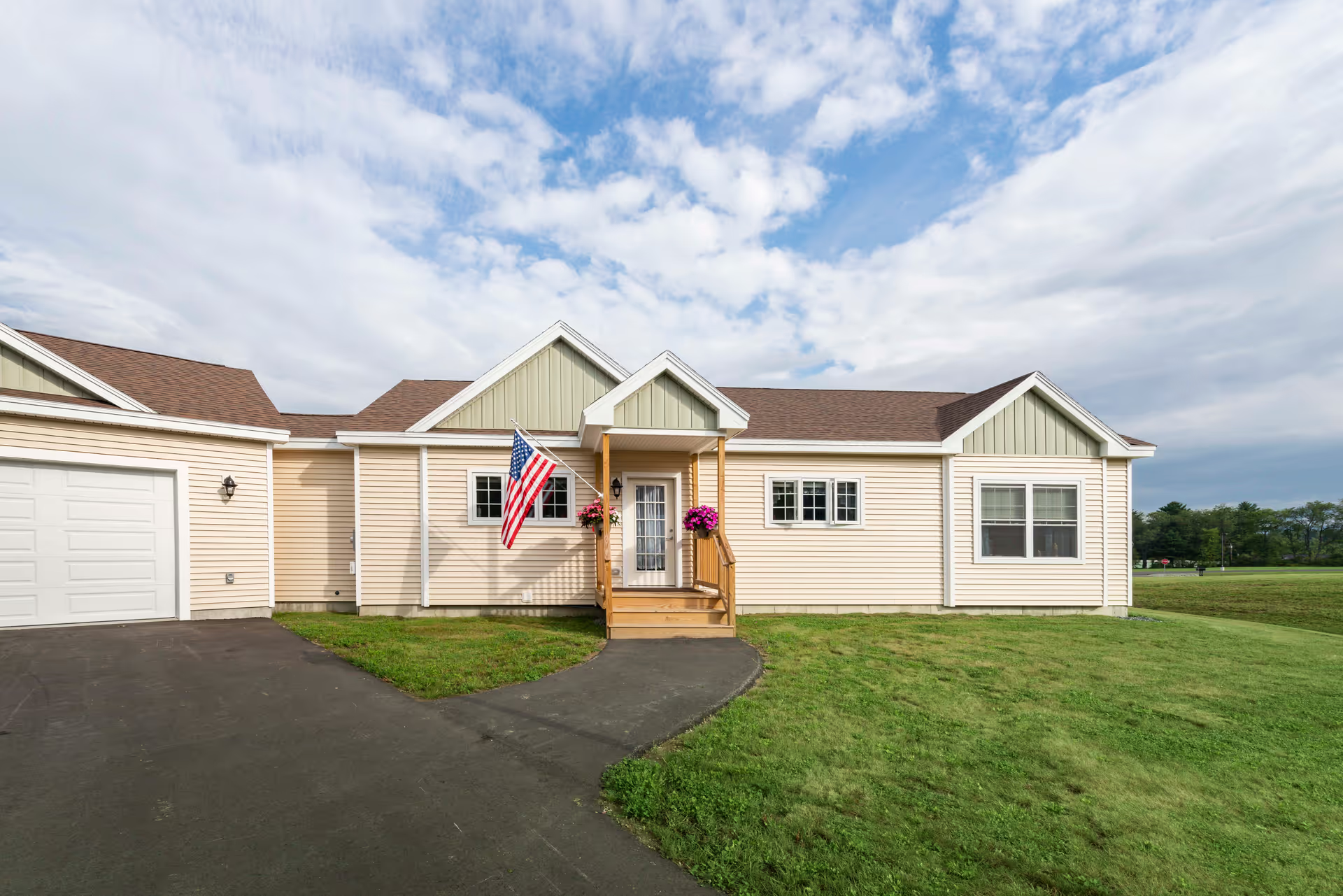
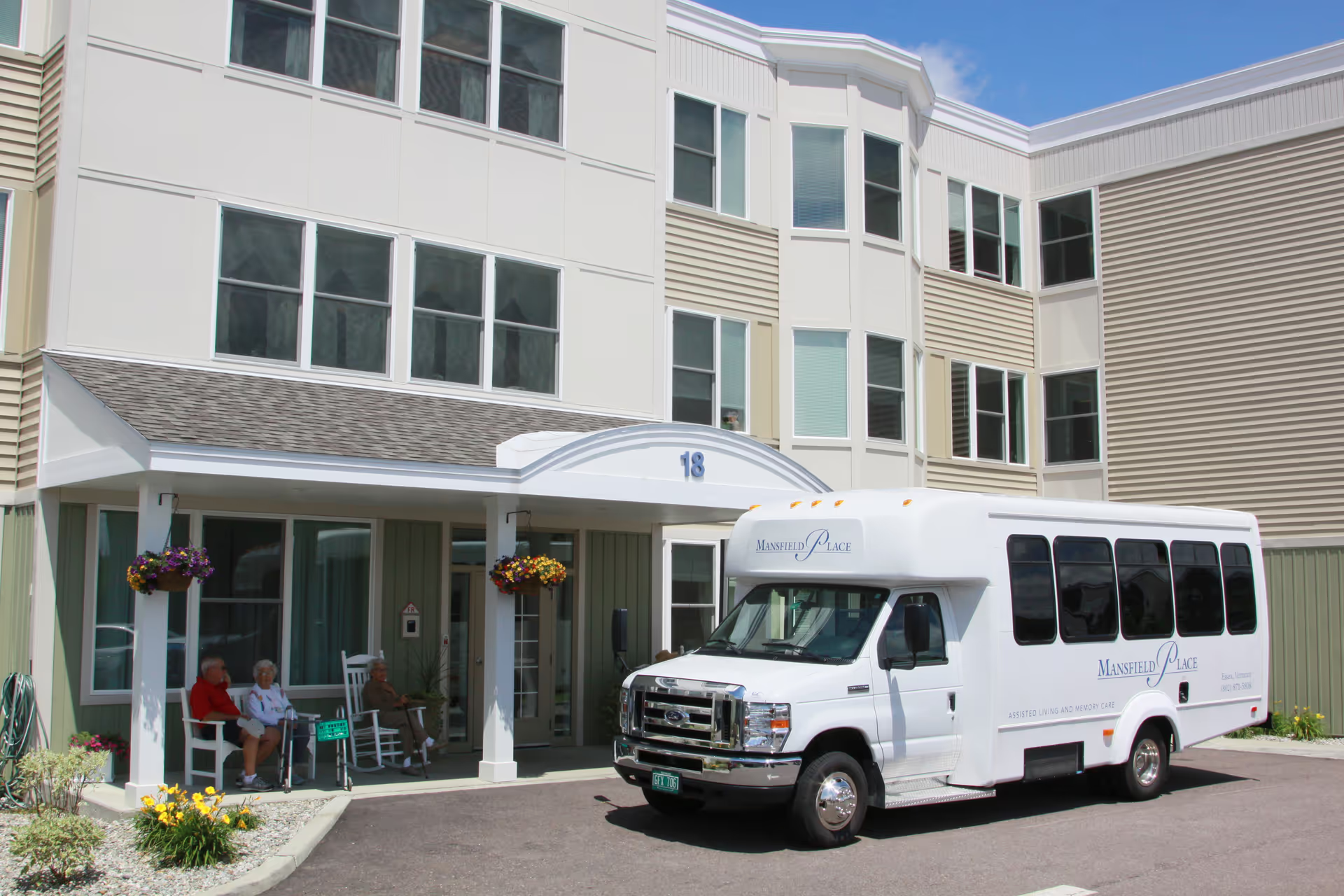
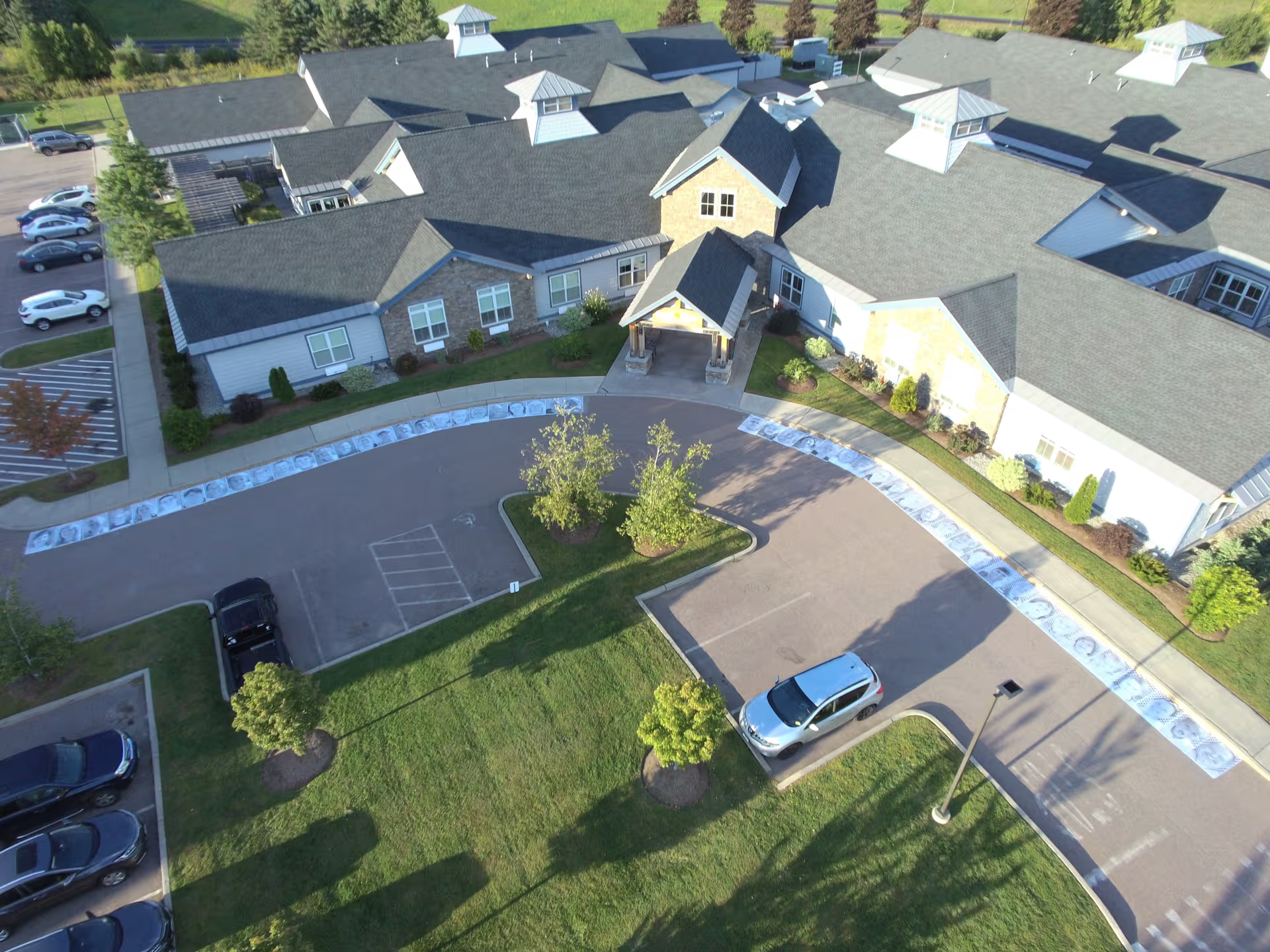
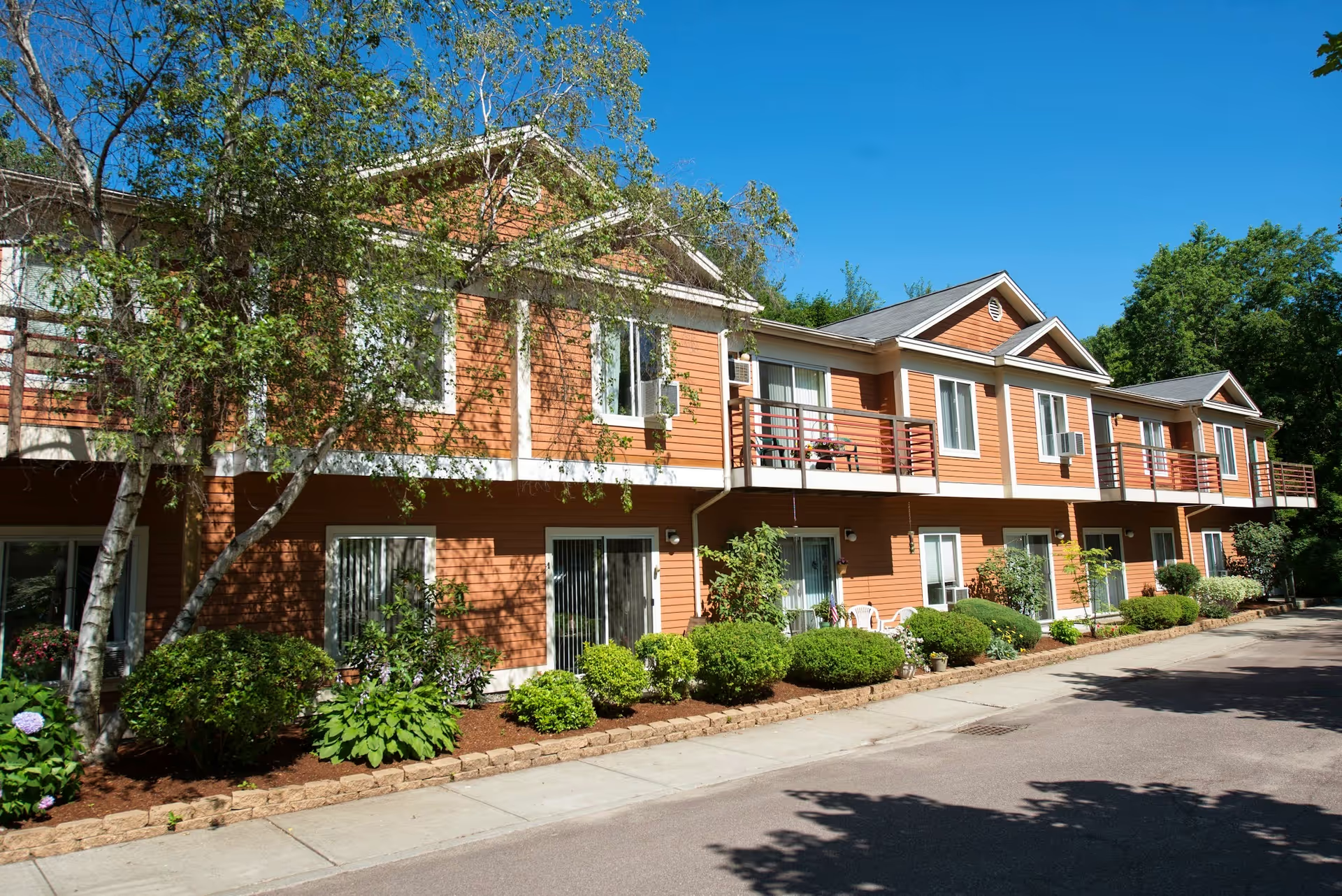
The physical facility is commonly characterized as clean, spacious, and home-like. Daily room cleaning and refreshed rooms are noted, as are welcoming common areas and décor. A small-house atmosphere appears to support social engagement and family visits; unlimited family visitation was noted positively. That said, there are operational concerns around shared-bathroom accessibility for some rooms and occasional inconsistencies in housekeeping or the management of resident belongings.
Management and leadership receive positive attention for proactive communication, visible administration, and pandemic responsiveness. Reviewers cite long-tenured staff and a leadership team that follows through on care commitments. Conversely, recurring operational themes include variability in staff professionalism and responsiveness, gaps in medication and pain-management timeliness, and episodic understaffing. These patterns have, in some cases, led to transfers to higher-acuity care and to significant family concern about clinical responses.
Taken together, Bel-Aire Center presents as a facility with demonstrable strengths in clinical care, rehabilitation, dining, and a warm physical environment, supported by engaged leadership. However, variability in day-to-day staffing, communication, and certain operational practices (medication responsiveness, housekeeping consistency, therapy scheduling, and shared-bathroom accessibility) emerge as areas to investigate further. Prospective residents and families would be well served by an in-person visit focused on medication/pain-management protocols, current staffing ratios, therapy schedules, meal service sampling and timing, and bathroom accessibility to ensure the facility’s operational fit with the resident’s needs.