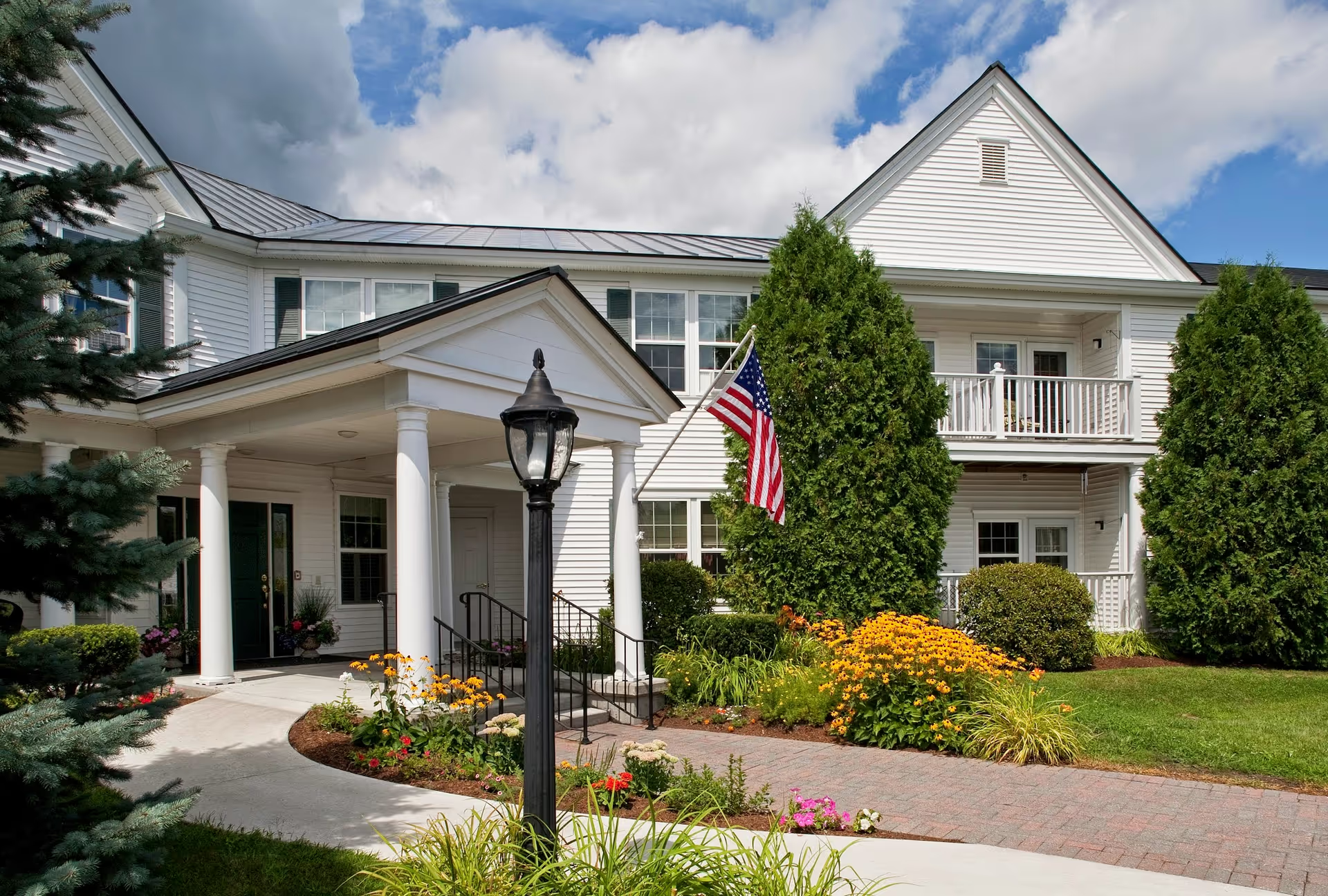
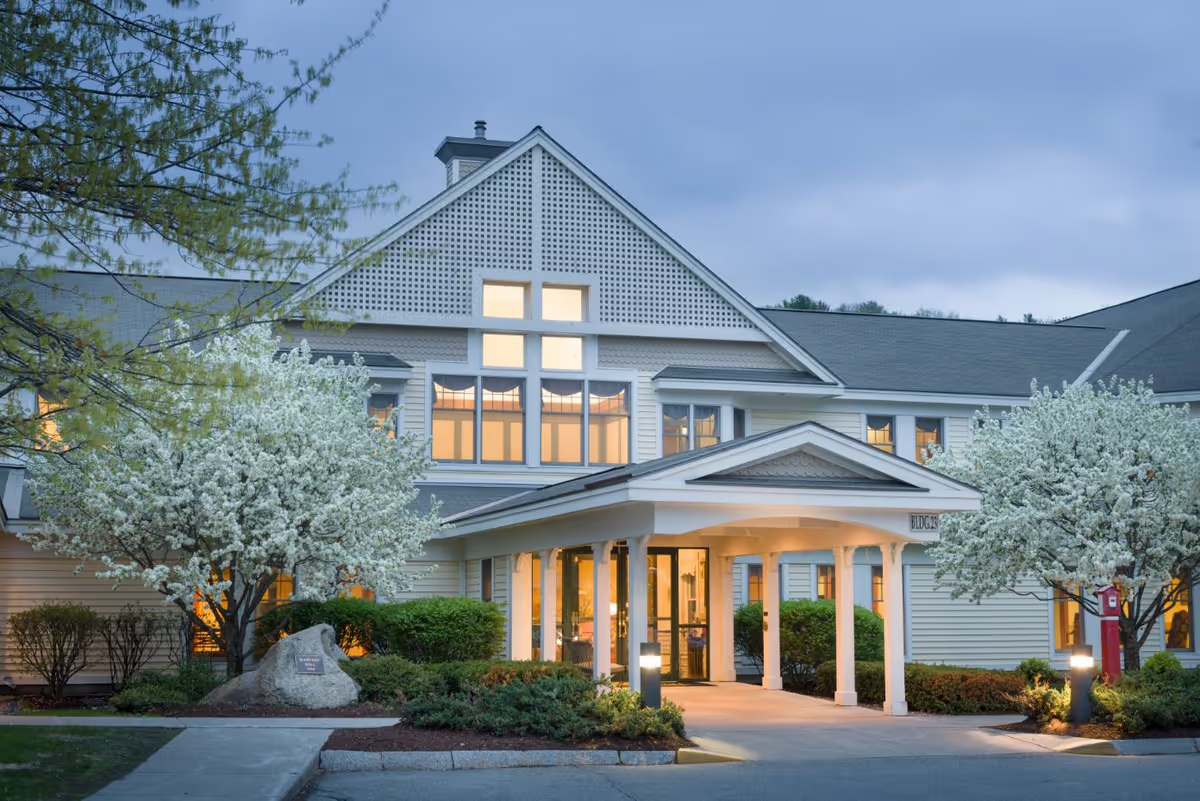
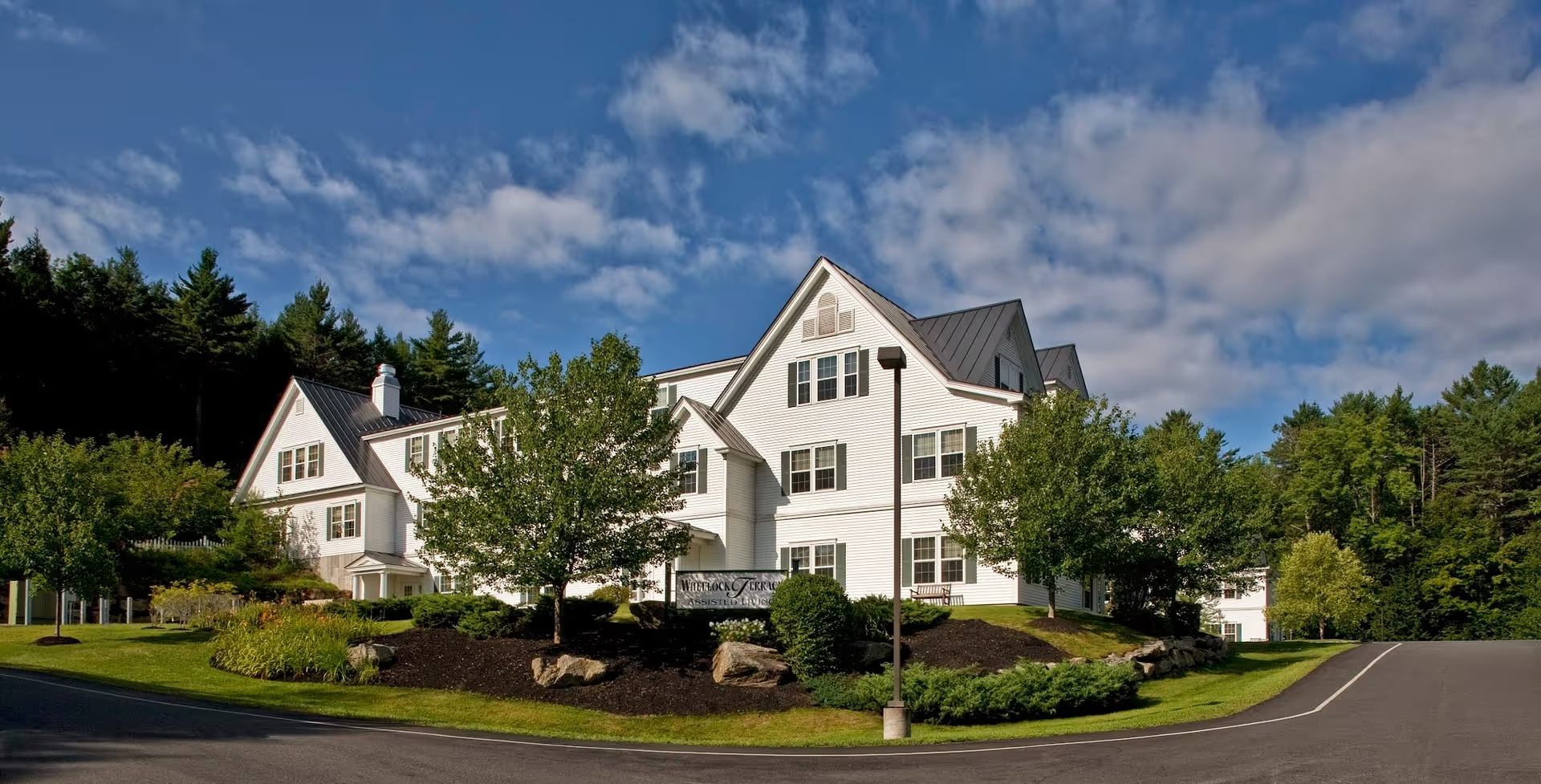
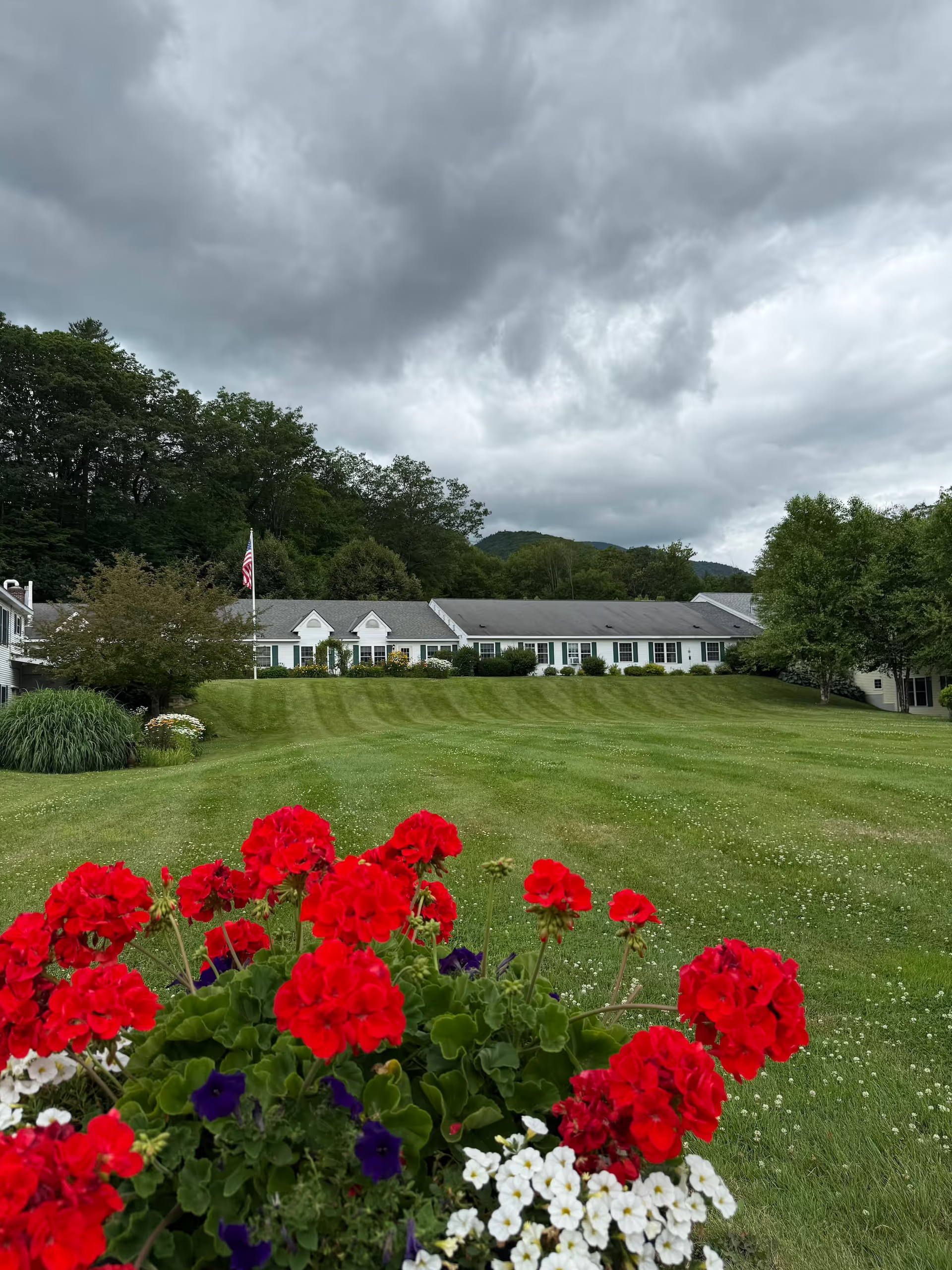
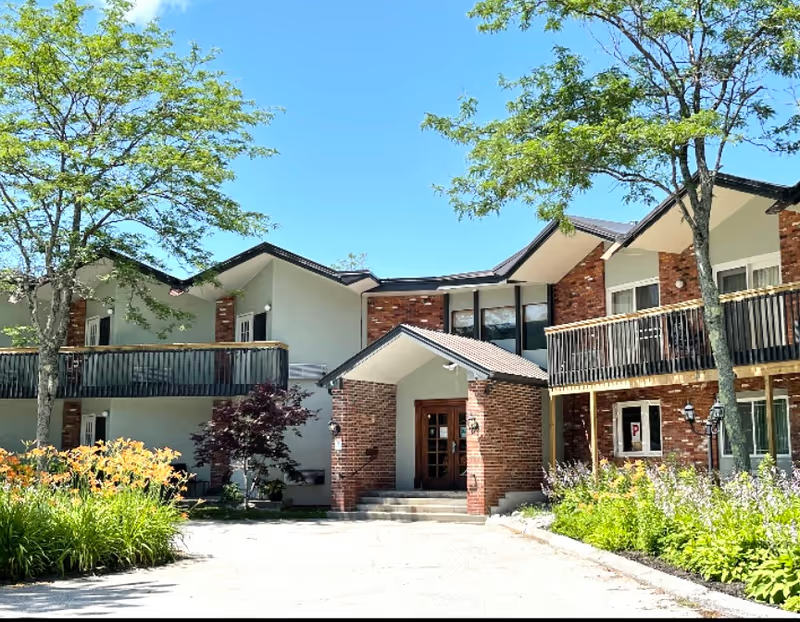
Feedback reflects a mixed picture of care at this small memory-care residence (approximately 14 residents). Positive themes emphasize a small, home-like scale, individualized care plans, and a generally coordinated caregiving and administrative team. Families describe staff as caring, knowledgeable, and responsive; several comments note that the move eased family stress and that residents adapted well. The community offers an active programming schedule, visible dedication from employees, and amenities such as a hotel-like interior and a grand piano that contribute to resident engagement and atmosphere.
At the same time, reviewers raise several operational concerns that are important for prospective families to evaluate. Dining is a recurring area of inconsistency: comments range from satisfying meals to inadequate portions and uneven food quality. Related concerns include food-service hygiene practices and instances of staff-handling or serving lapses. Housekeeping and room maintenance show variability, with sanitation and pest-control concerns identified for some rooms. The facility also appears to have limited outdoor walking or recreational space.
Staffing and clinical-practice variability are another pattern. While many staff are described as friendly and attentive, reviewers also describe uneven performance across shifts and questions about staff competence for some clinical tasks (for example, basic vital-sign monitoring). Communication weaknesses emerge as a cross-cutting issue: families cited delays or gaps in notification around clinical changes and end-of-life events, and at least one account described unsatisfactory handling of a resident's death. These items suggest the facility may benefit from clearer end-of-life protocols, consistent shift-to-shift communication practices, and documented clinical training standards.
Finally, several families expressed concern about cost relative to the perceived quality and consistency of services. Given the mixed feedback, prospective residents and families may want to tour the community during meal and activity times, review housekeeping and pest-control records, ask for documentation of staff training and clinical competency checks, and clarify end-of-life communication policies. Observing staff interactions across multiple shifts and asking specific questions about infection-control, food-service procedures, and outdoor access can help form a clearer picture of whether the facility’s strengths align with a family’s priorities.