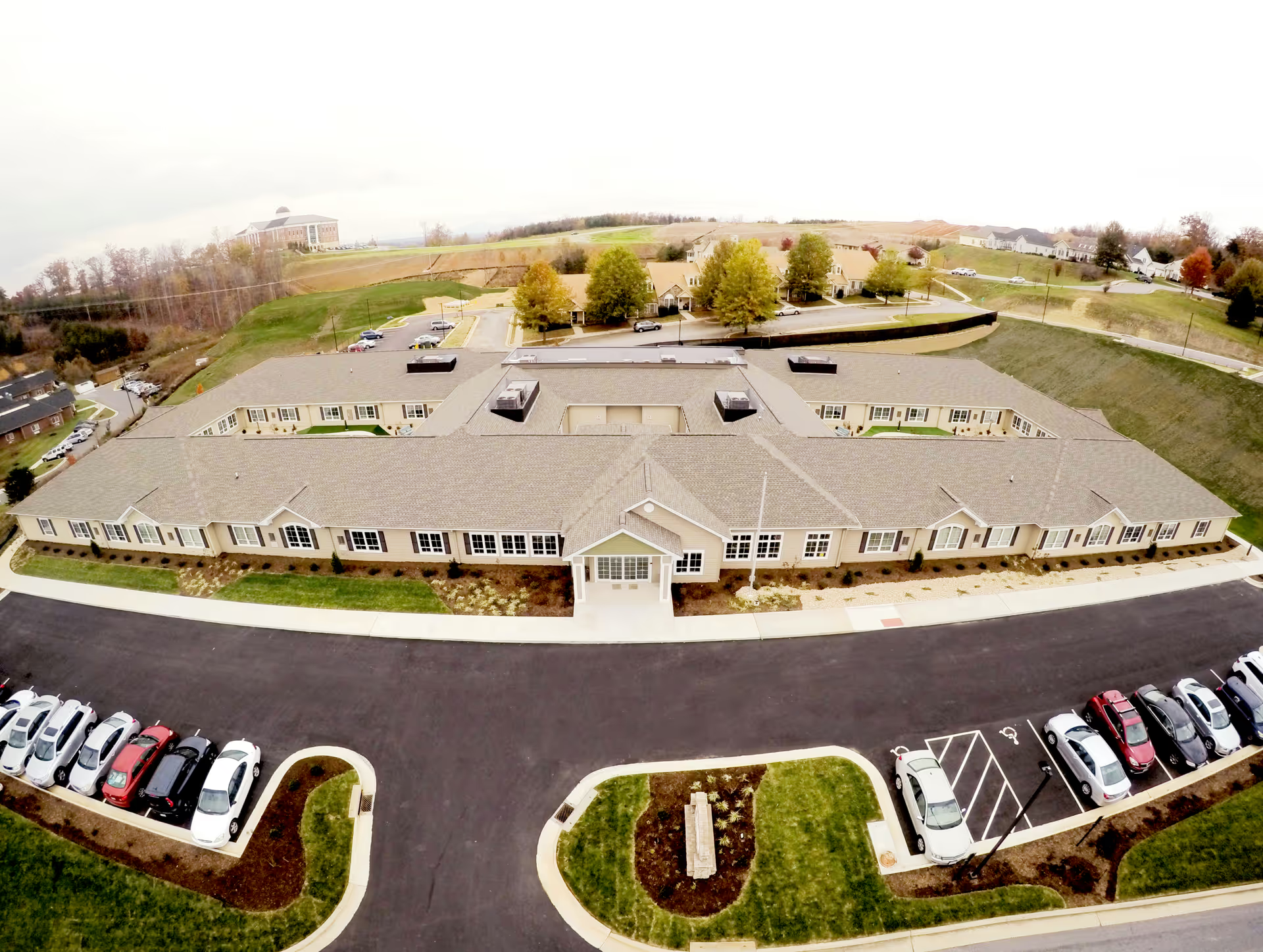
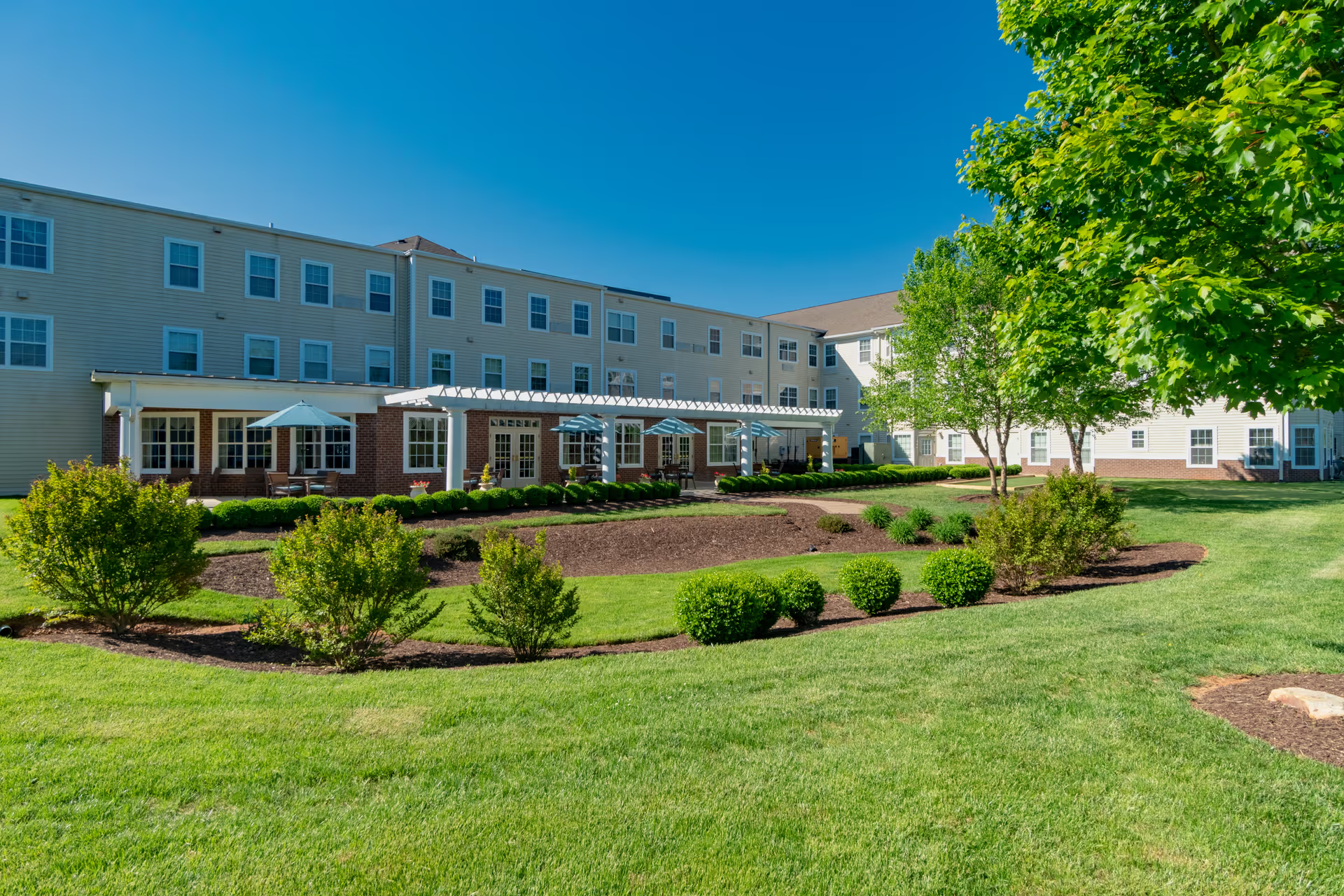
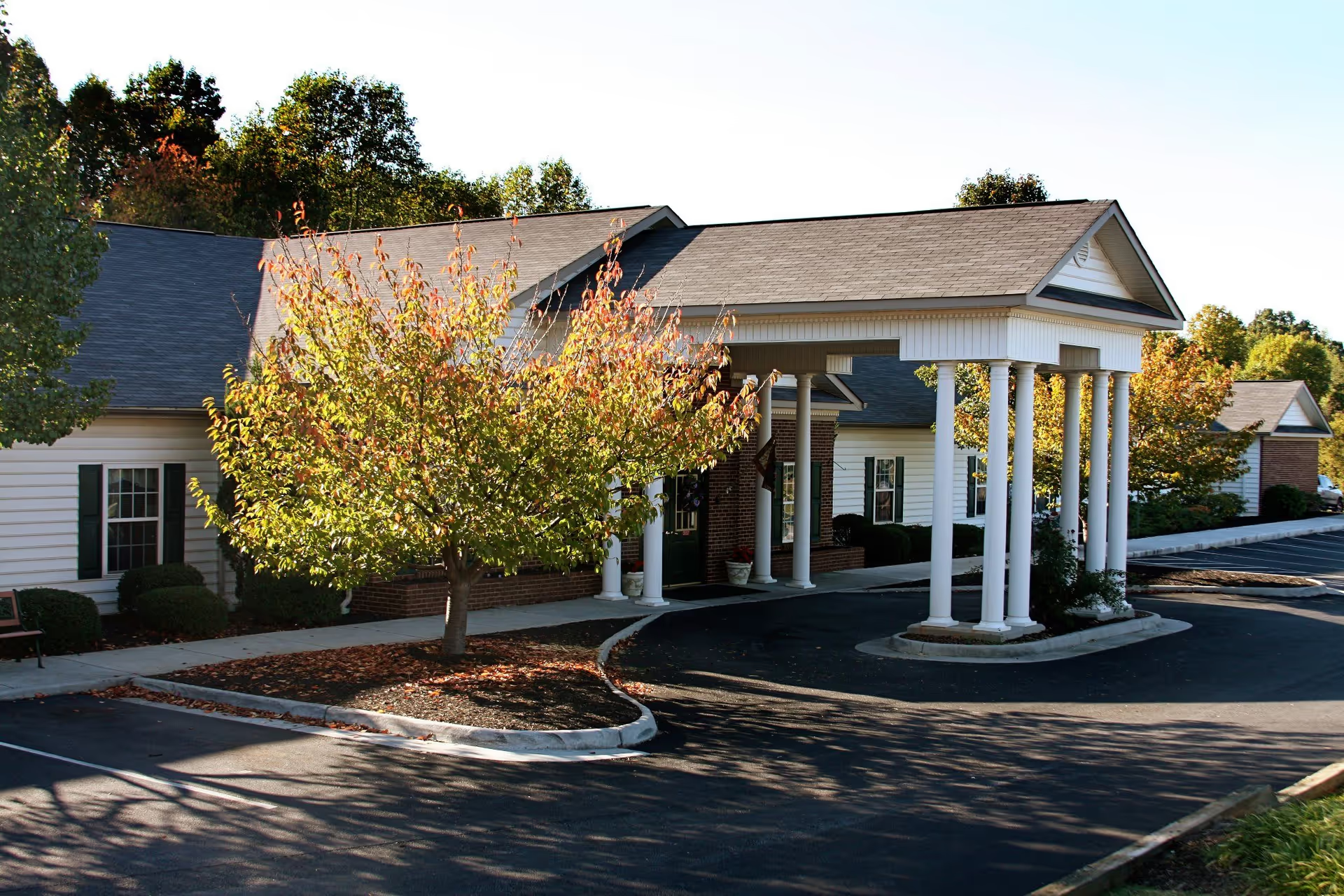
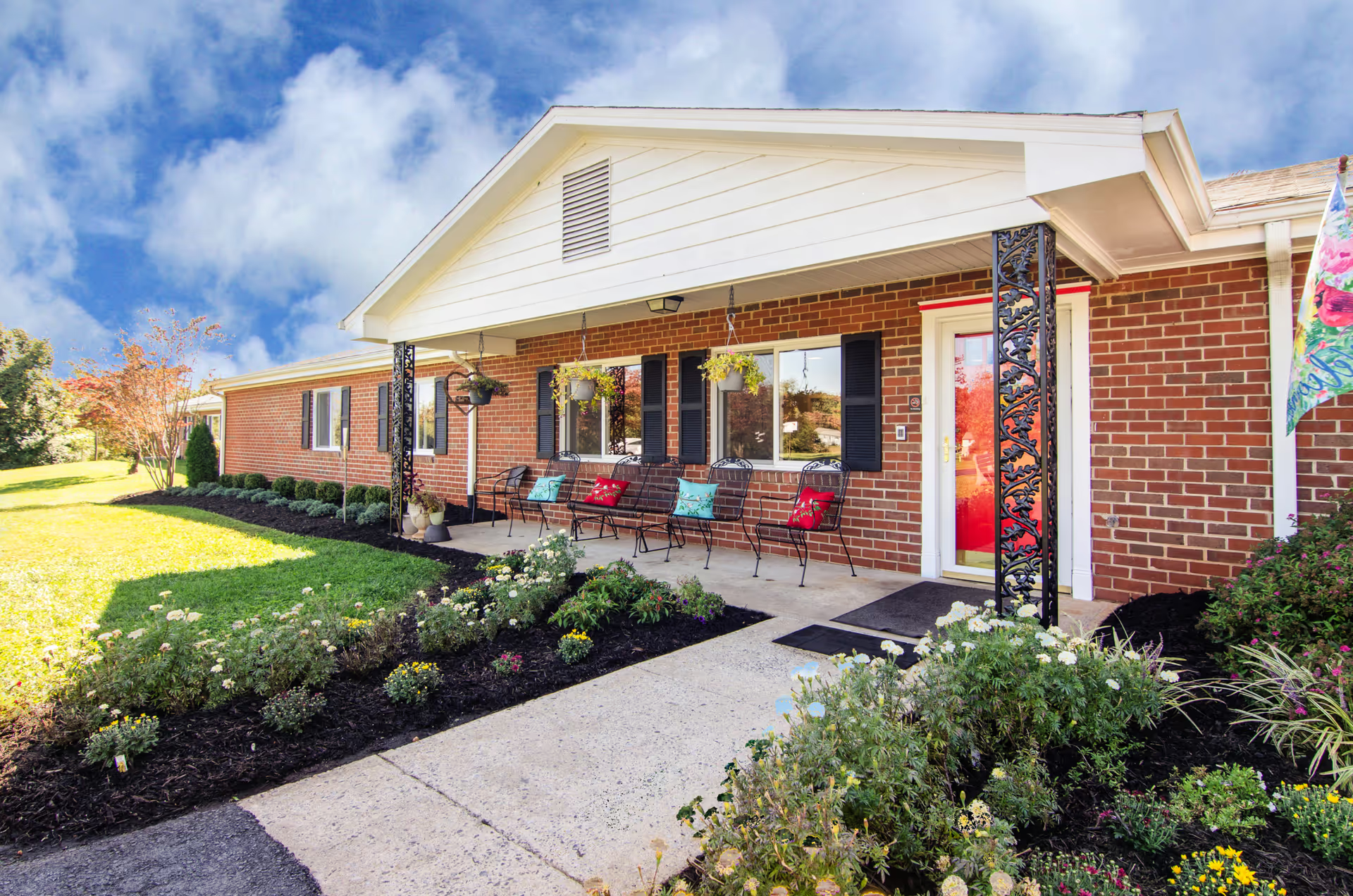
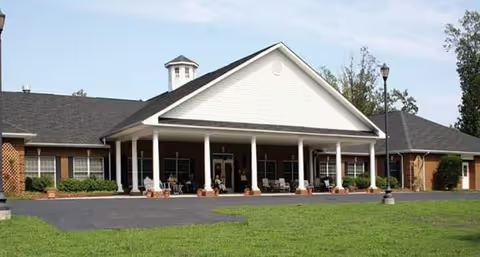
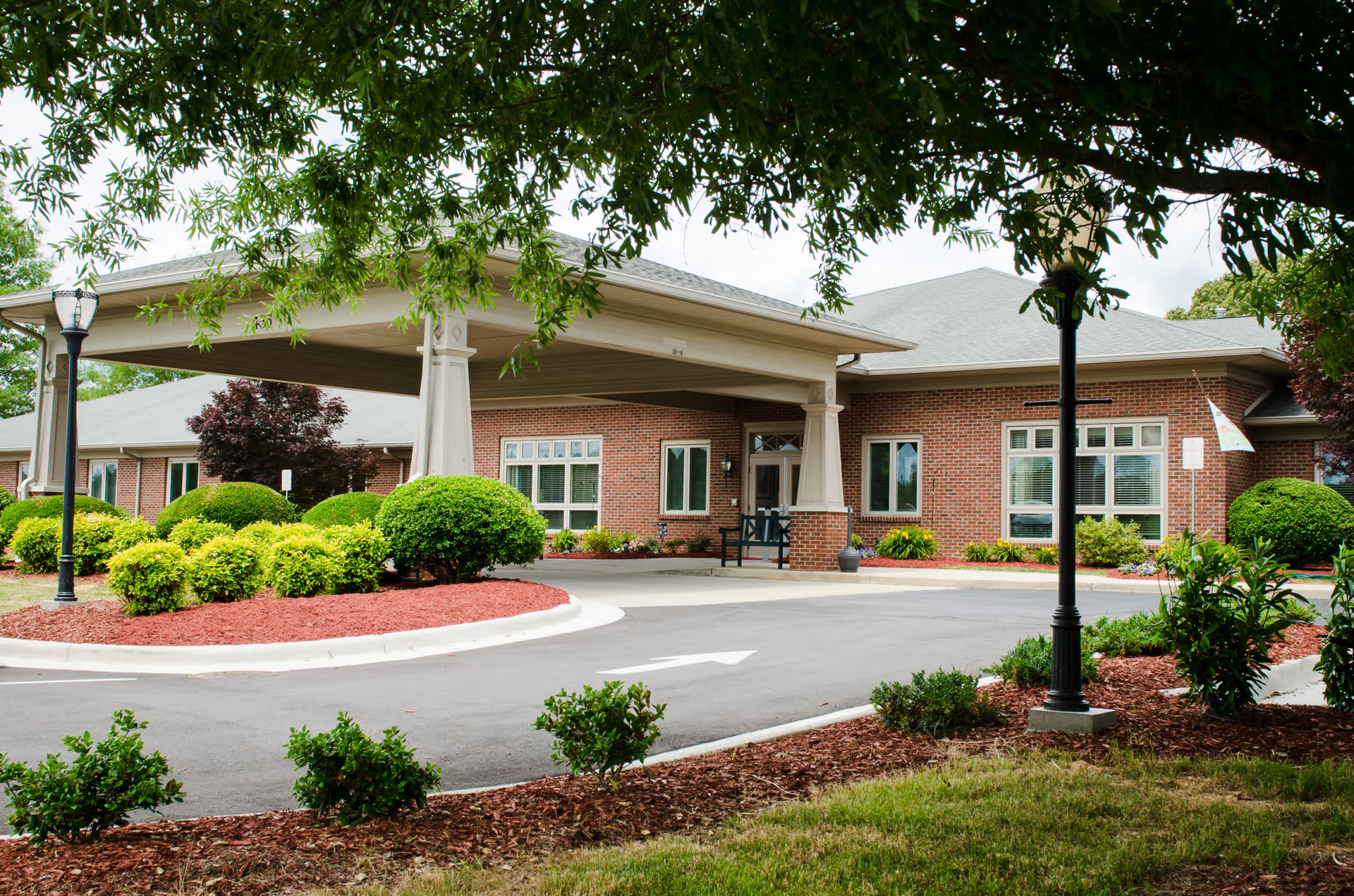
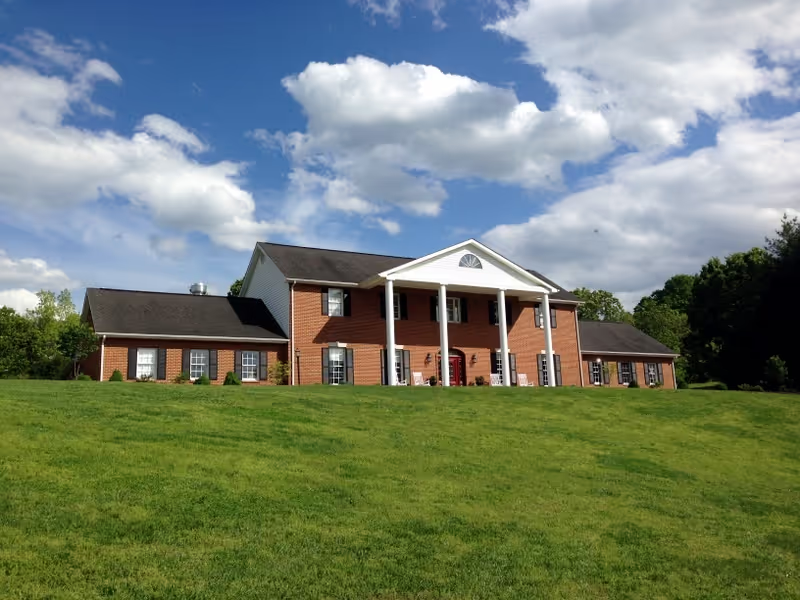
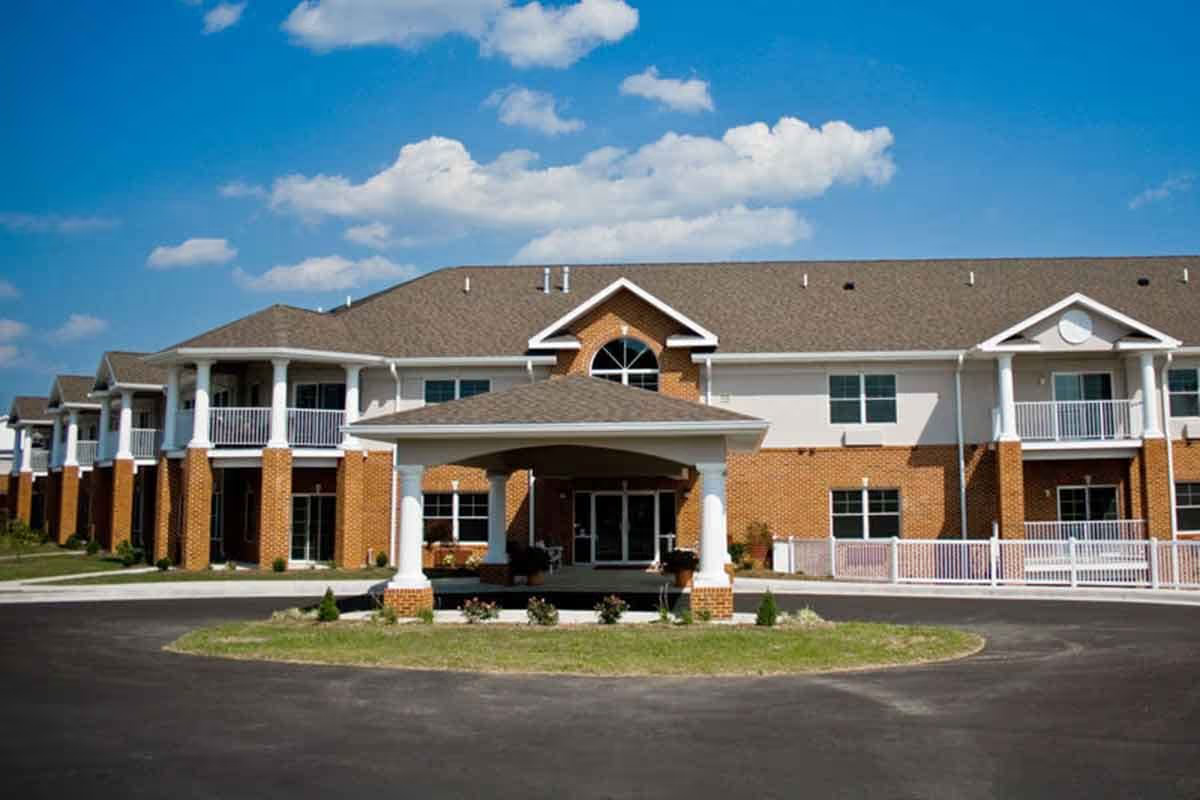
Appomattox Health & Rehabilitation Center elicits a broadly positive impression for many families, with frequent praise for the compassion, attentiveness, and continuity provided by nursing, CNA, and therapy teams. Reviewers commonly describe a family-like atmosphere, strong rehabilitation outcomes, active programming, and a welcoming physical environment highlighted by recent renovations and good housekeeping. Admissions and transfer coordination are repeatedly noted as a strength, and on-site clinical practitioners (nurse practitioners/PAs) and responsive administrators are described as facilitating clear communication and continuity of care.
Clinical care and therapy are central strengths in the feedback. Physical and occupational therapy are often credited with measurable functional improvement and motivating programming; therapy staff are described as energetic and encouraging. Nursing and aide teams receive many compliments for personalized attention, dependable daily-routine assistance, and proactive care coordination such as arranging appointments and roommate matching. End-of-life and hospice support are also cited positively, with families reporting compassionate support during those transitions.
At the same time, reviewers identify several operational patterns that warrant attention. Dining quality is inconsistent in multiple accounts, with complaints about bland or heavily starchy menus and limited fresh fruit and vegetable offerings. Cleanliness and sanitation are strengths in many descriptions of renovated common areas, but other comments describe sanitation and equipment-hygiene lapses in certain units, indicating uneven performance across the facility. Staffing variability and short-staffing pressures are described as impacting responsiveness, therapy delivery, and timeliness of medication and pain management in some cases.
Other recurring concerns relate to care processes and transitions. Some families reported delays or inconsistencies in therapy initiation and follow-through, gaps in skin-integrity prevention (including pressure-injury management and repositioning practices), and instances of unclear discharge planning or coordination of post-discharge services. A subset of comments also referenced variable staff professionalism and communication tone, occasional logistic issues (lost personal items or unclear charges), and limited visitor seating/privacy in resident rooms.
Overall, the facility demonstrates notable strengths in person-centered culture, rehabilitation services, activity programming, and admissions responsiveness. Prospective residents and families should weigh those strengths against the operational weaknesses noted above—particularly around meal quality, consistent sanitation and equipment-hygiene practices, staffing stability, medication responsiveness, and discharge coordination—and ask targeted questions during tours about current staffing levels, skin-integrity protocols, meal menus, and specific transition-of-care planning to confirm current performance and improvements.