Ashby Ponds is commonly described as a well-appointed continuing-care community with a strong social culture and an extensive activity program. Many reviewers highlight an active lifestyle (including a large number of clubs and resident-run programs), varied educational and recreational offerings, and a campus that is attractive and well maintained. Residents and families frequently cite peace of mind from integrated services — on-site medical and dental care, fitness and pool facilities, housekeeping, shuttle/bus transport, and a gated campus with 24/7 desk coverage — all of which support maintenance-free living and a high level of daily convenience.
Care quality and staff: Staffing is one of the community’s most consistently praised elements. Reviewers commonly describe staff as attentive, personable, and engaged; many families noted strong hands-on support during moves and transitions and positive interactions around daily life and social programming. The continuing-care model and on-site clinical resources are seen as valuable for long-term planning. That said, there are repeated accounts of uneven responsiveness in some clinical or safety situations and isolated sanitation or hygiene concerns; these accounts suggest variability in clinical-care consistency and timeliness rather than a uniform pattern. Prospective families should ask about staffing ratios, clinical escalation protocols, and how the community handles clinical follow-up and family communication.
Dining and nutrition: Dining is a prominent feature of community life. Multiple dining venues, made-to-order options, and diverse menus earn high marks from many residents; several reviewers praised attentive dining staff and health-conscious selections. Simultaneously, operational issues recur: slow service, delivery and meal logistics problems, mandatory meal-minimums or required meal plans, additional delivery charges, and variable dish-to-dish quality. Some reviewers raised concerns about calorie content and limited healthy-portion consistency. These patterns indicate a generally strong dining program whose execution and consistency can vary; visitors should observe a meal service, ask about dietitian support, meal-plan requirements, and delivery procedures.
Activities and social life: The community’s social programming is a core strength. Reviewers emphasize a broad range of clubs and events, frequent performances and educational offerings, and a welcoming atmosphere for both quiet and highly social lifestyles. Long-term resident satisfaction and visible engagement are recurring positives that support active aging and peer networks.
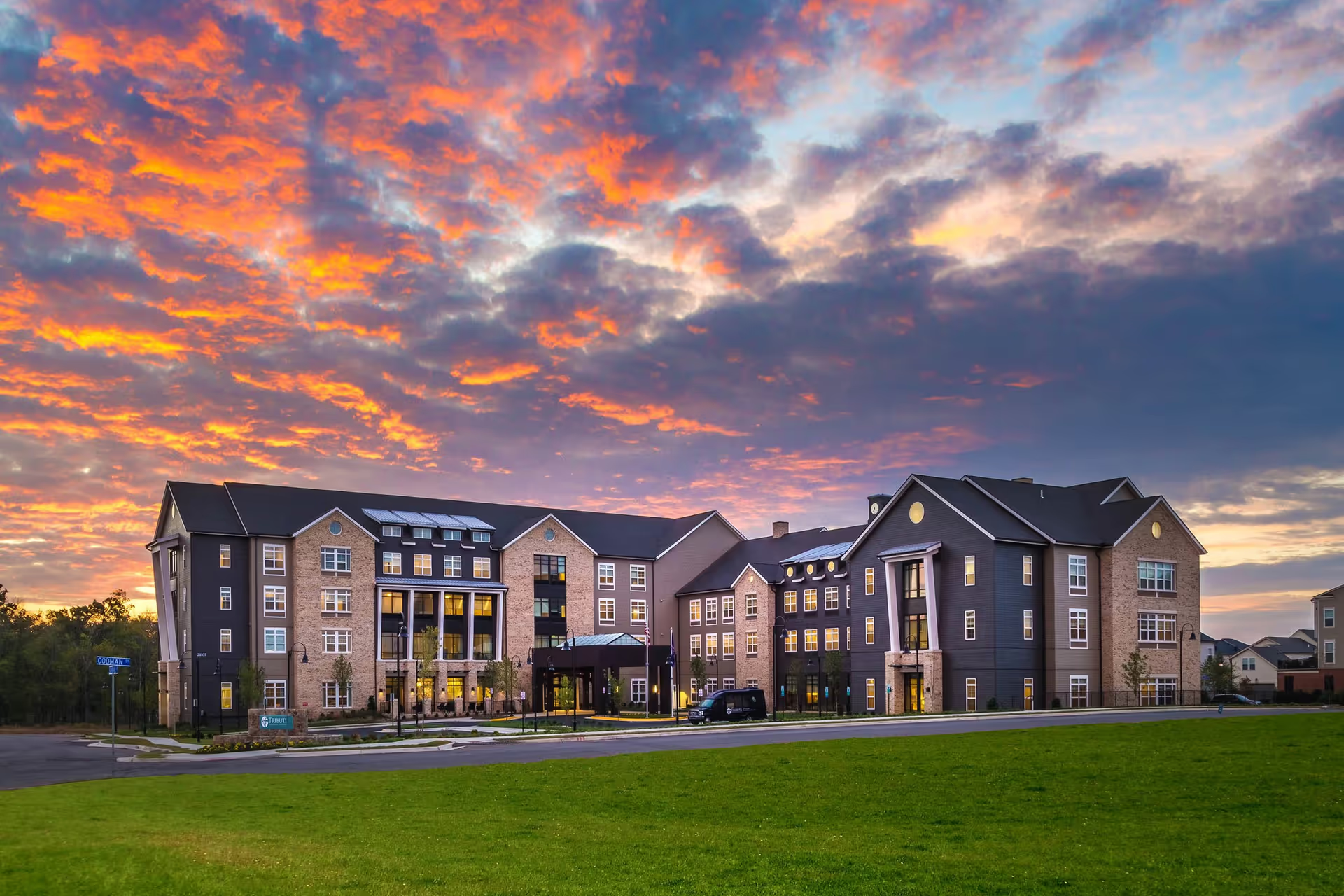
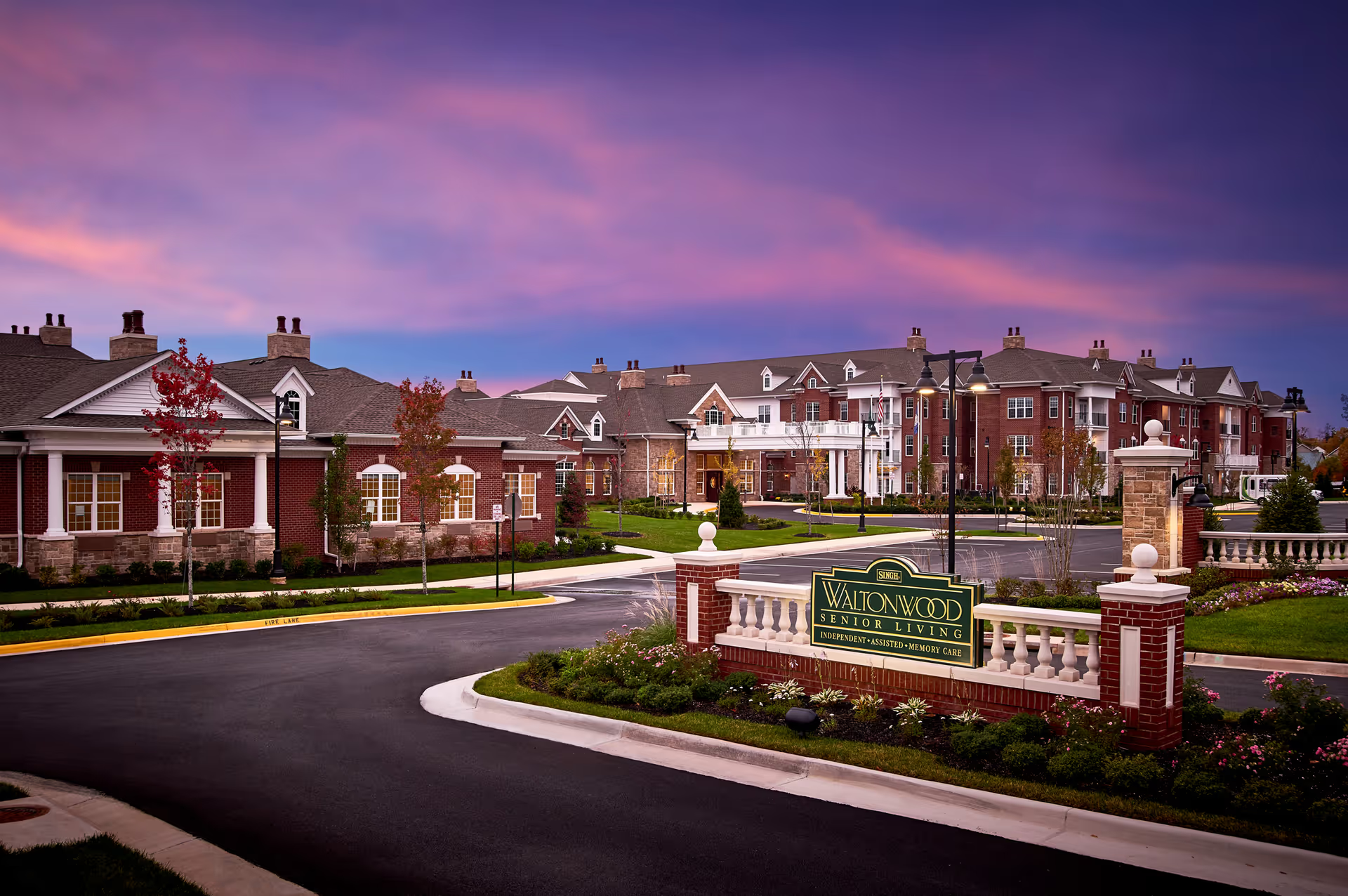
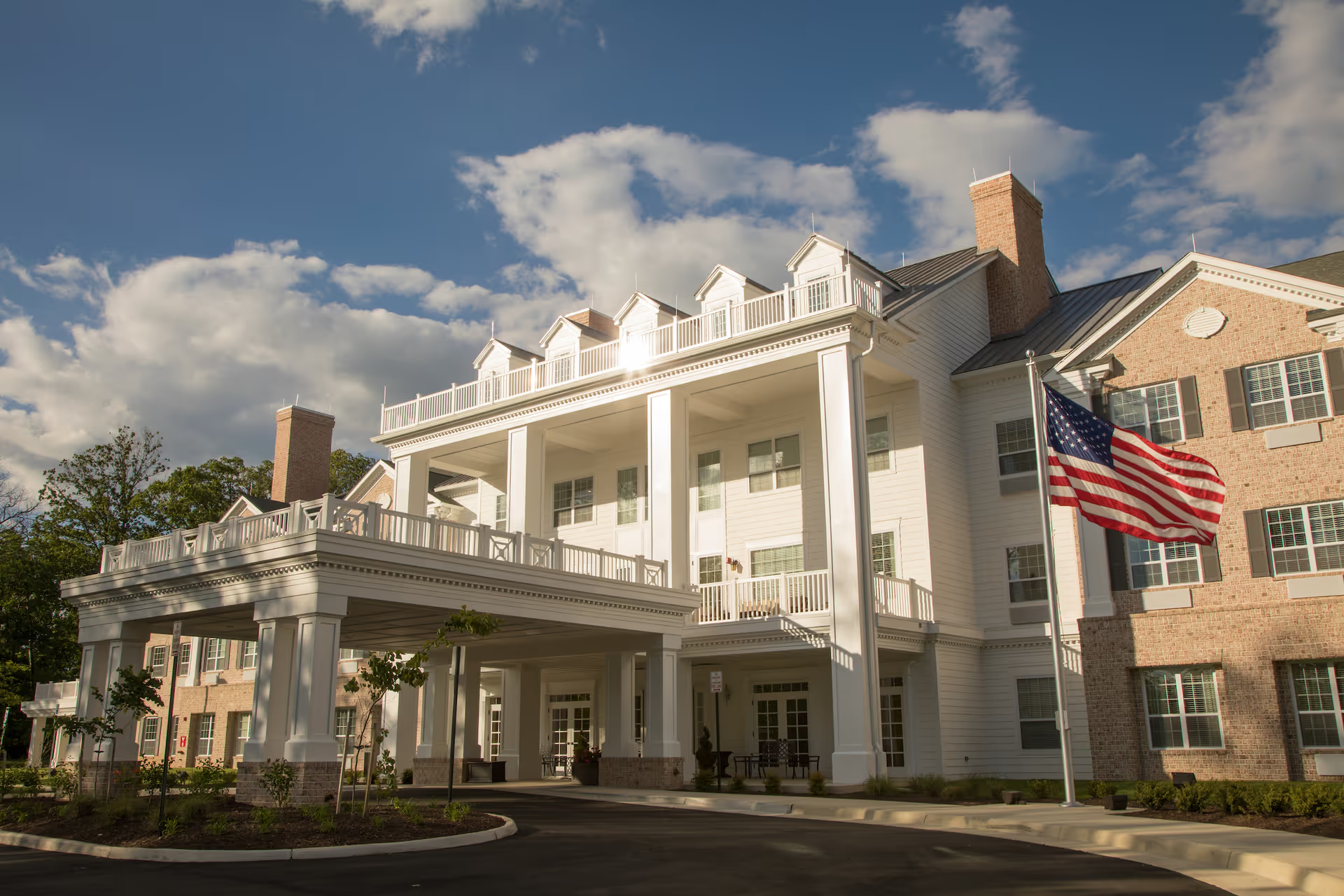
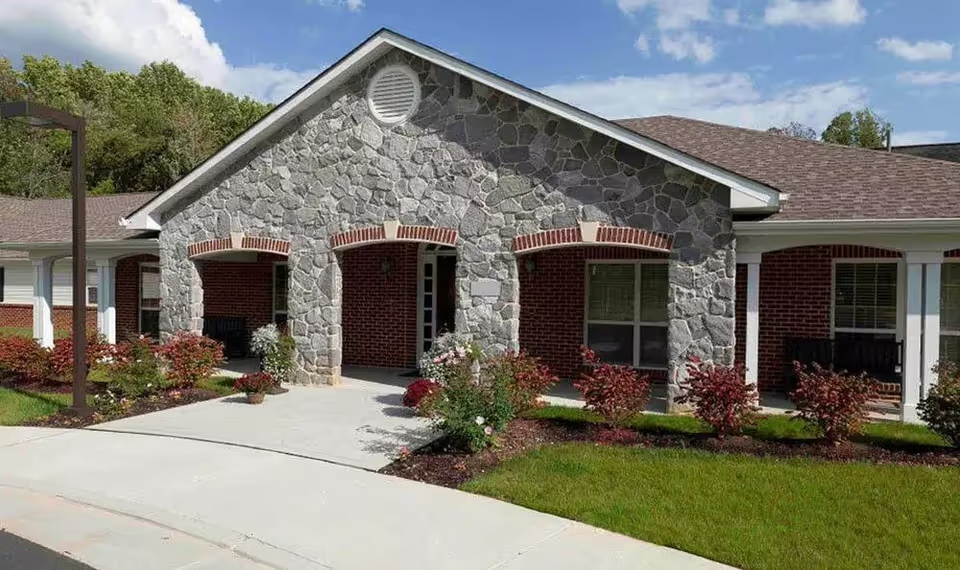
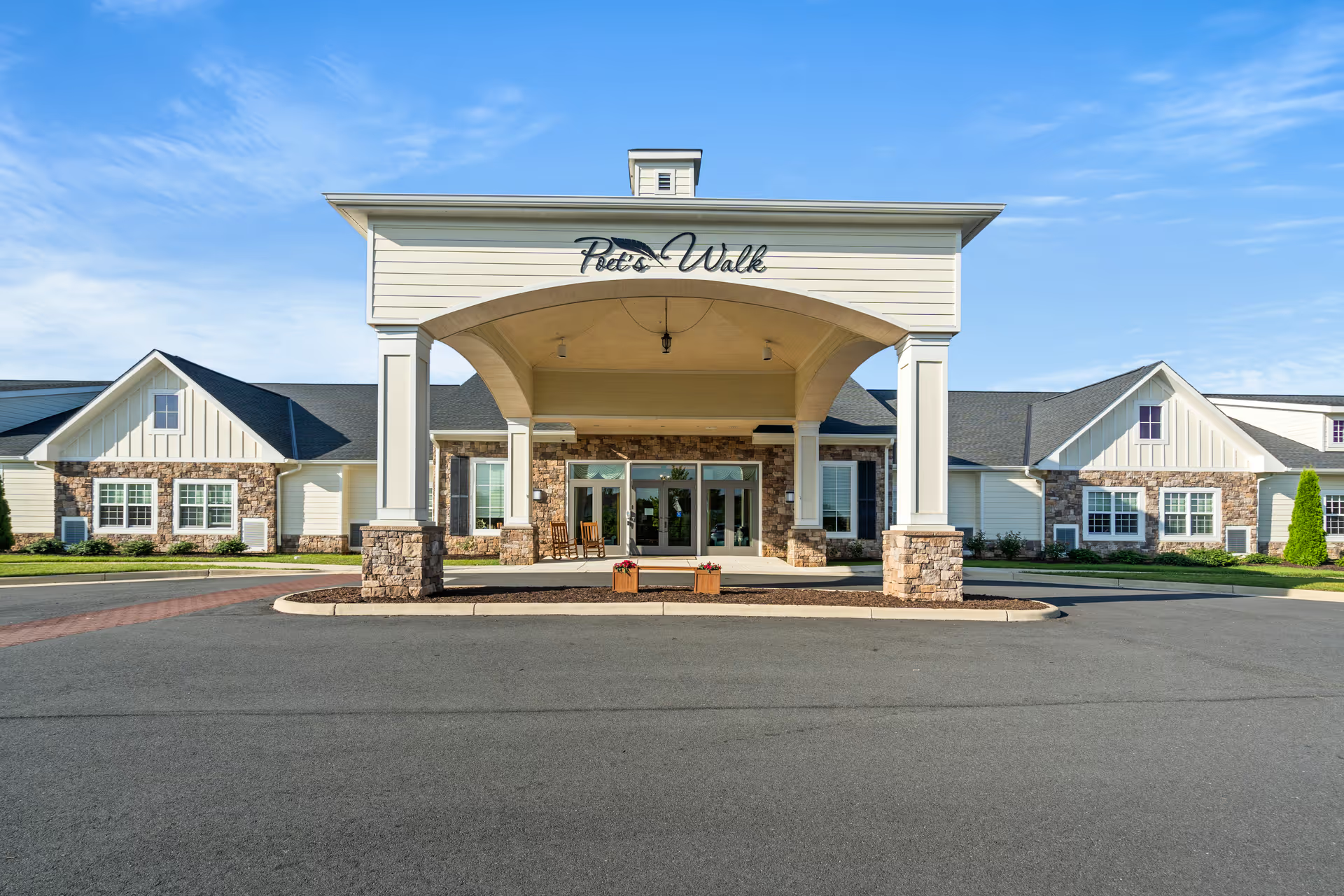
Facilities and operations: The physical campus is frequently described as attractive, with well-kept grounds, modern fitness spaces, multiple dining venues, and a range of amenities that include garages and indoor parking in some areas. Common operational pain points include limited visitor parking, a maze-like interior layout with confusing wayfinding and missing interior numbering, and reception/logistics setups that are not optimized for deliveries. These issues affect visitor convenience and daily deliveries more than resident living space but are important practical considerations for families and regular guests.
Management, contracts, and finances: Reviewers’ perceptions of management are mixed. Many families praise proactive management (including pandemic response) and staff leadership, while a recurring cluster of concerns centers on contract terms and financial processes: high upfront deposits, complex or poorly explained fine print, delay or dispute over entrance-fee refunds or resale payouts, and unclear accounting in exit transactions. These are trait-level contractual and administrative issues rather than unit-specific problems; prospective residents should have contracts reviewed, ask for sample exit-pay statements, and get timelines for refunds and resale processes in writing.
Notable patterns and recommendations: Overall sentiment skews positive for community life, staffing, and amenities; however, several operational patterns recur across reviews and merit attention. These include dining-service inconsistency and logistics, parking and wayfinding limitations, delivery handling, variability in responsiveness to clinical concerns, and financial/contract transparency gaps. For families considering Ashby Ponds, recommended steps are: visit during a meal to evaluate service and food; tour multiple building entrances and test wayfinding; confirm guest/visitor parking procedures; request written contract exit and refund scenarios; and discuss memory-care waitlist practices and clinical escalation protocols. Doing so will clarify whether the community’s strong social and facility attributes align with a prospective resident’s priorities and practical needs.