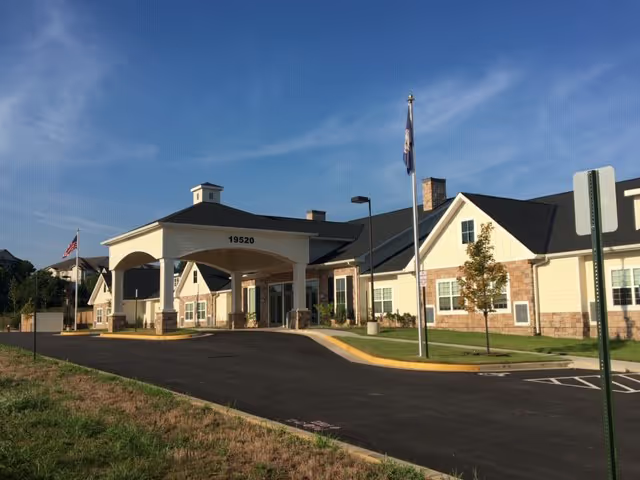
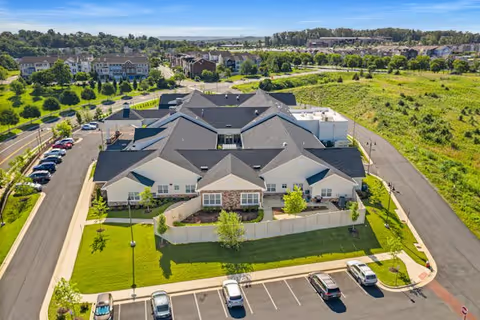
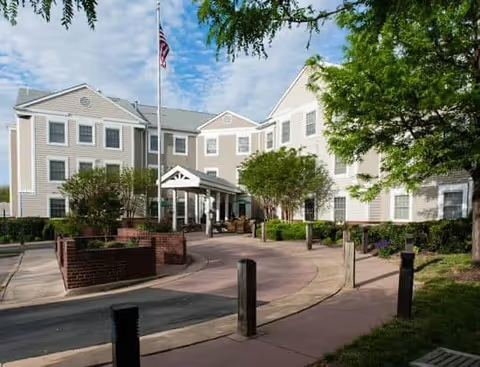
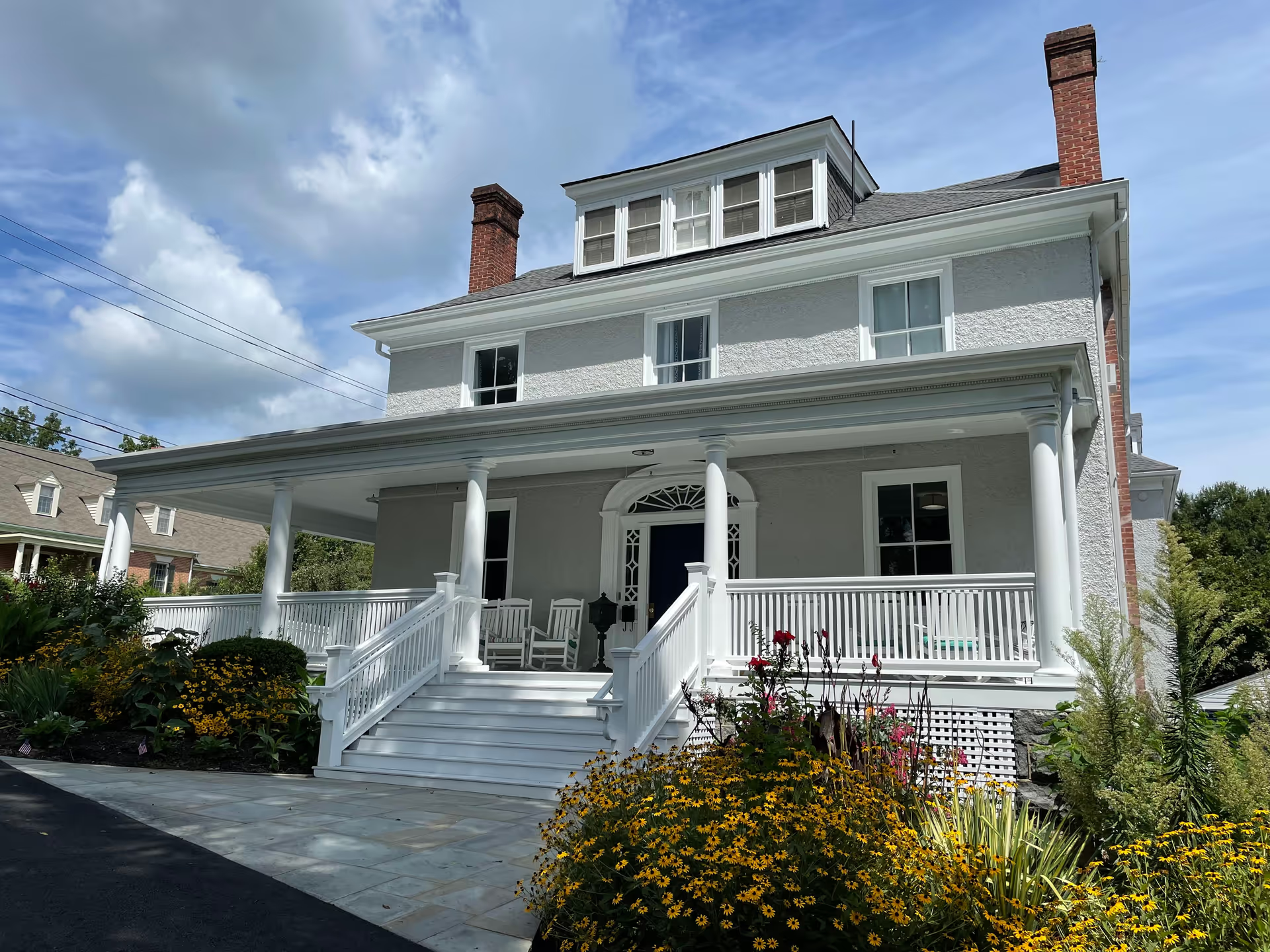
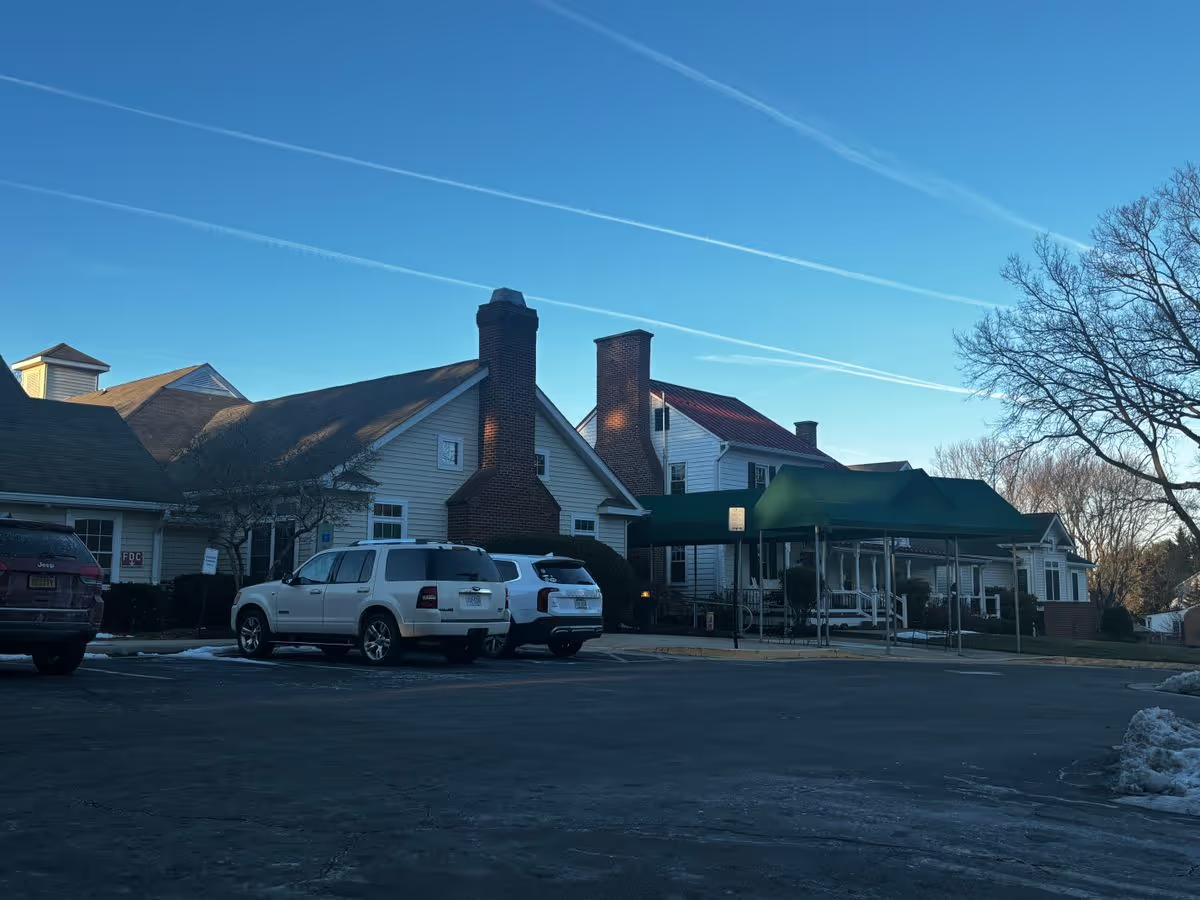
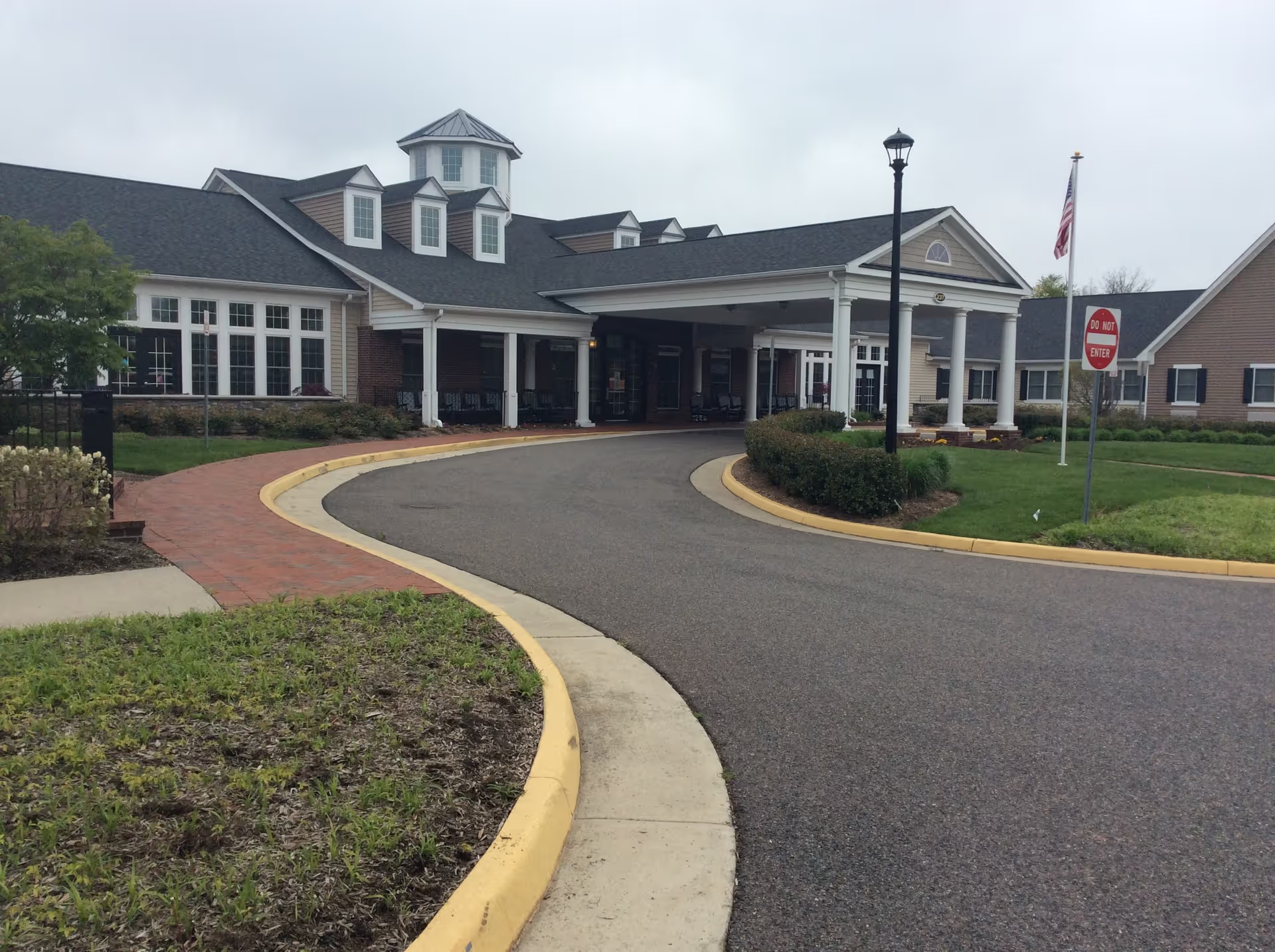
Ashleigh at Lansdowne elicits strongly polarized impressions. A large body of feedback emphasizes a resort-like, well-appointed community with high-quality culinary offerings, extensive activities, and a visible emphasis on hospitality. Many families and residents praise the facility's grounds, contemporary interiors, spacious apartments, and a varied calendar of social, cultural, and educational programs. Multiple comments highlight attentive servers, a strong culinary team, on-site therapy and spa services, and an active life-enrichment department that provides events open to families.
Care quality observations are mixed. Numerous reviewers describe compassionate, proactive caregiving and 24/7 licensed nursing availability, which contributes to feelings of safety and well-being for many residents. At the same time, a consistent pattern of operational concerns appears across other accounts: intermittent understaffing, delays in pendant or emergency response times, and periods when families perceived that direct-care staffing and supervision were insufficient. There are also recurring statements about reliance on privately hired caregivers to meet activities-of-daily-living needs, suggesting variability in the facility’s in-house ADL capacity.
Dementia care and activity programming show uneven experiences. Some families commend purposeful memory-care activities, individualized attention, and cognitive-support programs such as Brain Evolved and RUI University offerings. Conversely, other accounts describe gaps in staff dementia training, one-word command-style interactions, and activity choices that appear poorly matched to residents with cognitive impairment. These divergent reports point to inconsistent execution of dementia-best-practice programming and occasional shortfalls in staff training or allocation within the Memory Care neighborhood.
Dining and nutrition are frequently cited as a strength, with many reviewers praising restaurant-style dining, an extensive menu, visiting chefs, and diabetes-friendly options. At the same time, other comments note concerns about meal timing, portion size, temperature control, and occasional reliance on microwaveable or convenience items. These mixed statements suggest the culinary program is capable of high-quality experiences but that meal delivery logistics and consistency may vary by shift or unit.
Facility upkeep and hospitality receive frequent positive mention: clean common areas, responsive concierge and community-relations staff, and a strong hospitality culture on many shifts. However, there are repeated critiques about management responsiveness in administrative areas—billing, contract fulfillment, and follow-up communication. A subset of reviews raises serious allegations of clinical incidents and licensing complaints; such claims are limited in number but significant in nature and should prompt prospective families to review regulatory history and incident response documentation directly with the community and local regulators.
For prospective residents and families, the pattern suggests a community with many strengths—especially in hospitality, dining, amenities, and social programming—but one where operational consistency matters. When touring, it is advisable to observe the Memory Care neighborhood during active hours, ask for current staffing ratios (including licensed nurse coverage and pendant response benchmarks), request written protocols for ADL coverage and dementia training, review recent inspection or complaint records, and clarify billing/contract terms and dispute-resolution processes. These targeted inquiries will help determine whether the community’s high-end presentation is matched by consistent, reliable day-to-day clinical and operational performance for a specific resident’s needs.