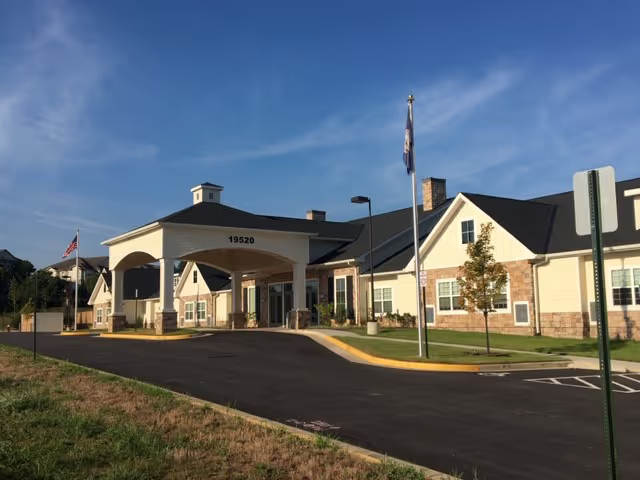
Reflections - A Senior Living Community is consistently described as a small, boutique-style memory- and assisted-living option that prioritizes personalized, dignity-focused care. Families commonly praise the compassionate and professional staff, hands-on ownership, and the home-like atmosphere. Many accounts highlight strong continuity of care, attentive nursing communication, and active hospice or end-of-life support when needed. The community's scale and staffing model contribute to a sense of individualized attention and a family-like environment for residents.
Dining and daily living are frequently cited as strengths. The facility offers homemade meals prepared by an experienced chef, dining in renovated sections that give a bed-and-breakfast or historic-home feel. Residents and families note enjoyment of the food and personable kitchen staff. At the same time, there are occasional concerns about nutrition monitoring and portion control; prospective families should verify how individual dietary needs and calorie intake are managed for specific residents.
Activity programming is present and varied—examples include music (a pianist), arts, exercise classes, and flower arranging—which many families find engaging and mentally stimulating. However, activity space is limited by the community's size and layout, and programming is not always perceived as tailored to every demographic (for example, some male residents with limited interest in existing options). Noise from communal areas (including musical instruments) and traffic exposure from the nearby road have been noted as factors that can affect resident comfort in shared spaces.
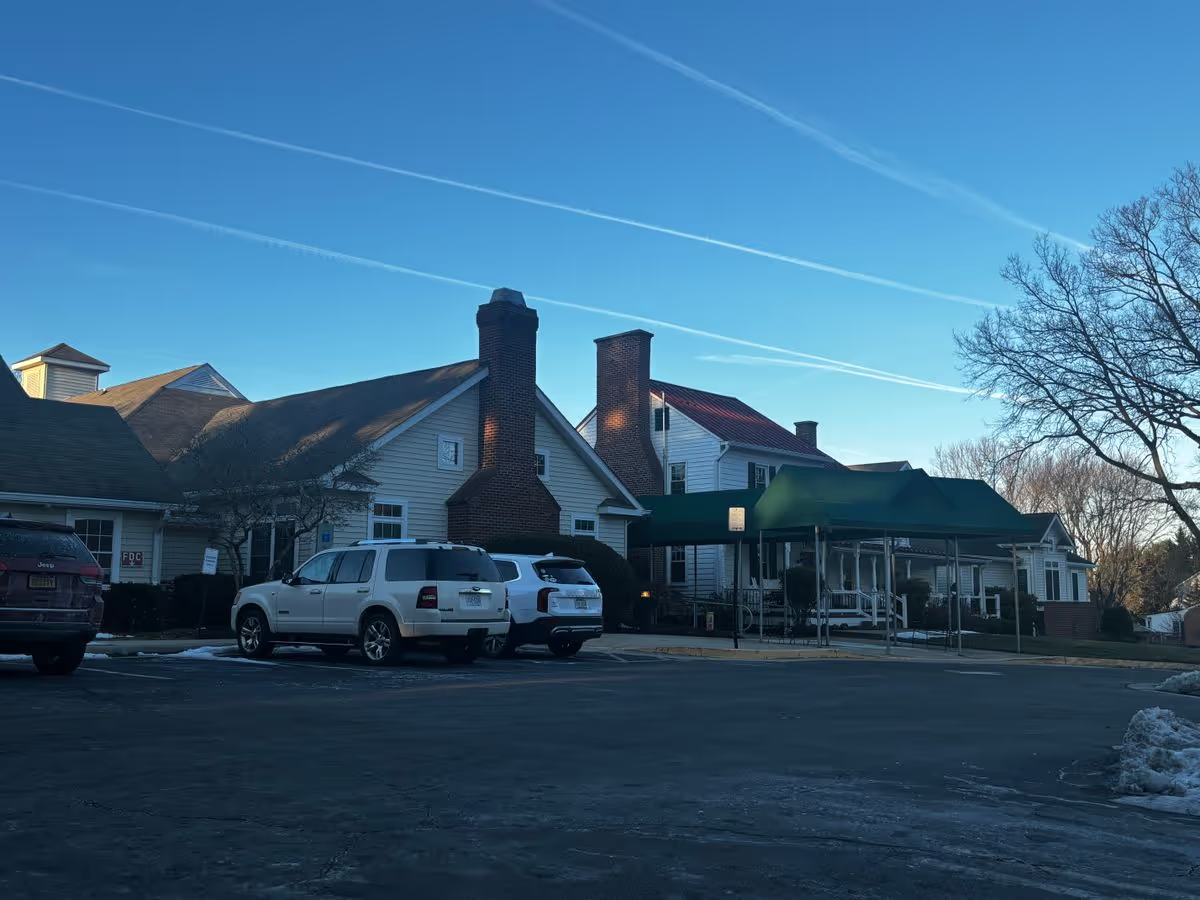
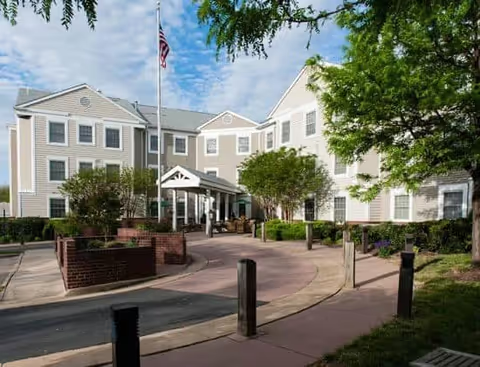
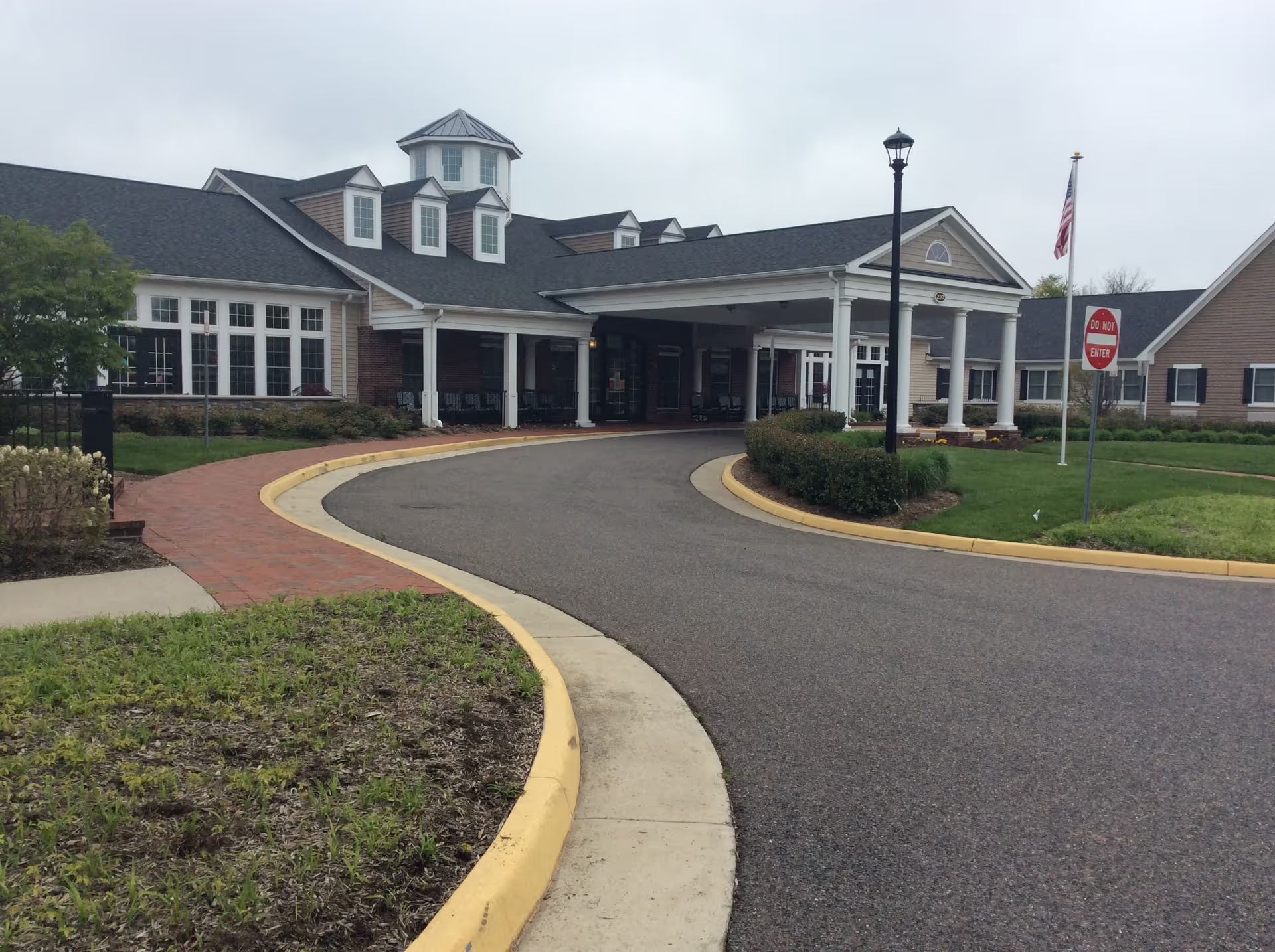
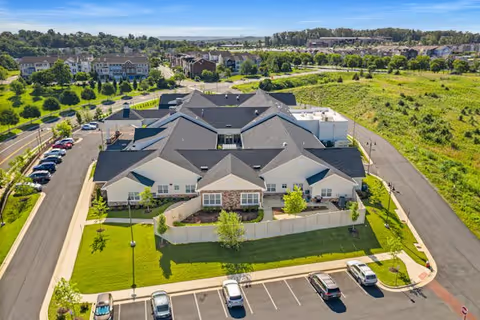
The physical plant is a mix of renovated and older areas. Reviewers praise the cleanliness, porch and garden areas, and newer dining sections, but also describe narrow or slanted hallways, small rooms (including some basement or shared rooms), a single elevator, and other accessibility constraints. These infrastructure characteristics can limit large visits, complicate transfers, and create fall-risk considerations for more mobile-impaired residents. Parking and loading/unloading logistics are additional practical considerations for visitors and providers.
Operationally, the facility is characterized by committed, caring staff who often work beyond expectations; however, several accounts indicate understaffing and caregiver workload pressure at times. That manifests operationally as slower response times or communication gaps during critical events—families should ask about protocols for hospitalization notifications and end-of-life communication. Transfer safety is another area to review in person: some families noted that heavier residents required two caregivers for transfers and that staffing mix (including availability of adequately trained caregivers for transfers) can affect day-to-day care.
Cost and placement suitability vary by level of need. Many families perceive good value relative to larger or more expensive alternatives, but fees increase at higher levels of care; prospective residents should confirm pricing for anticipated acuity levels. Overall, Reflections appears to be a strong option for people seeking a small, intimate, and compassionate setting with homemade meals and close staff relationships. For those whose priorities include larger private rooms, extensive on-site amenities, robust parking and accessibility, or highly tailored activity offerings, an in-person visit that inspects private accommodations, transfer protocols, staffing levels, and outdoor spaces is advisable before making a decision.