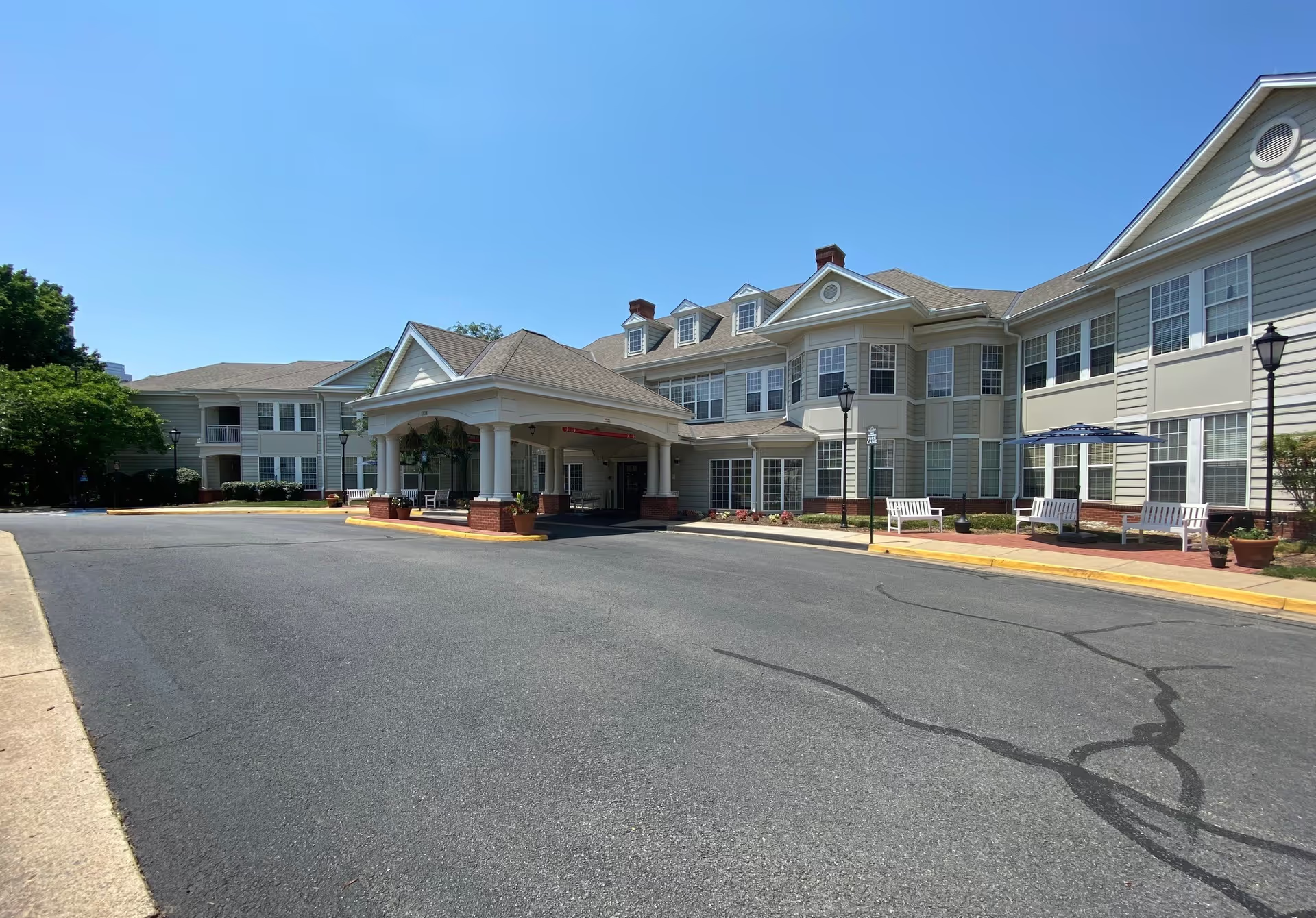
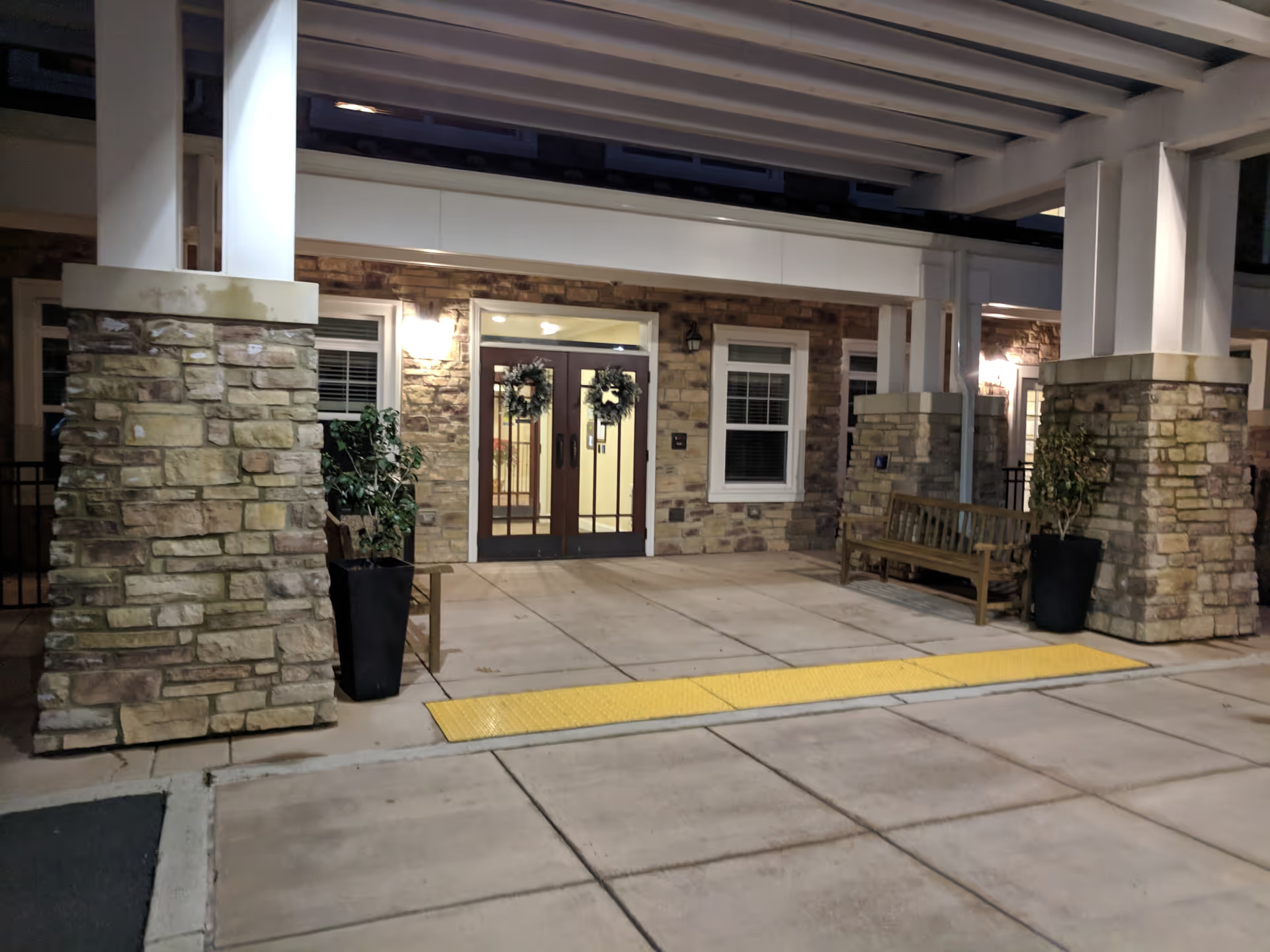
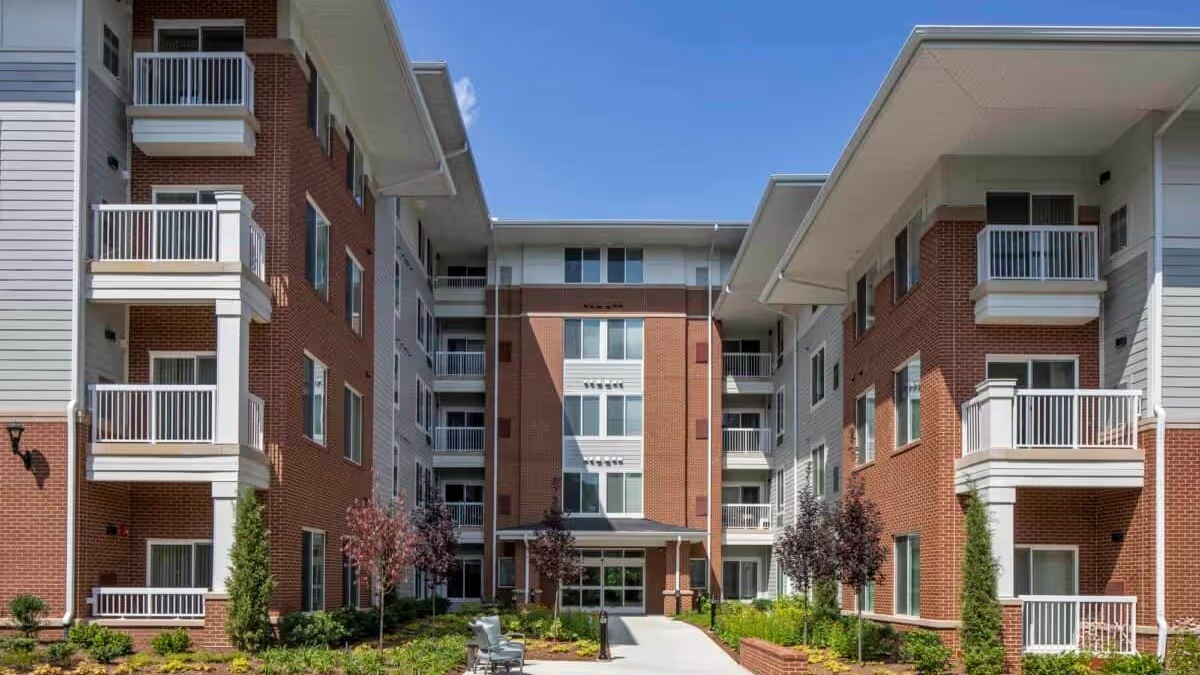
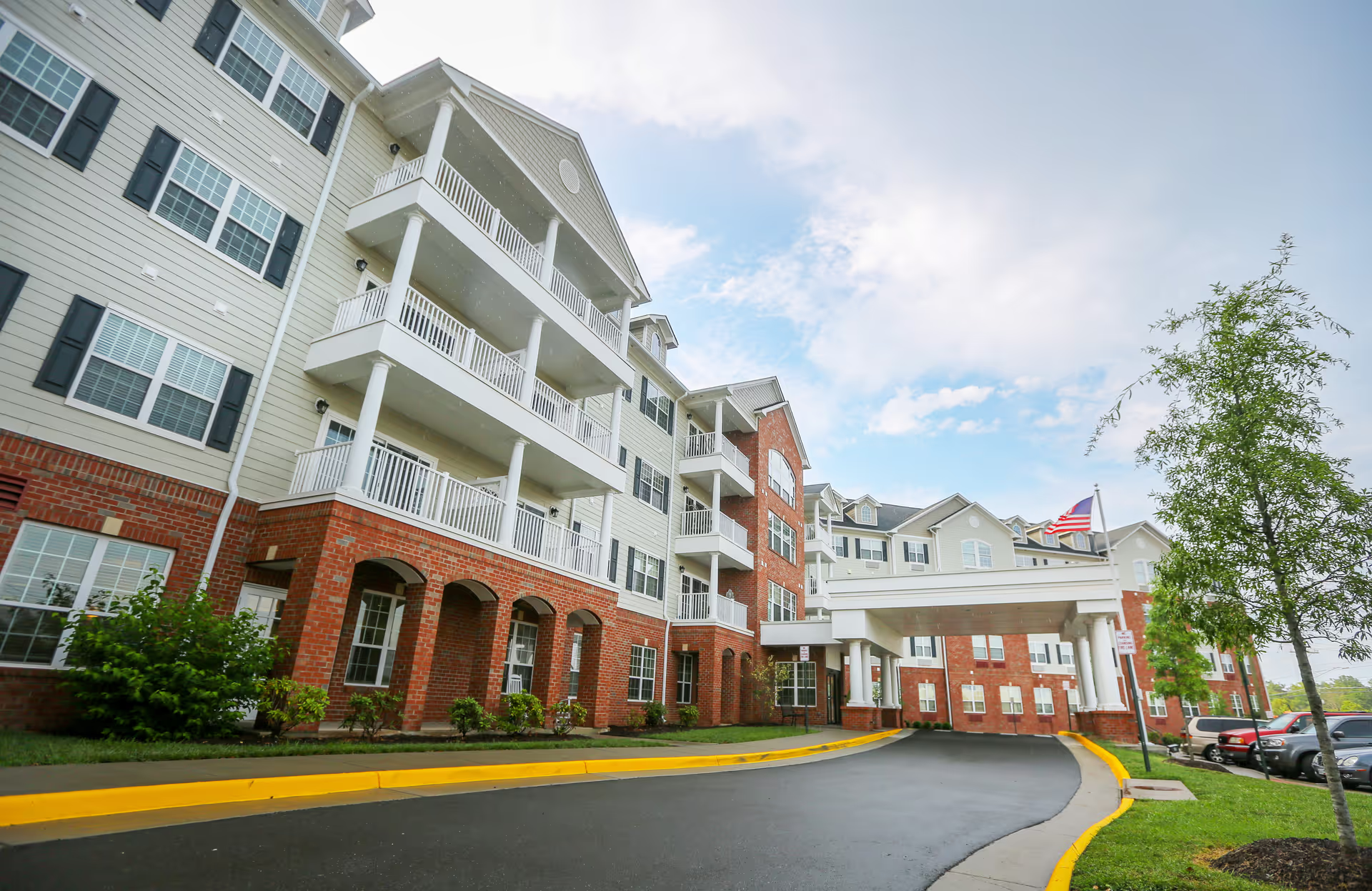
Great Falls Memory Care by Artis is consistently described as a warm, household-style memory-care community with a strong emphasis on dementia-specific programming. Families and visitors repeatedly highlight a high level of empathy and dementia training among caregivers, a small-neighborhood layout (four household neighborhoods) that supports social connection, and plentiful life-enrichment offerings—especially music, seasonal events, and arts programming. The physical environment is frequently praised: bright, clean interiors, private rooms, secure outdoor courtyards and gardens, and a non-institutional aesthetic that many families find reassuring.
Clinical and daily-care strengths are prominent in the reviews. The community maintains 24/7 nursing and offers on-site physical therapy, and staff are described as proactive about individualized care pacing, mobility work, and family communication. Move-in experiences and ongoing contact with leadership are often characterized as thoughtful and responsive, with many reviewers naming individual staff members who provide continuity and reassurance. Several families also noted strong infection-control communication during COVID-era restrictions and appreciated the facility's willingness to include families in care discussions.
Dining and activities are among the facility's visible strengths: reviewers cite a chef-driven menu, varied choices, and frequent themed events and live music that contribute to residents' enjoyment. The life-enrichment program is highlighted as meaningful and diverse, with daily group activities, outings, guest artists, and holiday celebrations that support engagement. The campus design supports safe outdoor access and walking paths, and the household dining and living areas foster smaller-group interactions rather than large institutional dining when space allows.
Notable operational patterns temper the overall praise. Several families raised concerns about variable staffing levels—particularly on weekends—and about occasional turnover that can disrupt care continuity. Reviewers also identified practical service gaps such as dining-room crowding and noisy dining environments, room-size limitations and fewer private-bath options in some units, and occasional laundry or personal-item management errors. Administrative issues were cited including unclear billing and admission processes and instances described as slow or inconsistent clinical-incident response and hospital-transport timeliness; a small number of reviews raised serious allegations related to financial handling. Finally, a few reviewers pointed to opportunities for clearer role definition among leadership to improve operational coordination.
For prospective residents and families, the dominant themes are compassionate, dementia-focused caregiving and a well-maintained, engaging environment balanced against episodic operational and administrative weaknesses. When touring, families may wish to ask specific questions about current staffing ratios and weekend coverage, private-bathroom availability, laundry and personal-item safeguards, incident-response protocols, and billing/financial procedures so they can weigh the strong person-centered culture against the practical service considerations.