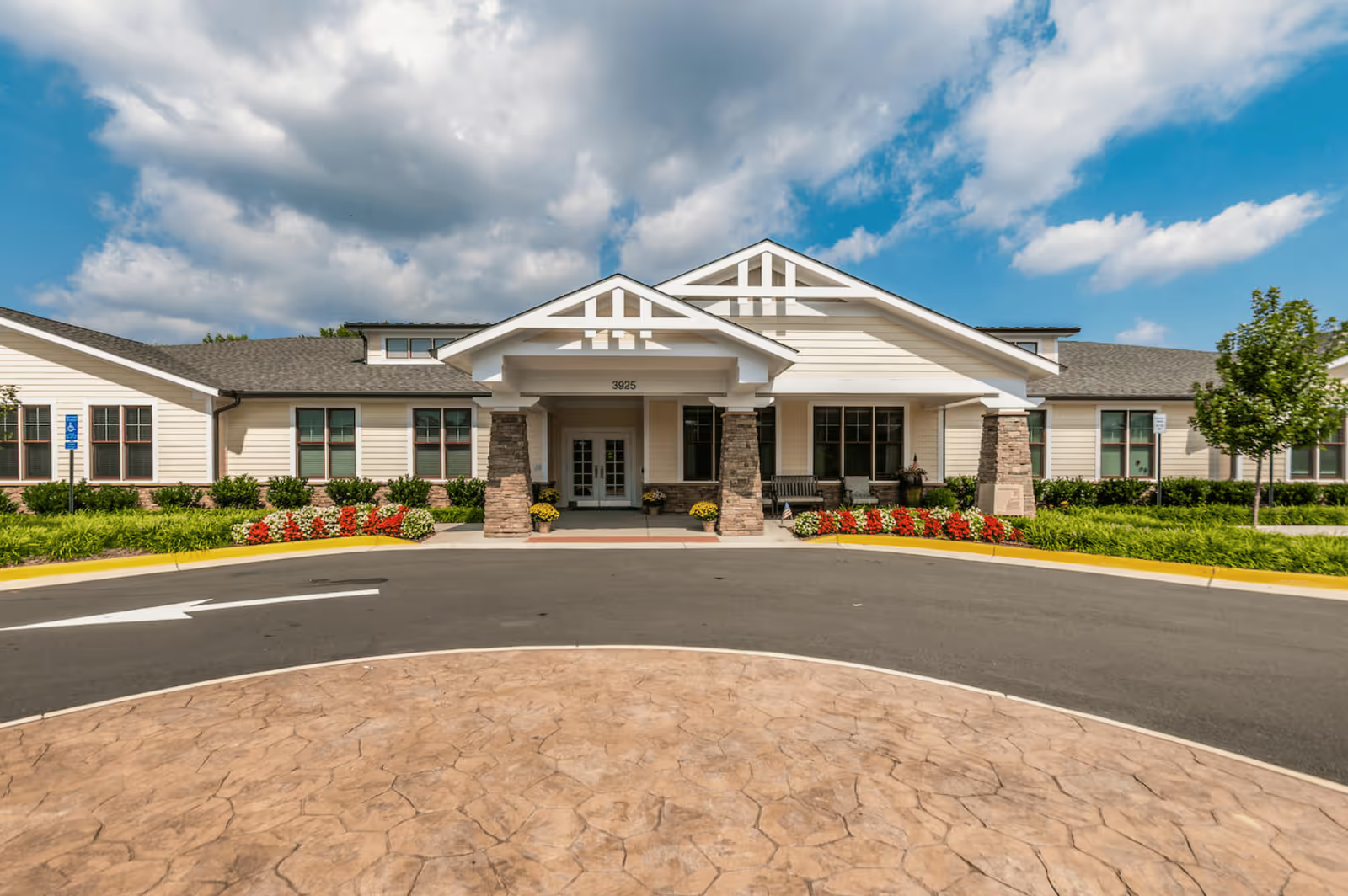
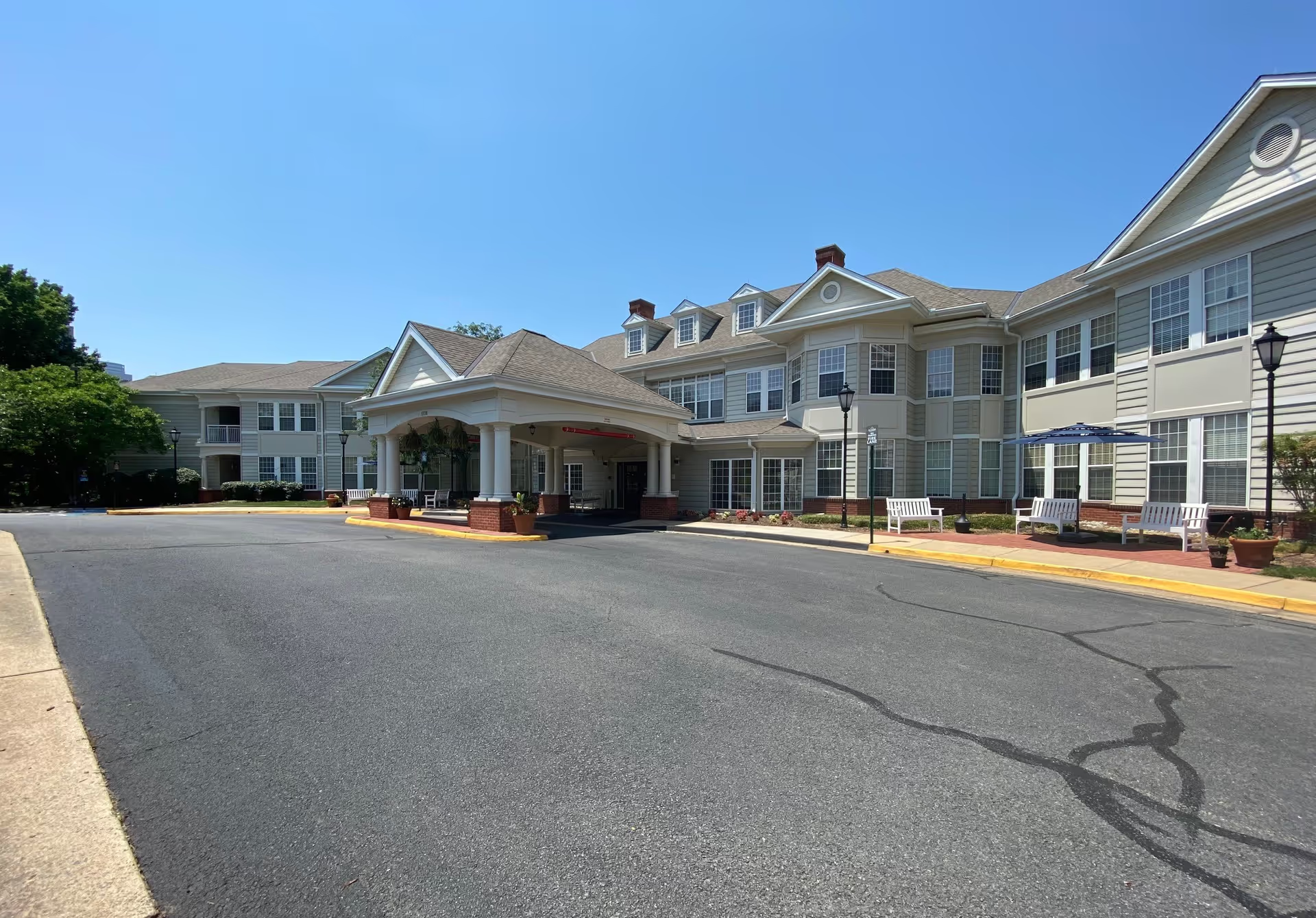
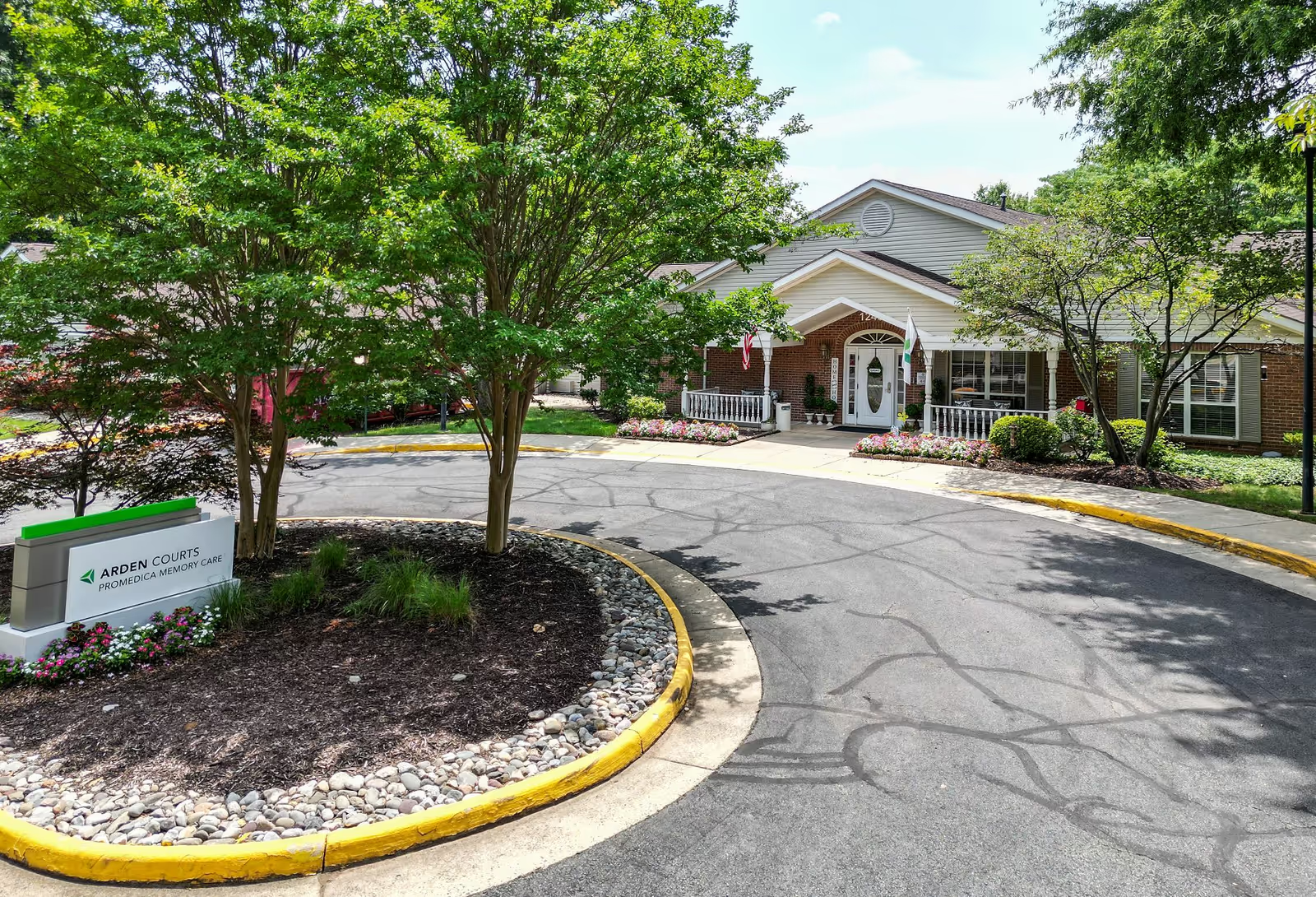
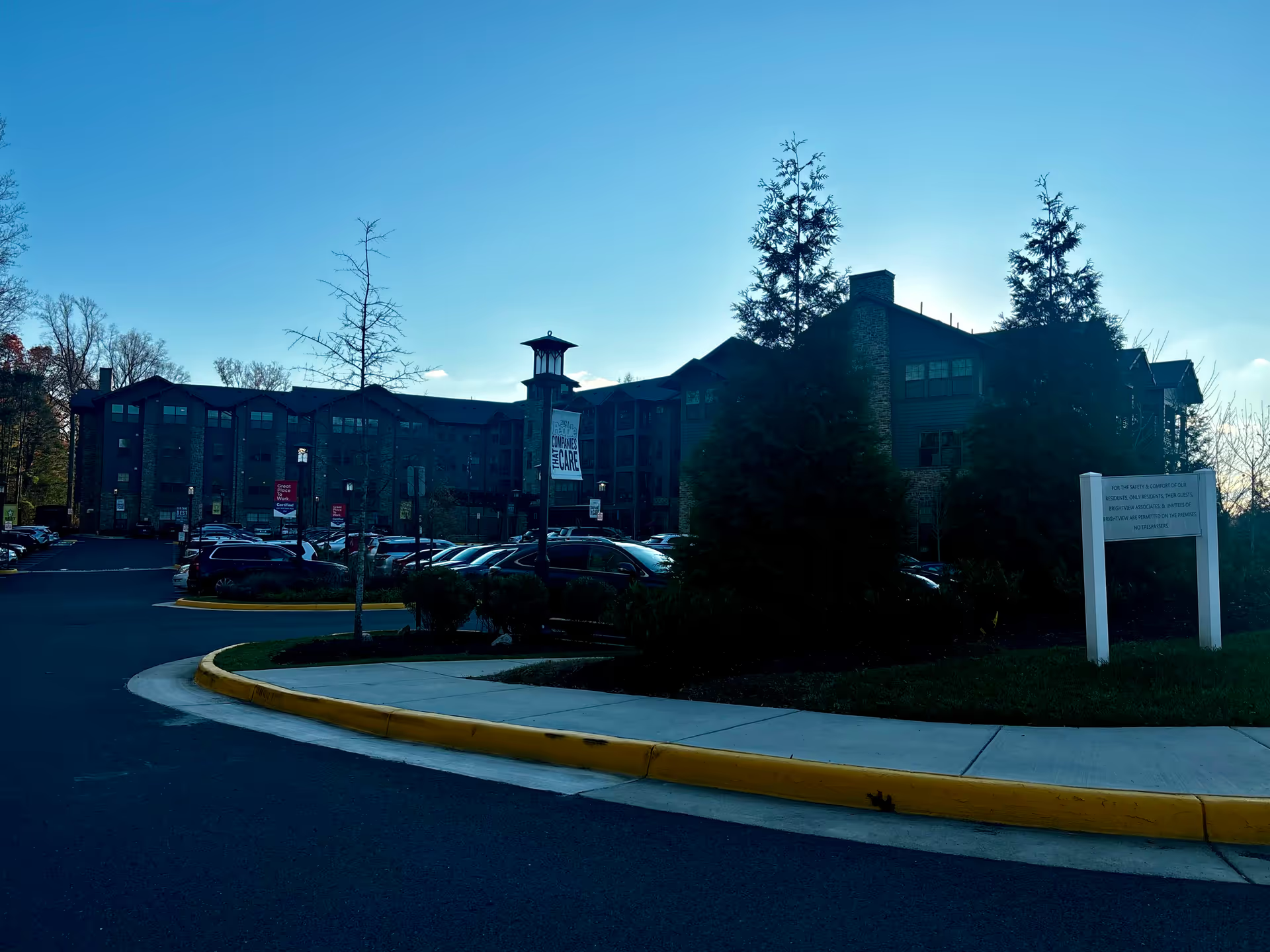
Harmony at Chantilly is generally perceived as a modern, well-appointed senior living community with strong physical assets. Reviewers consistently note bright, contemporary interiors, spacious apartments (many with full kitchens and balconies), accessible design features such as wide hallways and walker-friendly flooring, and a wide range of on-site amenities including a movie theater, salon, fitness center, spa, bistro, and library. The property layout and maintenance are frequently described as clean and thoughtfully designed, and scheduled housekeeping and prompt maintenance are cited as practical strengths.
Staff and caregiving quality are a central theme in the feedback and present a mixed picture. Many families praise front-line staff, concierge teams, and visible executive leadership for being personable, responsive, and engaged; several reviewers singled out the executive director and head of nursing for positive leadership. At the same time, there is recurring mention of variability in caregiving quality—particularly in assisted living and memory care—with reviewers describing a range from excellent clinical attention to inconsistent or delayed care. Staffing instability and turnover are recurring operational concerns, and some families highlighted gaps in after-hours coverage, laundry follow-through, and caregiver experience. The community offers therapy services (PT/OT) and rehabilitation space, but it does not provide in-building skilled nursing, which is an important consideration for residents who may need that level of care later.
Dining and hospitality receive mixed but specific feedback. The community emphasizes restaurant-style dining with menu choices, happy hours, and social dining opportunities; many residents enjoy the social aspects and some praise the chef and particular meals. However, other reviewers call out inconsistent food quality and service issues such as cold or slow meals, limited evening offerings, and occasional service disruptions. Practical issues such as running out of menu items and variability in dining staff performance were noted as operational weaknesses.
Activities and social life are generally strong selling points. Harmony runs a broad activities calendar that includes classes, outings, trips to museums and theaters, live music, arts and crafts, fitness classes, and social groups. These offerings support a lively community atmosphere and are often credited with improving residents' quality of life. That said, some families described uneven programming—particularly a lack of evening events or difficulty for newer residents to integrate socially—indicating variability in how consistently activities are delivered across times of day and across different resident groups.
Operational and management patterns show both responsiveness and occasional friction. Positive accounts emphasize transparent communication, attentive follow-up, and staff who go above and beyond during move-in and transitions. Conversely, a number of reviewers reported administrative issues such as billing errors, contract disputes, direct-debit mistakes after move-out, and periods of slow or unclear communication. A handful of accounts described significant disagreements over move-out billing or staffing decisions; these appear as isolated but notable administrative failures that prospective residents should verify during a tour.
Specific concerns for prospective residents: memory-care units are described as smaller than independent or one-bedroom apartments, and a few reviewers noted odor concerns in memory-care common areas. Some families also raised issues with inconsistent laundry service, limited evening activities, shuttle limitations, and extra charges like parking fees. The absence of an on-site skilled nursing facility means residents requiring that level of care would need an external placement.
Overall, Harmony at Chantilly scores highly on facility quality, amenities, and many aspects of staff engagement, with a clear sense of community and abundant activities. The principal operational weaknesses to investigate further are variability in caregiving quality and staffing stability, inconsistent dining/service reliability, and occasional administrative and billing lapses. Visitors evaluating the community should ask specific questions about staffing ratios and turnover, clinical oversight and incident communication protocols, meal-service schedules and quality controls, laundry and housekeeping consistency, after-hours coverage, parking fees, and the size and layout of memory-care apartments. These targeted queries will help families weigh the community’s strong physical environment and social programming against the operational areas that may require ongoing management attention.