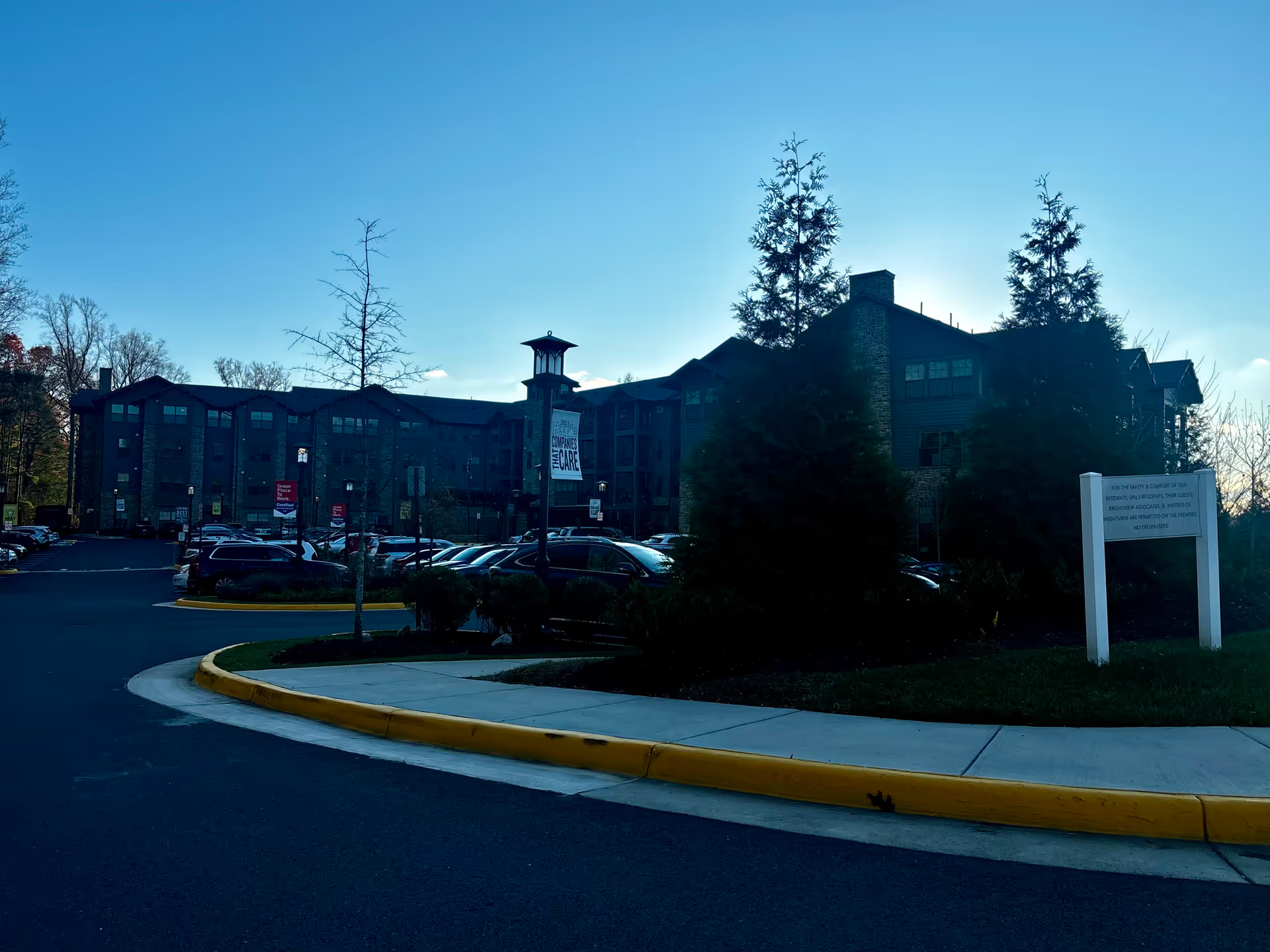
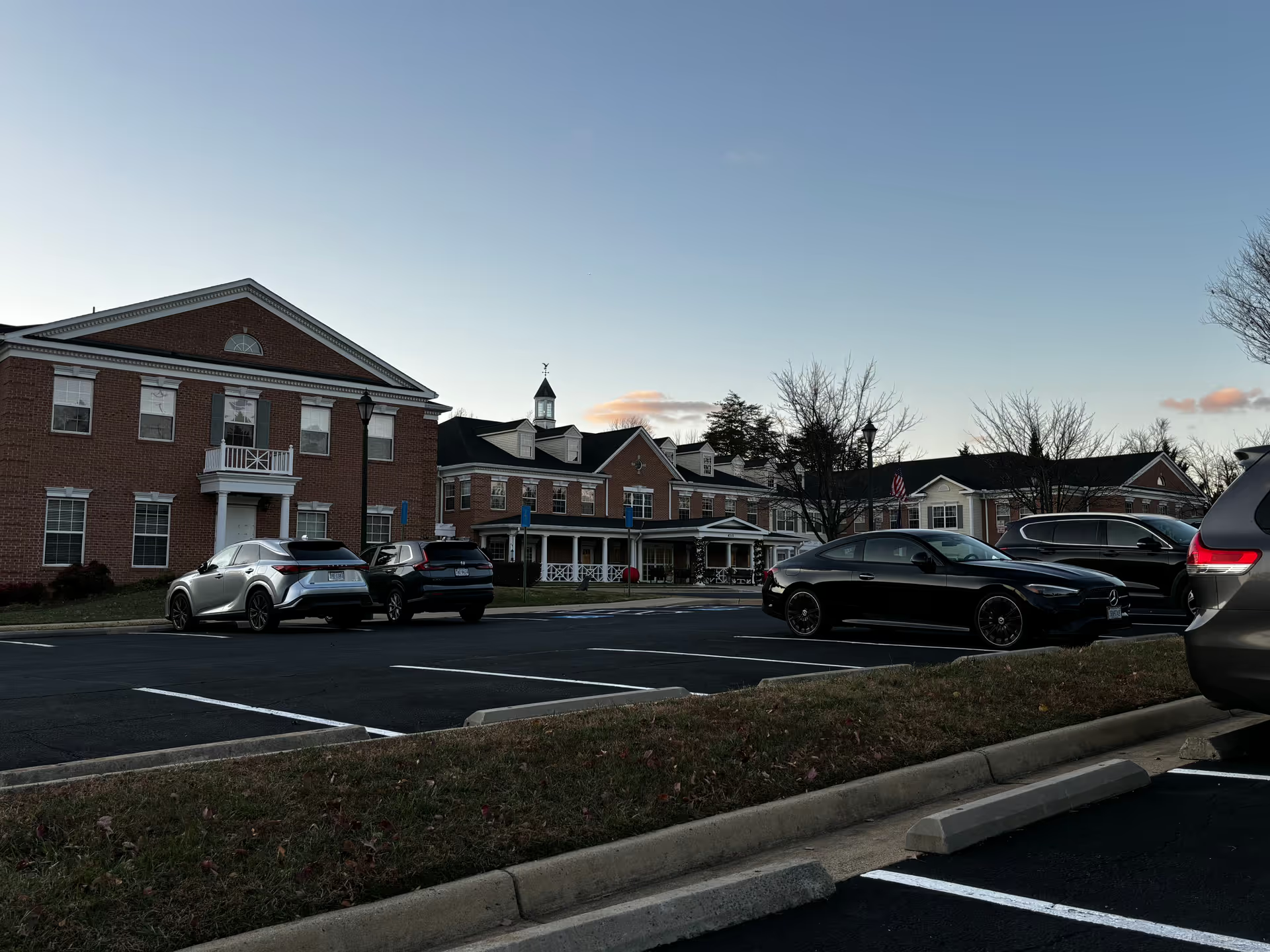
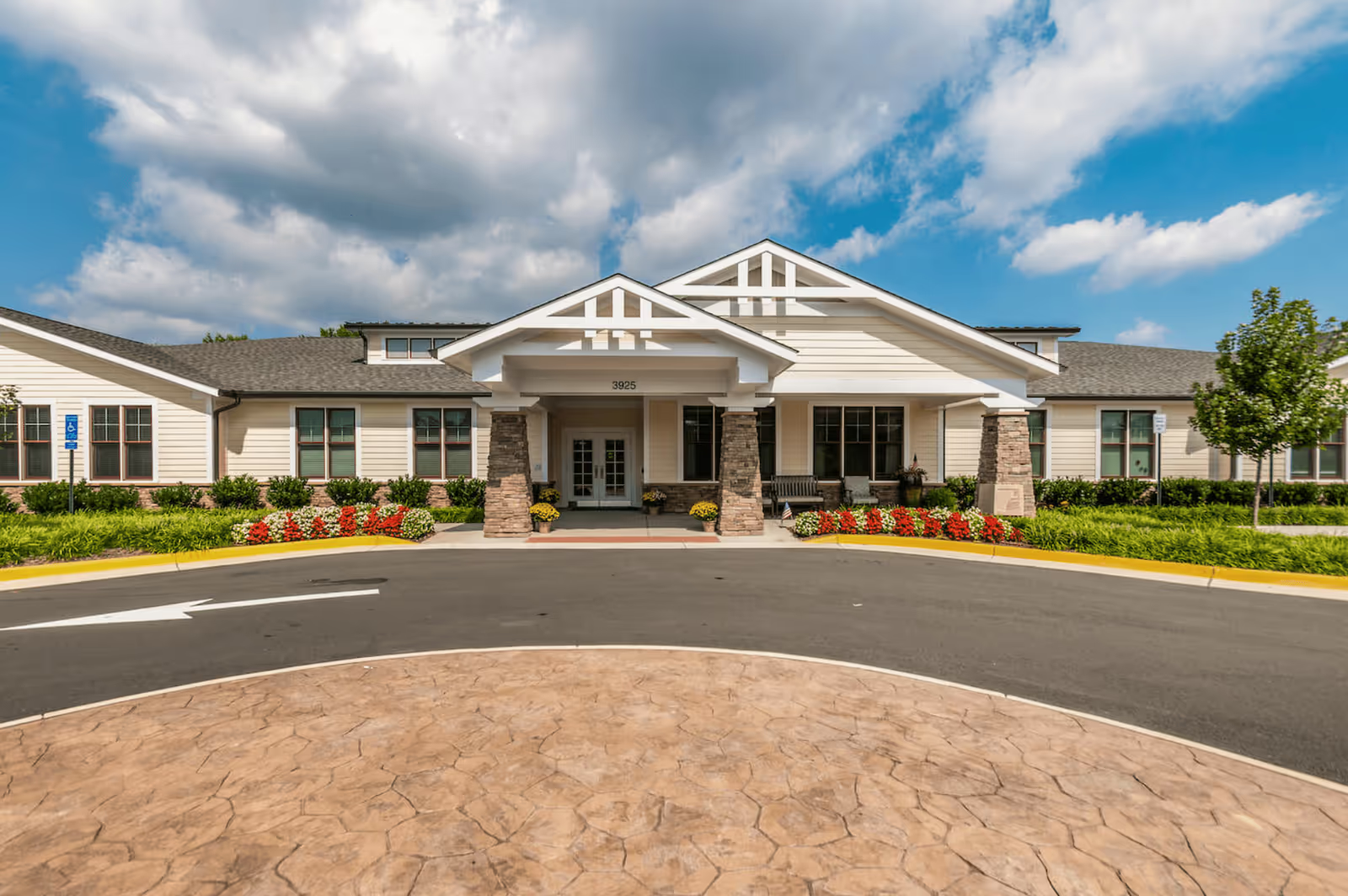
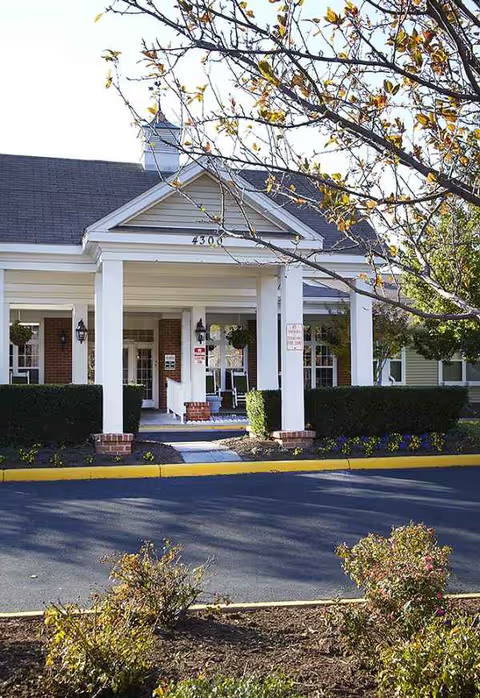
Overview: Arden Courts Fair Oaks presents as a dementia-focused memory-care community with several recurring strengths and some notable operational weaknesses. Many families highlight a home-like, small-neighborhood design (single-story, quadrant layout) and abundant outdoor courtyards and walking paths that support resident mobility and socialization. The community’s programmatic emphasis on music, arts, and structured activities is a distinguishing feature and is frequently cited as helpful for mood and engagement. Dining is another commonly noted strength: on-site chefs, varied menus, family dining rooms, and frequent positive comments about meal quality and attention at mealtime.
Care and staff: Numerous comments describe compassionate, patient caregiving and staff who take time to learn residents’ names and preferences. Several reviewers praised the head nurse and in-house clinician involvement, as well as strong end-of-life support and individualized, dignity-preserving care. That said, staff experience is uneven across reports: staffing instability, high turnover, and use of temporary agency workers were noted as recurring operational issues. These staffing patterns tie directly to family concerns about consistency of care, training depth, and the facility’s ability to follow through on clinical issues.
Management and communication: Leadership stability and communication quality emerge as a central theme. Positive accounts attribute good family outcomes to engaged executive leadership and managers who address concerns promptly; conversely, other accounts indicate periods of decline following management changes, including limited outreach, dismissive responses to family questions, and gaps in escalation to corporate when concerns arise. There are also references to clinically significant events and regulatory scrutiny; prospective families should inquire about incident history, supervision protocols, and any corrective actions taken.
Clinical operations and safety: While many families commend clinical empathy and medication management, there are recurring notes about inconsistent clinical follow-up, occasional lapses in medication- or doctor–staff communication, and variable bathing or personal-care scheduling. A small but serious cluster of comments refers to supervision lapses and missing-resident incidents; these comments, and mentions of state-level citations in some accounts, suggest the need for direct verification of current safety practices, staffing ratios, and monitoring systems during a tour.
Facilities and housekeeping: Public areas and outdoor spaces are often described as clean, bright, and well-maintained, with thoughtful small dining and kitchen areas per household. At the same time, reviewers mention aging or small resident rooms, limited in-room amenities (no in-room showers), occasional sanitation or housekeeping inconsistencies, trip hazards in outdoor areas, and noise from alarms. Prospective residents should evaluate specific room sizes, storage, and accessibility features and ask about housekeeping schedules and pest-control practices if relevant.
Activities and quality of life: Programming is a relative strength, especially music, singalongs, themed performances, and organized outings that many families credit with improving residents’ mood. Some reviewers, however, find activities uneven in relevance or execution, and participation can vary. Ask for a current activity calendar and sample participation rates when visiting.
Bottom line and guidance for families: Arden Courts Fair Oaks appears to offer strong dementia-focused programming, warm caregiving in many units, and a home-like environment with attractive outdoor spaces and noteworthy dining. However, significant variability in management, staffing consistency, housekeeping, and some safety/oversight practices was reported across experiences. Prospective families should tour during activity times, meet nursing leadership, review staffing and supervision protocols, request information on any regulatory citations or incident histories, confirm training for dementia care staff, and review contract terms and housekeeping/maintenance schedules to ensure the facility aligns with their clinical and quality-of-life priorities.