Chantilly Heights Memory Care Community is consistently described as a modern, bright, and family-oriented memory-care setting with a clear focus on dementia-specific programming. Reviewers emphasize compassionate, dementia-aware staff who provide individualized care plans and maintain close communication with families. Nursing oversight and safety measures are present, and many families cite peace of mind related to the facility’s attention to personal hygiene, medication oversight, and end-of-life support.
The activities program is a notable strength. The community operates a full-day calendar with dementia-tailored activities, music, arts and crafts, and frequent special events (holiday light displays, carriage rides, luminary ceremonies, and remembrance programming). Activity staff are frequently praised for facilitating resident engagement and family participation. The proximity of private rooms to activity areas and bright, open common spaces supports participation and socialization.
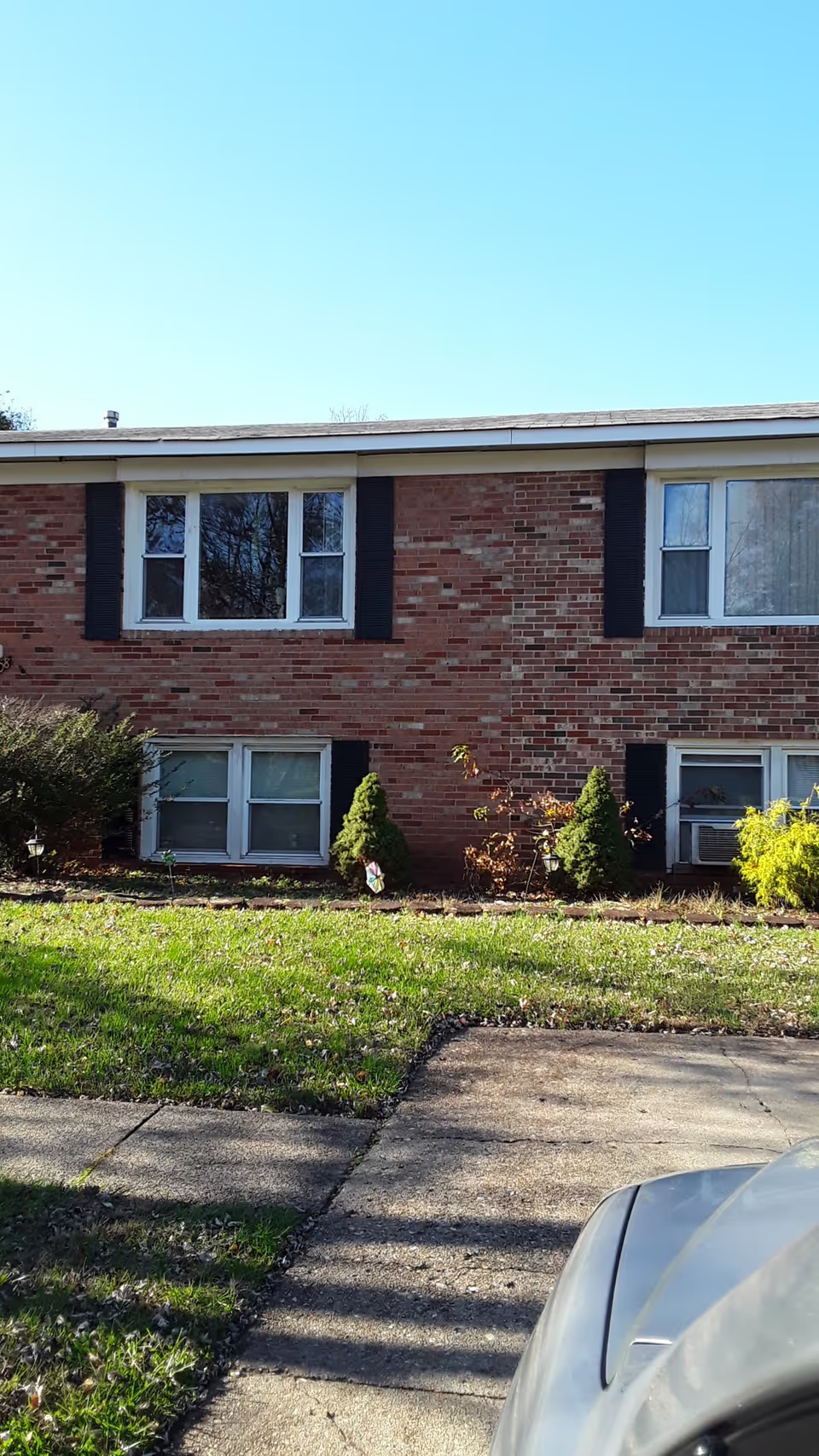
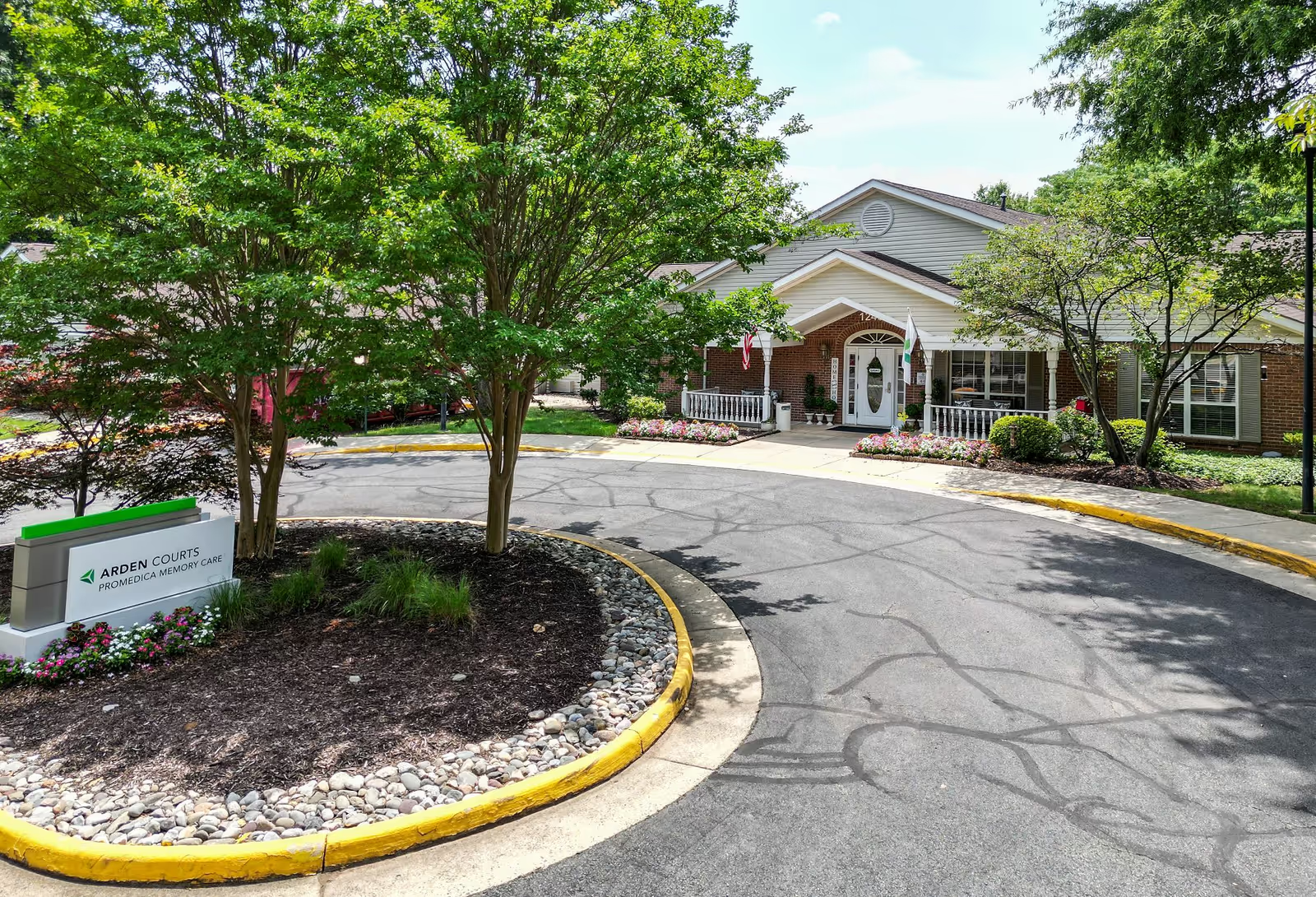
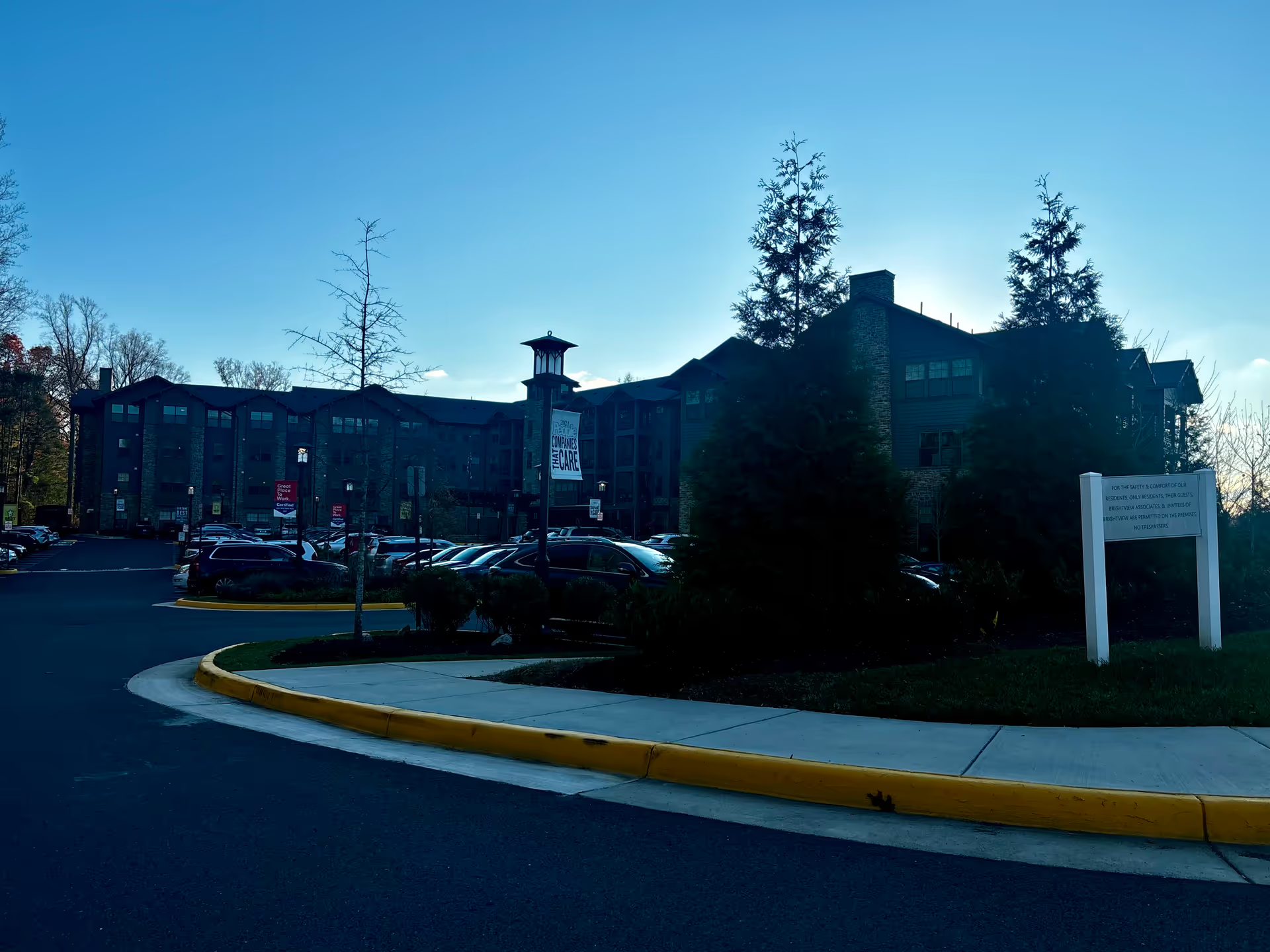
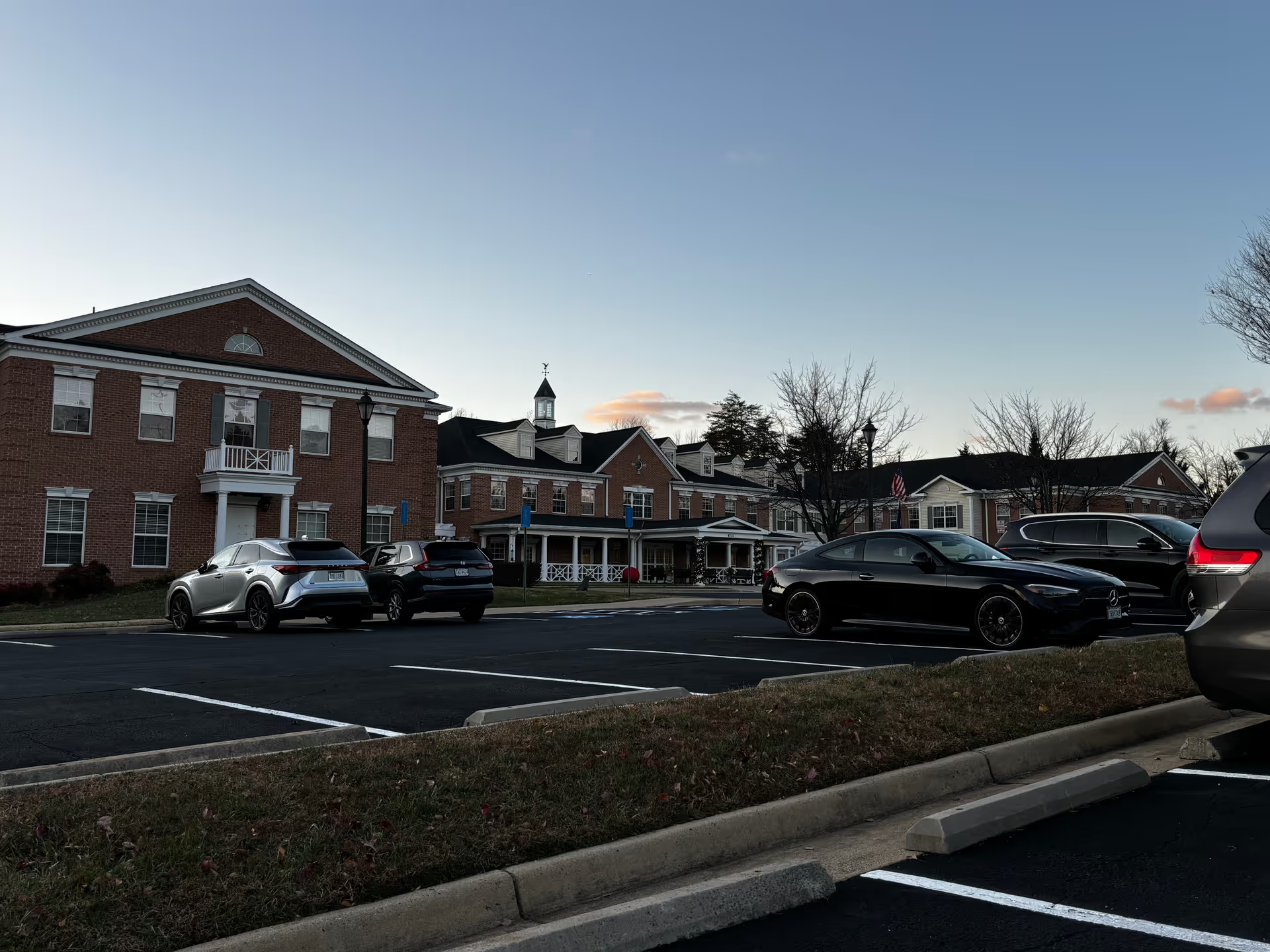
Facility features are regularly highlighted: built in 2015 and maintained in good condition, the building offers spacious rooms, bright communal areas, an outdoor courtyard, and an overall home-like atmosphere. Many reviewers describe the interior as clean and well kept. Dining receives generally positive remarks for nutritious meals, snacks, and hydration offerings; however, meal satisfaction is not uniform across all comments.
Management and communication receive mixed but largely positive comments. Several reviewers noted prompt phone responses, proactive outreach, virtual-call flexibility, and visible leadership continuity during an ownership change; one leader was named for providing stability. At the same time, reviewers also described periods of operational change tied to ownership/management transitions, and families advise confirming current staffing patterns and leadership arrangements during any move-in process.
Areas to evaluate further include staffing stability, clinical capacity for higher-acuity dementia or language-specific needs, meal consistency, and emergency-alert procedures. Review comments indicate intermittent staffing turnover and occasional availability gaps, which were sometimes linked to transition periods. A limited number of experiences suggest the community may be better suited to residents with higher-functioning memory loss than those requiring very complex clinical or language-specific care. There was at least one account that raised concern about alarm/alert responsiveness; prospective families should ask about alarm response protocols and recent staffing metrics.
Overall, Chantilly Heights is portrayed as a well-kept, activity-rich memory-care community with strong family engagement and compassionate staff. Prospective residents and families should verify current staffing stability, clinical-eligibility criteria for advanced dementia care, dining options, and emergency-response procedures during their tour and intake discussions to ensure the community aligns with the resident’s clinical and cultural needs.