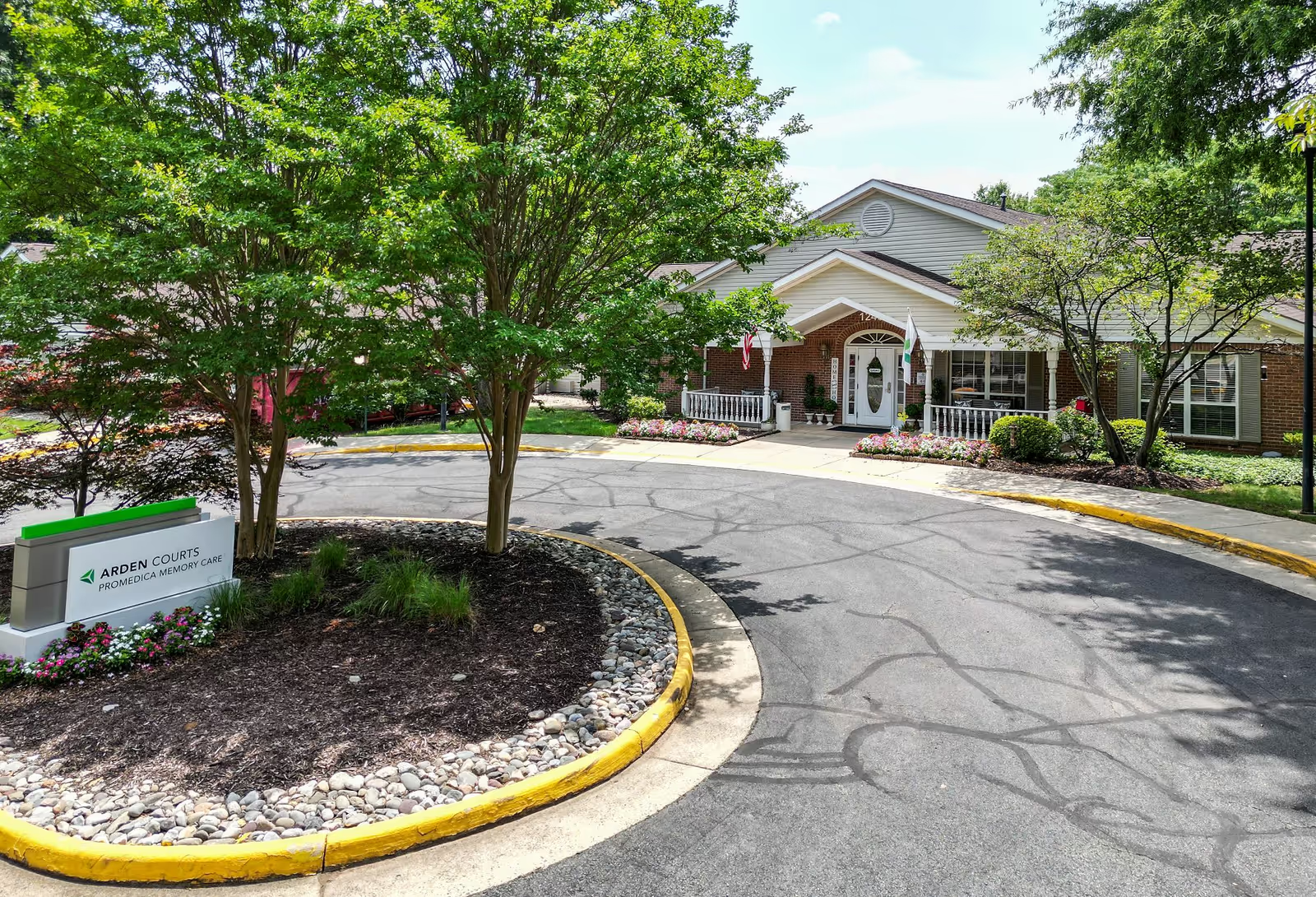
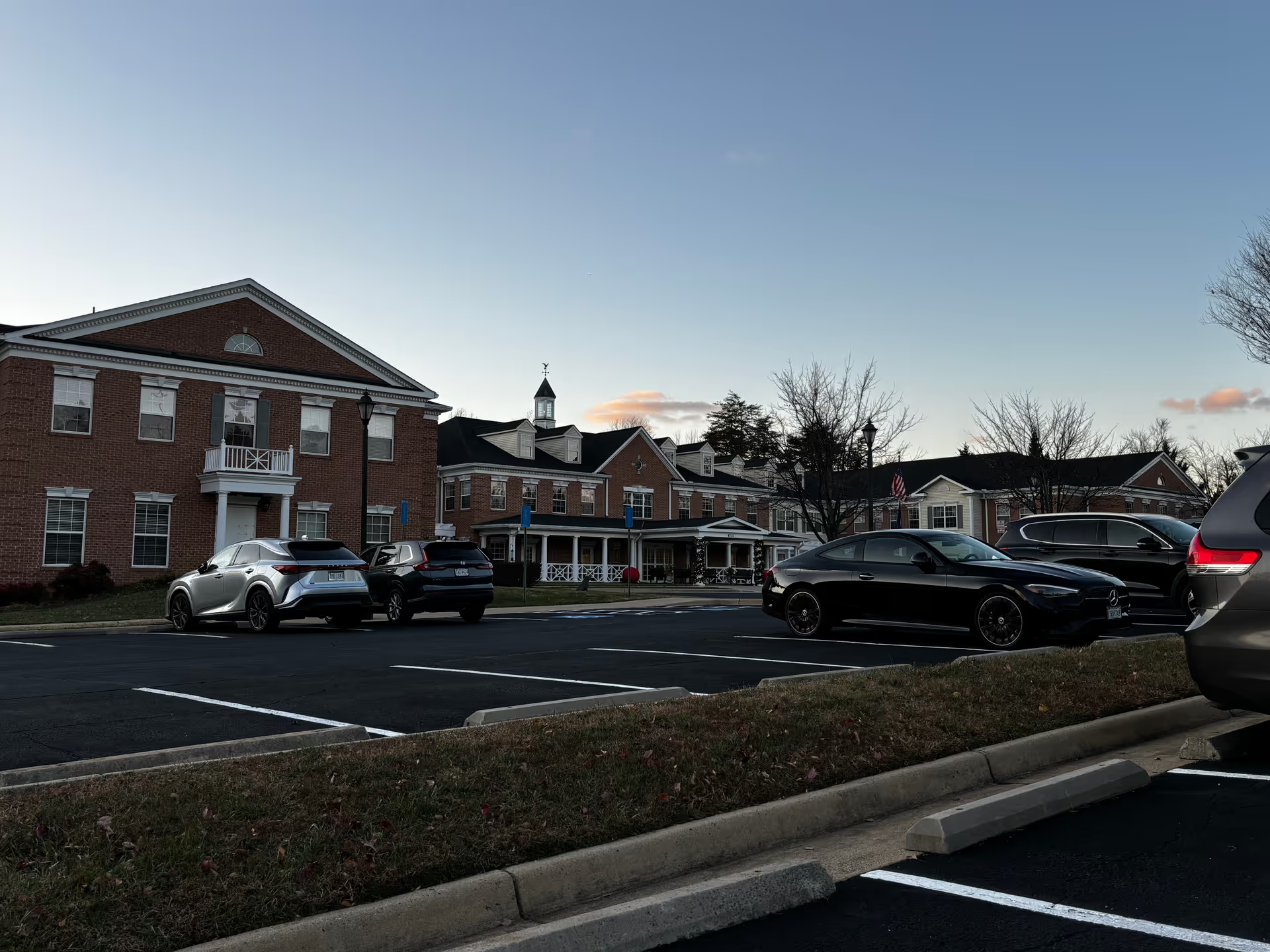
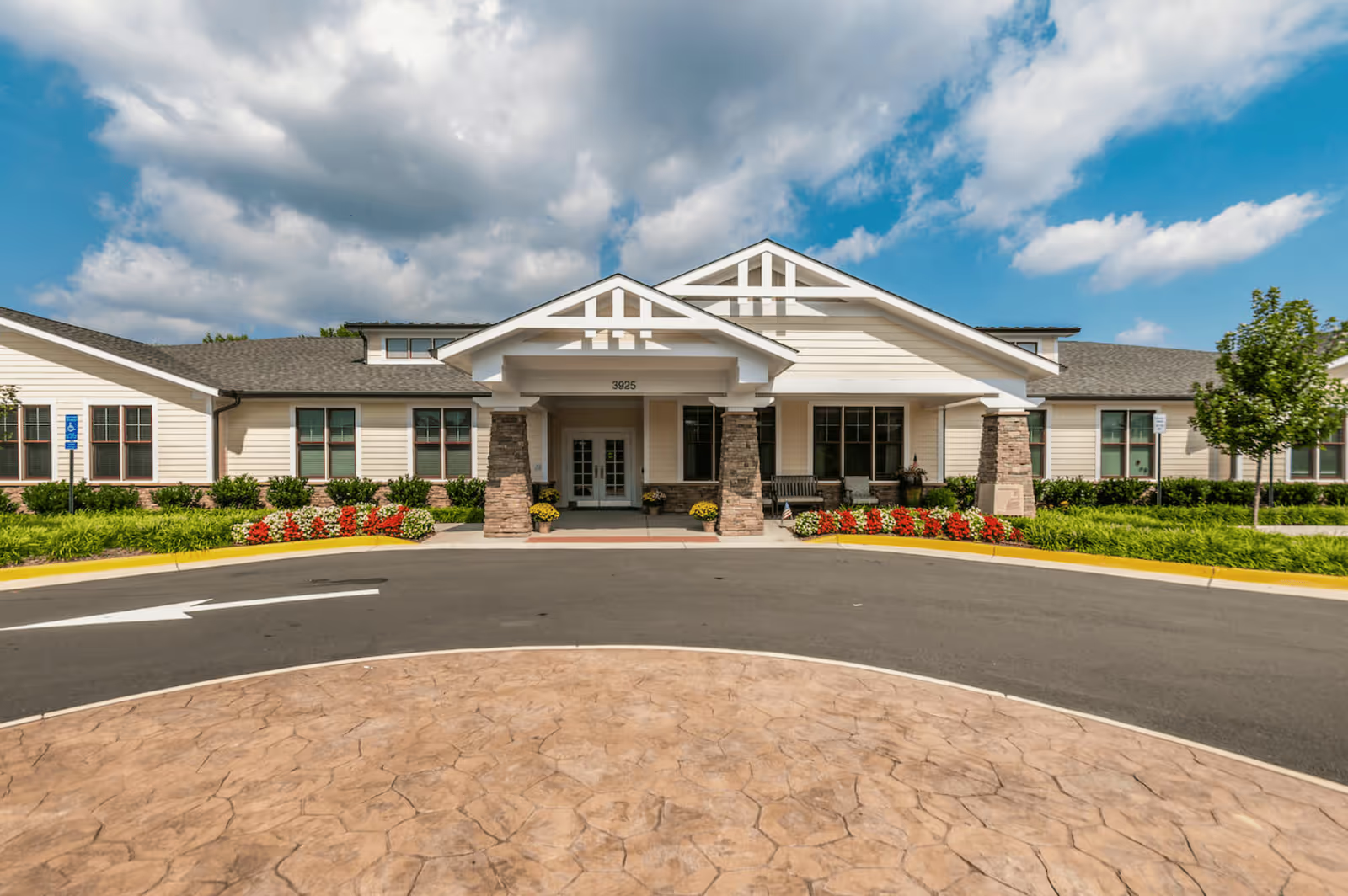
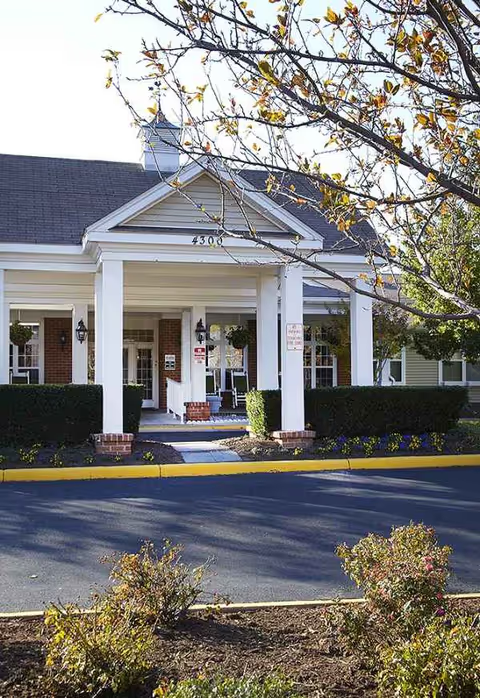
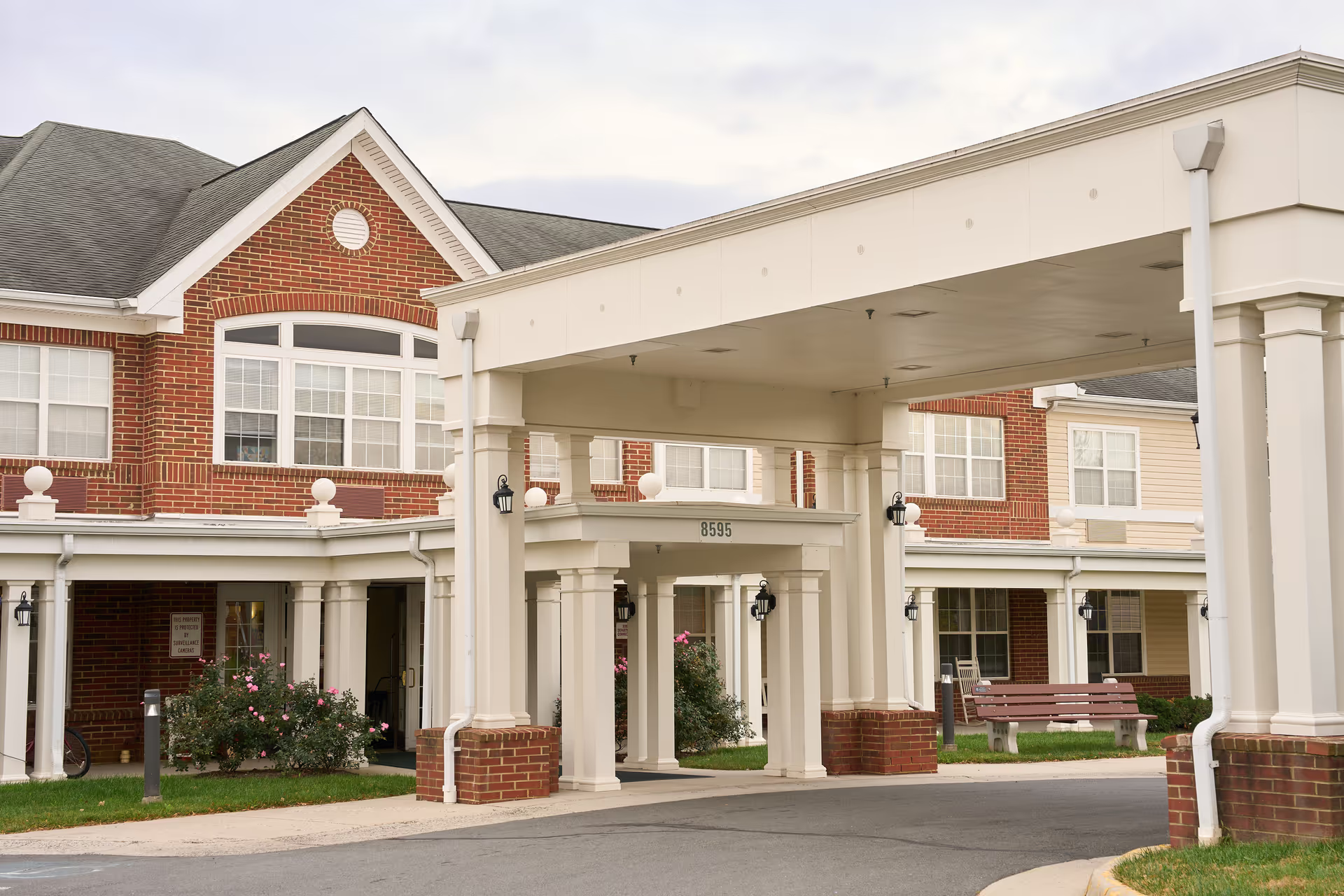
Brightview Fair Oaks is consistently described as a new, well-maintained community with a warm, hospitality-oriented atmosphere. Reviewers highlight the facility’s contemporary design, generous apartment sizes, inviting common areas and outdoor spaces, and specialty amenities such as a private movie theater and an art room. The physical environment and cleanliness are frequent strengths; families and prospective residents note a resort-like, lodge feel rather than an institutional setting.
Staff qualities are a prominent positive theme. Many accounts cite friendly, caring, and helpful caregiving and support staff, a welcoming reception experience, and an engaged executive/director presence. Move-in coordination — including assistance with interstate moves — and an active, social resident culture are described as strengths that help newcomers integrate quickly. The community’s programming is broad: daily activities, art classes, exercise, bingo, talks, card games, regular happy hours, and live entertainment are well-attended and contribute to reduced isolation and increased resident satisfaction.
Dining and services receive mixed commentary. Several reviewers praise an in-house chef, homemade-style offerings, and improvements in food quality, while others note variability in meal satisfaction. Available clinical and wellness services such as on-site physical therapy and organized transportation for excursions add convenience and support for independent and assisted living residents.
Notable concerns center on operational reliability and clinical oversight. There are indications of gaps in emergency-preparedness procedures and staff training, which can affect timely response in critical situations. Separate but related issues suggest vulnerabilities in the memory-care unit’s monitoring and security protocols; families expressed worry about wandering risk and unit-level supervision. Clinical oversight items include inconsistent medication administration and delays in vital-sign follow-up in some accounts. In addition, a subset of comments point to tense interactions around placement decisions and management communication that some families found pressured, along with requests for clearer access to clinical and incident documentation.
Other practical matters raised include occasional variability in front-desk responsiveness and constraints on parking during peak times. While many families offer high praise for caregiving staff and programming, the pattern of operational concerns described above suggests prospective residents and their families should include specific questions about emergency drills, memory-care monitoring systems, medication-administration protocols, and documentation/access procedures during tours and contract discussions. Visiting at different times of day and asking to meet clinical leadership can help evaluate how the community’s strengths align with an individual’s care needs.