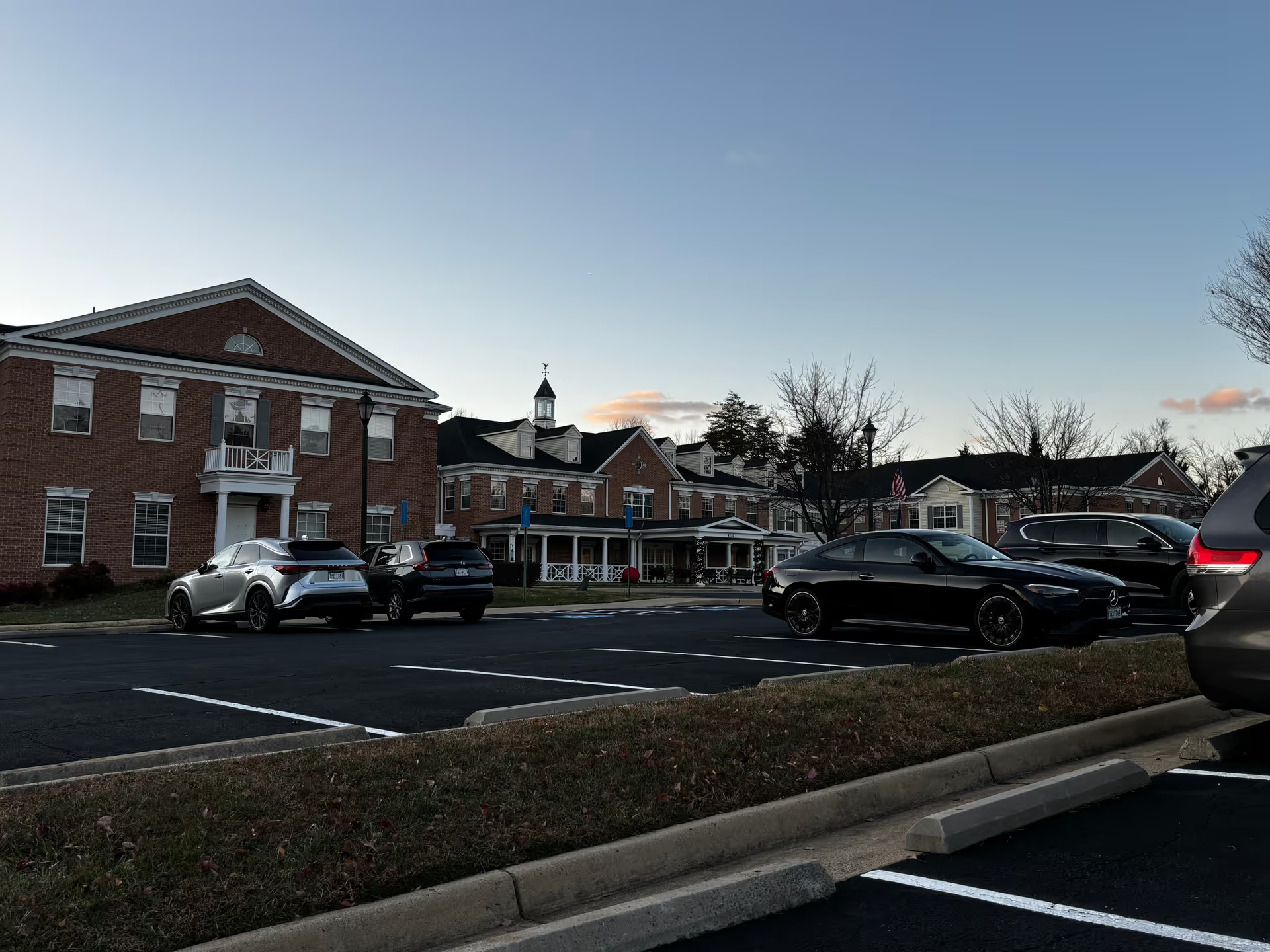
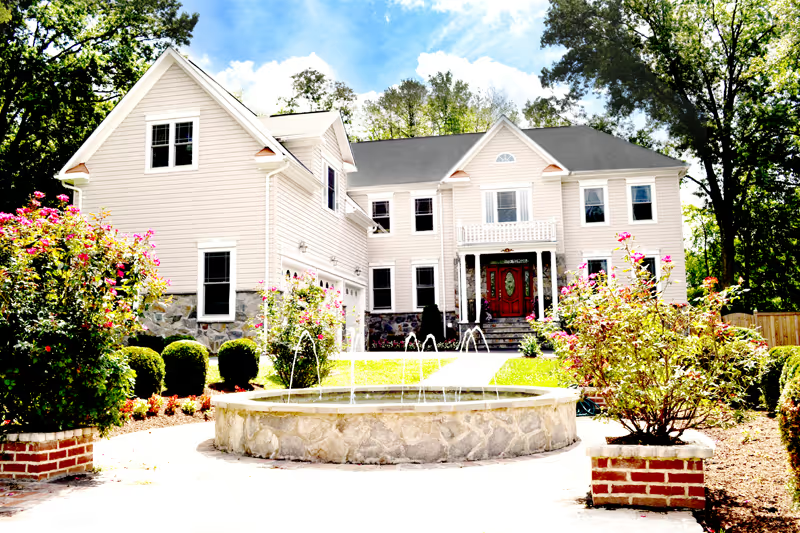
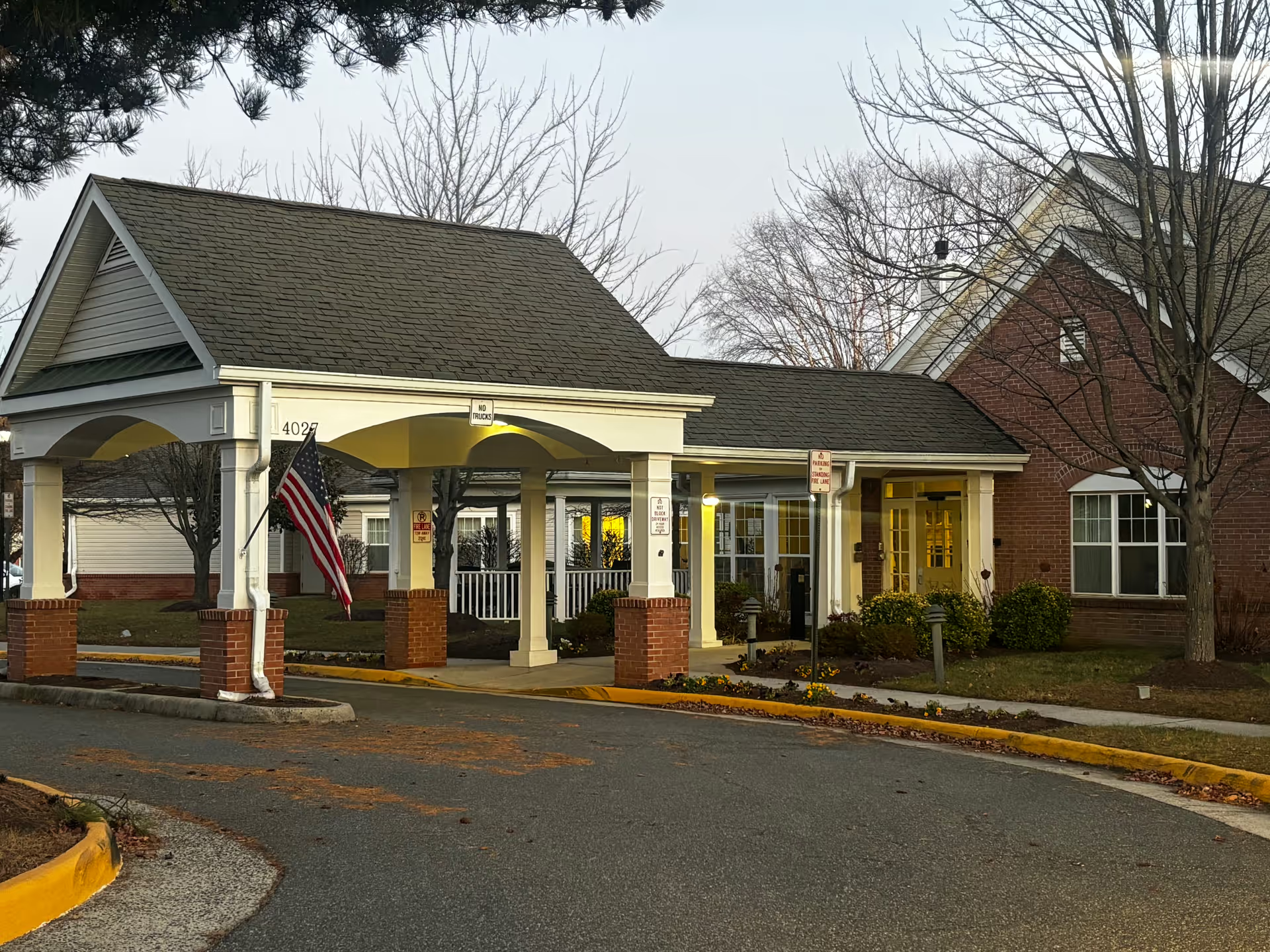
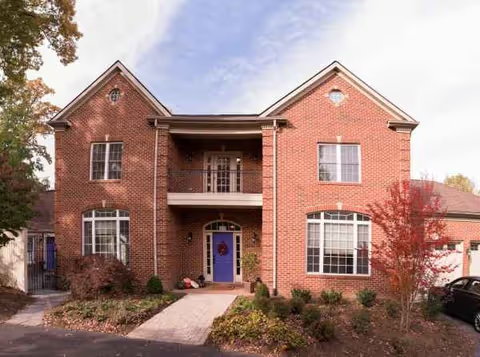
Overall impression: Sunrise at Hunter Mill is frequently described as a warm, home-like assisted living community with a consistent emphasis on compassionate caregiving and resident engagement. Families and residents commonly praised attentive, long-tenured staff, individualized care plans, and proactive clinical support. The community presents as bright and well maintained in many public areas, with suite-style rooms that offer privacy while enabling social interaction.
Care and staff: The facility's caregiving team is the primary strength cited across reviews. Reviewers cite respectful, patient interactions, detailed knowledge of resident preferences, and regular clinical oversight from in-house nurses and therapists. Medication oversight, physical therapy, and coordinated transitions — including moves to memory-care neighborhoods and collaboration with hospice — are highlighted as areas of clinical competence. At the same time, reviewers raised operational concerns about staffing levels; periodic short staffing and delays in call response were mentioned as recurring issues that may affect timeliness of assistance.
Dining and activities: Dining is generally viewed positively: a chef-driven program offers full-course meals with customized diets and frequent praise for specific menu items. However, reviewers also described variability in meal quality and occasional complaints of blandness. The life-enrichment program is robust, with a full calendar of on-site and off-site activities, exercise classes, art projects, worship services, and volunteer involvement. These programs are frequently credited with promoting socialization, cognitive stimulation, and family peace of mind.
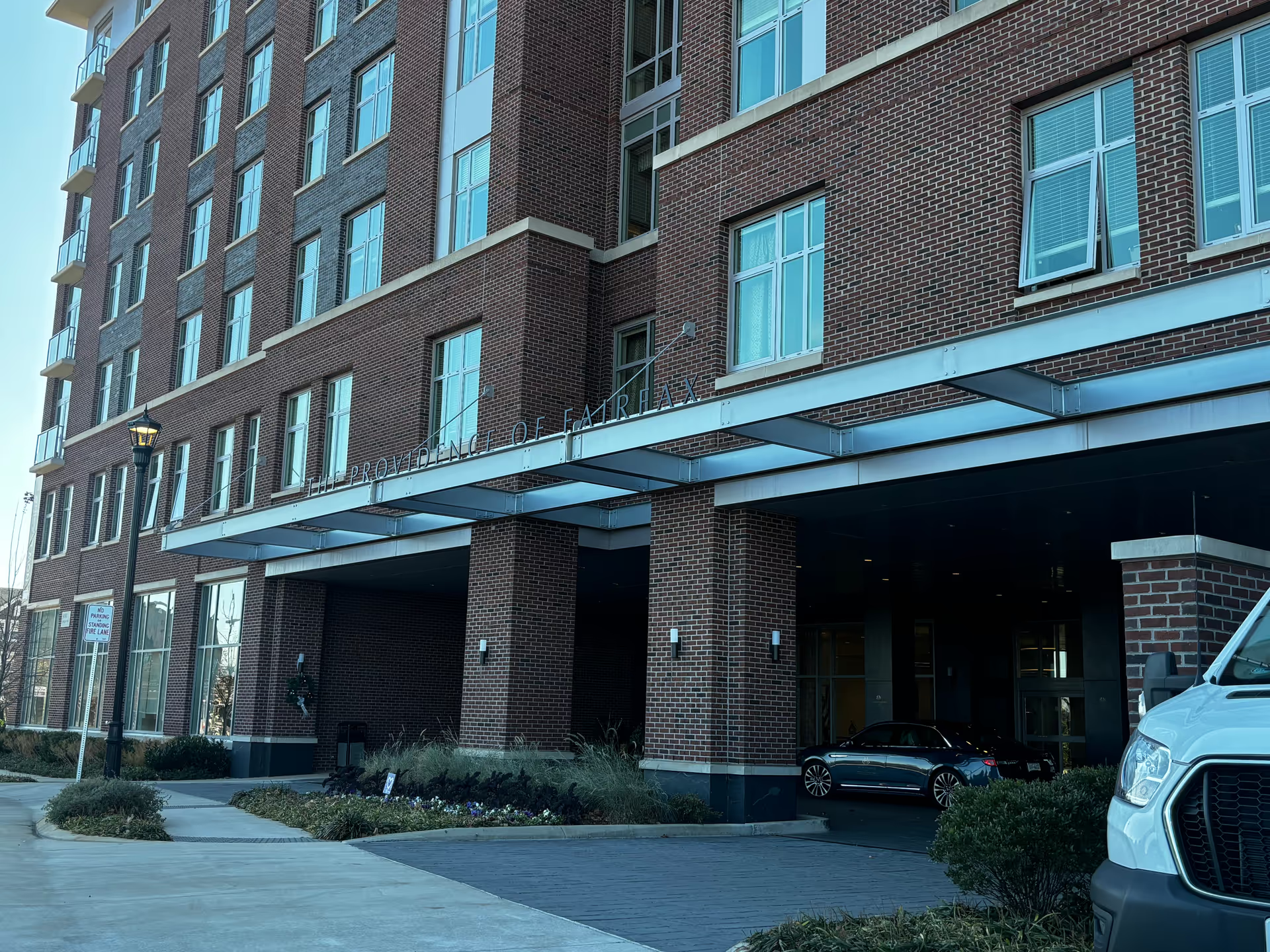
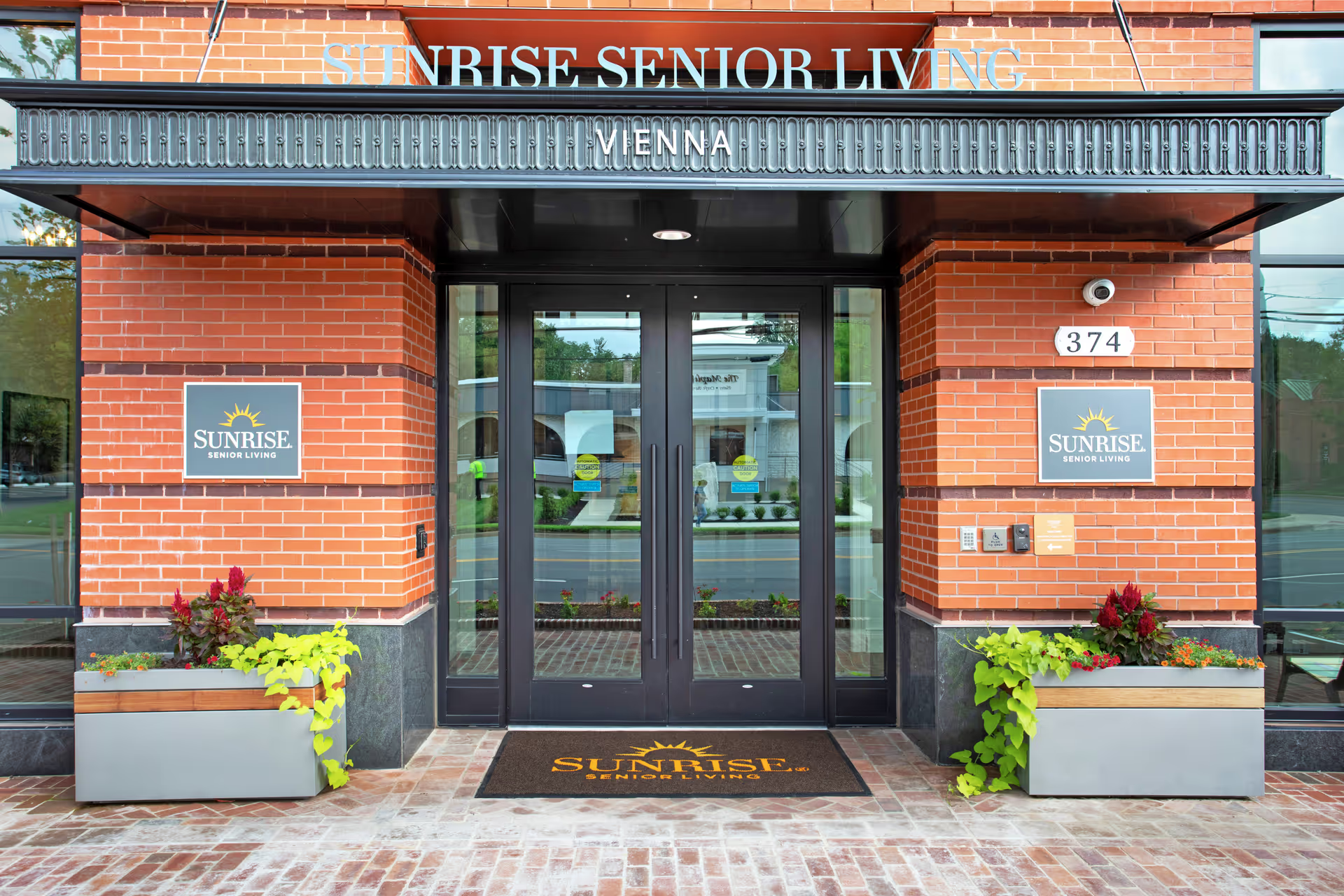
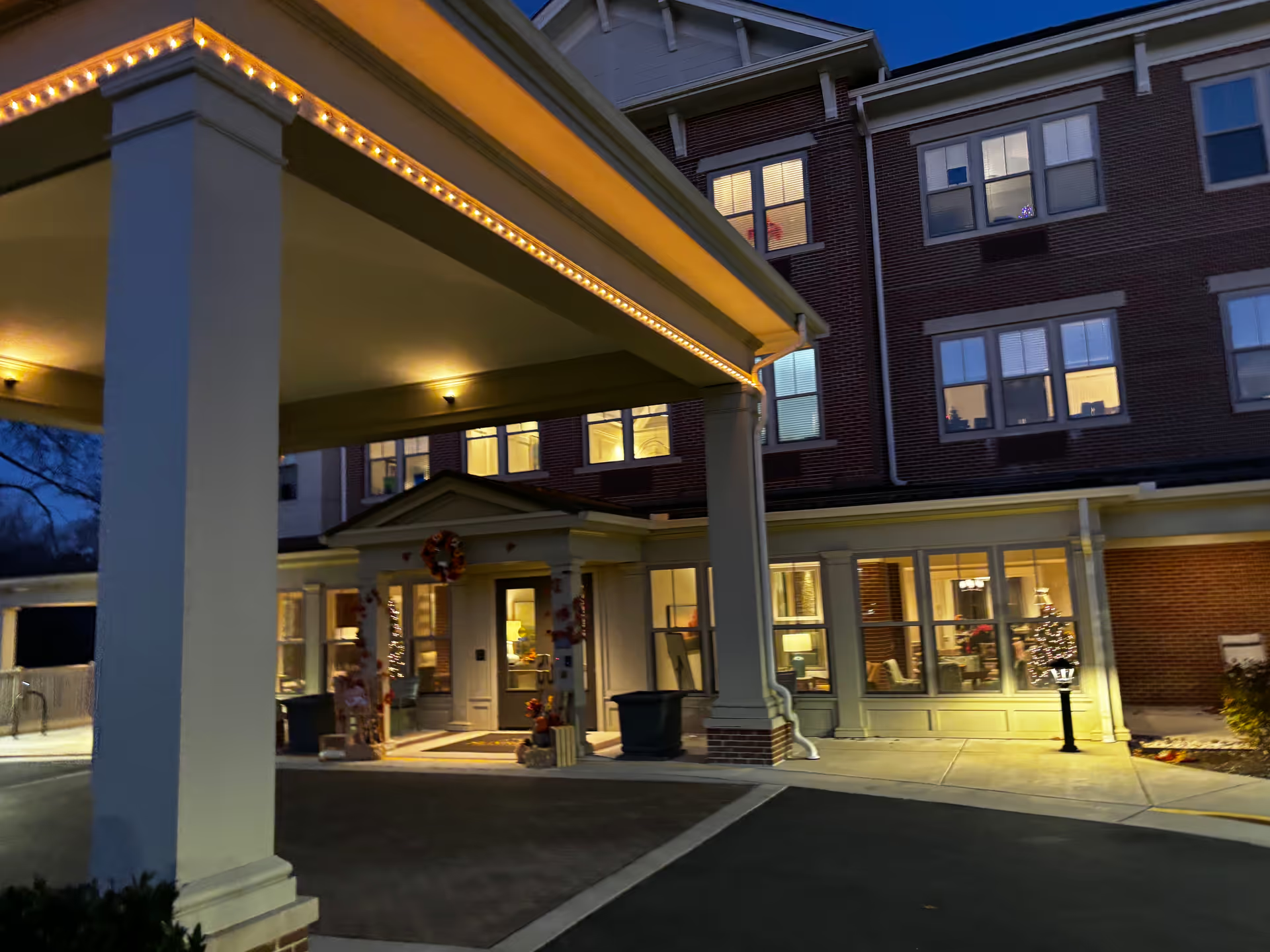
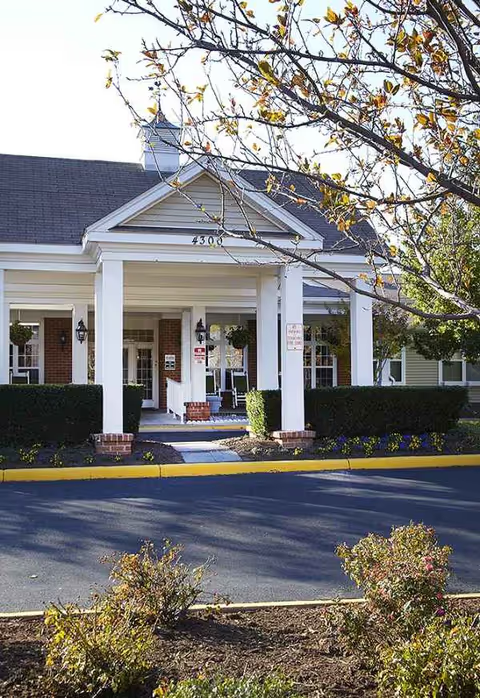
Facilities and environment: The property is often characterized as clean, bright, and hotel-like, with pleasant grounds and a convenient location near shopping and trails. Memory-care neighborhoods are described as active and well staffed. Conversely, some reviewers flagged areas that need updating or maintenance, small apartment footprints and limited storage in certain room types, visitor parking constraints, and isolated odor concerns in select memory-care common areas. An infrastructure limitation (absence of a backup generator) was also noted by reviewers and should be clarified with management.
Management and operations: Leadership and specific administrators receive frequent praise for communication, family outreach, and hands-on involvement. Several reviewers credited the management team with smooth transitions and effective coordination of care. At the same time, there are operational critiques: the admissions/intake experience is sometimes perceived as high-pressure or disorganized, pricing transparency can be inconsistent, and lack of Medicaid acceptance limits payer options for some families. COVID-era policies and infection-control responses were generally viewed favorably.
Patterns and guidance: The dominant pattern is a community centered on compassionate staffing and active life-enrichment, making it a strong fit for families prioritizing personalized care, social engagement, and a smaller, homelike setting. Prospective residents should clarify current staffing levels and average response times, ask about meal-scheduling/menus and recent maintenance plans for resident apartments, confirm payer options and pricing transparency, and verify emergency infrastructure such as backup power. An in-person tour focused on the specific unit, dining service at mealtime, and a conversation with the activities director will help determine whether the community’s strengths align with a family’s priorities and budget.