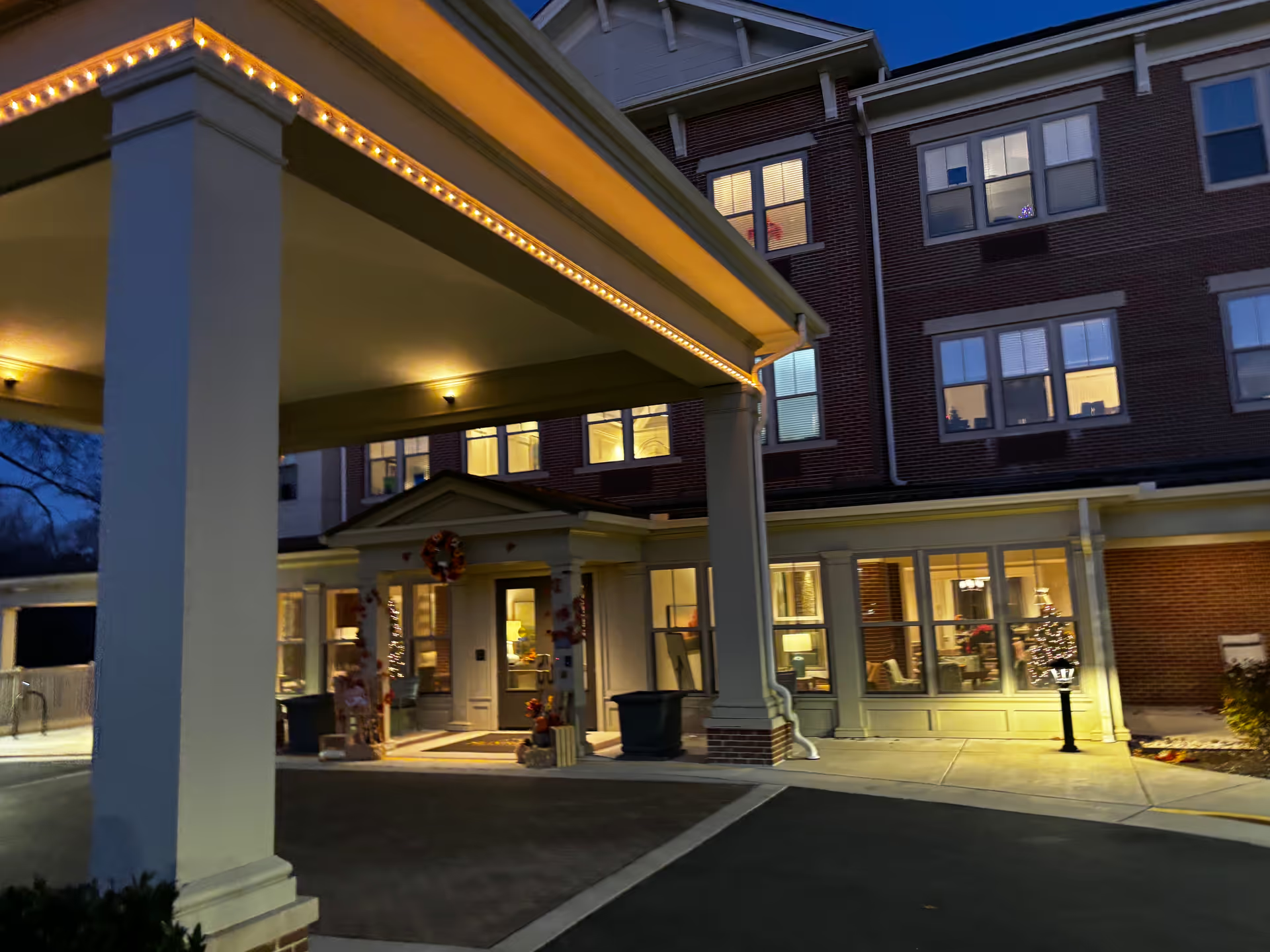
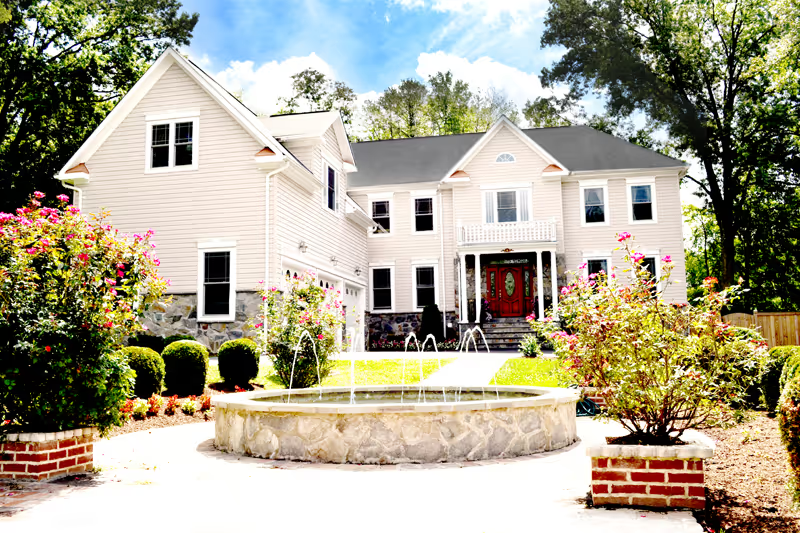
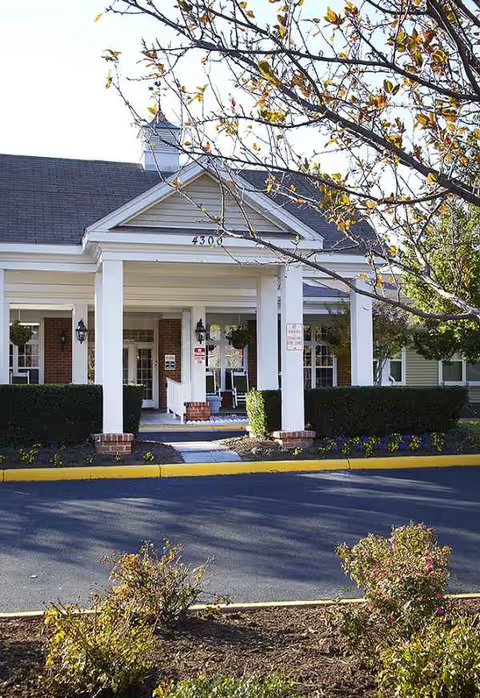
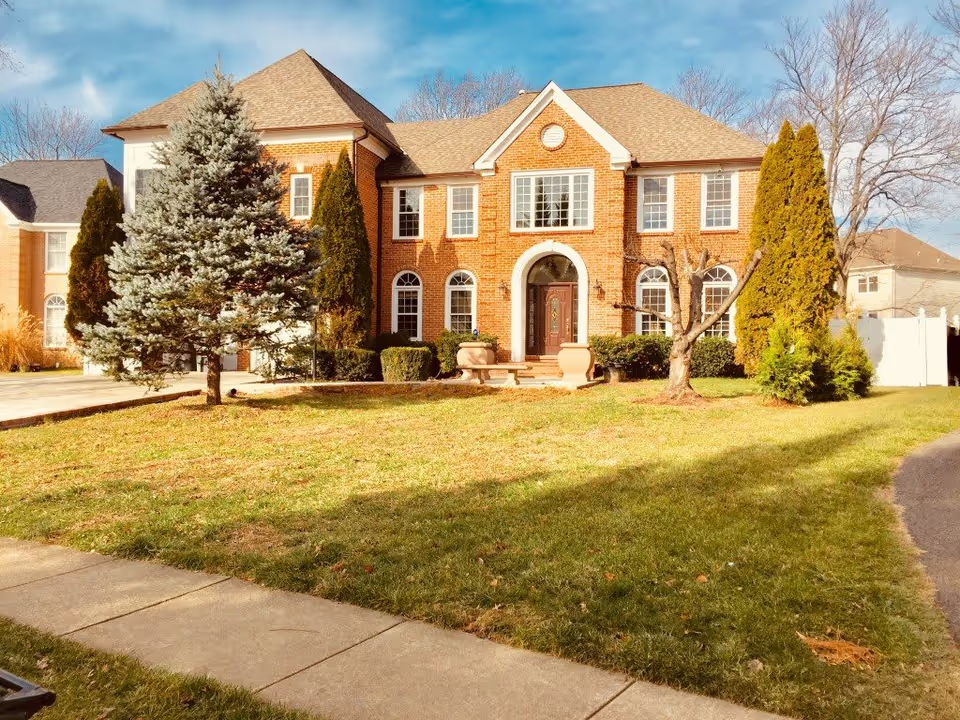
The Providence Fairfax is consistently described as a modern, hotel-like senior living community with strong curb appeal and well-maintained public spaces. Reviewers highlight bright, spacious apartments, sunlit common areas with large windows, an attractive outdoor patio and rooftop, and convenient vehicular access including an underground garage. Location close to a hospital and Metro transit is regularly noted as an asset. Operational amenities such as on-site physical therapy, laundry and apartment cleaning services, and included utilities/internet in some plans add convenience for residents and families.
Staff and culture are major strengths in the reviews. Many families characterized staff as warm, attentive, and resident-focused; sales and move-in teams are frequently praised for making transitions smooth. Reviewers emphasize proactive administrative leadership and an engaged executive director, with staff who often know residents and their families. The community offers a broad activities program—daily events, music, outings, and social opportunities—which residents and families say supports socialization and wellbeing.
Dining is a mixed but generally favorable area. The property offers multiple on-site dining venues, an on-site restaurant and bar, and long dining hours; many reviewers compliment food quality and service, with several calling the cuisine five‑star. However, there are recurring comments about inconsistent meal quality and the cost of visitor dining, indicating variability between dining experiences.
Clinical care and operational issues are the primary patterns of concern. Several reviewers describe staffing constraints—including high workloads and limited licensed clinician coverage on some shifts—that raise questions about consistent clinical availability. Medication management emerges as a distinct operational friction point: families reported conflicts around pharmacy providers, higher medication costs, and limited on-site medication delivery capacity. Relatedly, some reviewers cite communication gaps around clinical contacts and family coordination, occasional language barriers, and a need for stronger night-shift training.
Other operational themes include pricing perceptions and incident handling. Some families perceive the community as costly relative to value and request clearer pricing or contact lists for clinical and administrative issues. A small number of accounts raised concerns about staff conduct and unresolved incidents; these point to a need for consistently applied incident investigation and resolution processes.
In sum, The Providence Fairfax presents as an upscale, amenity-rich community with strong social programming and a caring, service-oriented staff culture. Prospective residents and families should weigh the facility’s attractive physical environment and active lifestyle offerings against ongoing operational considerations: staffing levels and clinical coverage on certain shifts, pharmacy and medication processes, communication protocols, and variability in dining. A focused conversation during a tour about nurse staffing ratios, pharmacy options, medication administration procedures, and recent quality or incident-resolution practices would help clarify whether the community’s operational practices match a family’s care expectations.