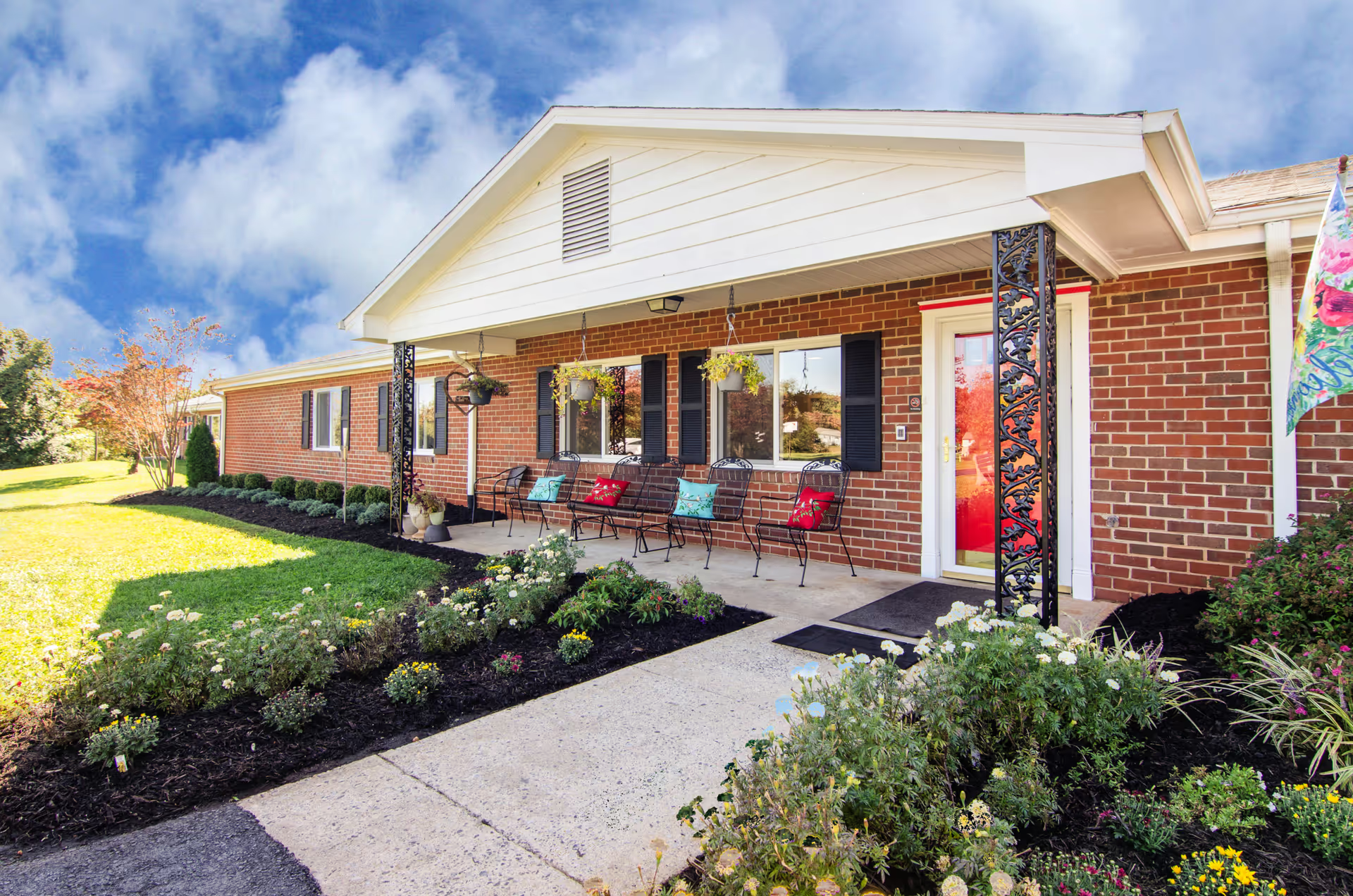
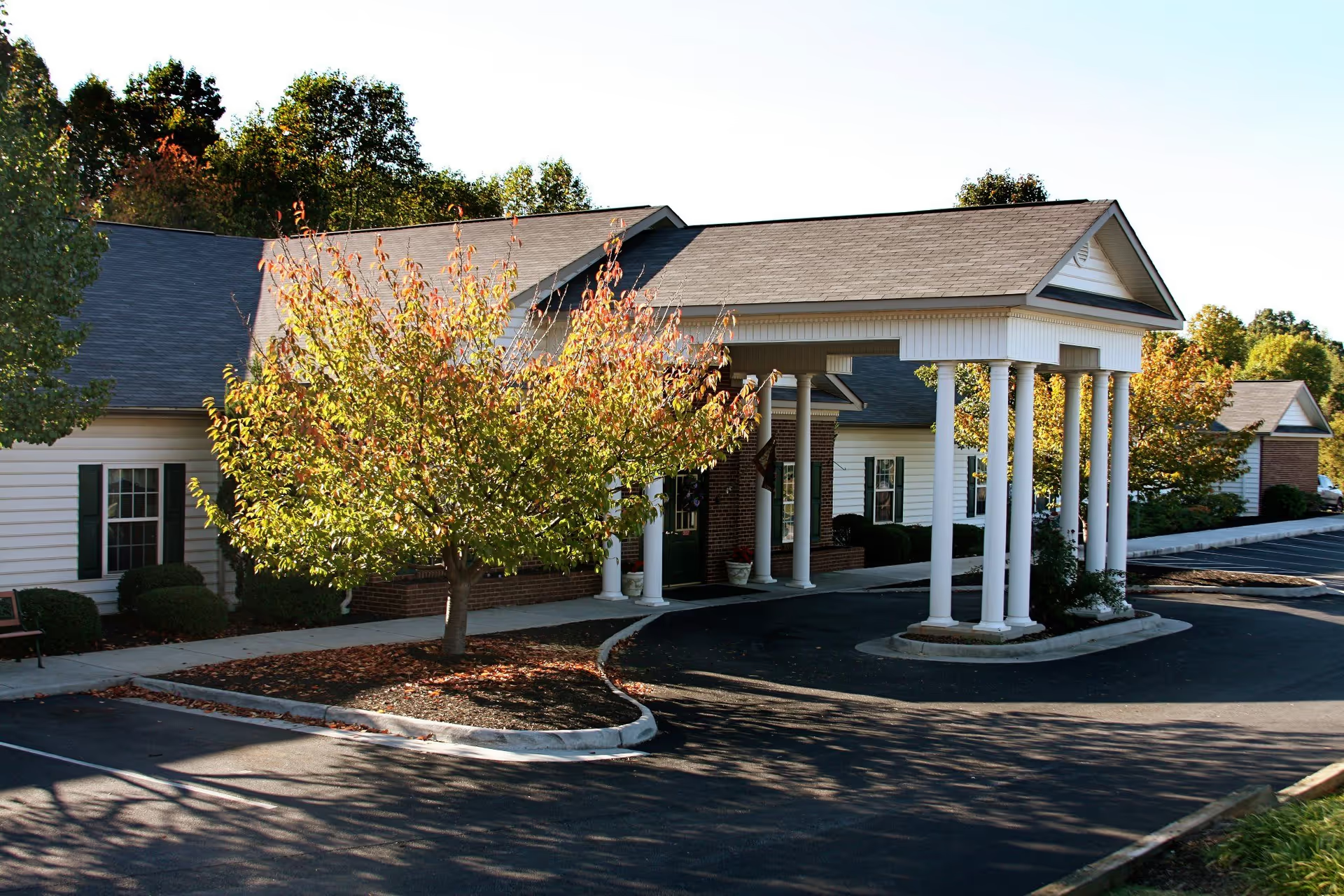
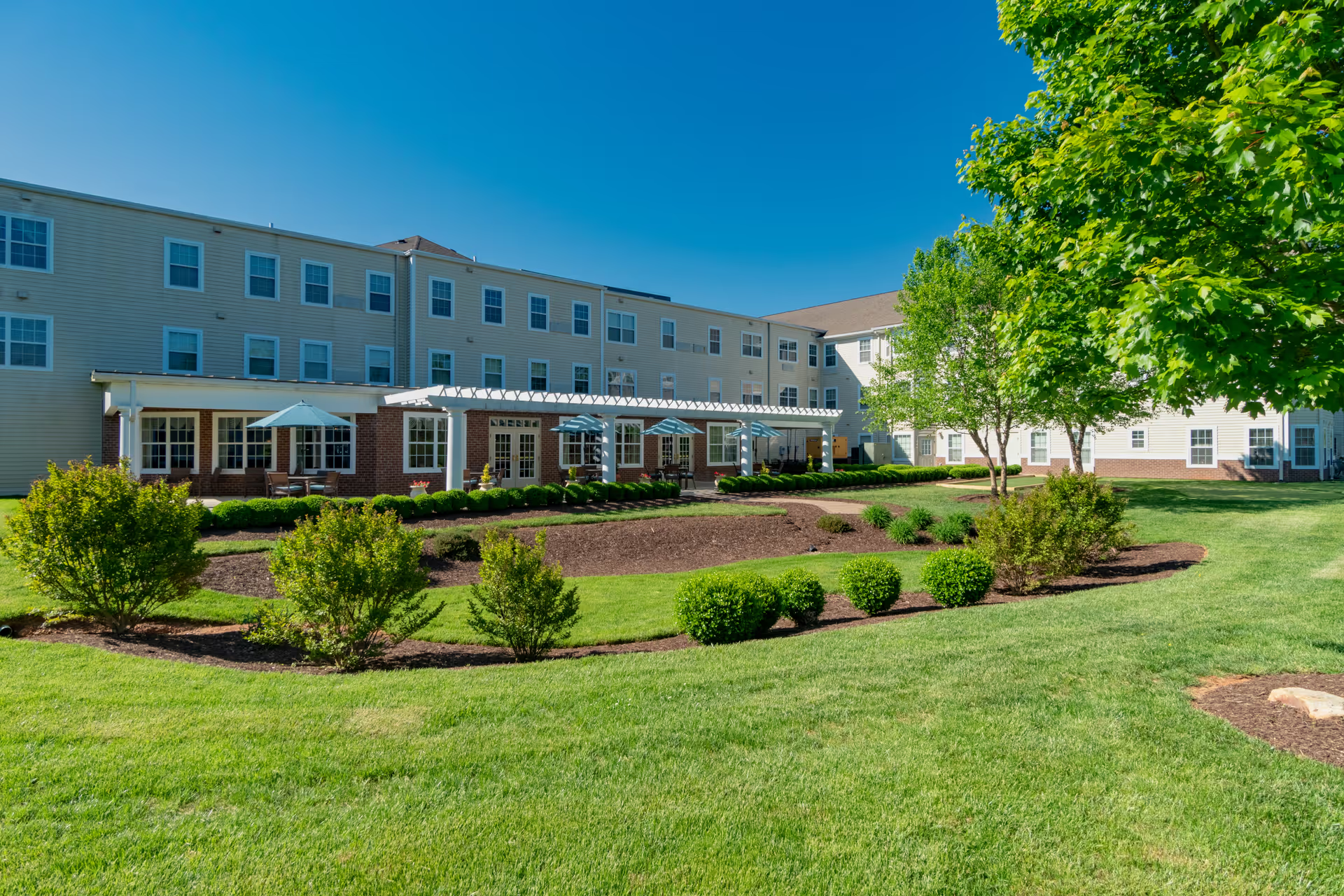
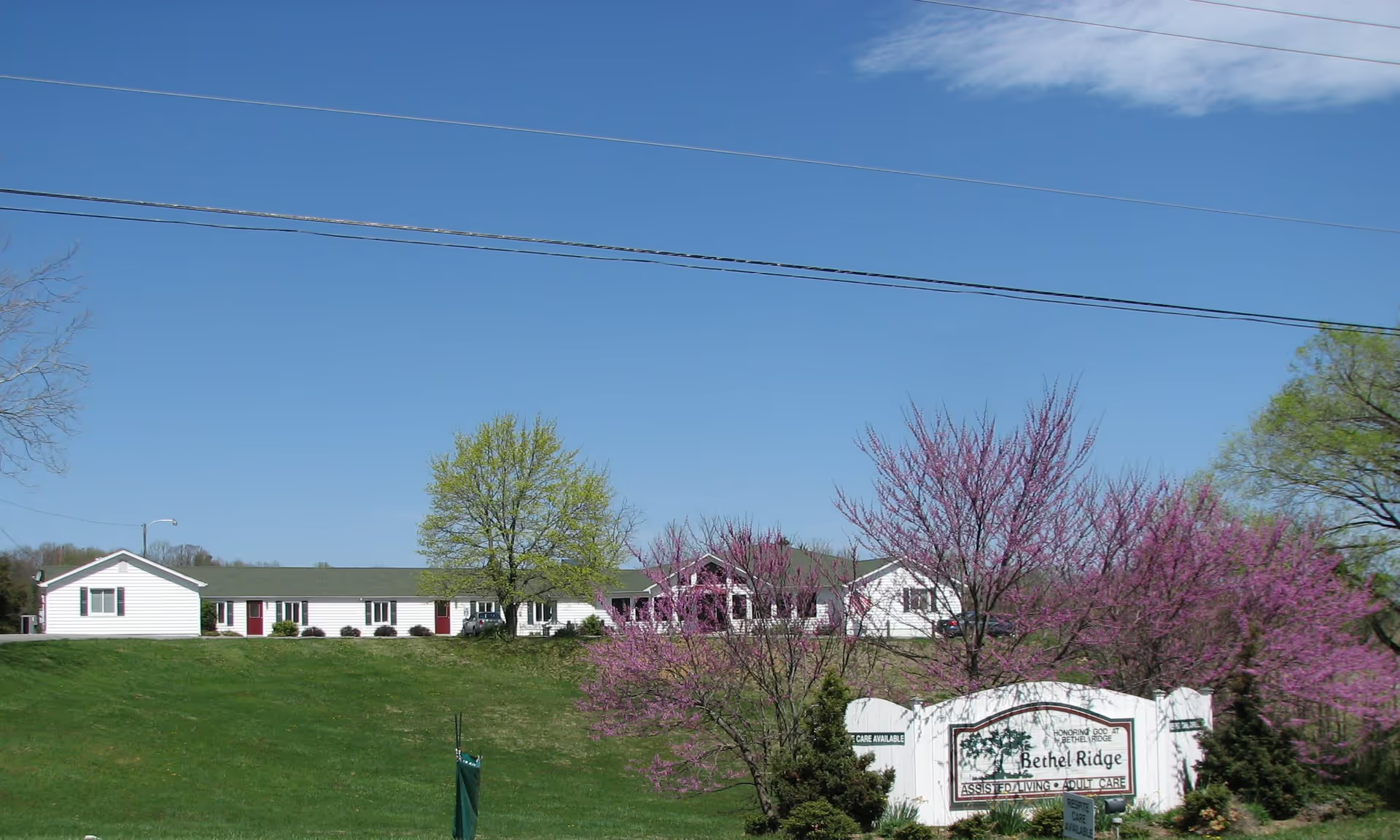
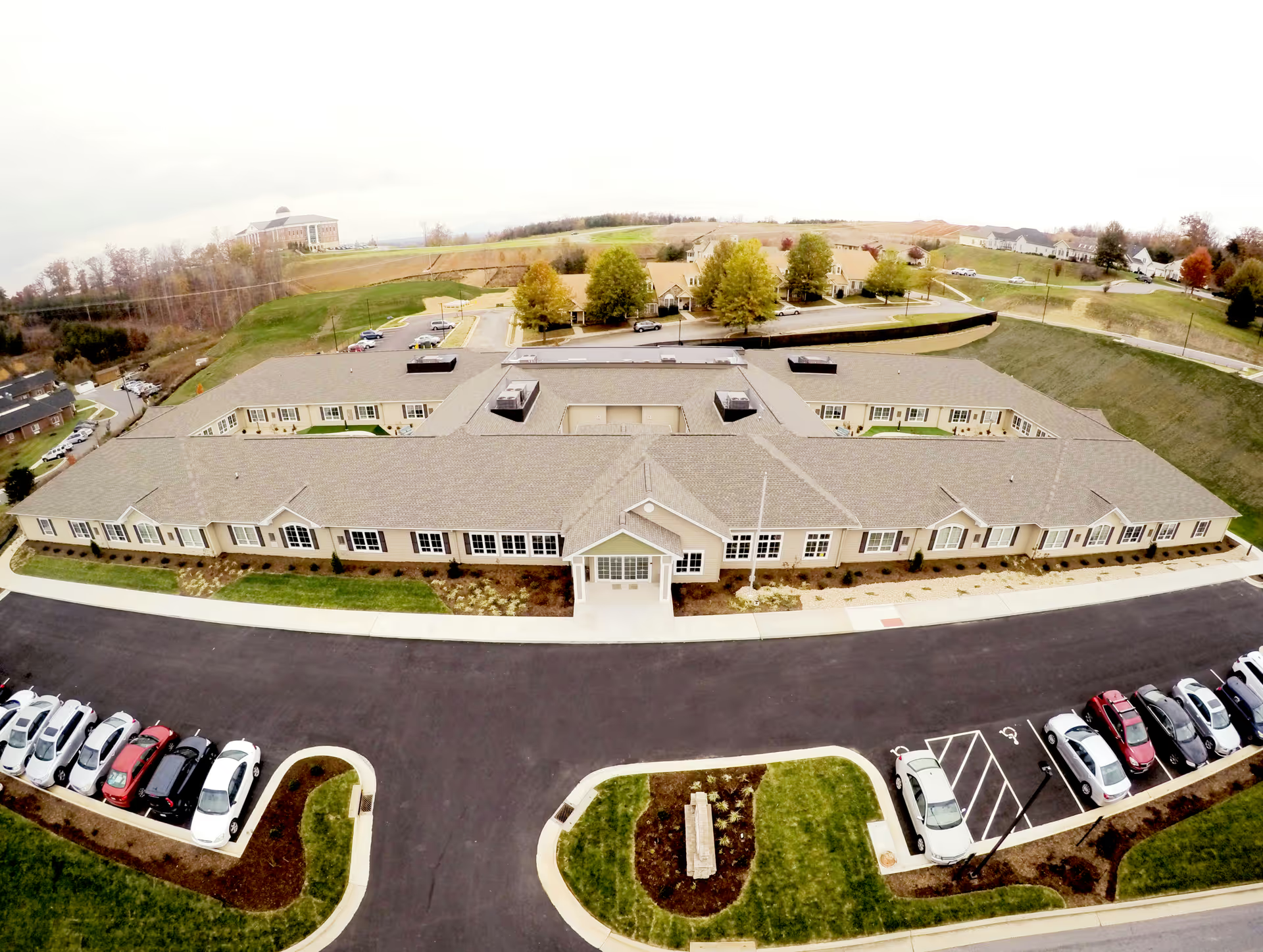
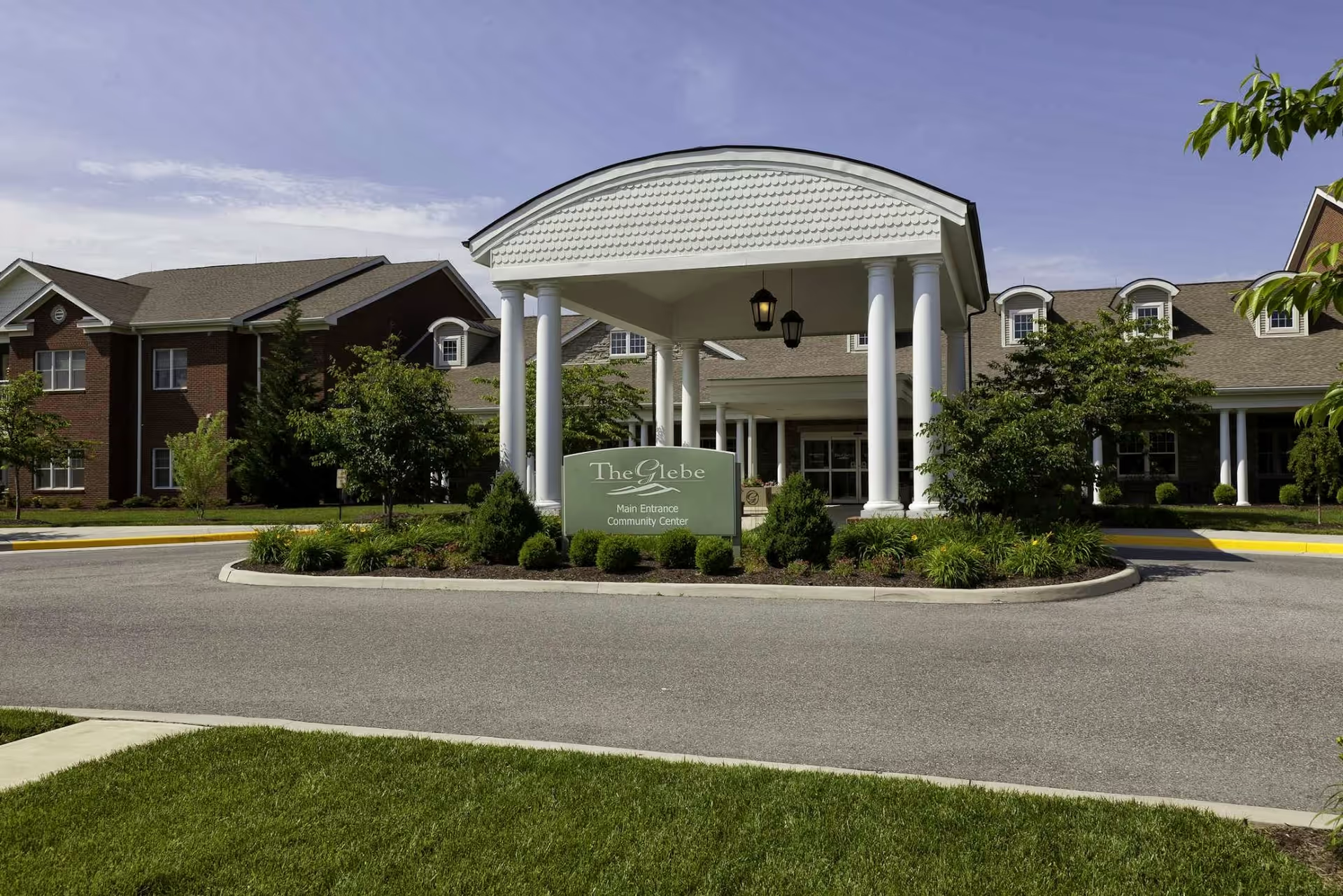
Spring Oak at Bedford — The Elks Home presents a mixed picture: the campus, apartments and some areas of programming consistently draw praise, while operational and clinical reliability appear inconsistent across shifts and units. The community's historic setting, large light-filled apartments and a formal dining room give it an immediate aesthetic appeal. A broad set of on-site amenities (library, salon, chapel, recreation and activity spaces), regular special events such as bus trips and seasonal displays, and available transportation to local medical providers are strengths that support resident engagement and convenience.
Care quality is uneven. Many families and visitors describe caring, attentive interactions from individual staff and nursing personnel; weekly clinician visits and available rehabilitation services (PT/OT) are noted as positives. However, reviewers also described persistent short-staffing, long delays in responding to call lights, and frequent turnover. These staffing patterns appear to affect routine assistance (bathing, bed changes, grooming), response times for medical needs, and continuity of medication administration. There are also more serious clinical-process concerns cited, including inconsistent documentation and at least one allegation of unauthorized medication administration; families also described delayed emergency-notification and communication breakdowns in some cases.
Dining and activities present a split experience. The dining room and presentation are widely admired and breakfast offerings receive favorable comments, but several accounts point to inconsistent lunch and dinner quality and occasional disruptions to meal service. Activities programming and social opportunities are a clear asset in assisted living areas; memory-care programming appears more limited and less varied in comparison, according to reviewer feedback.
Facilities and maintenance combine recent improvements with older infrastructure. Many reviewers appreciated renovated areas such as the lobby and well-kept common rooms, while others reported dated fixtures, worn carpets, intermittent hot water or elevator issues, and exterior maintenance needs. Cleanliness is likewise mixed: some public areas are well maintained, while back-of-house and certain wings drew sanitation concerns and odor concerns in specific reports. Security and asset-control gaps were also mentioned, including exterior doors reportedly failing to secure consistently and instances of missing personal items.
Management and culture are in transition. New ownership and leadership changes were frequently noted; some families observed positive cultural shifts and proactive initiatives from newer administrators, while others perceived management as overwhelmed, inconsistently present, or slow to correct problems. Communication with families — about care changes, medication issues, and incidents — is an area of recurring concern. Staffing compensation and training shortfalls were raised as contributing factors to turnover and inconsistent service delivery.
For prospective residents and families: the property offers clear strengths in environment, amenities and several clinical resources, and many residents enjoy the social atmosphere. At the same time, the facility exhibits operational variability that can materially affect day-to-day care — particularly around staffing, medication processes, response times, cleanliness of some areas, and family communication. Visit during different times of day, ask for current staffing ratios for the specific unit of interest, review medication-administration and incident-communication procedures, and inquire about recent corrective actions since the ownership transition to assess whether the operational weaknesses have been addressed.