Overall impression: Reviews reflect a facility with many operational strengths alongside a small but notable set of operational weaknesses. Positive accounts emphasize compassionate caregiving, effective rehabilitation, cleanliness, and an inviting environment; negative accounts raise concerns about responsiveness, documentation, and occasional maintenance or security issues. The aggregate picture is of a center that delivers strong person-centered therapy and nursing care in many cases, though consistency across shifts and units appears variable.
Care quality and clinical issues: Nursing and therapy were the most frequently praised services. Multiple accounts describe attentive nursing care, empathetic aides, and strong physical-therapy support that helped residents regain strength and confidence. At the same time, reviewers raised concerns about clinical process gaps — specifically missing or incomplete nursing assessments and uneven primary-provider coordination — that suggest documentation and clinical-flow improvements are needed. Delays in responding to resident requests or needs were noted in several accounts and are described as linked to staffing variability.
Staff and management: Staff are frequently characterized as friendly, compassionate, and willing to go above and beyond; office and admissions staff were also called out for facilitating smooth transitions. Family communication and administrative responsiveness were positive themes. However, there are intermittent reports of unresponsive interactions and poor communication tone from specific staff, indicating inconsistency in staff conduct. Reviewers also flagged understaffing as an operational pressure point that can affect timeliness of care.
Dining and activities: Dining is generally seen as a strength — reviewers mentioned good food and an attentive dietician who manages allergies and special diets. One gap noted was limited upfront information about meal options and pricing during admission. Recreational programming and social activities are presented as engaging and beneficial to resident mood and social connections, with several accounts describing improved well-being tied to participation.
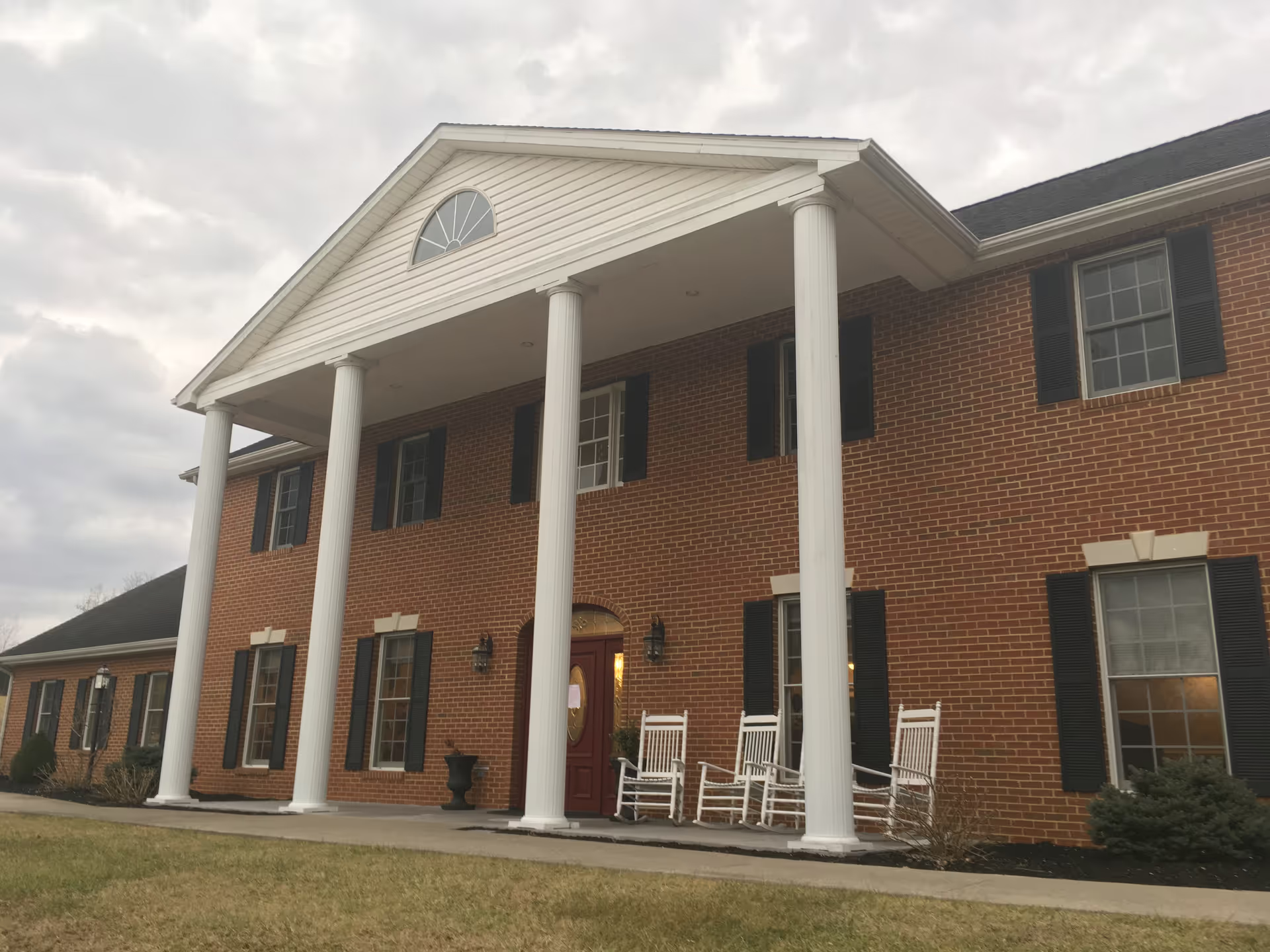
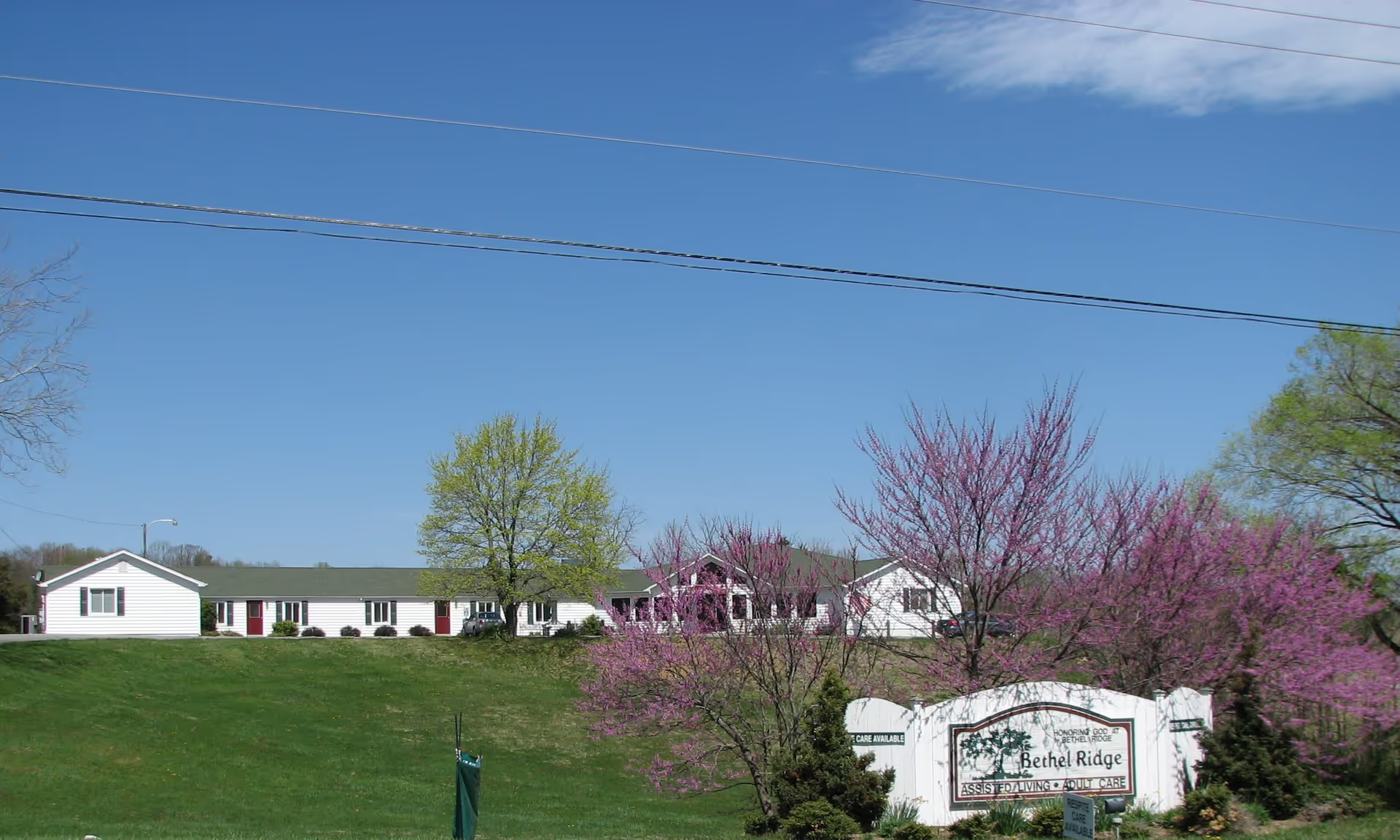
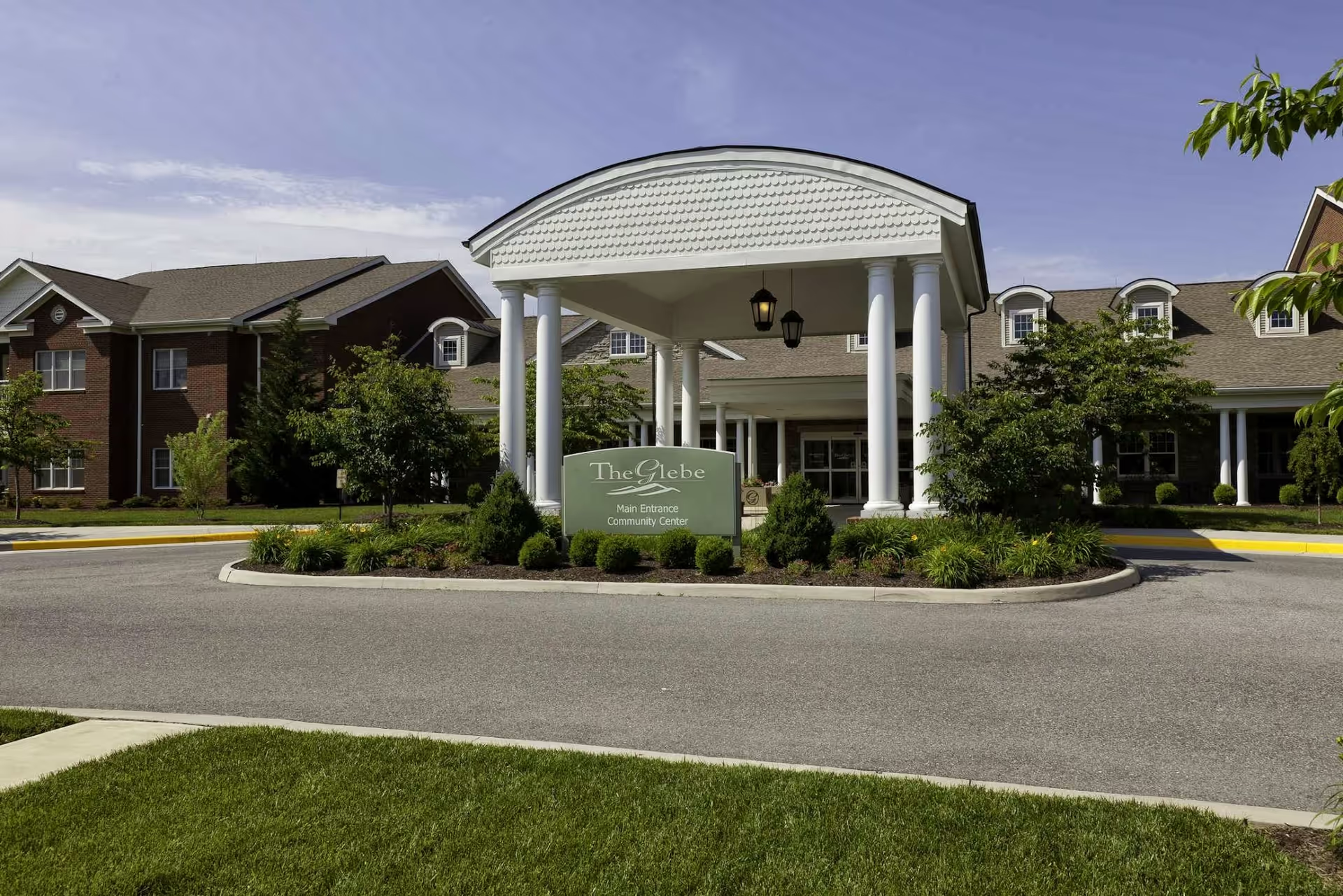
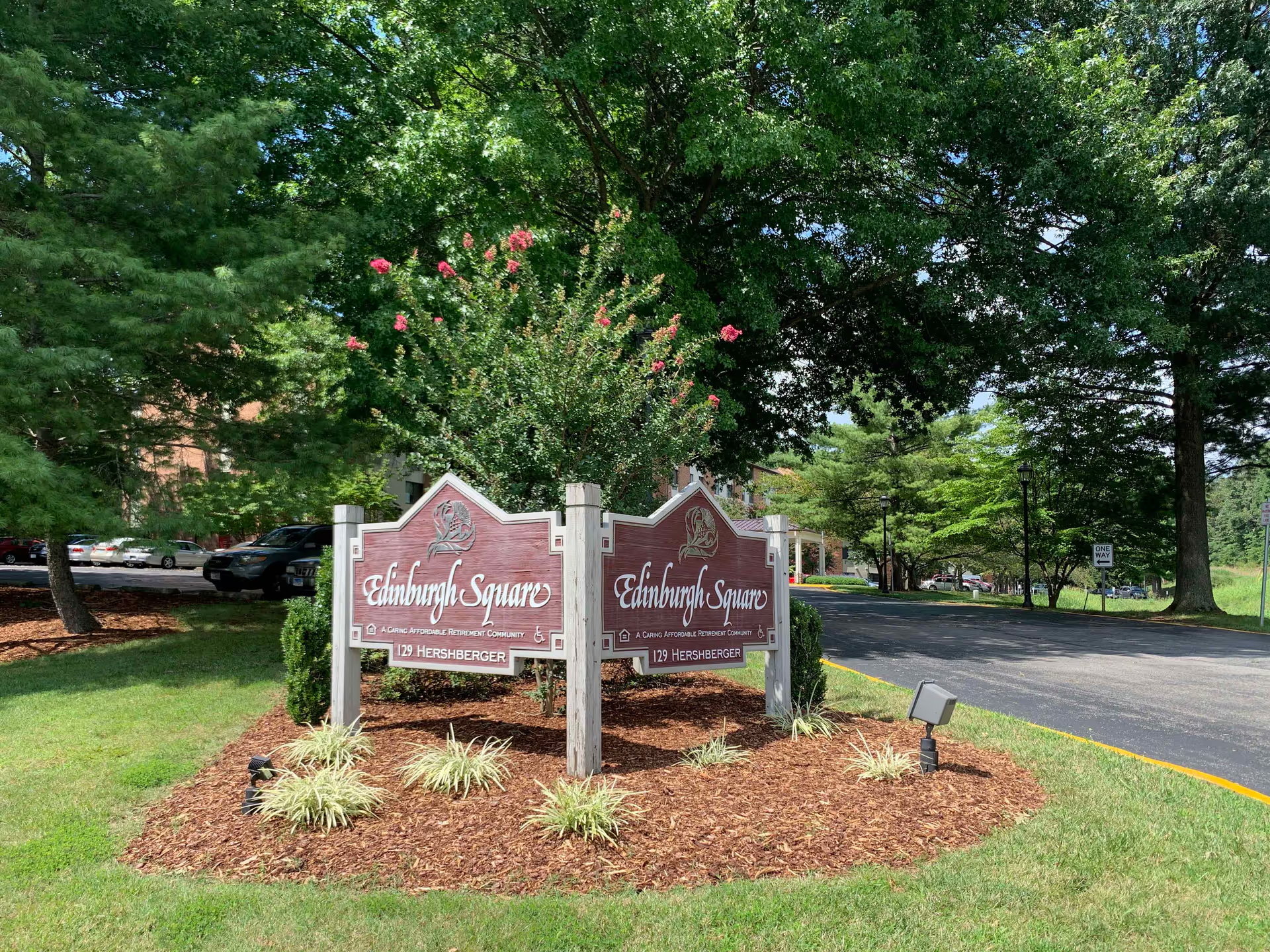
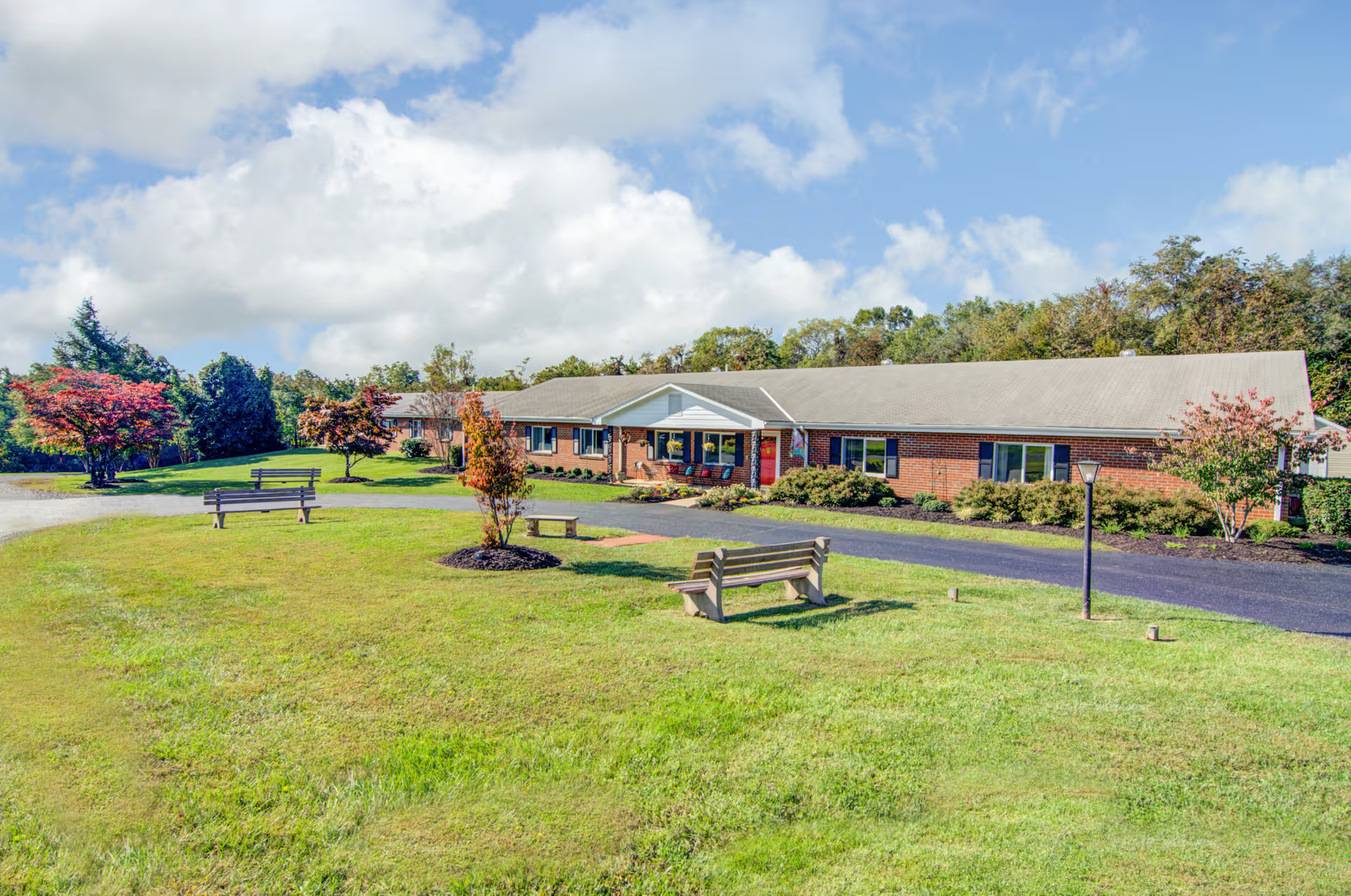
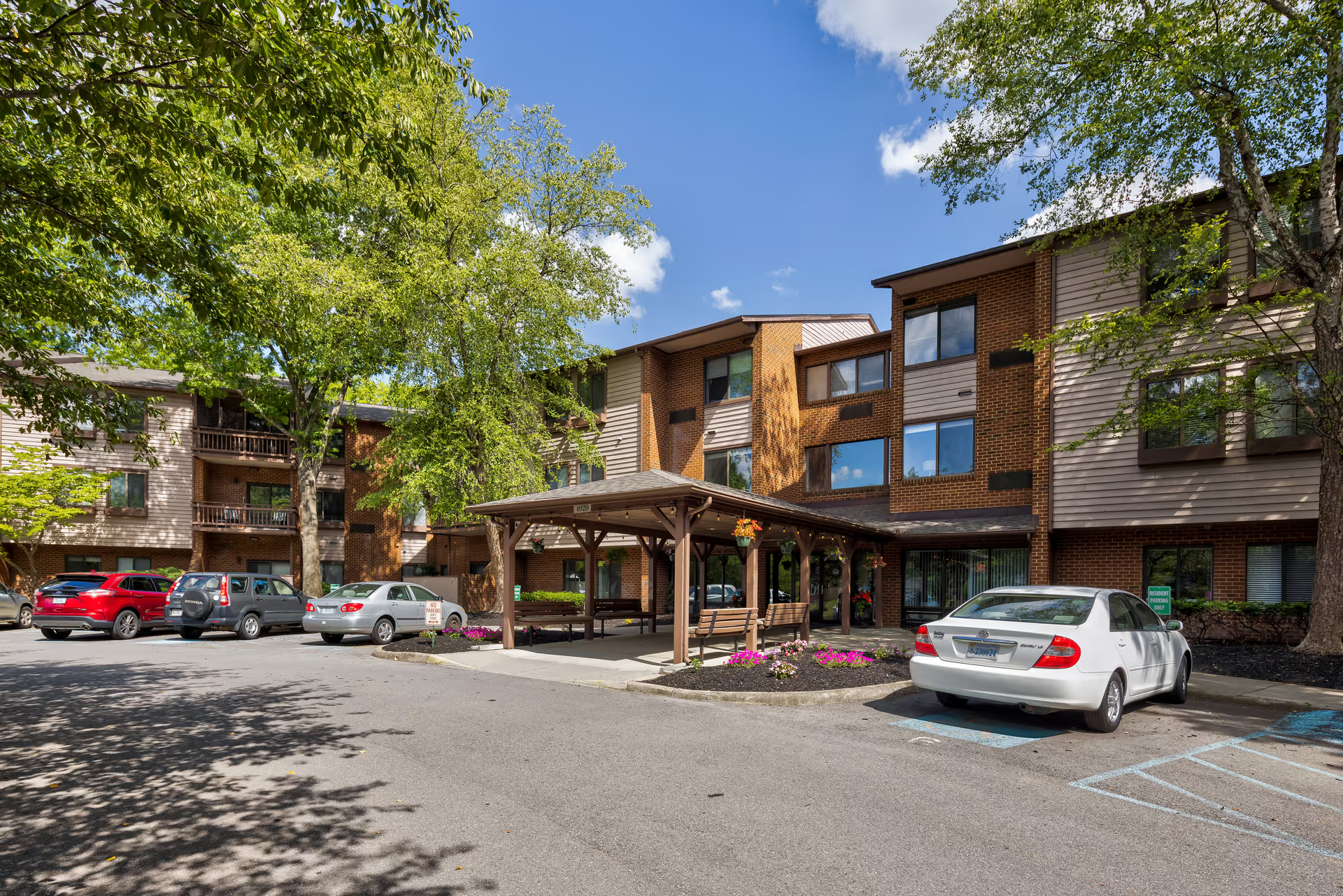
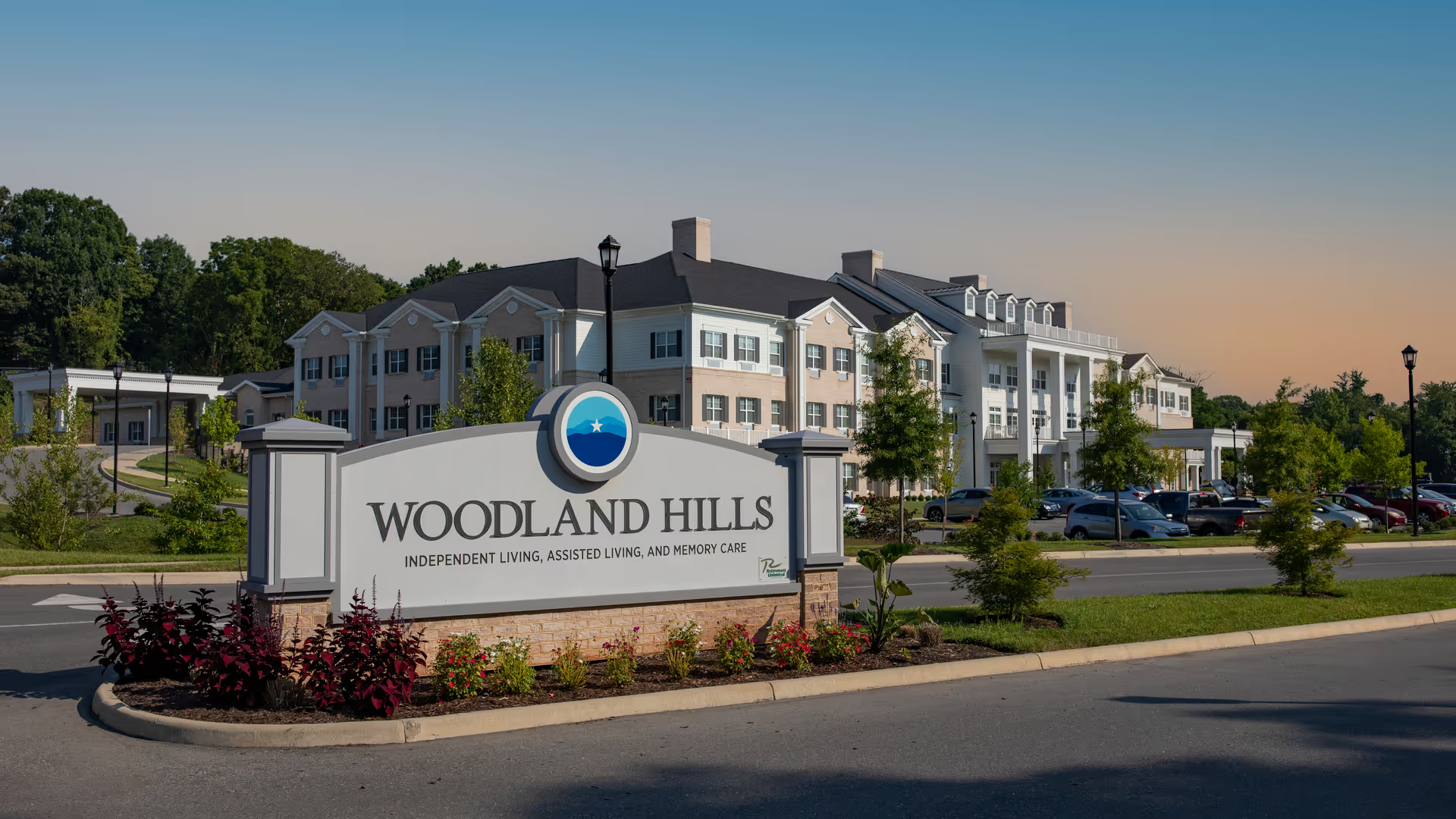
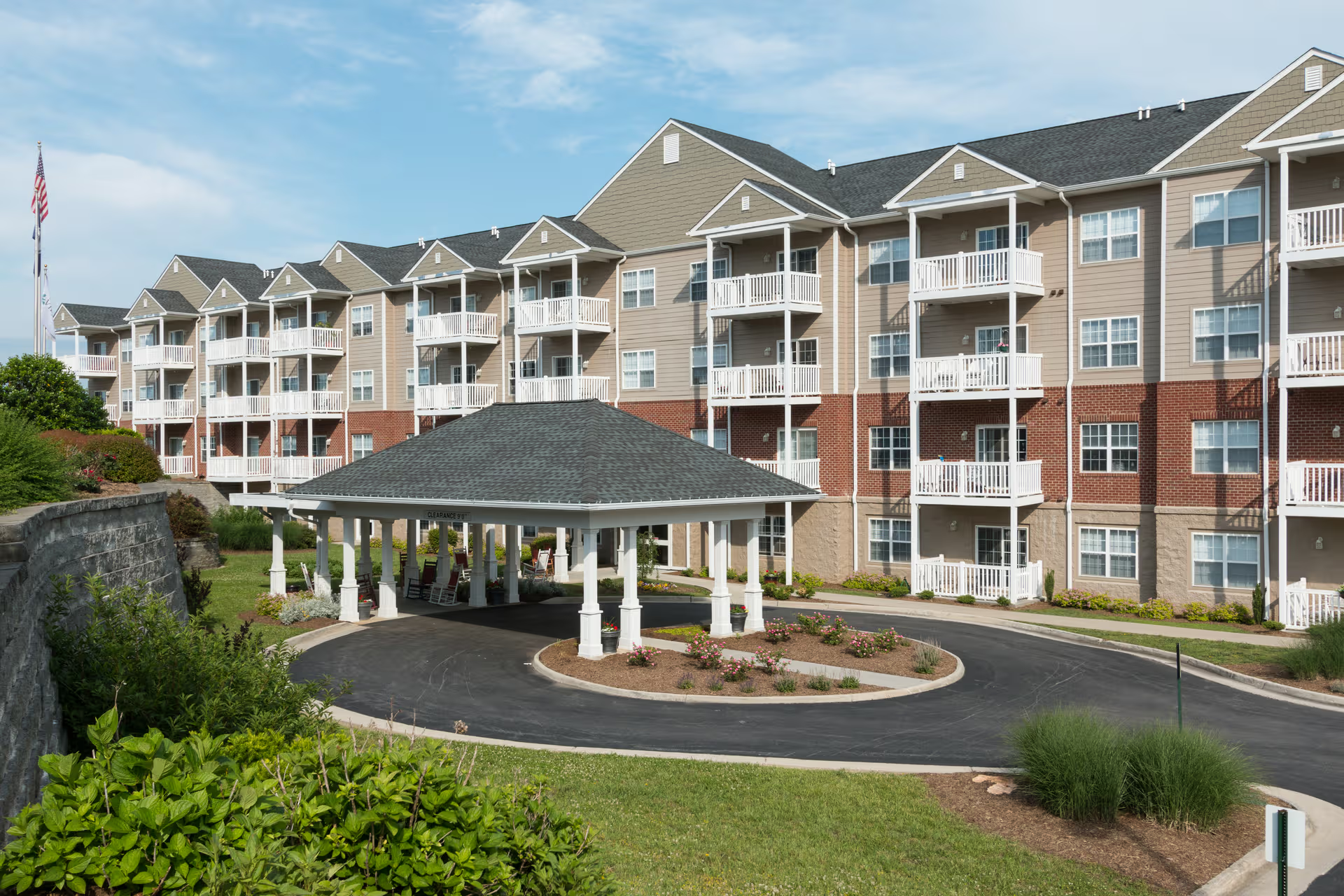
Facilities and safety: Many reviewers describe the facility as clean, well-lit, odor-neutral, and welcoming. Conversely, a subset of reviewers perceived parts of the facility as small or run-down, indicating variability in unit maintenance and public-area upkeep. Security concerns regarding personal items and property controls were raised and may merit administrative attention. A few comments also suggested that the physical layout of therapy spaces or traffic flows could be improved to enhance rehab efficiency.
Notable patterns and implications: The dominant strengths are compassionate staff, strong rehabilitation programming, cleanliness, and supportive family communication. The recurring operational themes to address are consistency and reliability — specifically staffing levels and responsiveness, clinical documentation and assessment practices, property-security controls, and some facility-maintenance or layout issues. Management attention to standardizing documentation, staffing coverage, and property-security protocols would likely reduce the variability described and better align the facility’s uniformly positive aspects with day-to-day consistency across residents and shifts.