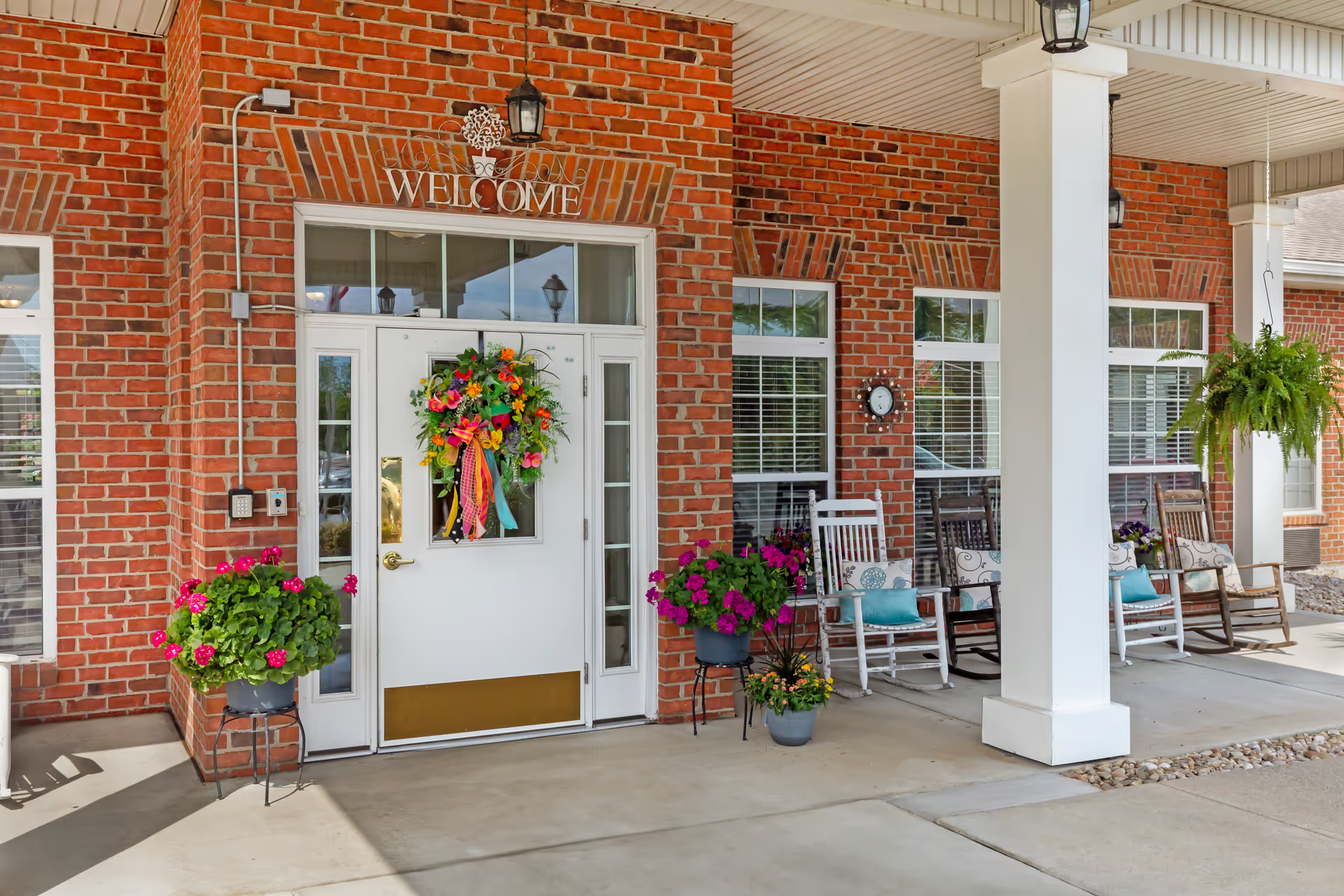
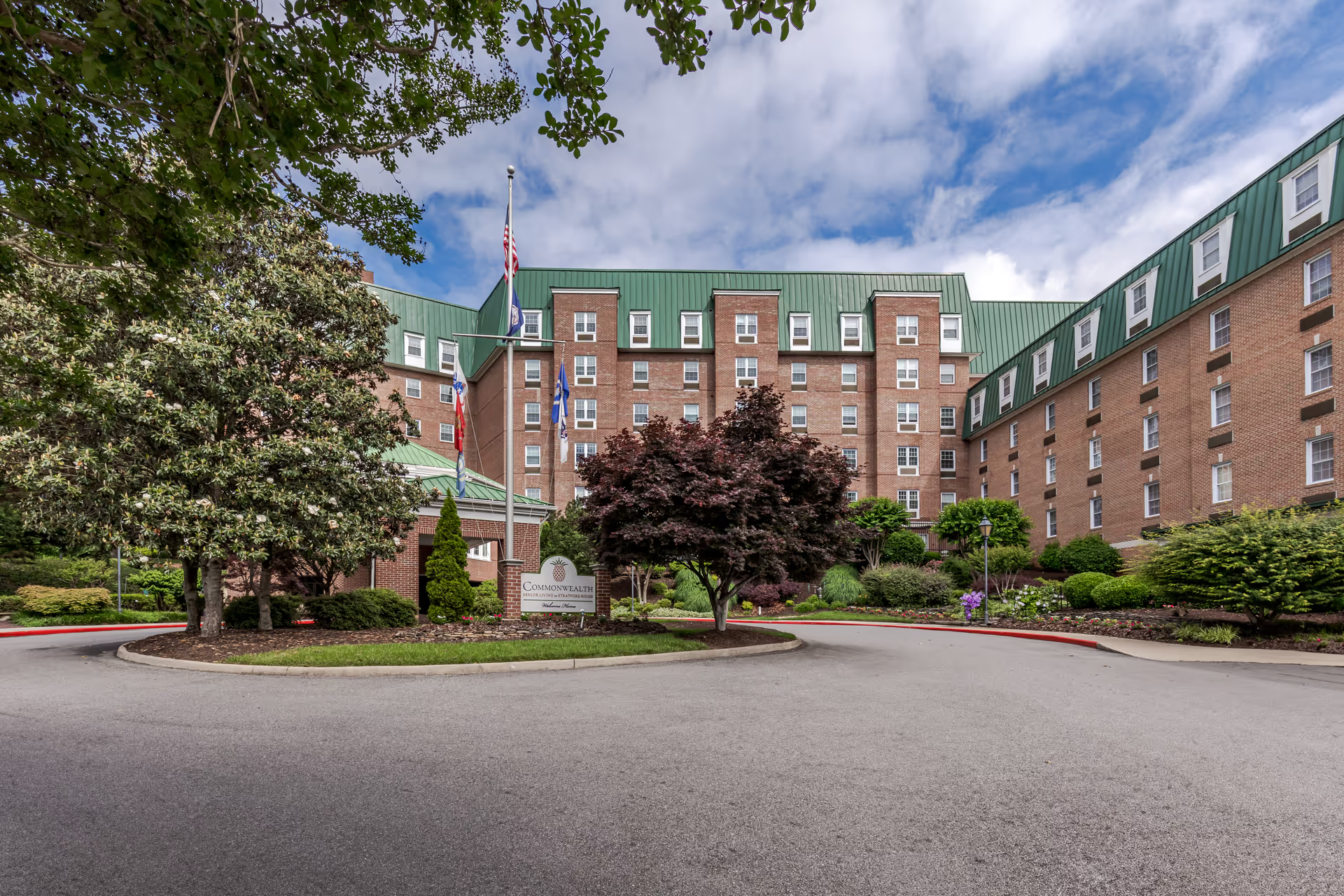
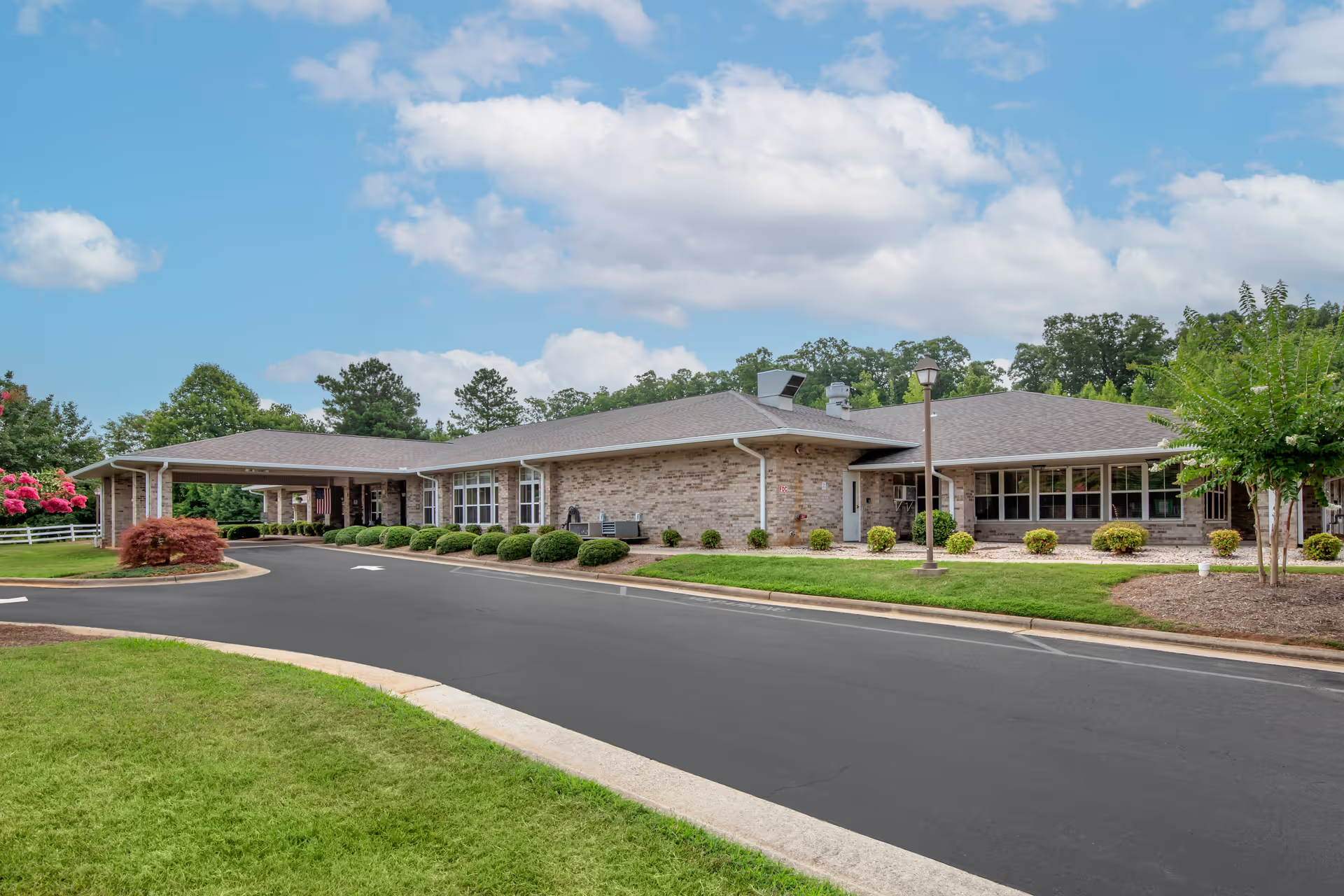
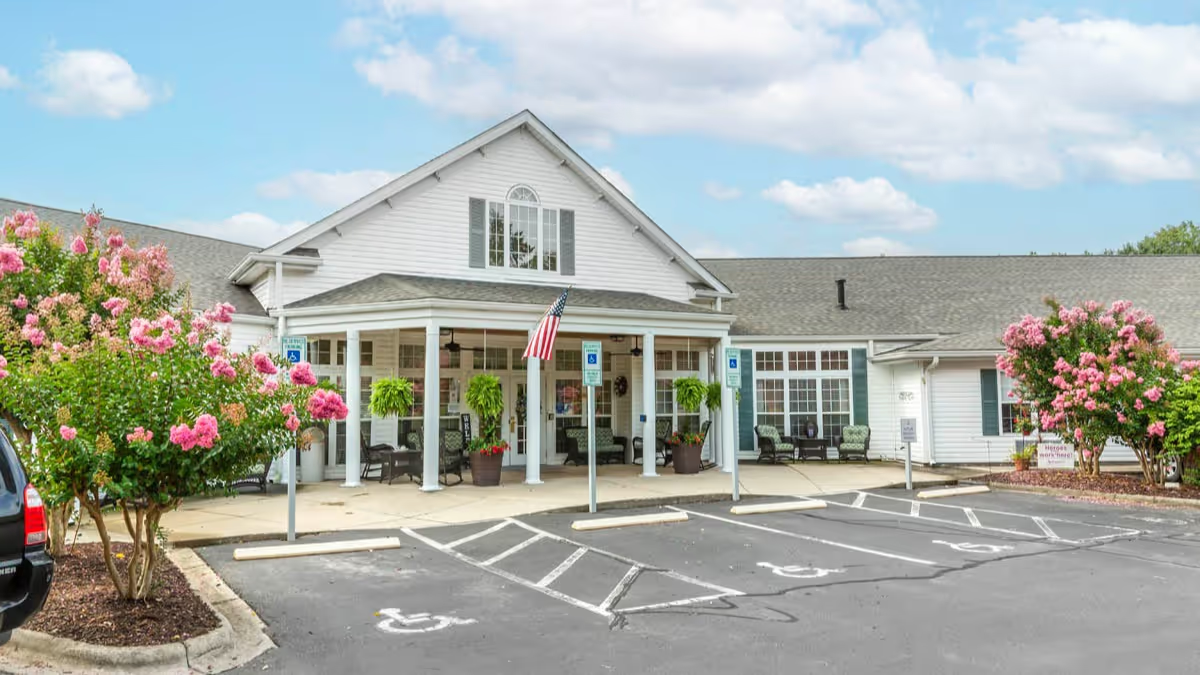
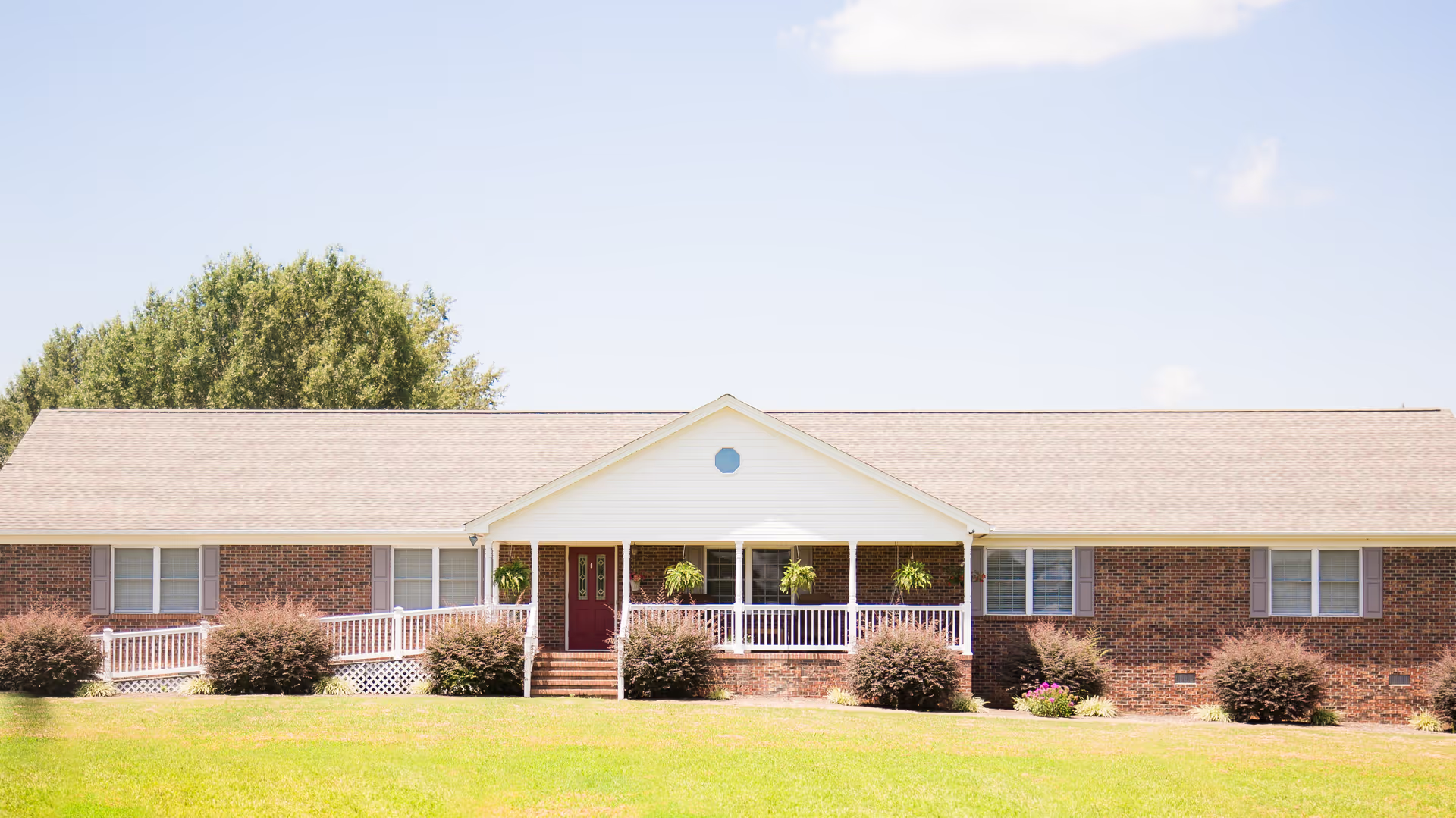
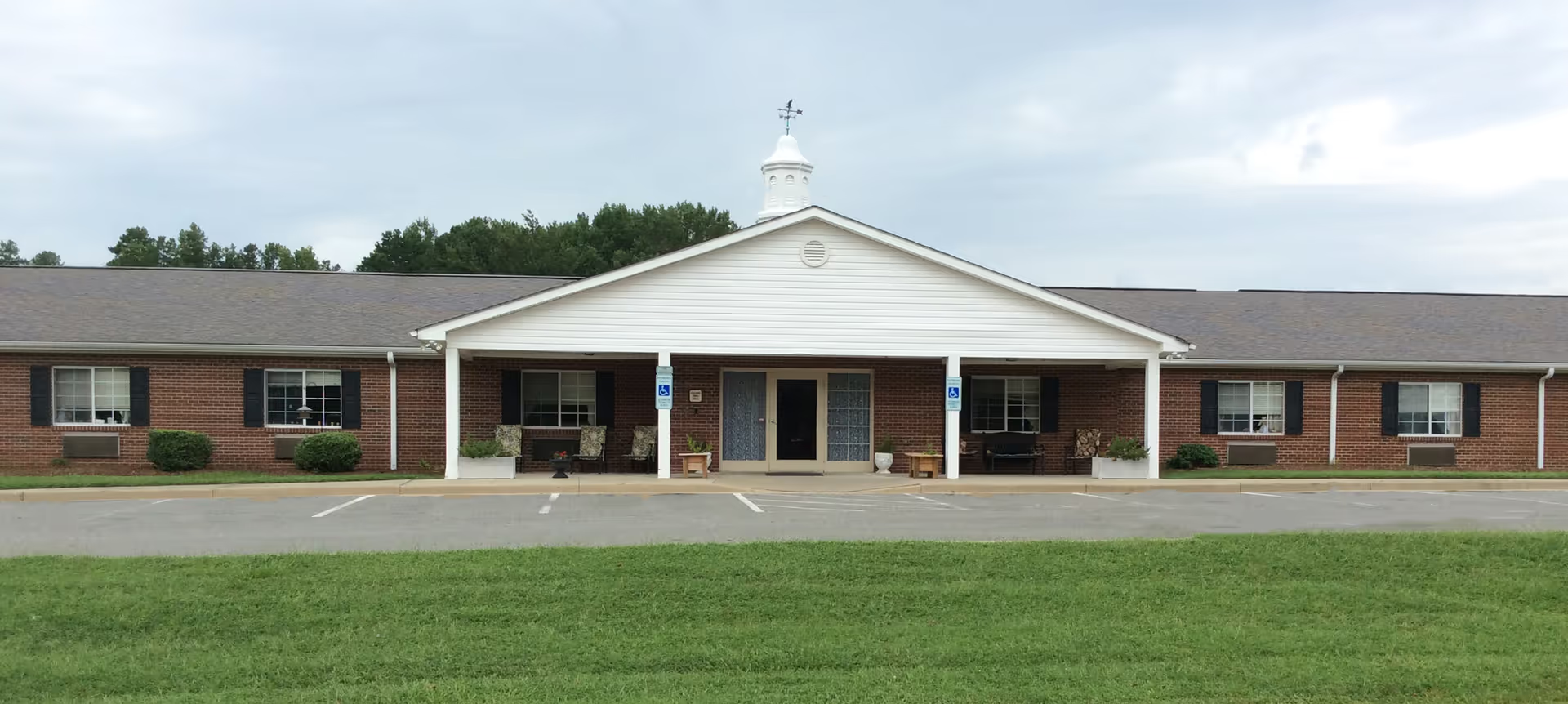
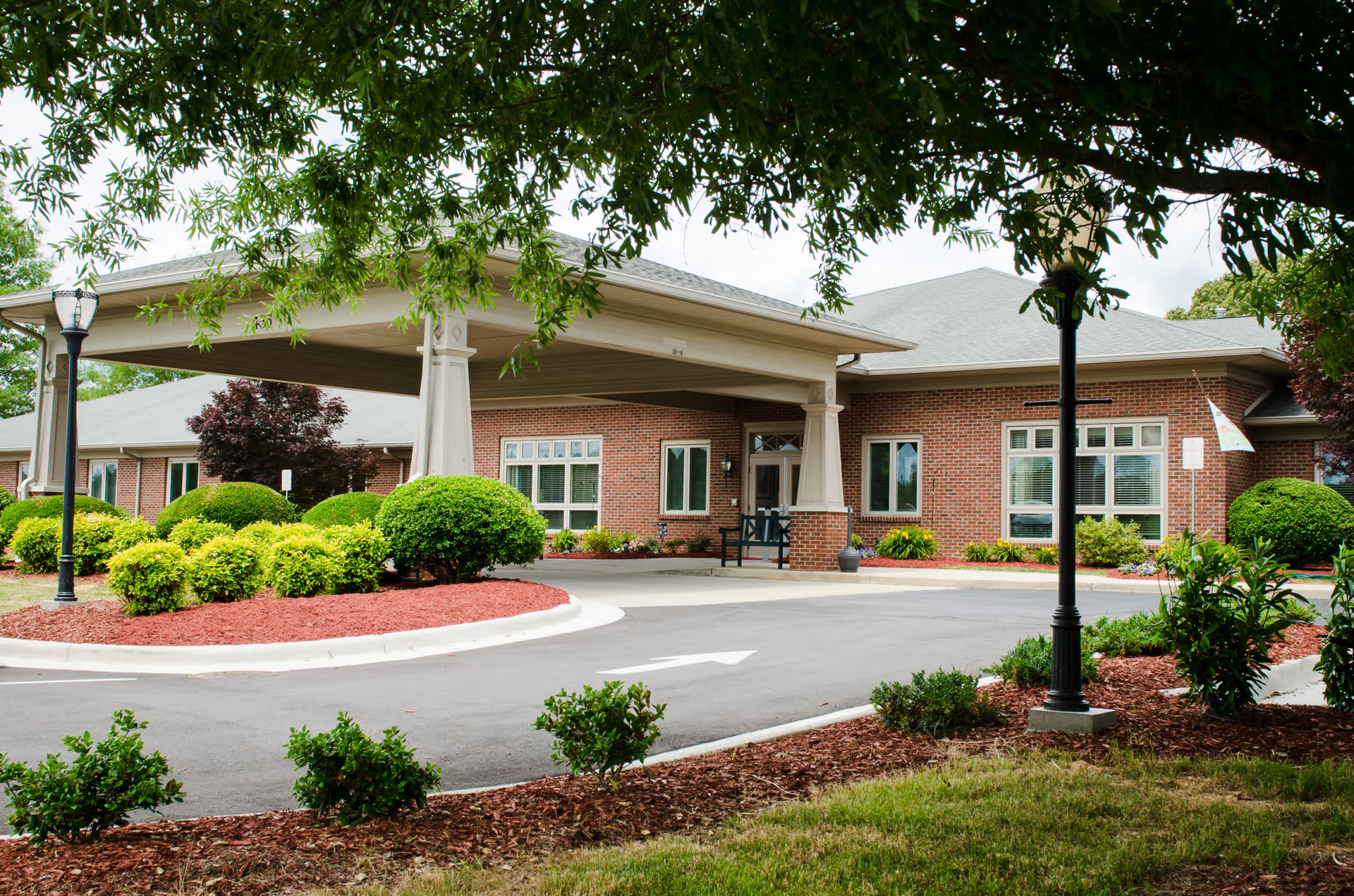
The reviews present a mixed picture of Cardinal Senior Living at Danville, with consistent praise for the interpersonal side of care alongside recurring operational concerns. Many families and residents describe staff as warm, compassionate, and engaging; activities programming and social opportunities are frequently highlighted as strengths, as are laundry and housekeeping services, spacious rooms, and an overall well-kept, renovated appearance in parts of the community. Several accounts also point to local ownership and management involvement and to useful supports such as on-site medical visits and transportation to appointments.
Care quality appears variable. Positive accounts emphasize attentive caregivers, good communication about medications, and helpful assistance with daily needs. Conversely, there are multiple descriptions of clinical and safety-related issues: falls and injury-related incidents, hydration and nutrition concerns, and instances of medication mismanagement or dropped medications. Reviewers also cite a state survey citation and allegations of financial exploitation in a small number of reports. Taken together, these items suggest that while capable care is provided in many cases, there are gaps in consistency and clinical oversight that prospective families should evaluate closely.
Staffing and staff culture are central themes. Numerous reviews praise individual caregivers and note strong teamwork, empathy, and resident rapport. At the same time, staff are frequently described as overworked, with high turnover and understaffing on some shifts. Those operational pressures are linked in several accounts to delays in attending to residents, incomplete follow-through on tasks, and reduced dining or activity support at times. Memory-care areas draw particular attention for needing more staffing, training, and physical space to meet higher-acuity needs.
Dining and nutrition present a clear area of mixed feedback. Some families describe restaurant-style dining, three meals a day, and enjoyable food; others raise consistent concerns about meal quality, limited menu variety, small portions, and lack of appropriate options for therapeutic diets (for example, heart-healthy or diabetic-appropriate choices). Service issues such as food removed from tables too quickly and uneven kitchen hygiene are also mentioned. Prospective residents with diet-sensitive conditions should ask for sample menus, accommodations for restricted diets, and observations of meal service during a visit.
Facilities and programming are generally seen as strengths in communal areas: bright, open layouts, active common spaces, therapy-animal visits, and an active calendar help foster social connection. However, some reviews identify sanitation and pest-control concerns, odor issues in parts of the building, cracked doors or insecure door frames, and cramped memory-care common/dining areas. Renovation activity and new ownership are referenced as driving improvements in some reports, indicating that conditions may have changed over time and that there is variability by unit or wing.
Management and billing impressions are polarized. Several families praise responsive local management and improved culture under new ownership, while others describe administrative priorities that emphasize revenue, unclear pricing practices, and abrupt rate increases. Communication consistency also varies: some families report proactive outreach and problem resolution; others describe difficulty receiving timely updates about hospitalizations or incidents.
Notable patterns for prospective families: verify current staffing ratios (especially in memory care), ask about medication-administration protocols and recent state survey history, observe meal service and request menu samples for special diets, review emergency power and oxygen contingency plans, inspect memory-care common spaces for adequate room and supervision, and obtain a clear written explanation of all fees and recent rate changes. The community demonstrates clear strengths in social programming and many warm caregiver–resident relationships, but reviewers indicate operational and clinical consistency gaps that warrant direct inquiry during tours and intake discussions.