Heritage Hall Lexington presents a mixed but generally positive profile, with particular strength in short-term rehabilitation and hands-on care from therapy teams. Multiple accounts highlight effective rehab outcomes and meaningful functional improvement for patients who come for therapy; reviewers commonly credited the therapy staff with rapid progress and good recovery trajectories. The facility also receives repeated praise for compassionate nursing and CNA staff who provide attentive bedside care, and several families expressed relief about the interpersonal tone and resident-focused attention they observed.
Clinical care shows both strengths and variability. Positive elements include timely medication administration in many cases and staff who are described as caring and responsive. At the same time, several comments point to operational gaps: delays in attending to emerging medical needs, inconsistent clinical monitoring, and weaknesses in communicating acute illness or care changes to families. These issues suggest that while frontline caregiving is often strong, overall clinical oversight and escalation processes may be uneven.
Dining, activities, and social support are generally well regarded. The facility offers an ample dining space, organized activities, family events, and social-services support that families found helpful. The activity program and family-oriented events are seen as strengths, and open visitation policies provide flexibility for relatives. However, the resident population skew toward higher acuity and bed-bound residents was noted to limit social interaction opportunities for more ambulatory residents.
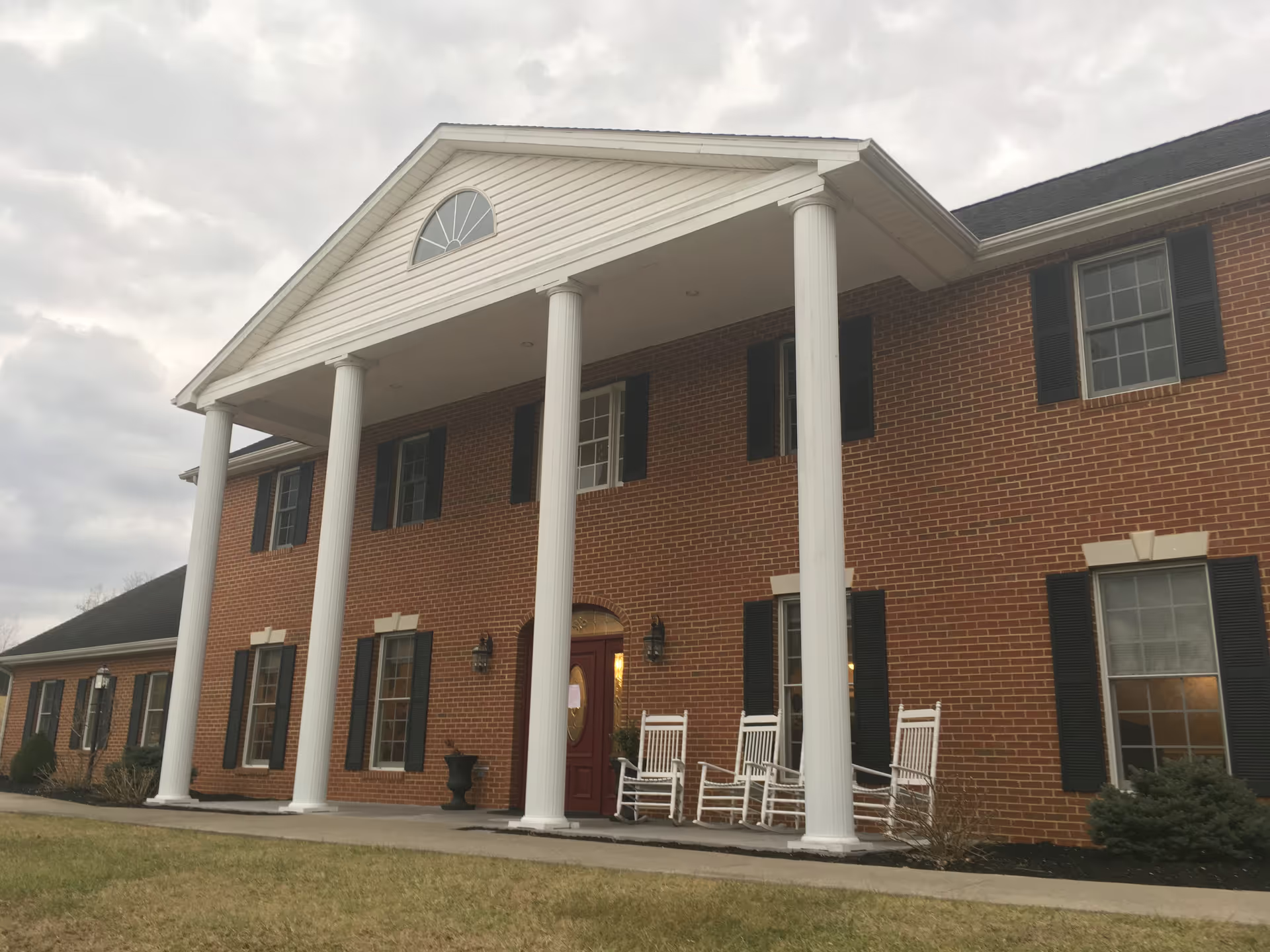
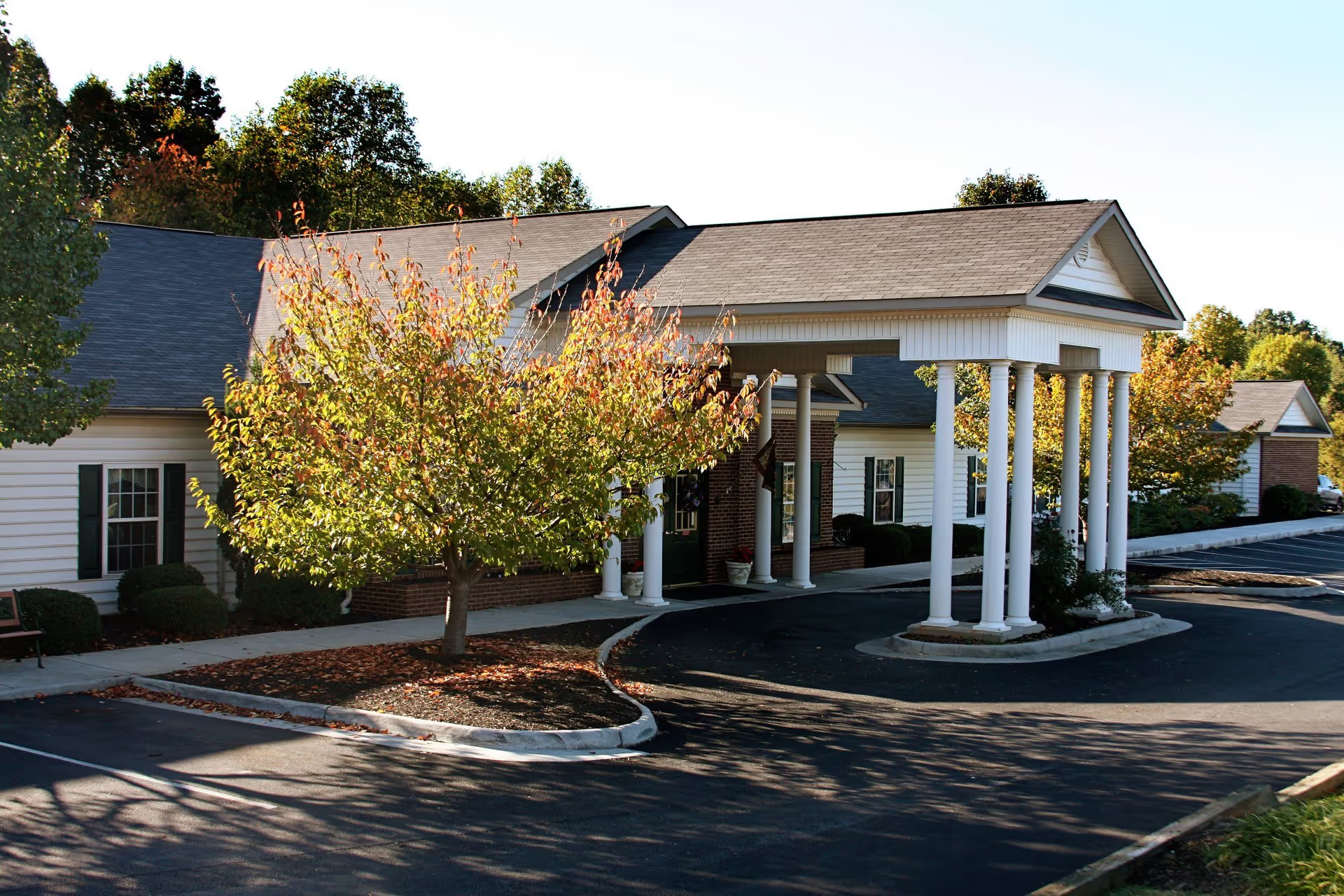
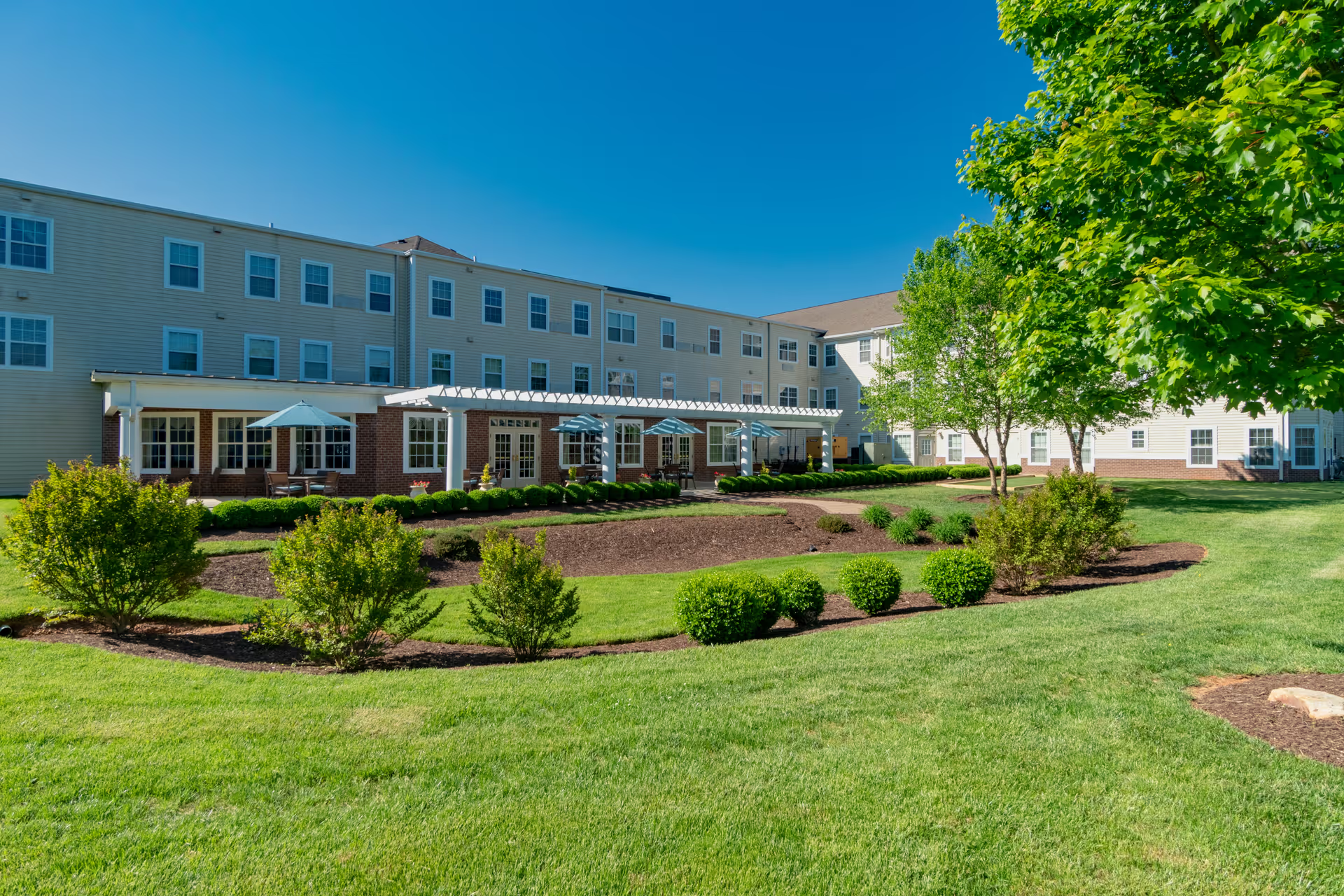
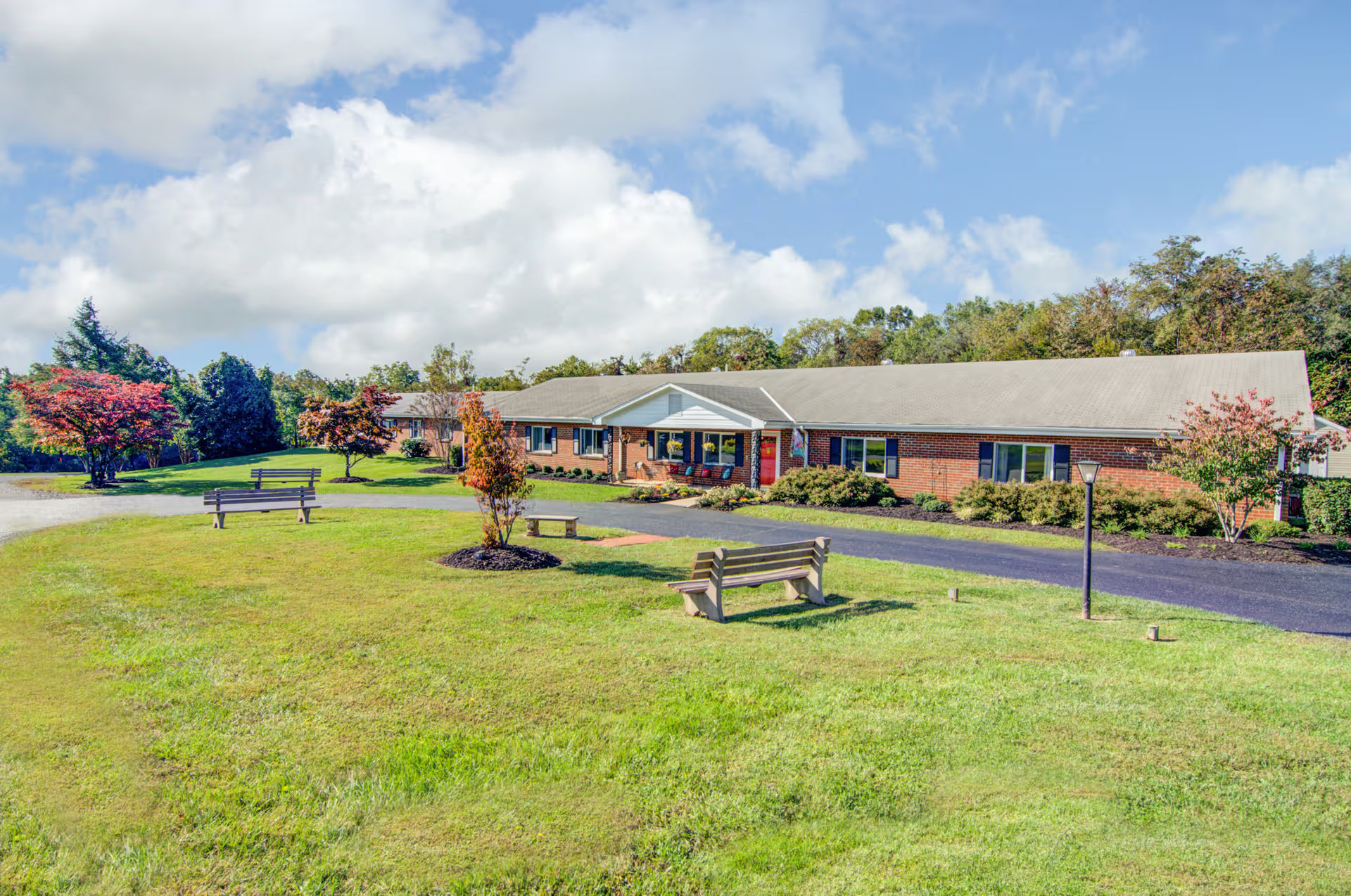
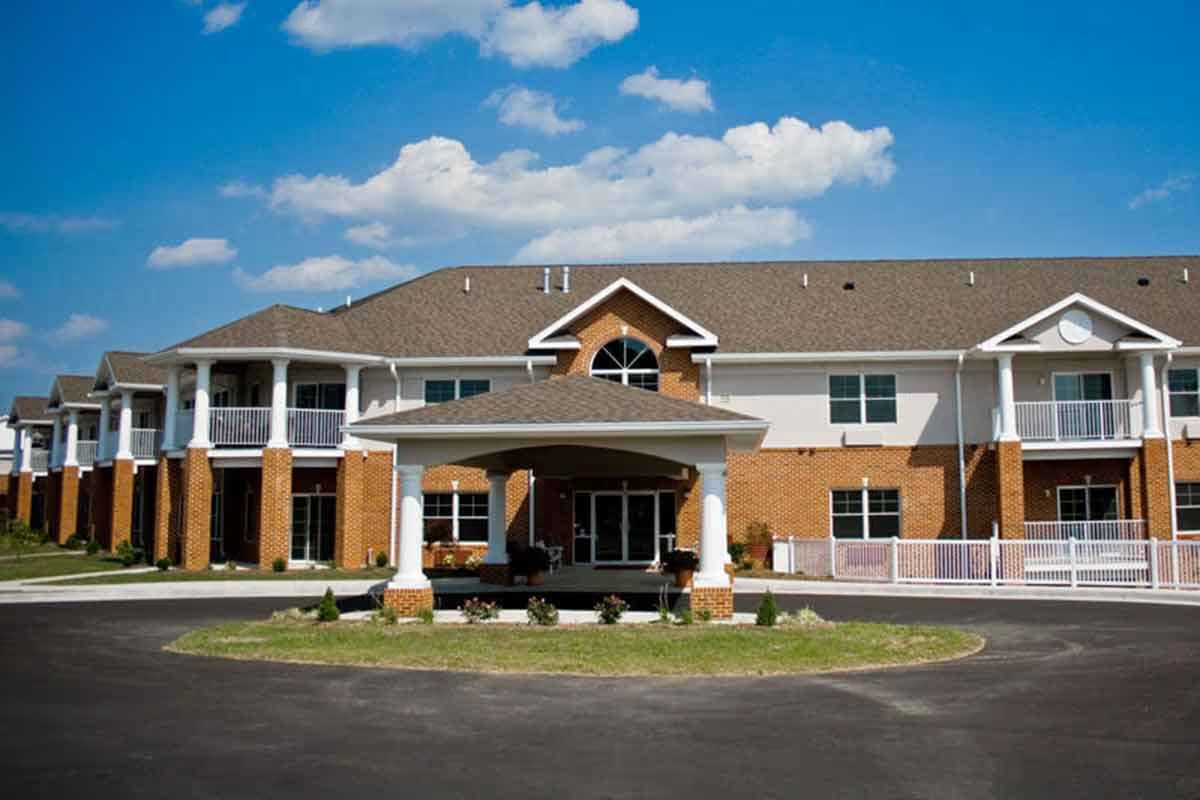
Facility condition and infection-control practices are areas of contrast. Several reviewers described clean, calm common areas and daily housekeeping; others raised sanitation and linen-handling concerns and identified inconsistencies in housekeeping practices across units. Resident rooms are described as small and somewhat outdated by some family members, so physical accommodations may not meet everyone’s expectations.
Management and policy implementation show mixed impressions. Some families reported that administration listened and addressed concerns constructively; others described inconsistent policy enforcement around admissions and bed-hold procedures, including financial requirements to reserve a bed. These differences indicate variability in administrative responsiveness and in how facility policies are applied in practice.
Bottom line: Heritage Hall Lexington appears to be a strong option for short-term rehabilitation and for residents who benefit from attentive, compassionate caregiving and active therapy services. Prospective residents and families should tour the property, ask specific questions about bed-hold/admission policies, infection-control and linen procedures, room dimensions and condition, and how the facility communicates clinical changes to families. Clarifying these operational details during intake will help set expectations and identify whether the facility’s strengths align with a particular resident’s needs.