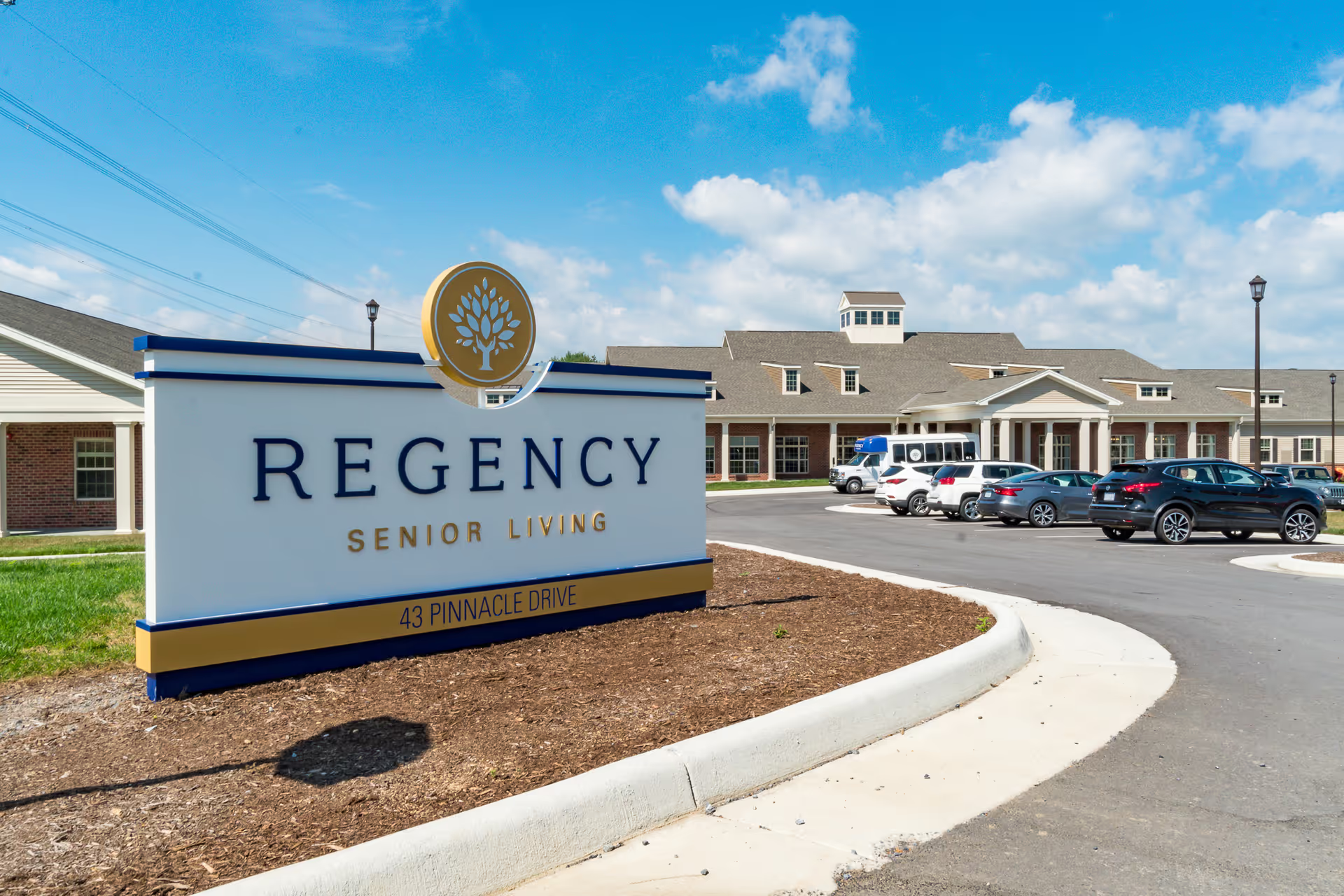
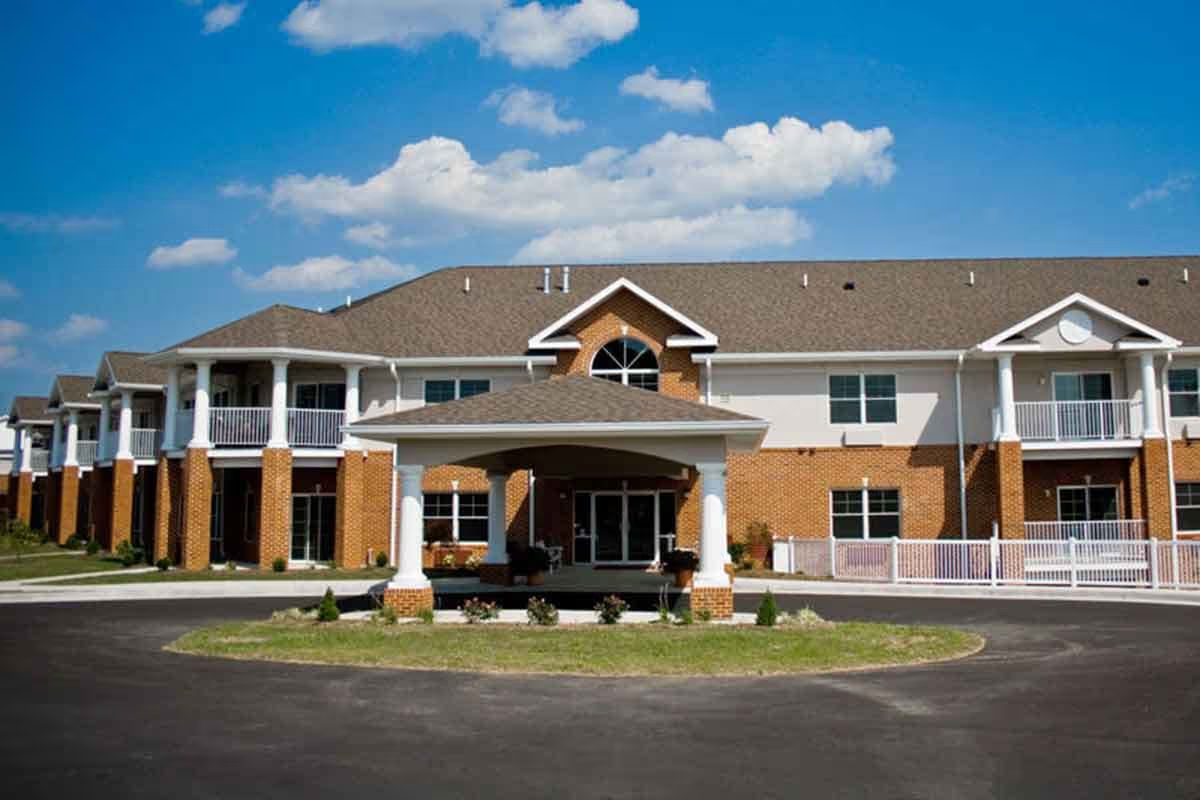
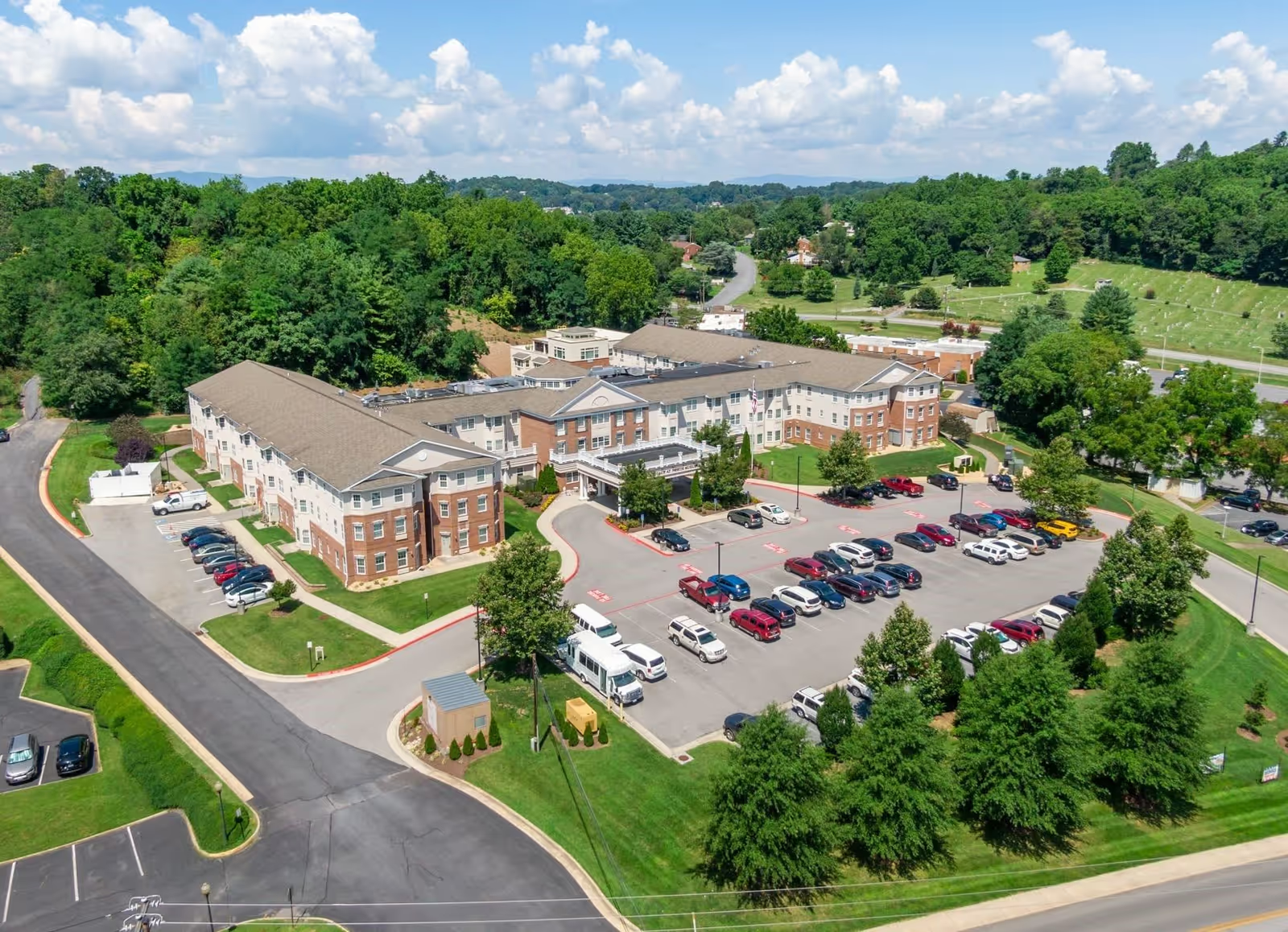
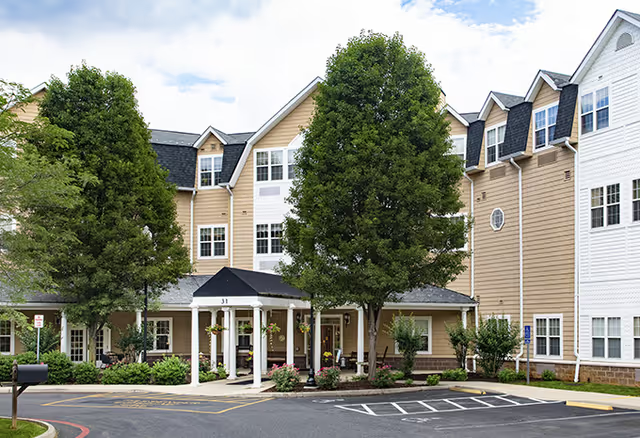
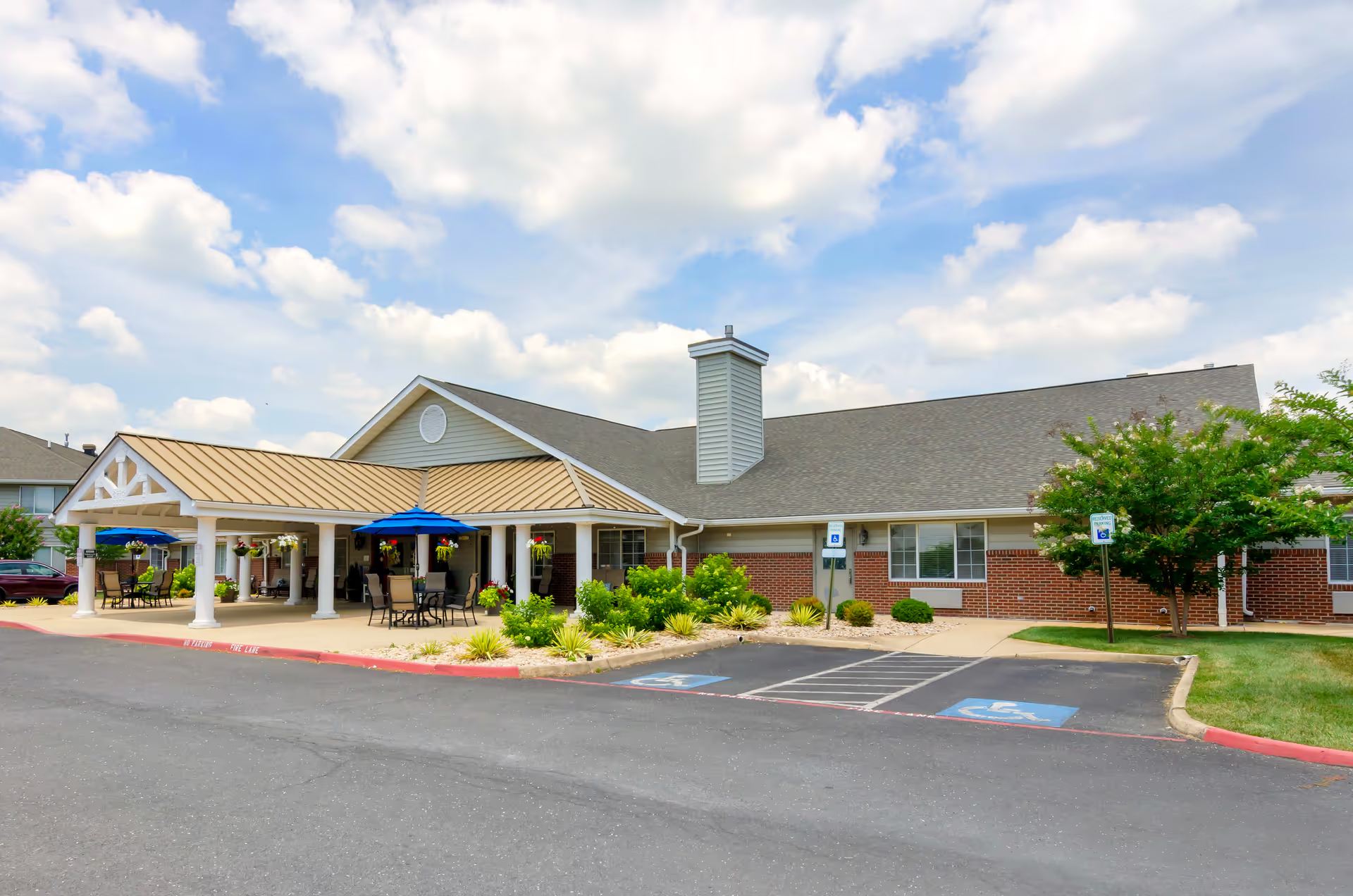
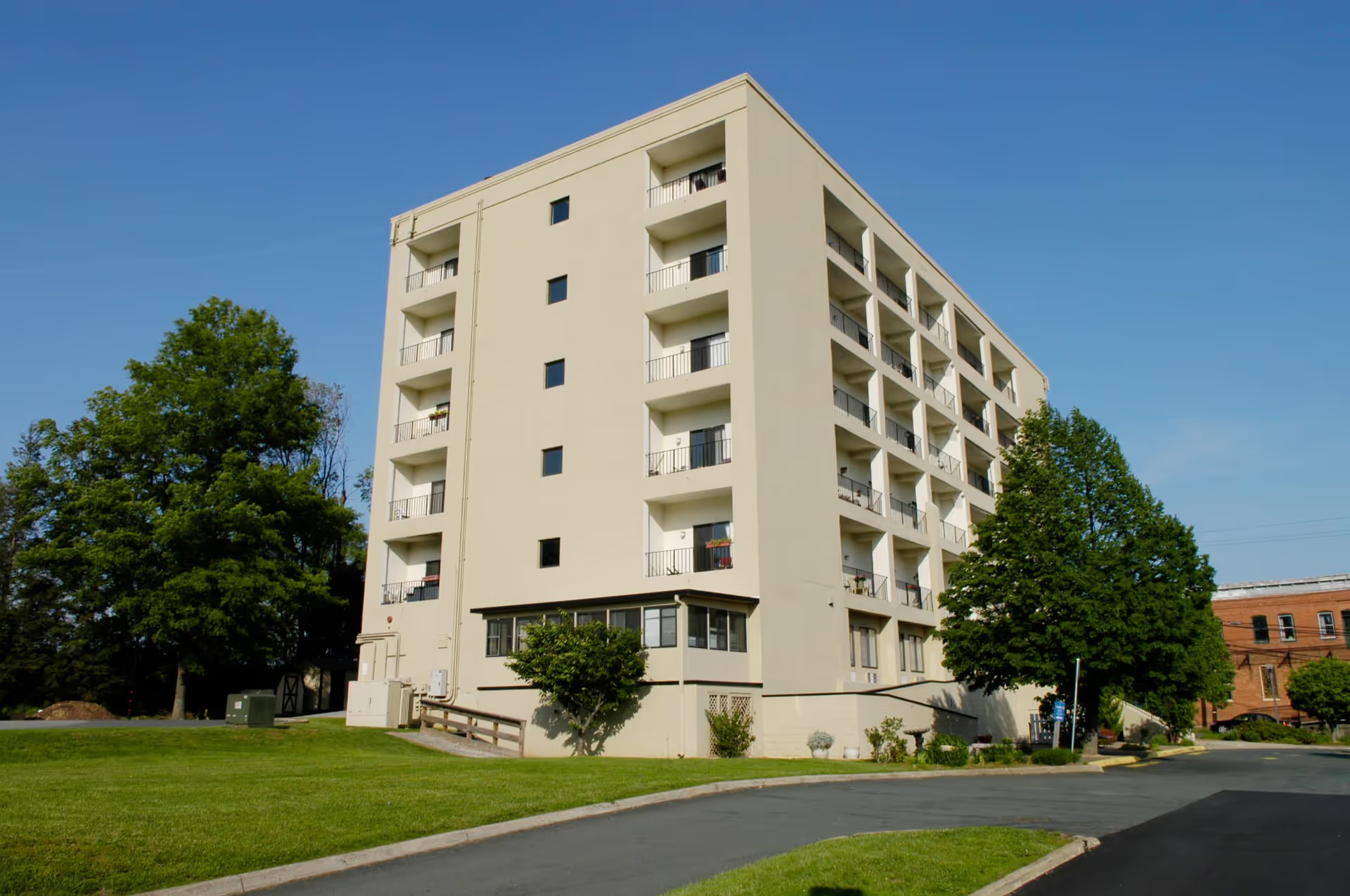
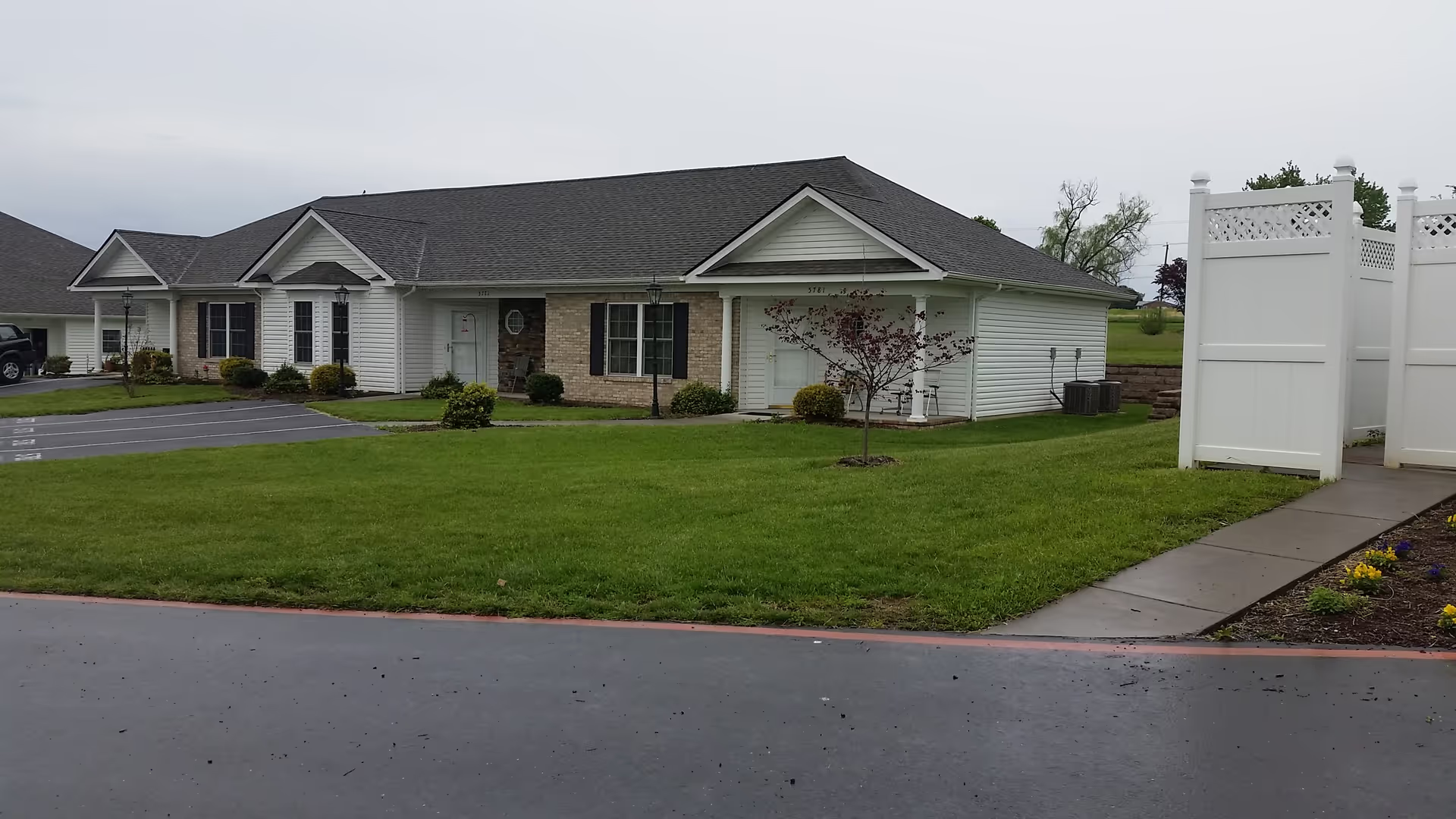
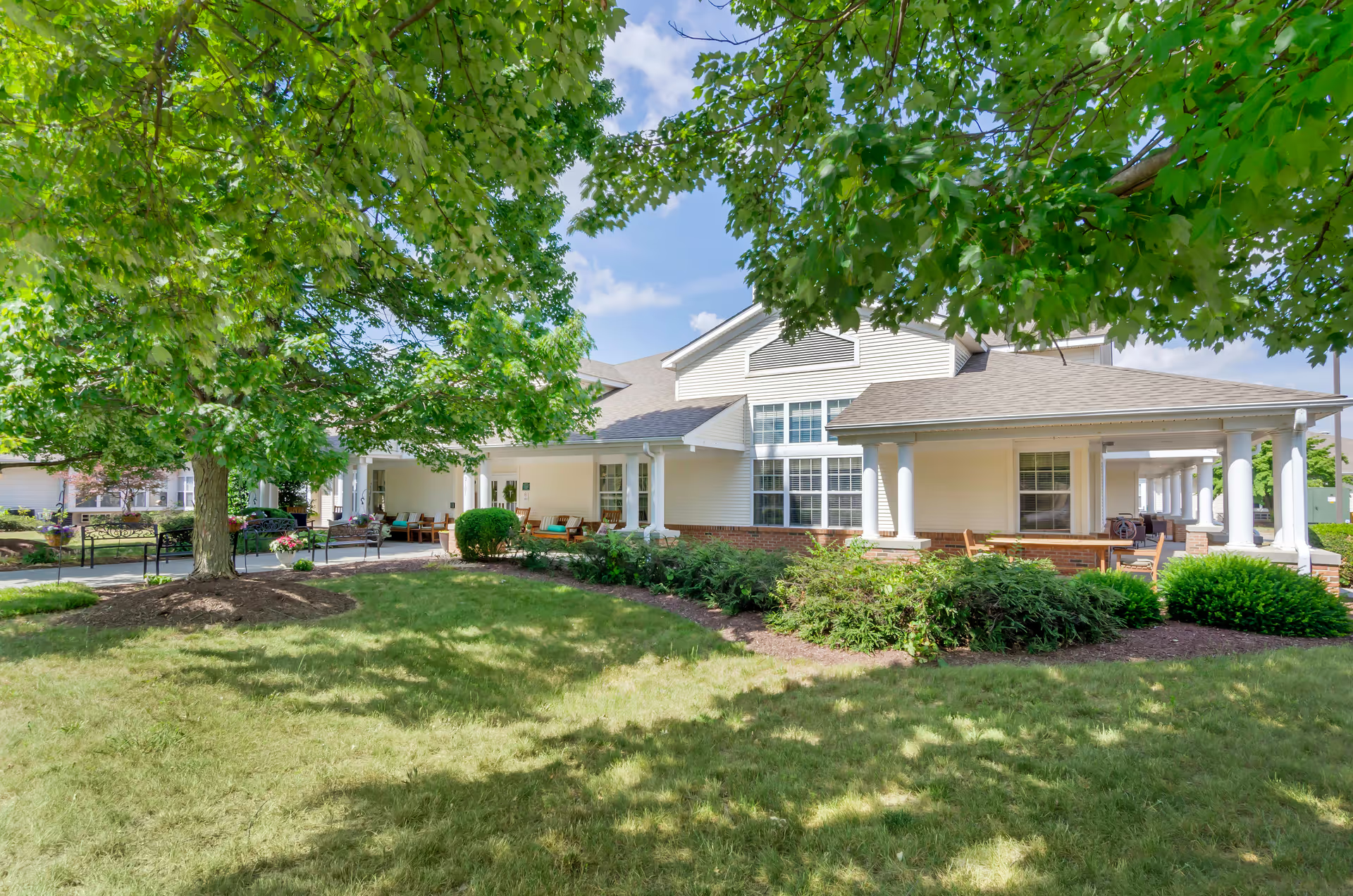
English Meadows Fishersville presents as a well-appointed, recently built assisted living and memory-care community with numerous physical and programmatic strengths. Many aspects of the facility draw positive comments: the single-level layout and memory-care courtyard, clean and bright dining areas, attractive grounds with mountain views, and thoughtful resident spaces such as library, commissary, exercise room, and salon. Rooms are described as modern and spacious with options for kitchenettes and semi-private arrangements. On-site clinical services (PT/OT) and proximity to the local hospital are additional practical advantages for prospective residents.
Staff quality and programming elicit a mixed but frequently positive response. Numerous reviews praise friendly, attentive aides, an active activities director, and a busy calendar that includes outings, bus trips, Bible study, arts and crafts, dances, and field trips. Several reviewers highlighted individualized care planning and staff members who facilitate smooth transitions and family communication. The dining format—restaurant-style service with real dishware—is appreciated when meal quality and portions are acceptable.
However, a consistent pattern of operational concerns appears across reviews. Staffing levels and staff-to-resident ratios are frequently described as inadequate; this manifests as limited engagement for residents (especially in memory care), delayed assistance during nights and weekends, and uneven housekeeping in private rooms. Several reviewers described sanitation and hygiene lapses and difficulty obtaining timely personal-care services such as showers—items that point to gaps in day-to-day care processes rather than isolated incidents. Relatedly, reviewers raised concerns about medication management and monitoring; while not uniformly documented, these concerns suggest a need for clearer medication procedures and oversight.
Communication and leadership are another recurring theme. Families reported variable responsiveness from administration and inconsistent care coordination; some reviewers singled out specific staff and directors as responsive and effective, while others described difficulty reaching decision-makers or receiving promised follow-through (including financial/refund timing and deposit policy issues). Pricing and contract transparency were also cited as pain points, with comments about high monthly costs and dissatisfaction with deposit and refund handling. Finally, transportation limitations and the absence of Medicaid acceptance are practical constraints that prospective residents and families should factor into decision-making.
In summary, English Meadows Fishersville offers many tangible strengths—modern facilities, robust amenity spaces, an active activities program, and several examples of compassionate staff and responsive managers. At the same time, recurring operational weaknesses—notably understaffing, uneven housekeeping and hygiene practices, variability in dining and medication oversight, and inconsistent administrative responsiveness—warrant careful inquiry during touring and admission. Prospective residents and families should ask targeted questions about current staffing ratios (including night/weekend coverage), dementia-care training and engagement strategies, specific housekeeping and personal-care schedules, medication oversight protocols, transportation options, and written financial/refund policies before making a placement decision.