Reviewers express a mixture of strong endorsements and serious operational concerns, producing a polarized overall impression. On the positive side, many families and clinicians highlighted compassionate, family-like interactions from CNAs, RNs, and front-line staff, and praised the therapy program for producing tangible recovery outcomes, including timely discharges home. Admissions, some members of administration, and social-work staff received specific praise for being responsive, communicative, and helpful during transitions.
Care quality appears variable. Multiple accounts praise attentive nursing and effective clinical care, while others describe delays in clinical responsiveness and emergency escalation, including alleged interference with emergency calls and delayed transport. There are recurring concerns about incontinence-care practices and associated skin-care management, and a small number of accounts describe subsequent infection diagnoses. These issues point to inconsistency in skilled-nursing performance and in protocols for clinical escalation and wound/skin management.
Staffing and conduct show a mixed pattern. Many reviewers emphasize long-tenured, caring staff who go above and beyond, while other reports identify uneven staff availability, a rude or inattentive aide at times, and instances of residents being left unsupervised during meals or out of bed. This suggests variability across shifts or units rather than uniformly poor or uniformly excellent staffing. Where leadership and nursing management are engaged, families reported calm support, weekly updates, and coordinated care planning.
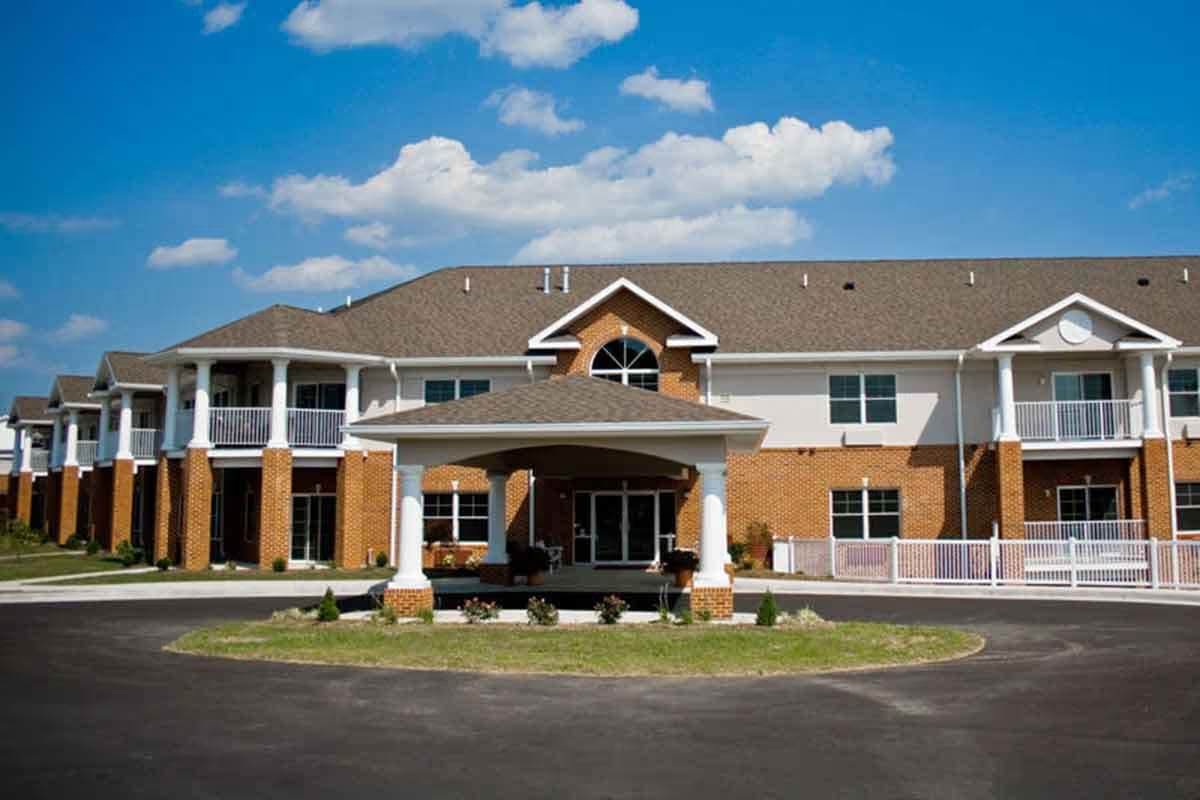
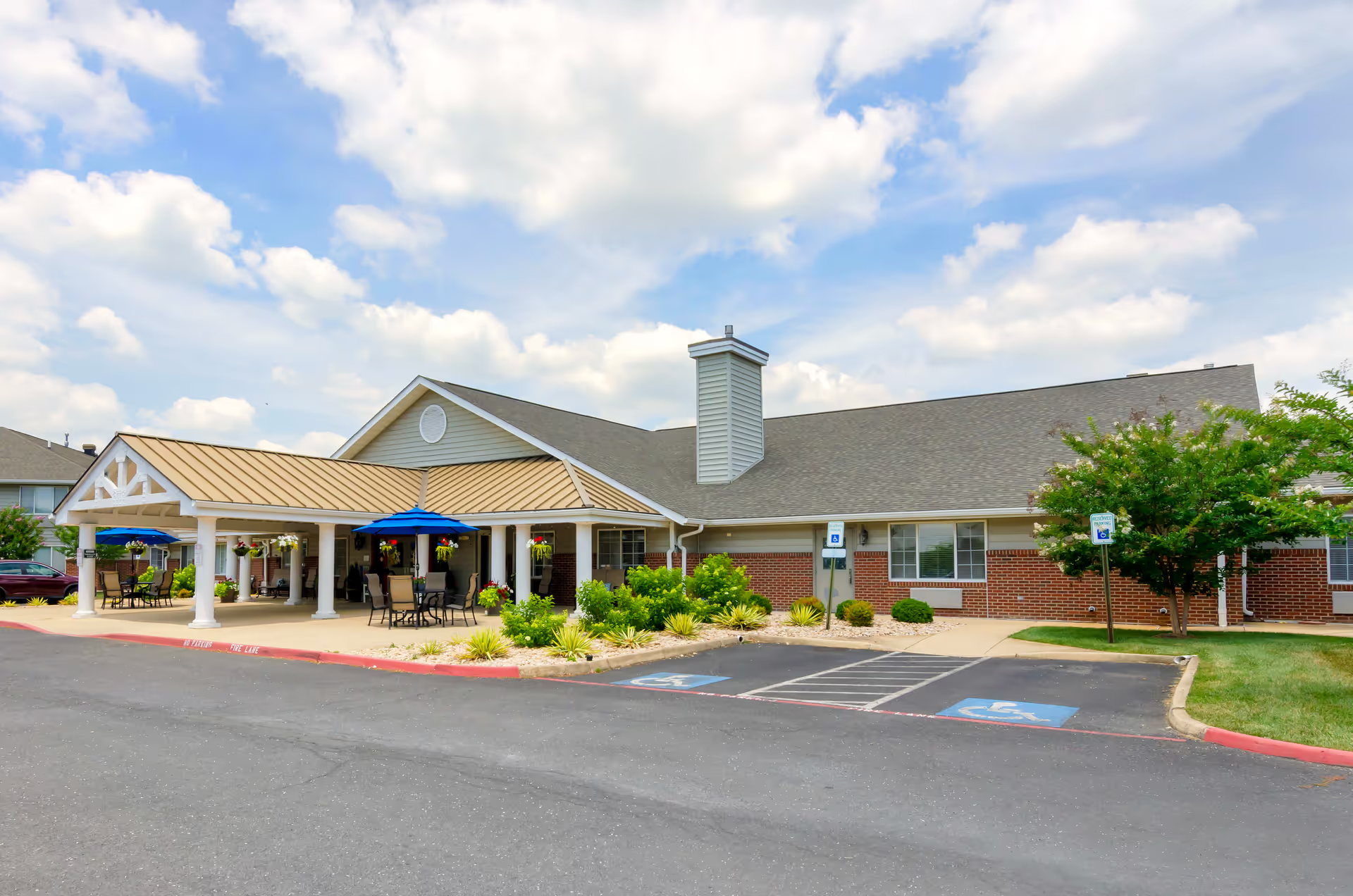
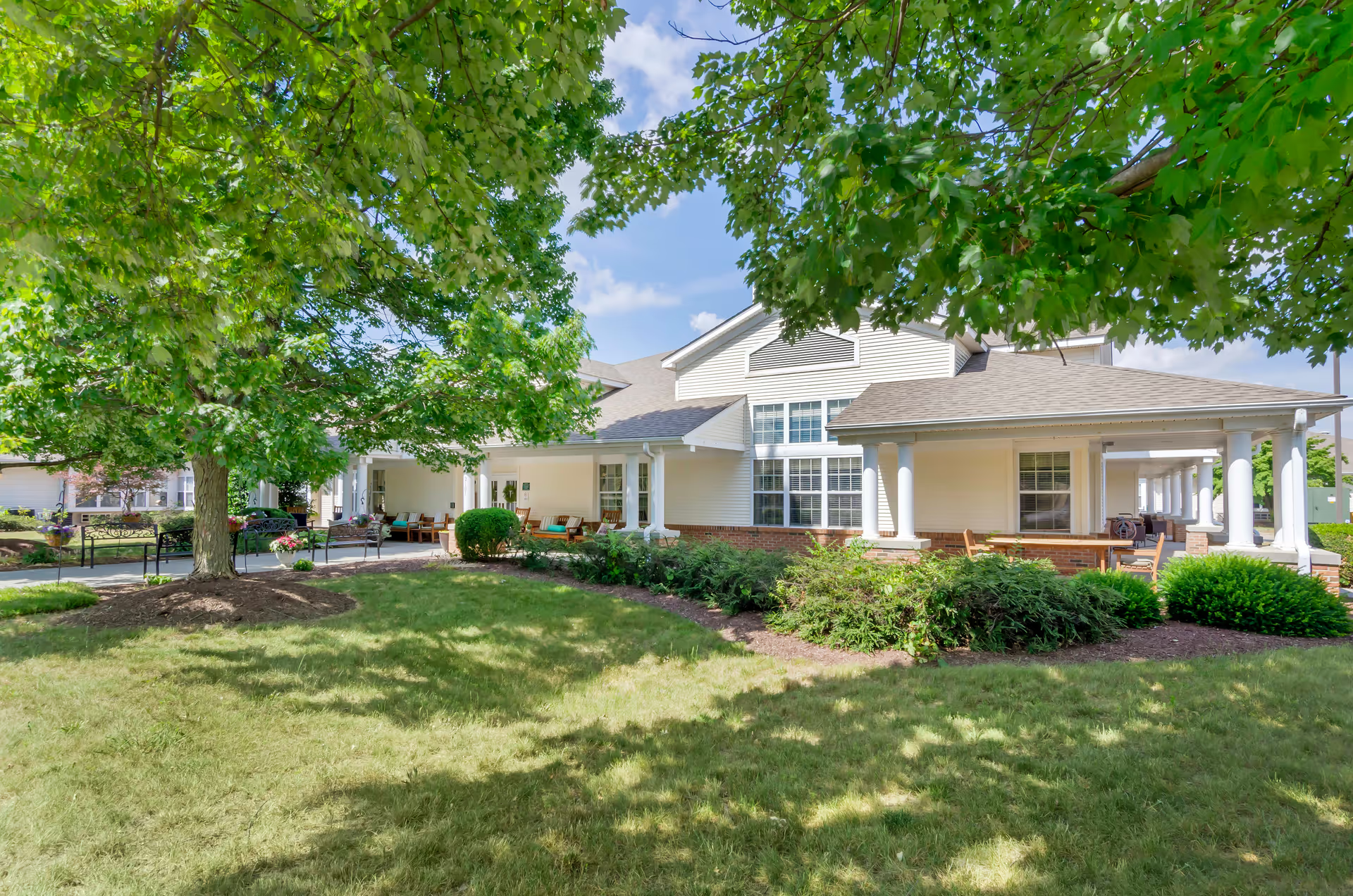
Dining, activities, and the facility environment also received varied comments. Several families praised food quality, including diabetic-friendly options and daily fresh-baked items; others raised concerns about food waste and inconsistent meal service. The physical plant is frequently described as clean, well-maintained, and pleasant, but a subset of accounts describe a dingier experience, indicating variable cleanliness or maintenance standards across areas or over time. Activity programming and resident engagement were noted positively in multiple reports.
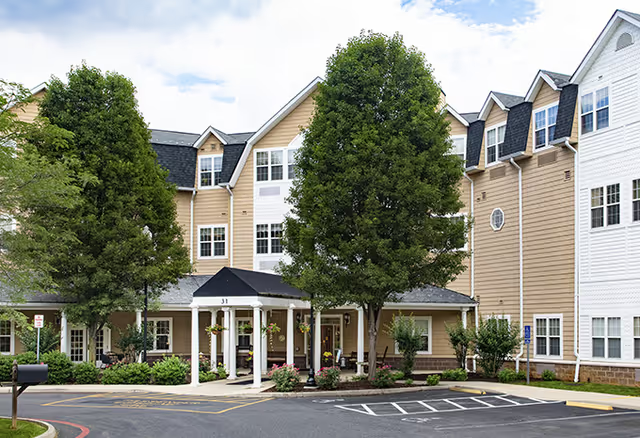
Management strengths include an effective admissions team, proactive social work, and instances of strong administrative responsiveness. Counterbalancing those strengths are recurring communication and transparency issues: missing personal belongings, questions about documentation, and limited clarity around incident follow-up. There are also operational infrastructure notes — for example, an overhang that may impede ambulance access — that merit attention for emergency planning.
Taken together, the pattern that emerges is a facility with clear strengths in rehabilitation, compassionate front-line caregivers, and effective administrative touchpoints, alongside notable operational weaknesses in clinical responsiveness, incontinence and skin-care management, property controls, and variability in staffing and meal-service consistency. Prospective residents and families should consider visiting at different times of day and shifts, review care-plan and emergency-escalation protocols, ask about property-securement procedures, and confirm dementia-care and fall-prevention practices to ensure alignment with their expectations and clinical needs.