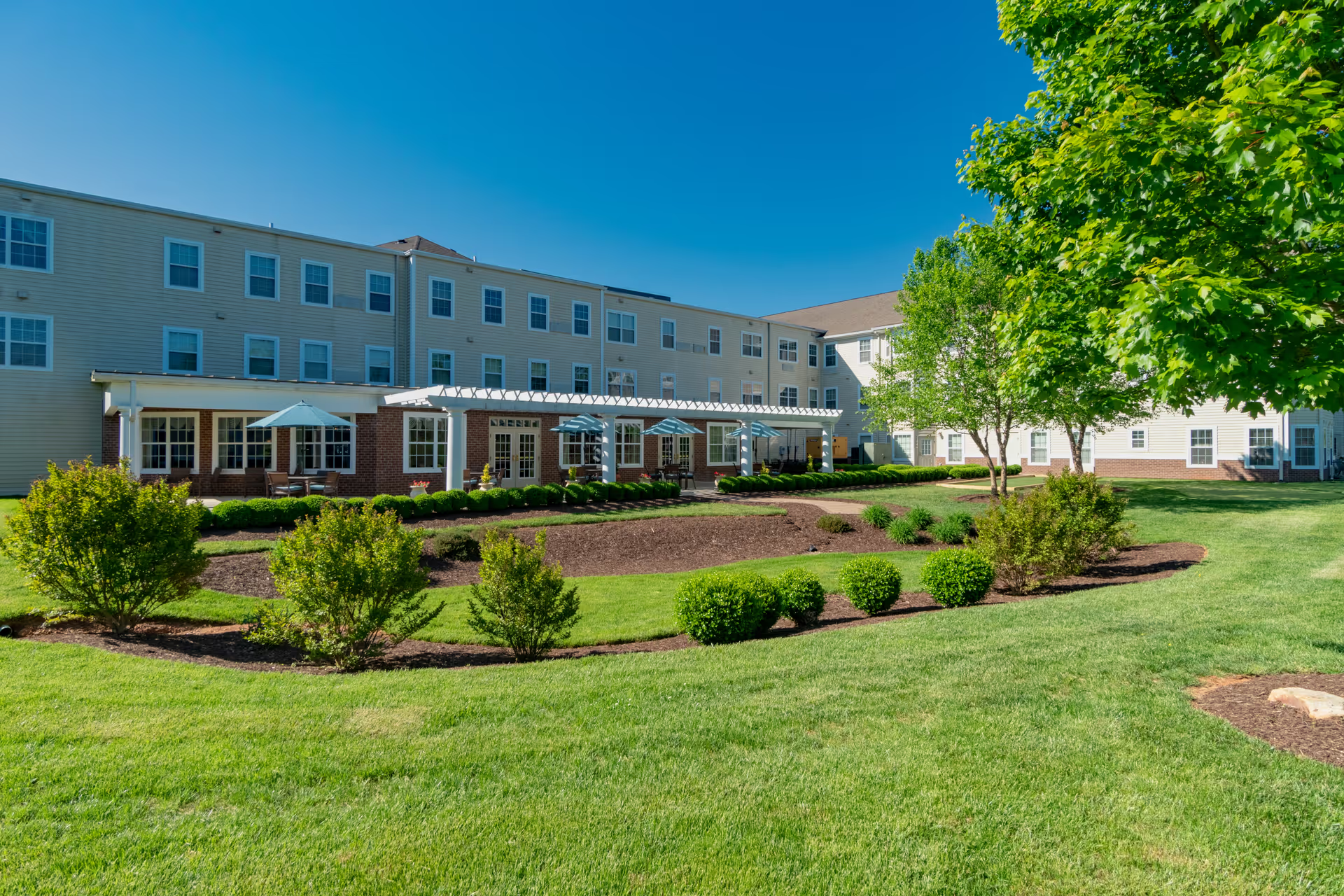
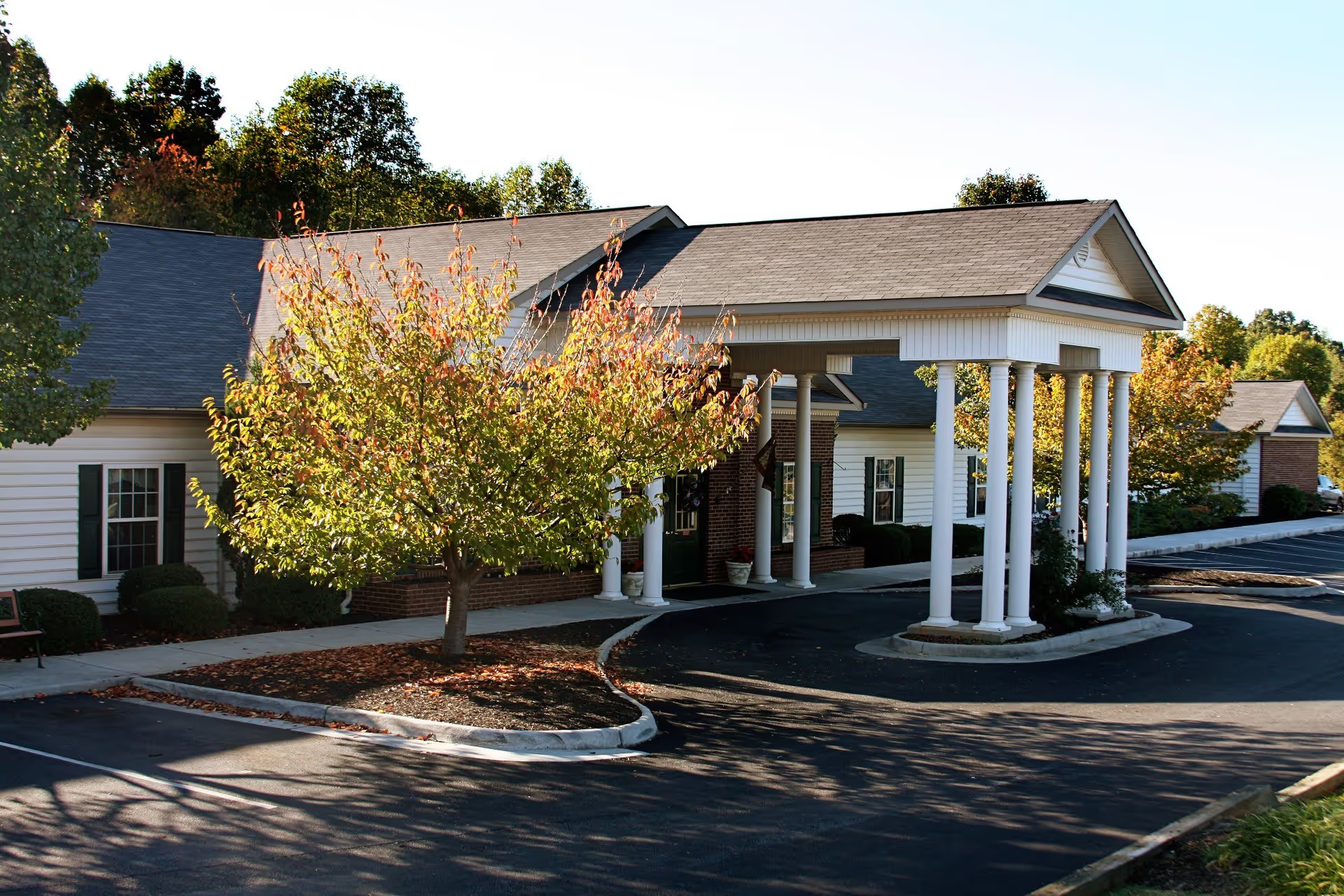
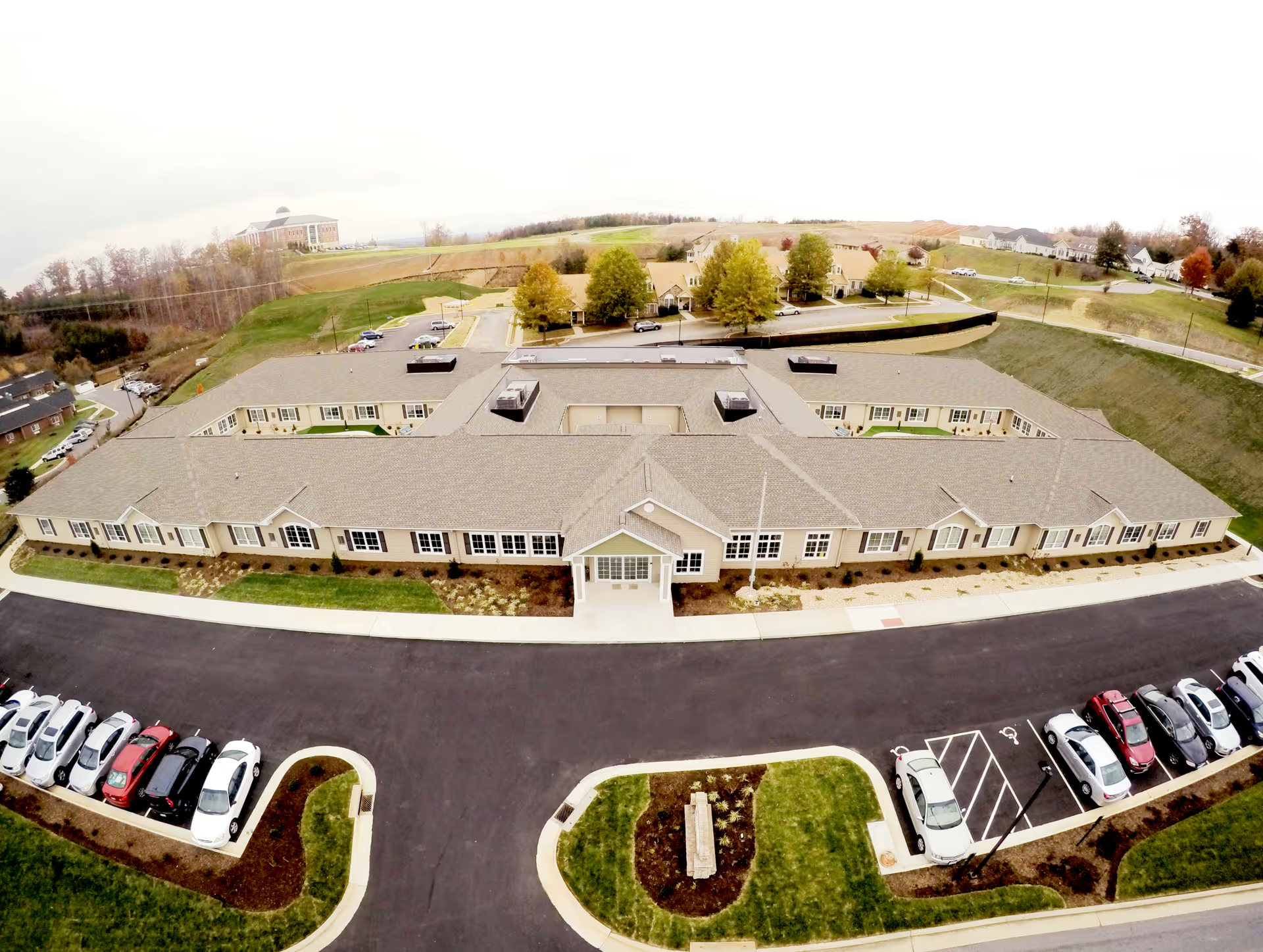
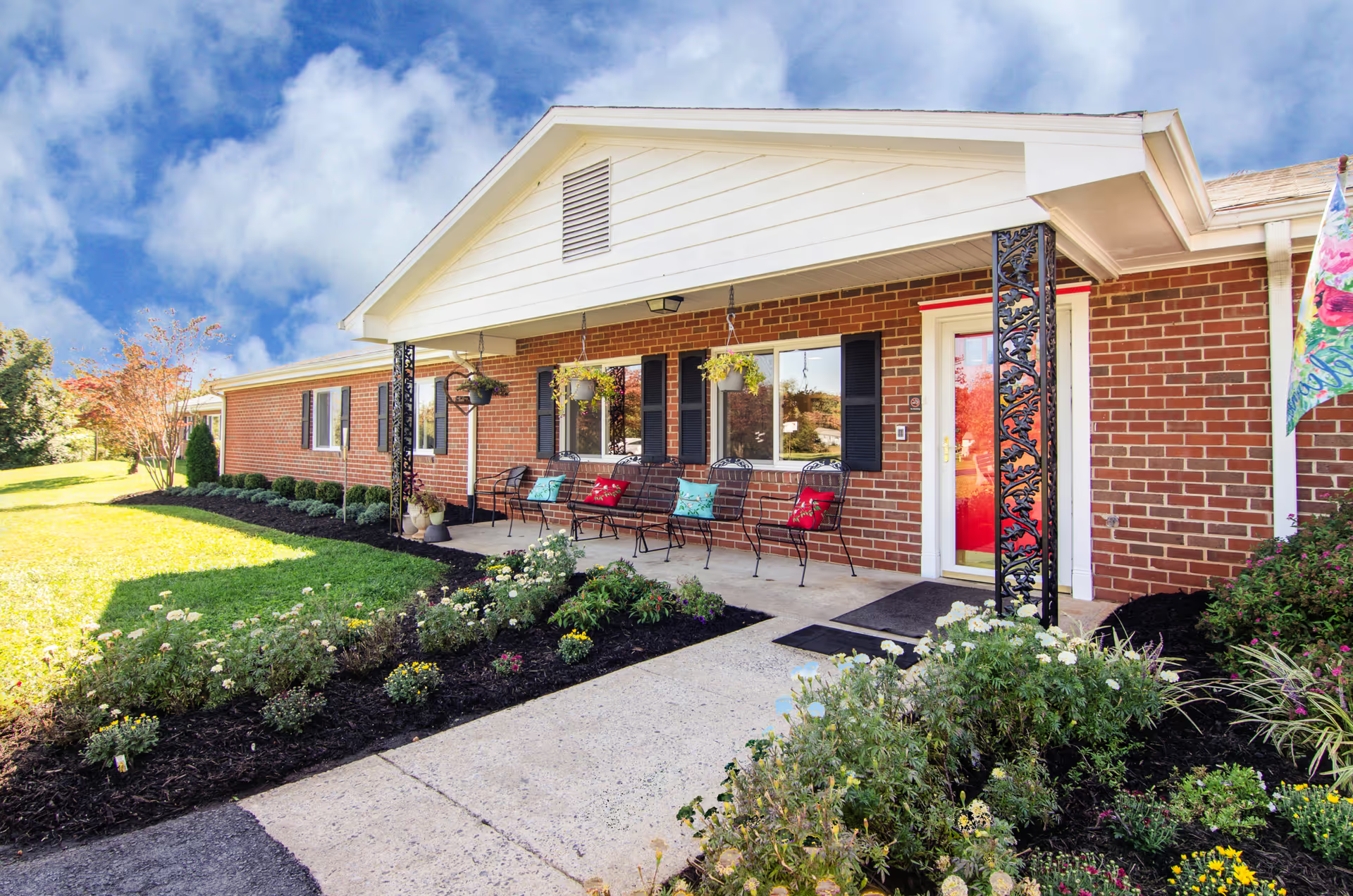
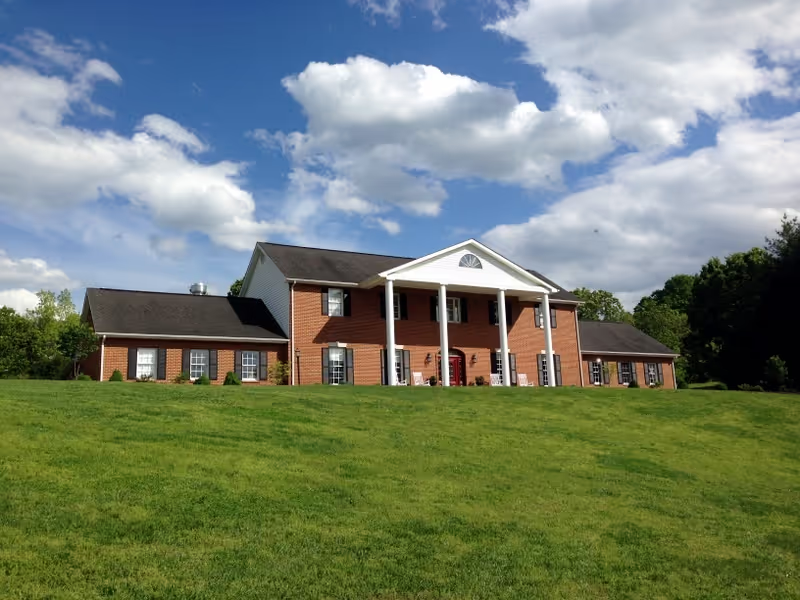
Reviews for Curis at Lynchburg Nursing & Rehabilitation Center describe a facility with a wide range of experiences, from highly positive rehabilitation and individualized caregiving to persistent operational and communication shortcomings. The most consistent positive theme relates to therapy and rehabilitation: the facility’s PT/OT teams and therapy department receive repeated praise for getting residents back to baseline and for delivering structured, effective rehabilitation. Multiple reviewers also singled out individual caregivers and nurses for compassionate, attentive care, and several described a welcoming admissions experience, updated rooms, and an attractive courtyard.
At the same time, a substantial set of operational concerns emerges across reviews. Staffing and shift coverage are described as inconsistent, producing delays in responding to resident needs and family inquiries. Linked to staffing issues are communication breakdowns with families and occasional unresponsiveness from leadership or clinical managers. Several comments point to gaps in clinical coordination — for example, missed or delayed treatments, challenges coordinating dialysis, and inconsistent medication or therapy follow-up — which suggest weaknesses in clinical handoffs and oversight.
Dining and personal‑care patterns are uneven. Some families praise homemade meals and special offerings, while others describe failures to follow prescribed renal or diabetic diets, abrupt kitchen closures, and inconsistent meal delivery. Personal‑care concerns include irregular bathing schedules, inconsistent incontinence care, and reports of bedding or clothing mishandling. Environmental maintenance and sanitation are also mixed: some rooms are described as newly remodeled and clean, whereas other accounts raise odor concerns, pest‑control issues, and HVAC or room temperature maintenance problems.
Management and administrative processes appear to be in transition for parts of the facility. Reviews reference new ownership and leadership with stated improvement efforts, and some families saw positive change over time. However, other reviewers report problematic administrative practices including billing and discharge coordination problems, inadequate post‑discharge follow‑up, perceived favoritism, and front‑desk coverage lapses that affect safety and access. A number of accounts describe emergency transfers to higher levels of care linked to coordination or dietary issues, underscoring the operational impact of the listed gaps.
For prospective residents and families: the facility demonstrates clear strengths in rehabilitation and has individual staff who provide highly regarded, resident‑centered care. At the same time, operational inconsistencies — particularly staffing reliability, clinical coordination (including dialysis and medication timing), dietary adherence, personal‑care scheduling, environmental maintenance, and communication with families — are recurring themes that merit direct inquiry. When assessing this facility, consider touring during different shifts, asking about staffing ratios, clinical protocols for dialysis and specialty diets, incontinence and bathing schedules, pest‑control measures, HVAC maintenance, discharge planning, and examples of recent quality‑improvement initiatives and outcomes. Consulting recent state inspection reports and speaking with current families or discharge planners will help clarify whether recent management changes have addressed the documented issues.