Overall impression: Reviews present a mixed but clear pattern. The facility receives strong, consistent praise for its rehabilitation services and for many of the direct-care staff, while operational and systems-level issues appear to be the source of most concerns. Prospective residents and families are likely to find high-quality therapy and many compassionate caregivers, but should be aware of intermittent operational weaknesses that may affect day-to-day experience and safety.
Care and clinical outcomes: Liberty Ridge is frequently described as strong in rehabilitation — physical, occupational, and speech therapy — with therapists who create personalized, goal-oriented plans and achieve measurable progress. Many families credited therapy staff with returning residents to a higher level of function. Nursing and CNA care also elicit positive comments about compassion, timely medication administration, and attentive bedside care in many cases. However, reviews repeatedly indicate inconsistent staffing levels that can affect responsiveness and supervision. Specific operational implications include delayed responses to call bells, gaps in routine assessments, and concerns about adherence to some safety protocols and medical-device handling (for example, oxygen management). There is also at least one serious allegation that drew concern from reviewers; this highlights the importance of asking about incident-response practices and escalation procedures when evaluating the facility.
Staff and professionalism: A large number of reviews praise individual staff members, describing them as knowledgeable, warm, and family-oriented. Social work and case-management functions receive positive mention for advocacy and coordination. At the same time, recurring thematic complaints relate to staff phone use while on duty, distracted front-desk interactions, and variability in professional conduct. These descriptions point to uneven culture and supervision: strong team behaviors are present among many clinical staff, yet enforcement of professional standards and workflow oversight appears inconsistent.
Dining and nutrition: Comments about meals are mixed. Some reviewers report satisfactory dining rooms and meal service, while others describe inconsistent food temperature and quality, limited menu choices, and inadequate diabetic menu options and portioning. The pattern suggests that meal-service continuity and dietary accommodation for residents with specific needs are areas that warrant verification during a tour or intake conversation.
Activities and community life: Many reviews describe engaging activities, social events, and a community feel; families note laughter, parties, and meaningful programming. Conversely, some families experienced low activity engagement for particular residents or found that activity levels varied by unit or shift. This indicates that programming quality is generally good but may depend on staff availability and resident mix.
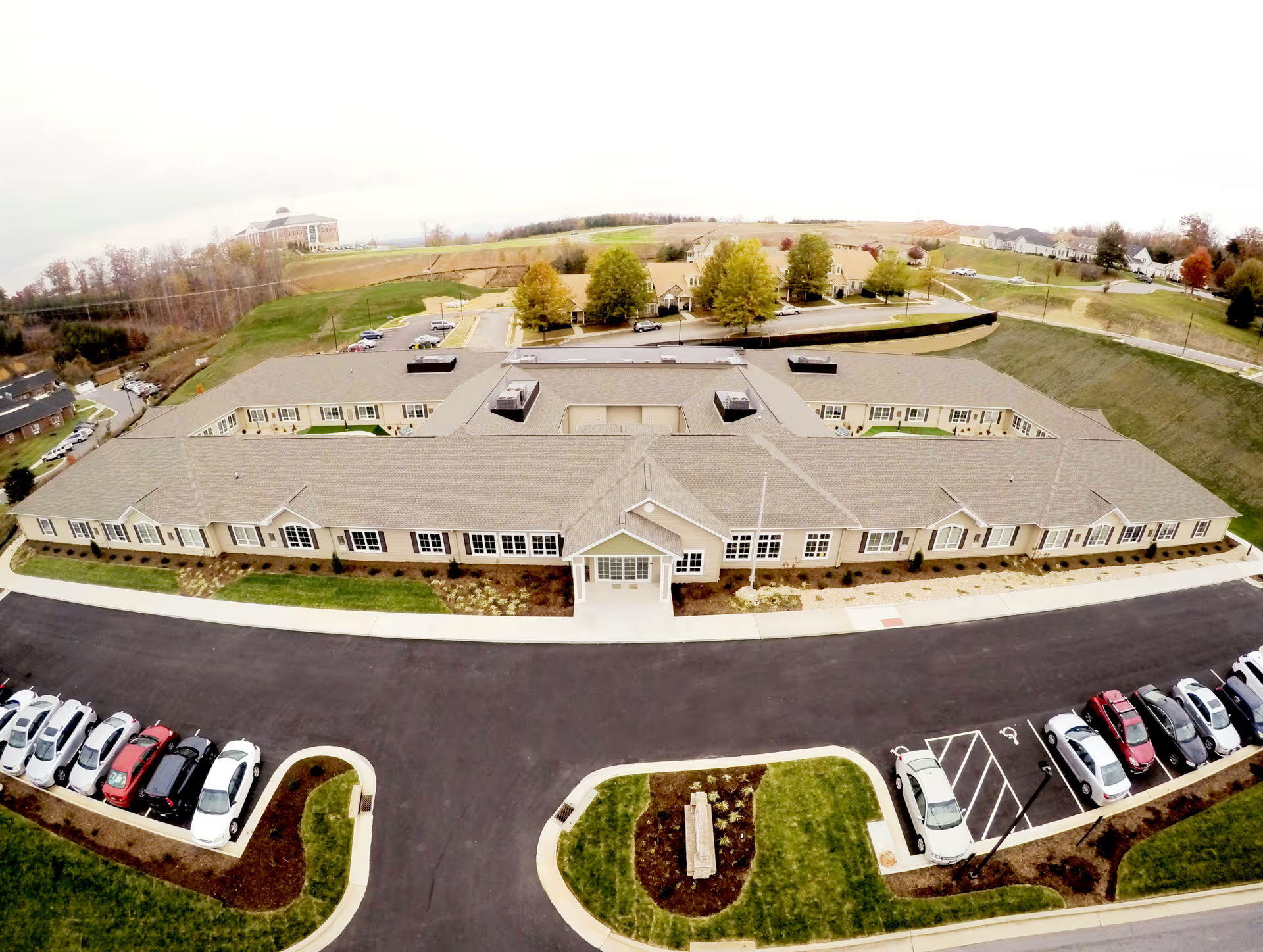
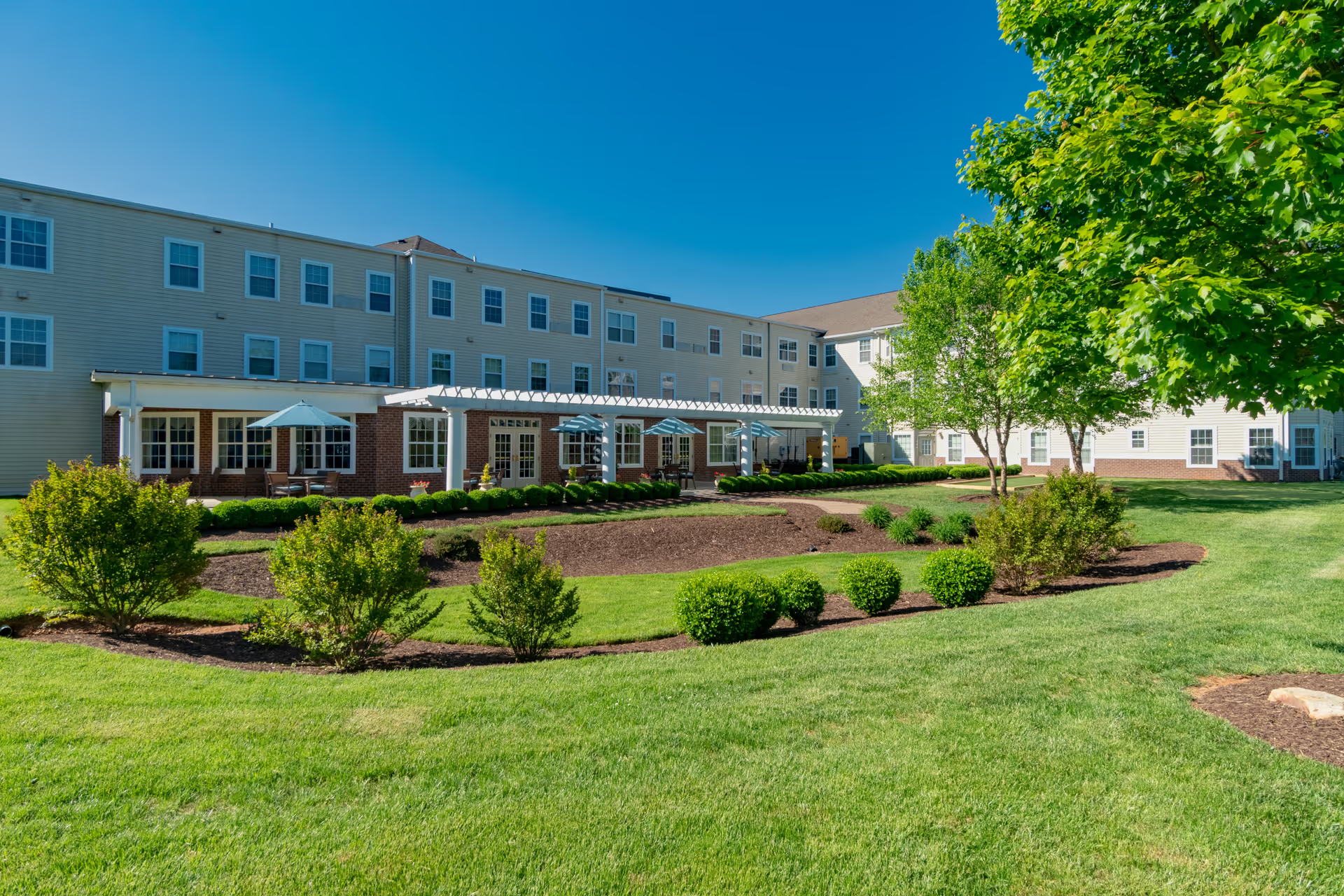
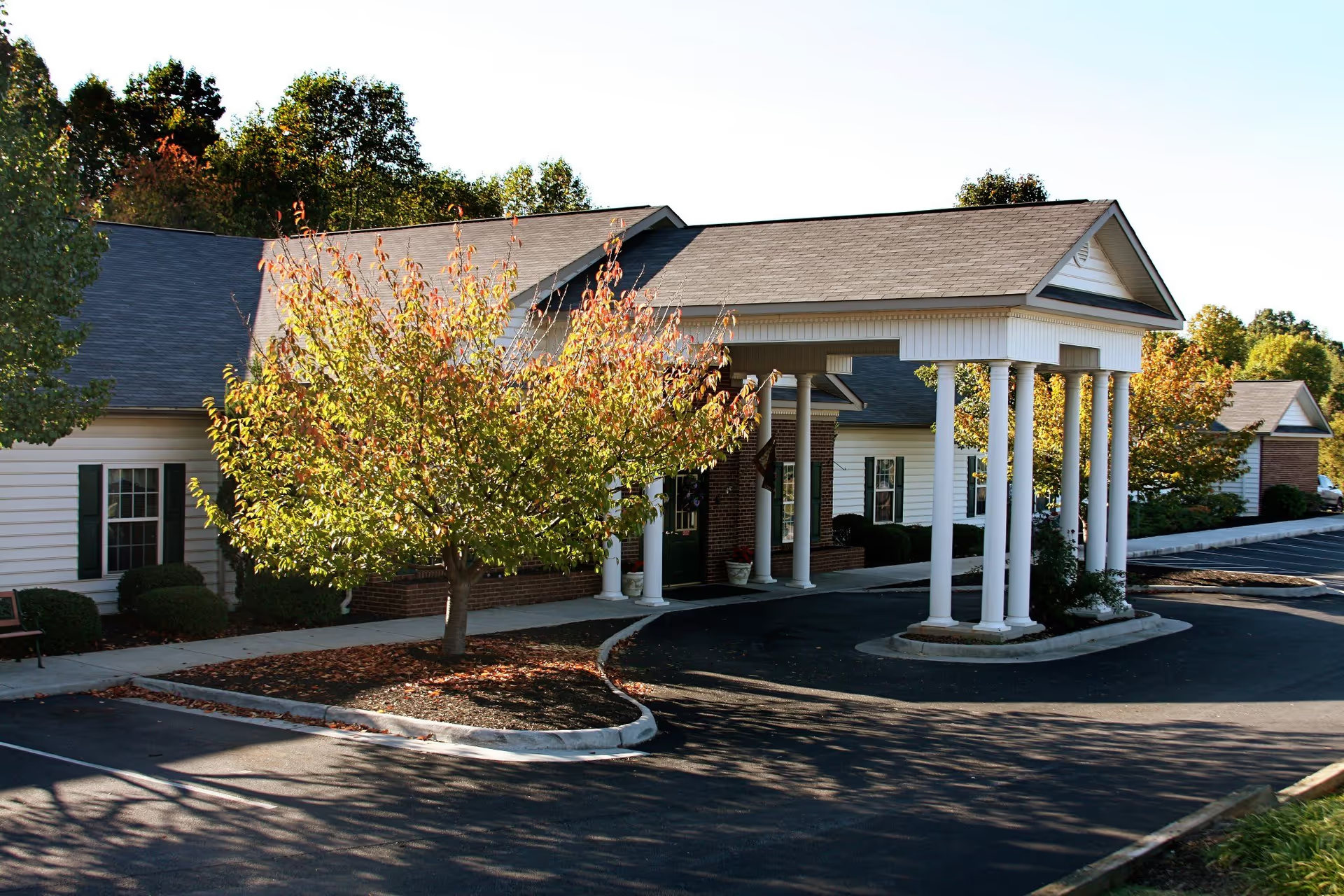
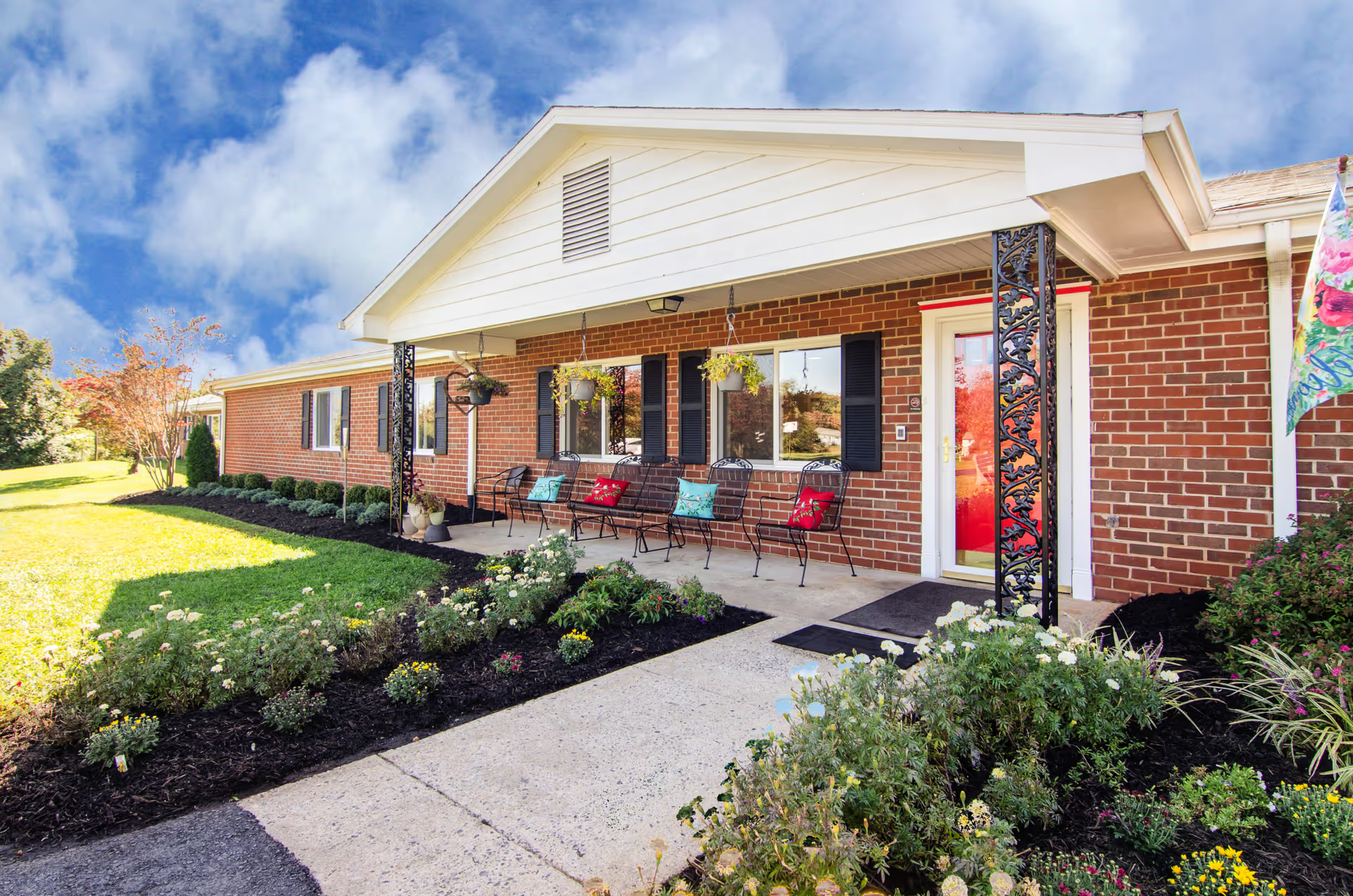
Facilities and environment: The physical plant is commonly described as clean, bright, and well maintained, with several reviewers noting private, spacious rooms and attractive views. That said, numerous comments flag room aesthetics and furnishings as sparse or not resident-centered (missing clocks/calendars, minimal wall decor, inexpensive furniture), and some reviewers reported isolated equipment issues and occasional utility interruptions. These are facility-level comfort and reliability issues rather than universal sanitation problems.
Management, communication, and administration: Communication receives mixed feedback. Some families praise daily update calls, scheduled management conferences, and proactive casework. Others report difficulty getting timely responses from administrators, confusion over billing and Medicare coverage, and inconsistent follow-through on concerns. These patterns point to variability in administrative responsiveness and clarity of financial/coverage communication.
Notable patterns and takeaways: Strengths are concentrated in rehabilitation outcomes, many compassionate direct-care staff, and a generally clean, private environment. Weaknesses tend to be systems-related: inconsistent staffing and supervision, variability in food service and dietary accommodations, lapses in adherence to some clinical safety practices, and uneven administrative responsiveness. Prospective residents and families should weigh the strong therapy and caregiving reports against the operational variability. When evaluating the facility, recommended focus areas include staffing ratios and coverage, call-response metrics, specific protocols for oxygen and other medical-device management, dietary accommodations for chronic conditions, and clarity on billing/Medicare coverage and incident escalation procedures.