The reviews for Lynchburg Health & Rehabilitation Center present a mixed but consistent picture: the facility is frequently praised for its rehabilitation services and for individual caregivers, while operational and safety-related weaknesses recur across accounts.
Care quality and clinical services: Therapy and rehabilitation emerge as a clear strength. Reviewers repeatedly describe goal-oriented physical and occupational therapy, a modern therapy gym, and therapists who produced measurable functional gains. Nursing care receives positive comments in many cases — several families and residents named nurses and CNAs who provided compassionate, competent care and prompt wound management. At the same time, a distinct set of clinical concerns appears repeatedly: inconsistent medication administration and scheduling, missed or delayed attendance to resident-assistance calls, and variability in post-incident response (including delays in transfers to higher levels of care). These patterns suggest the facility can provide high-quality rehabilitative care but faces reliability challenges in routine nursing and safety-critical tasks.
Staff, conduct, and communication: Staff performance is described as polarizing. Numerous reviews highlight individual staff members and departments (therapy, admissions, scheduler, dietary, some CNAs and nurses) as attentive and professional, contributing to a family-like atmosphere. Conversely, other reviewers describe slow responses, unprofessional conduct, or difficulty reaching leadership. Communication gaps are a common theme: families report trouble obtaining timely medical updates, unanswered phone lines, and inconsistent explanations after clinical events. There are recurring concerns about inconsistent application of policies, perceived favoritism, and occasional unprofessional behavior among frontline staff.
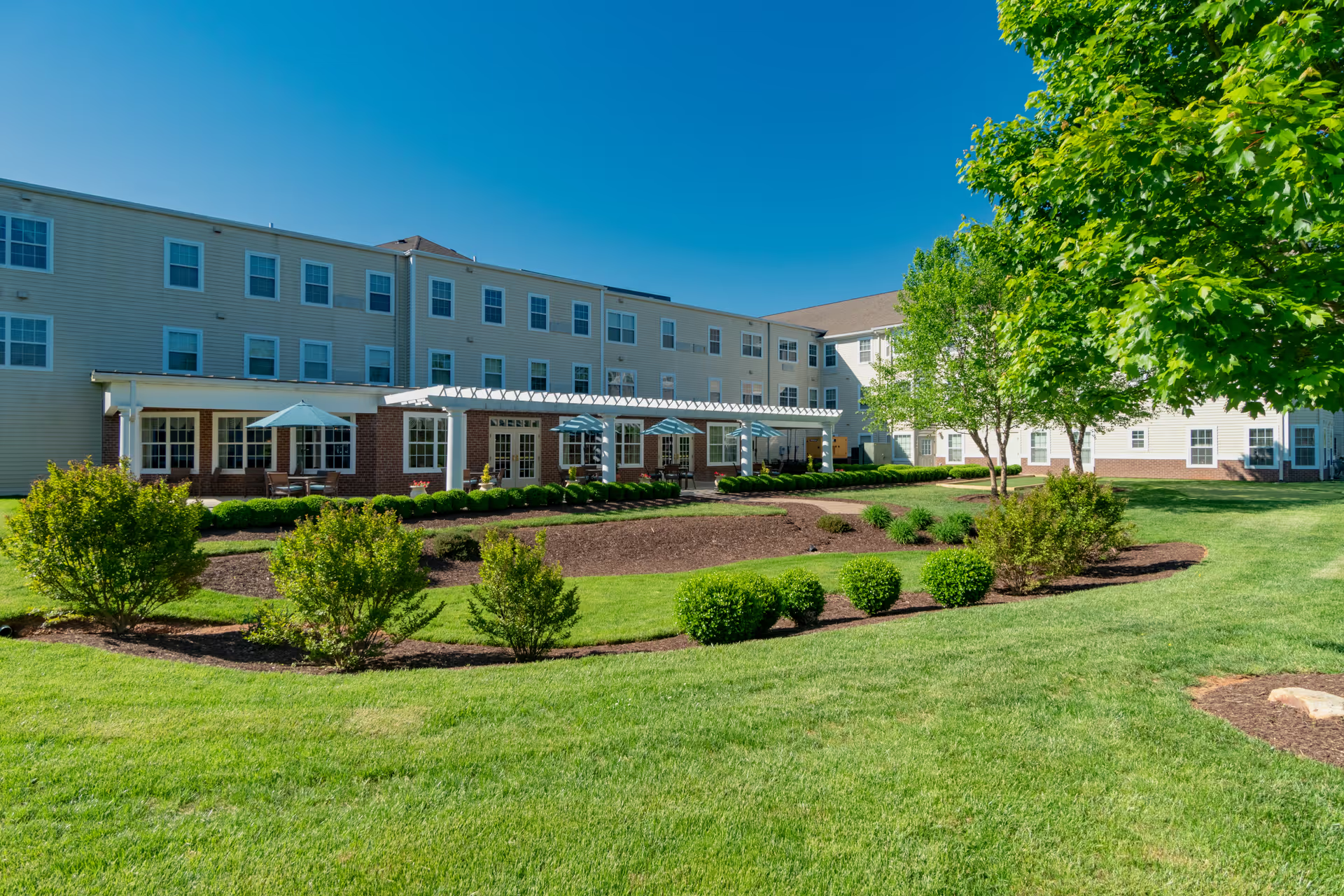
Dining and amenities: Dining receives mixed feedback. Several reviewers praised the kitchen for accommodating dietary needs and appreciated specific dietary staff. Others described inconsistent food quality, limited beverage access between meals, and a lack of fresh fruit. Amenities such as the therapy gym and activity spaces are frequently praised, but some resident rooms and bathing areas are described as dated or in need of maintenance.
Activities and social environment: The activities program is a relative strength. Many reviewers cited a wide variety of daily activities, engaged activities staff, and large communal spaces that support social engagement and holiday events. For residents seeking rehabilitation and social programming, this area appears well developed.
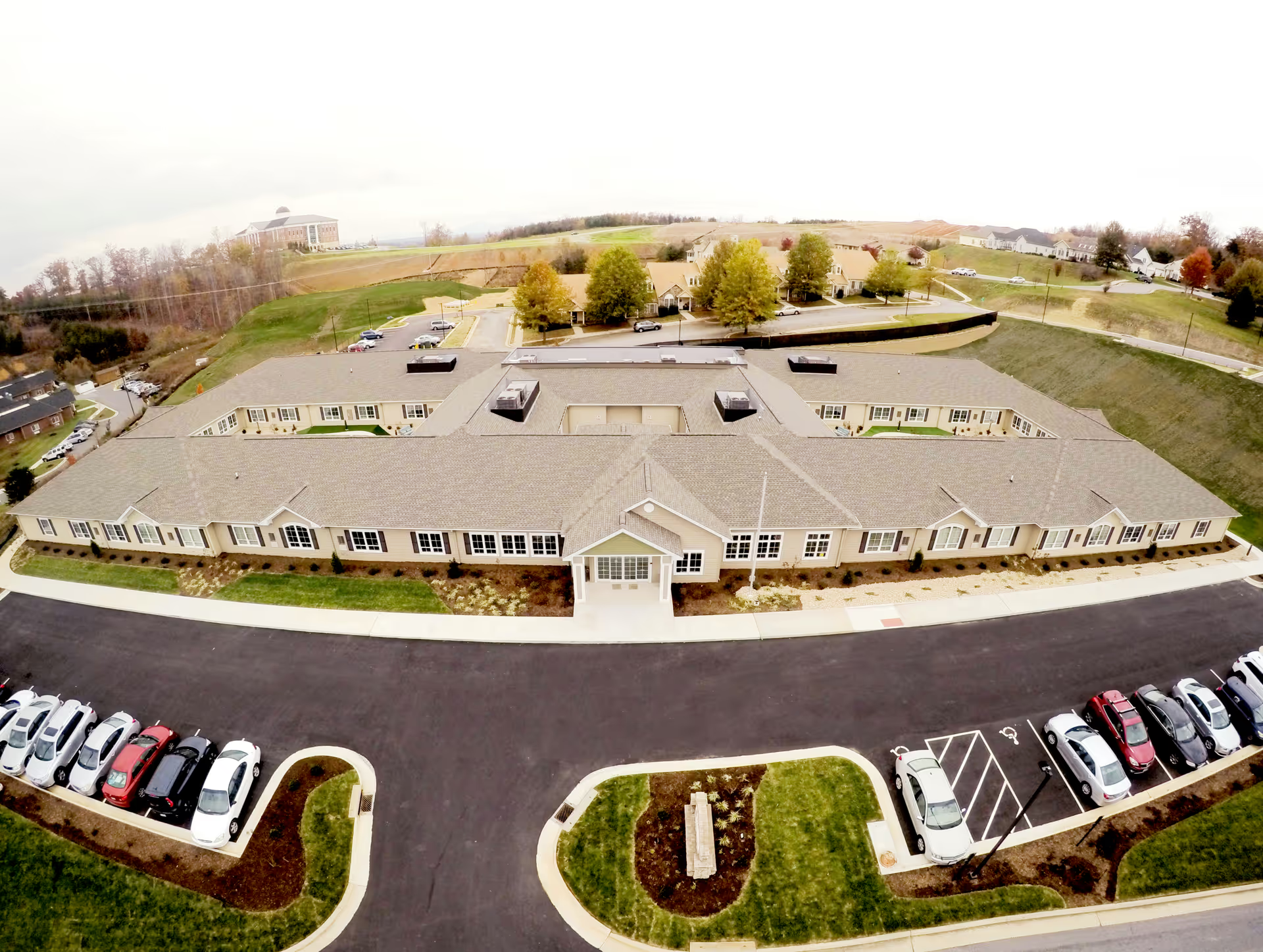
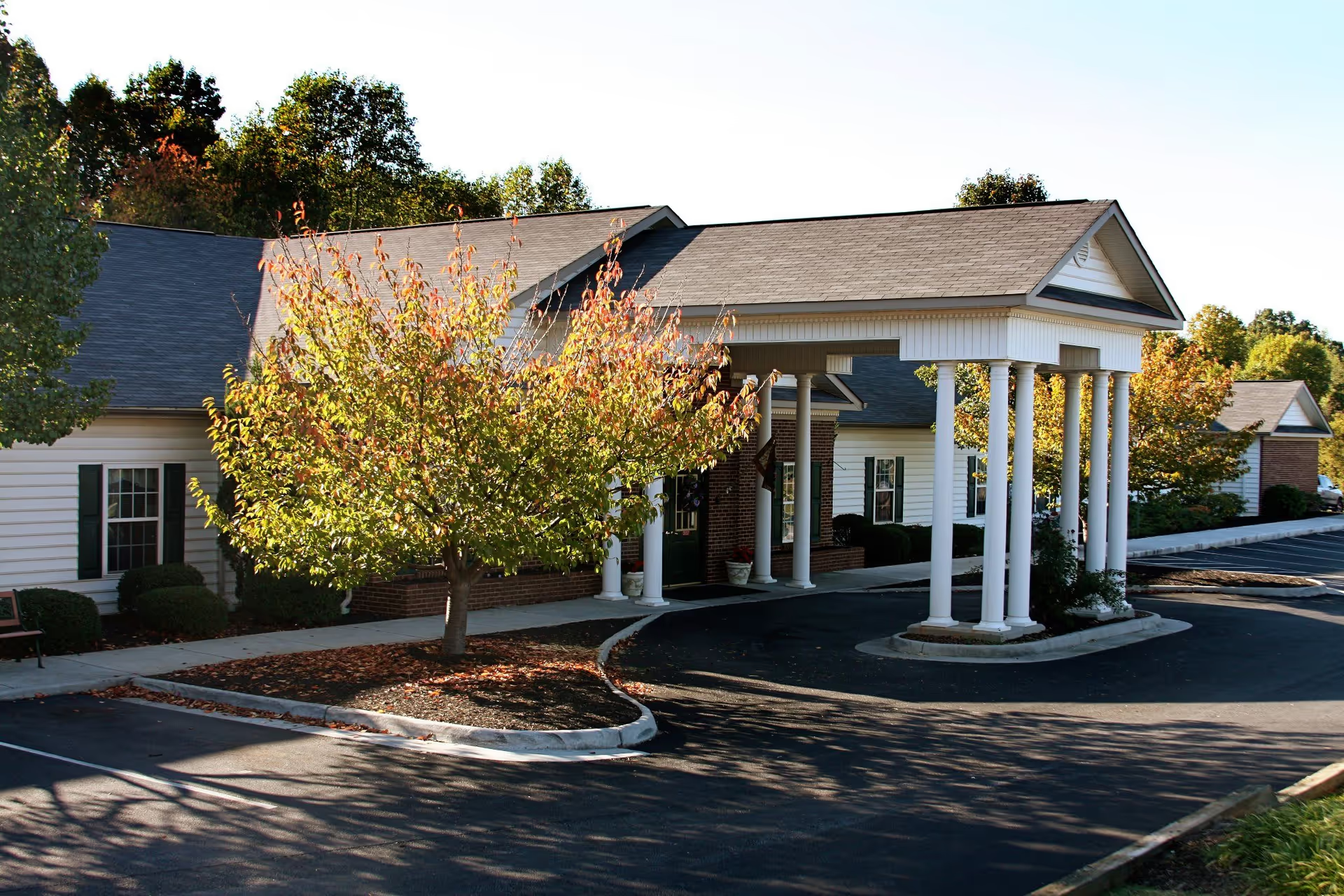
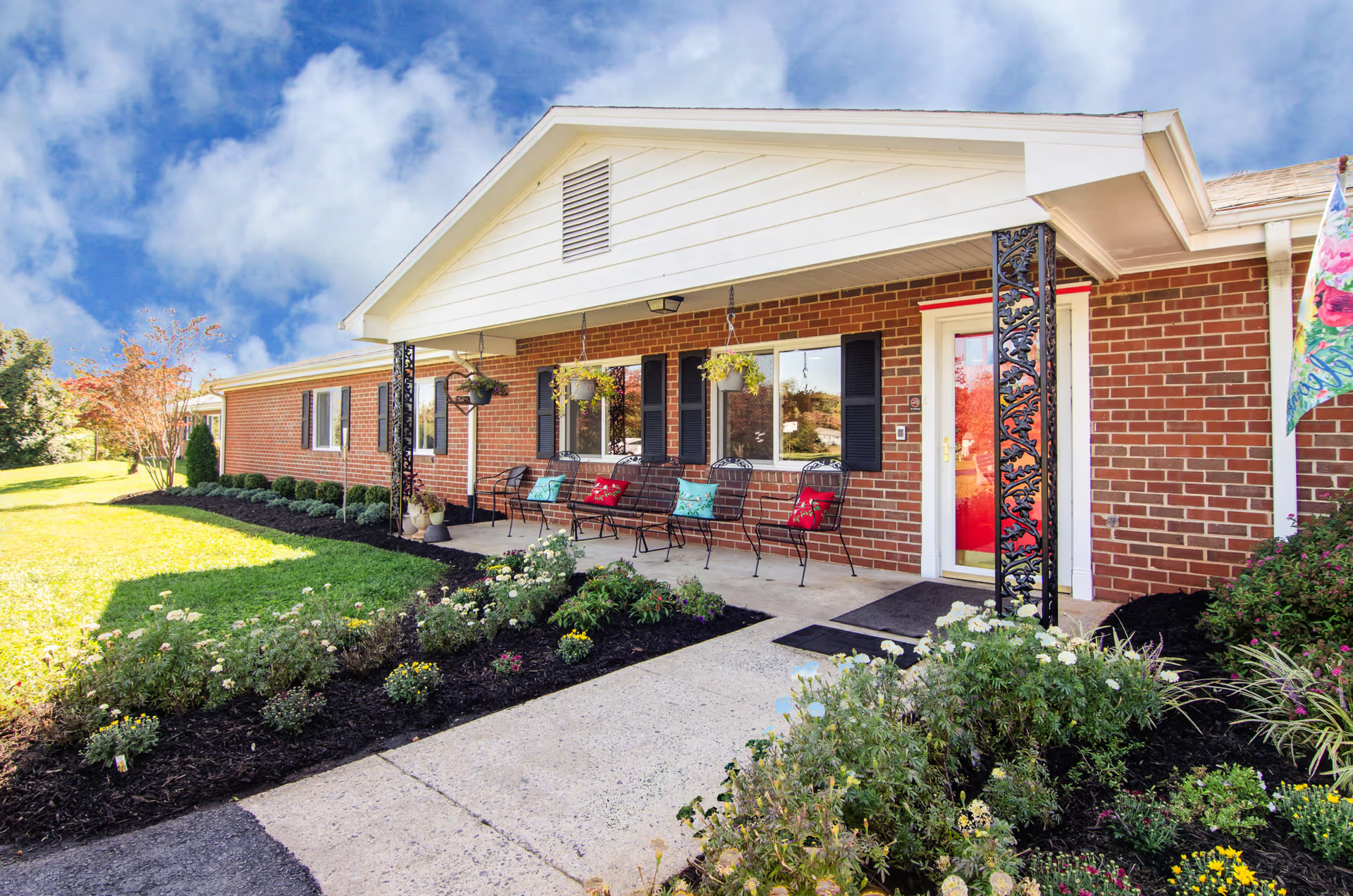
Facilities and operations: Comments on cleanliness and maintenance are mixed: some families describe an immaculate, well-kept environment, while others note sanitation and maintenance shortfalls, missing room phones, and pest-control concerns. Operational weaknesses also show up in property handling and laundry processes: several reviews mention lost clothing, misplacement of personal items, and serious allegations of missing valuables. Phone-system reliability and appointment-access infrastructure also received repeated criticism.
Management and oversight: Experiences with management vary considerably. Some reviews praise proactive, involved administrators and staff who resolved issues and coordinated care. Other accounts describe unresponsive leadership, difficulty escalating concerns, and inconsistent corrective action. The pattern suggests variability in managerial responsiveness and unit-level oversight.
Notable patterns and guidance for prospective families: Across the dataset, the most consistent positive signal is the strength of the therapy program and several individual caregivers who provide attentive care. The most consistent concerns relate to staffing reliability, timeliness of responses to resident needs, medication and clinical follow-up consistency, communication with families, and property-management processes. Prospective residents and families should consider touring the facility, asking specific questions about staffing ratios and shift coverage, call-bell response times, medication-administration protocols, fall-prevention and post-fall procedures, property/laundry handling, and recent corrective actions for maintenance or sanitation issues. These inquiries will help clarify whether the facility’s strong rehabilitative resources are matched by reliable nursing, safety, and management practices for the level of care needed.