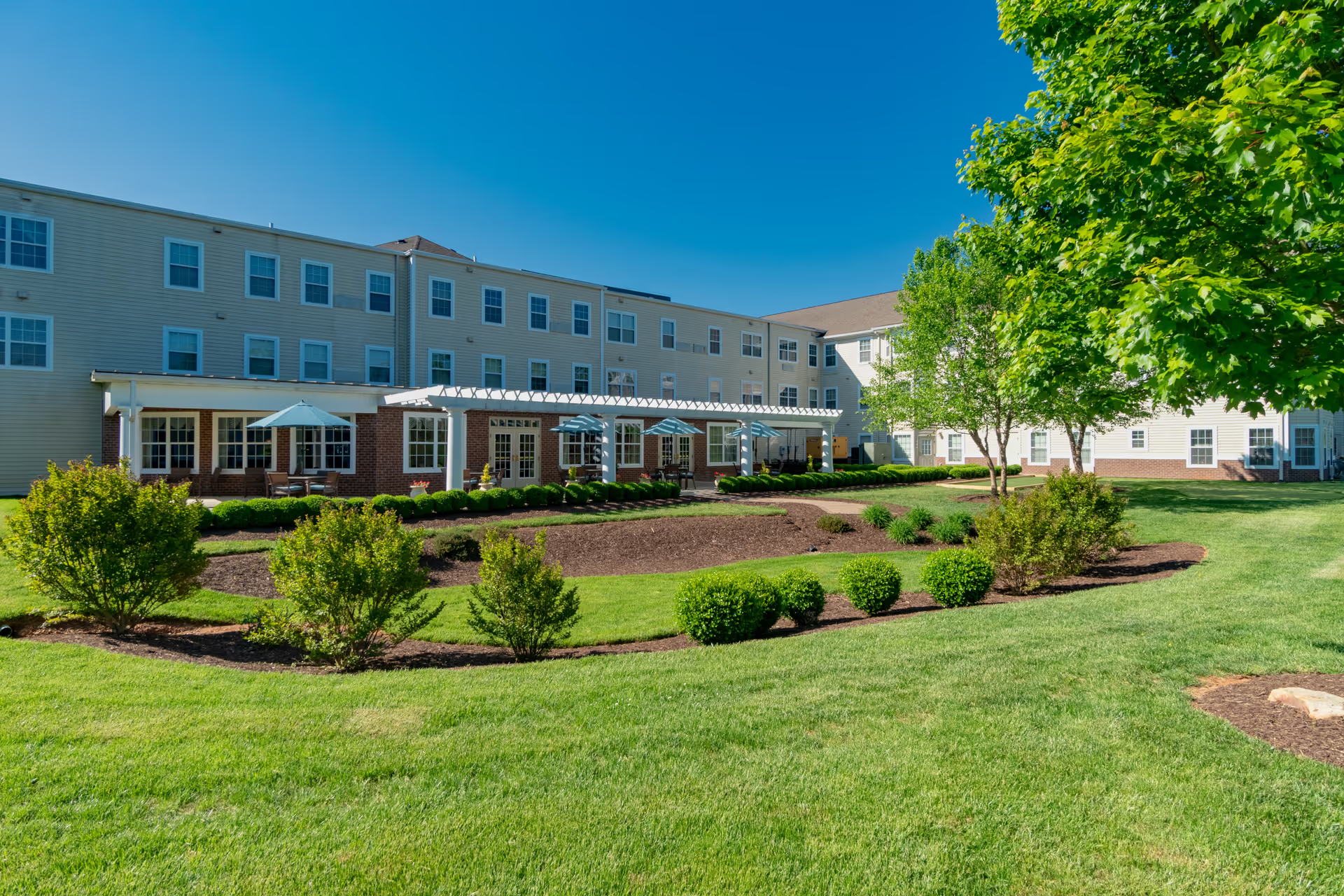
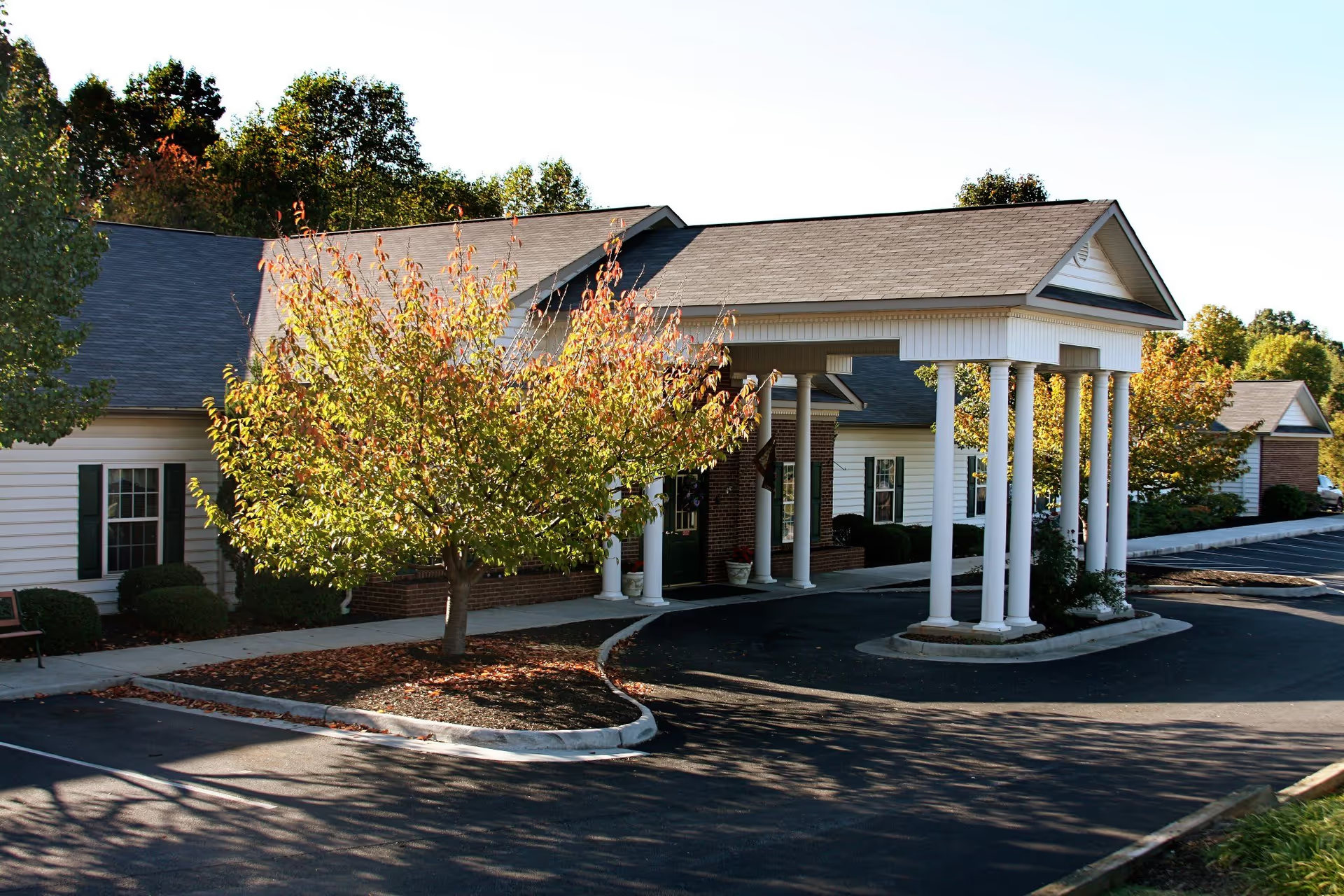
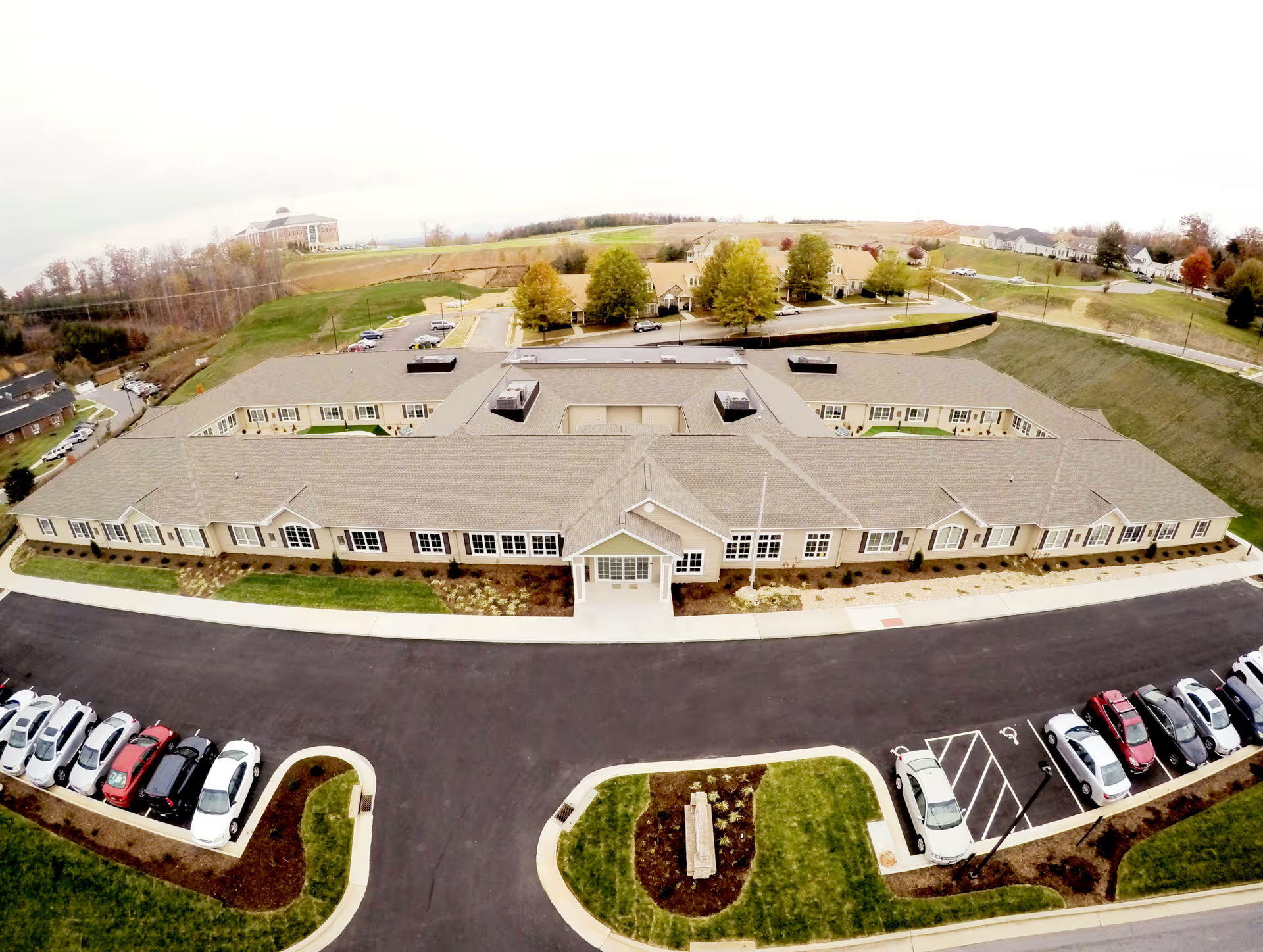
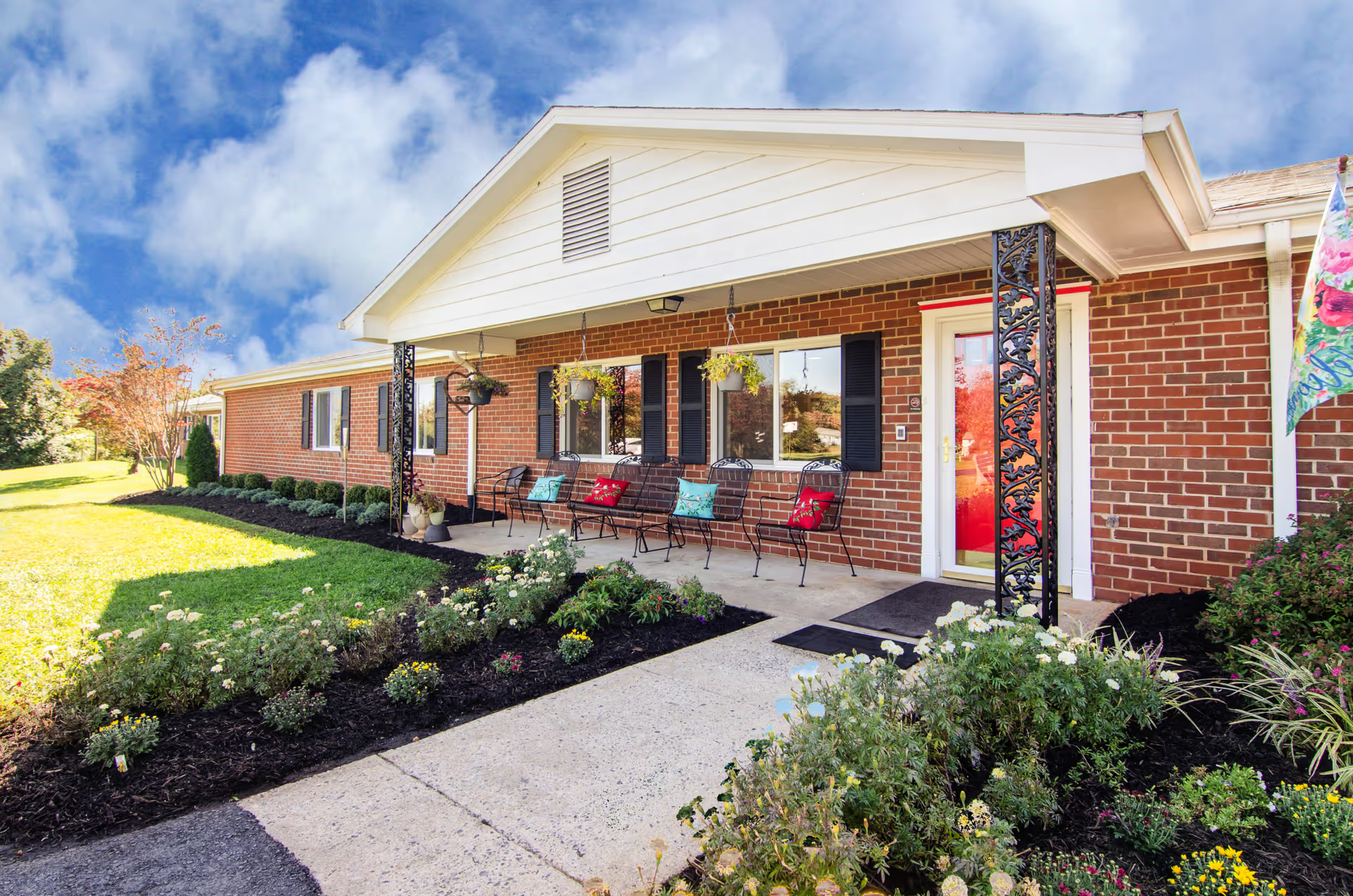
Summit Health & Rehab Center elicits strongly mixed but actionable impressions. Many reviewers praised the direct-care teams and therapy staff: nurses, CNAs, and rehabilitation clinicians are frequently described as compassionate, attentive, and effective, and therapy outcomes and skill levels (PT/OT) are often highlighted as a key strength. The facility’s activity program is also a consistent positive, with daily offerings such as music, crafts, exercise, bingo, and religious services contributing to resident engagement. Admissions and unit leadership receive favorable mentions for smooth onboarding and responsive interactions in multiple accounts. The physical environment is generally described as clean, bright, and well maintained, with private rooms, adjustable climate controls, and pleasant views noted favorably.
At the same time, there is a clear pattern of operational variability. Staffing levels and responsiveness are inconsistent across shifts and units; several families reported delays in attending to residents’ needs and variability in night-shift performance. These issues appear to contribute to concerns about personal-care scheduling (including bathing and incontinence-care timing) and to gaps in communication with families and between shifts. Reviewers also describe lapses in certain clinical-support processes such as specimen handling and infection-control communication, and some accounts suggest weaknesses in transfer and fall-prevention practices. A small number of more serious individual claims — including missing personal items and clinical incidents — were raised, which families may want to probe further during a tour.
Dining and nutrition present mixed feedback. Dining staff and the dining environment are often described positively, but meal quality and nutritional variety are commonly criticized: meals are characterized as heavily processed by some reviewers, restricted diets are not always well accommodated, and vegetarian/vegan options have been described as limited. Activity programming is a clear strength and a differentiator for residents seeking social and recreational engagement.
Management and administrative follow-through also show variability. While some reviewers commend specific leaders and managers for responsiveness and strong leadership, others describe delays in discharge planning, inconsistent communication from HR, missed administrative promises (e.g., medication or paperwork coordination), and occasional dismissive responses to family concerns. These differences suggest that experiences can depend significantly on unit assignment, shift, and which managers and clinicians are on duty.
Practical guidance for prospective residents and families: if rehabilitation outcome and therapy quality are primary needs, Summit’s therapy team is often a strength but confirm therapy frequency and the planned daily schedule in writing. Ask about staffing levels on the unit and during nights/weekends, fall-prevention and transfer protocols, infection-control practices, and how dietary restrictions are accommodated. Verify who will be the unit manager and primary therapy contacts, review discharge planning timelines, and confirm processes for specimen handling and family communication. Overall, the facility offers strong clinical and rehabilitative capability in many cases, paired with active programming and a well-kept environment, but operational inconsistencies mean that clarity about staffing, communication, and individualized care plans is important before admission.