Experiences at Tate Springs Health & Rehabilitation vary considerably. Many residents and families describe attentive, compassionate care and a welcoming atmosphere, while other accounts raise significant concerns about responsiveness, medication routines, and basic care. Reviews use both the Tate Springs and Heartland names, and one reviewer credits a change in ownership with improved quality; the overall feedback nevertheless remains mixed.
Staff are frequently praised for kindness, professionalism, and making residents feel at home. Positive comments also highlight knowledgeable nurses, supportive therapy teams, and helpful admissions, social work, and business-office personnel. In contrast, other families describe inadequate staffing, long waits for assistance, and differences in staff courtesy. Reports also describe medication delays or missed doses, limited access to prescribed therapy, and inconsistent help with bathing, hydration, meals, and repositioning. Serious individual concerns include falls and injuries, pressure and wound management, and delays in recognizing or responding to health changes. These accounts point to the importance of confirming care plans, medication procedures, staffing coverage, and escalation processes directly with the facility.
Rehabilitation outcomes are described positively by some former residents and families, including progress after a stroke or hospital stay. Other reviews say therapy was limited or that families received too little information about progress. Dining feedback is similarly mixed: some residents praise warm, tasty meals and responsive kitchen staff, while others describe cold meals, poor food quality, or problems with supplements. Activities and social engagement are viewed favorably in several accounts, with residents participating in organized events and building connections.
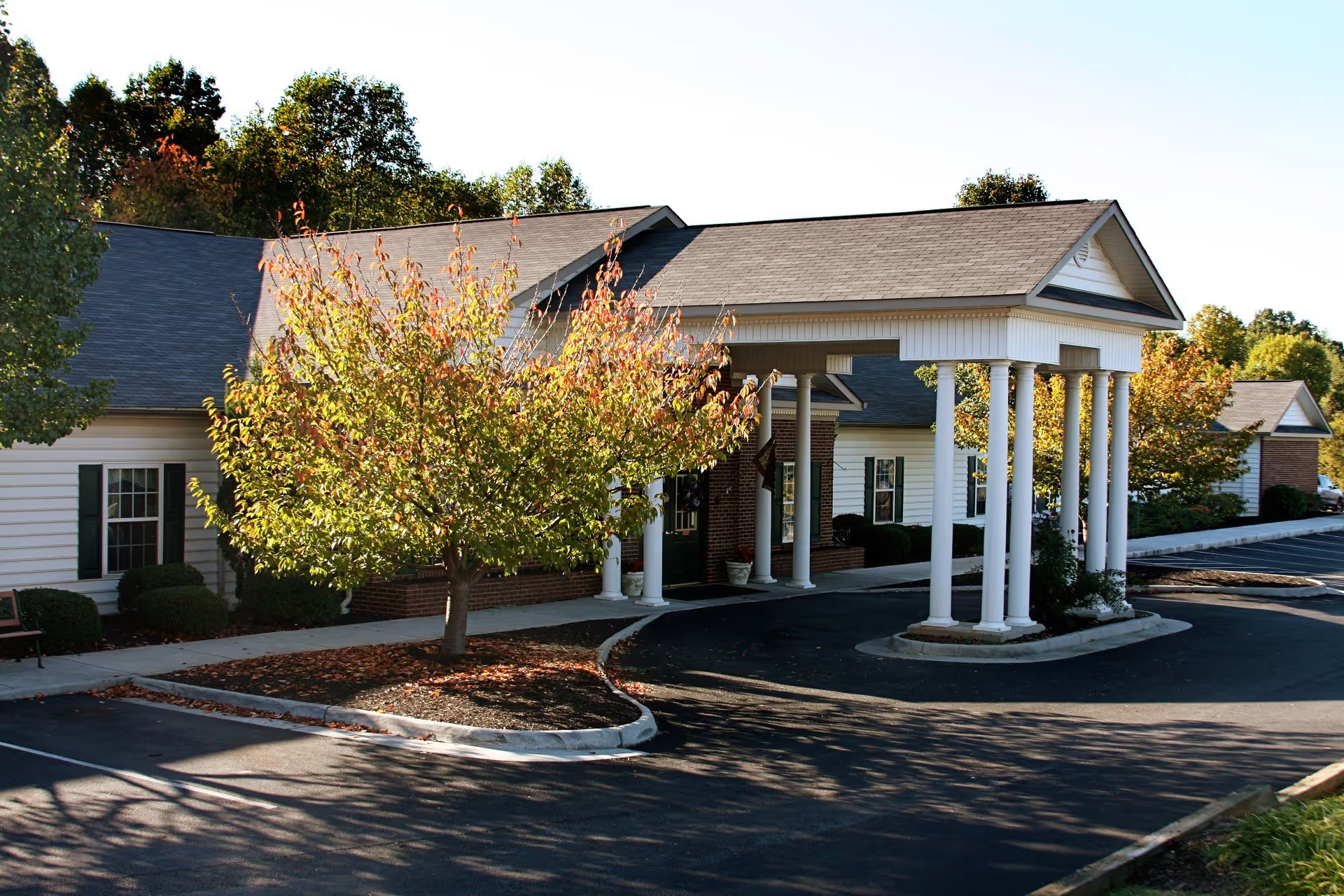
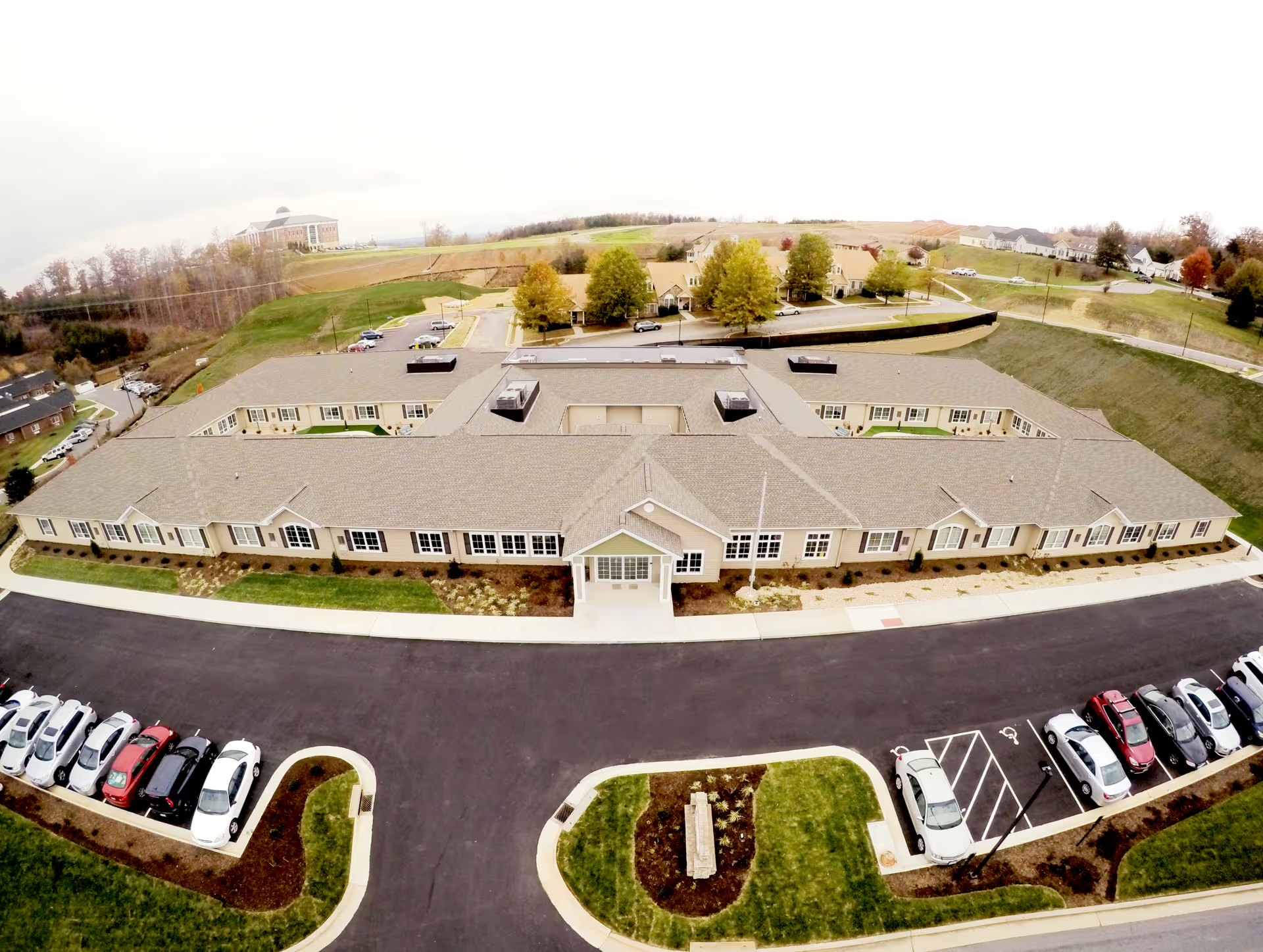
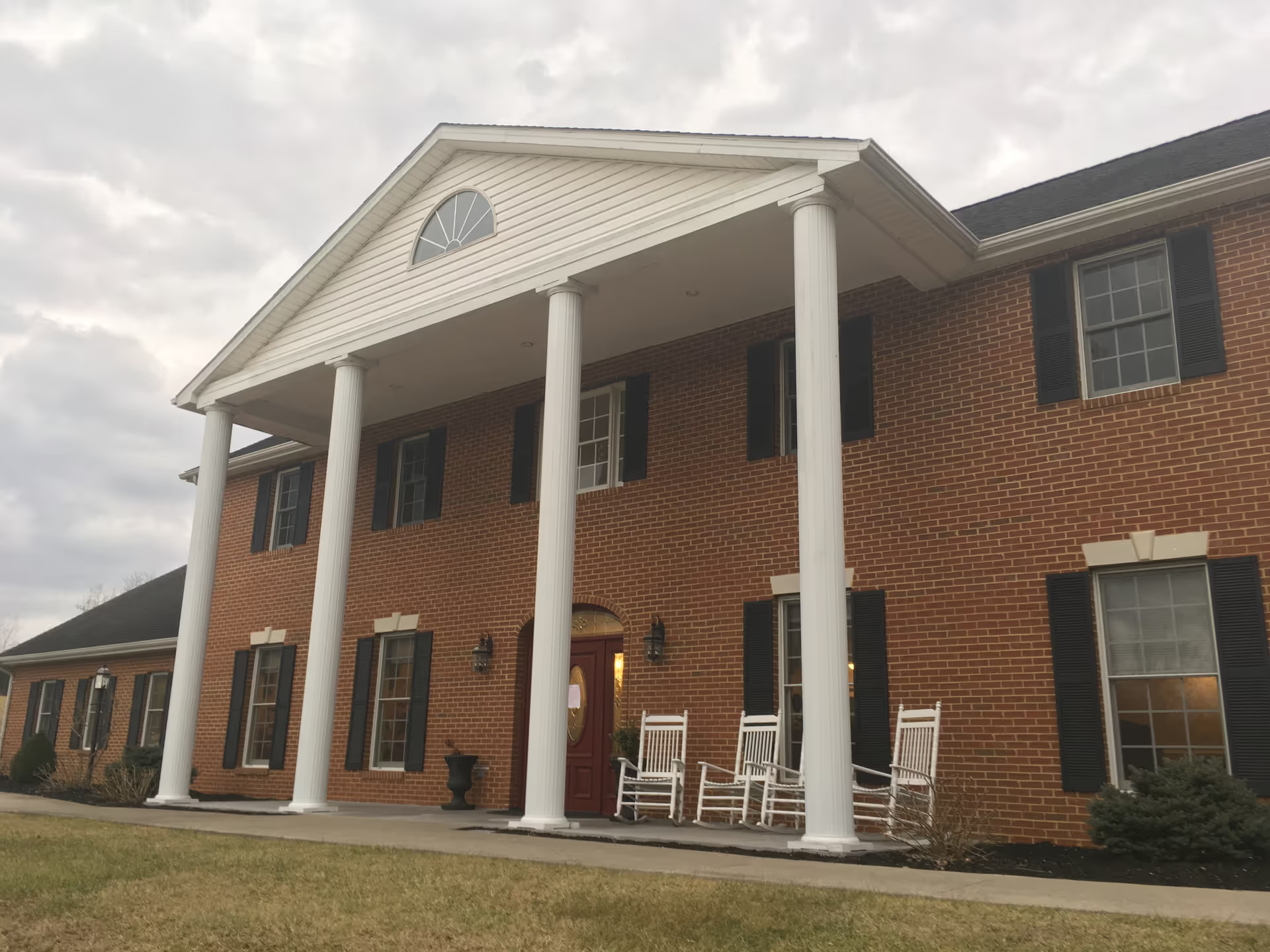
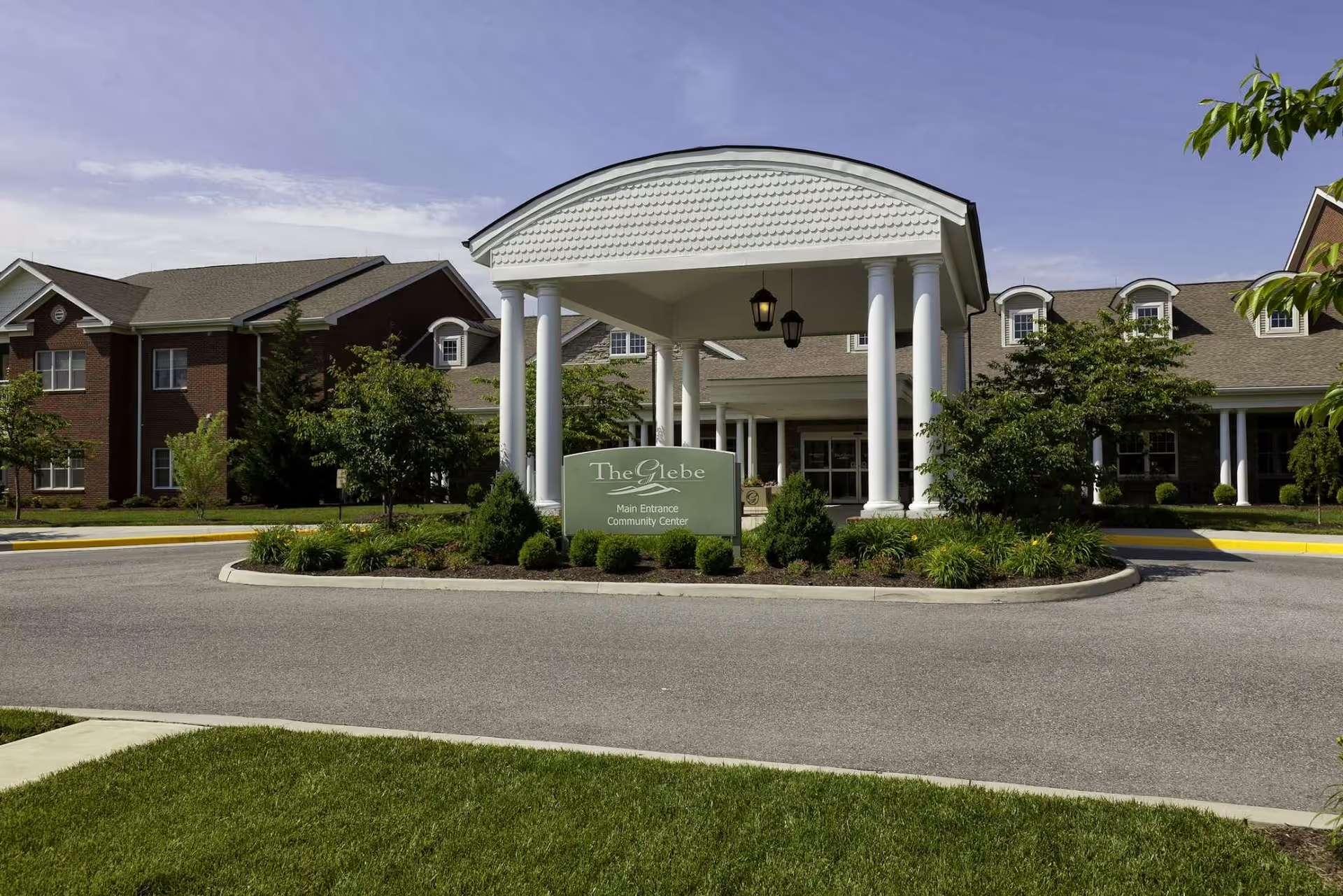
The building is often described as clean, bright, welcoming, and home-like, and seasonal decorations and housekeeping receive positive comments. Other visitors mention dated fixtures, shower-access limitations, and cleanliness concerns in shared areas or individual rooms. Management and administrative feedback also differs: some families value accessible leaders and practical help with transitions, while others report difficulty obtaining callbacks, clinical updates, or answers about finances and belongings. A family also described concerns about privacy and support during end-of-life care. Overall, prospective residents and families may wish to assess staffing and responsiveness at different times of day, review therapy and medication processes, and tour the rooms and bathing facilities before making a decision.