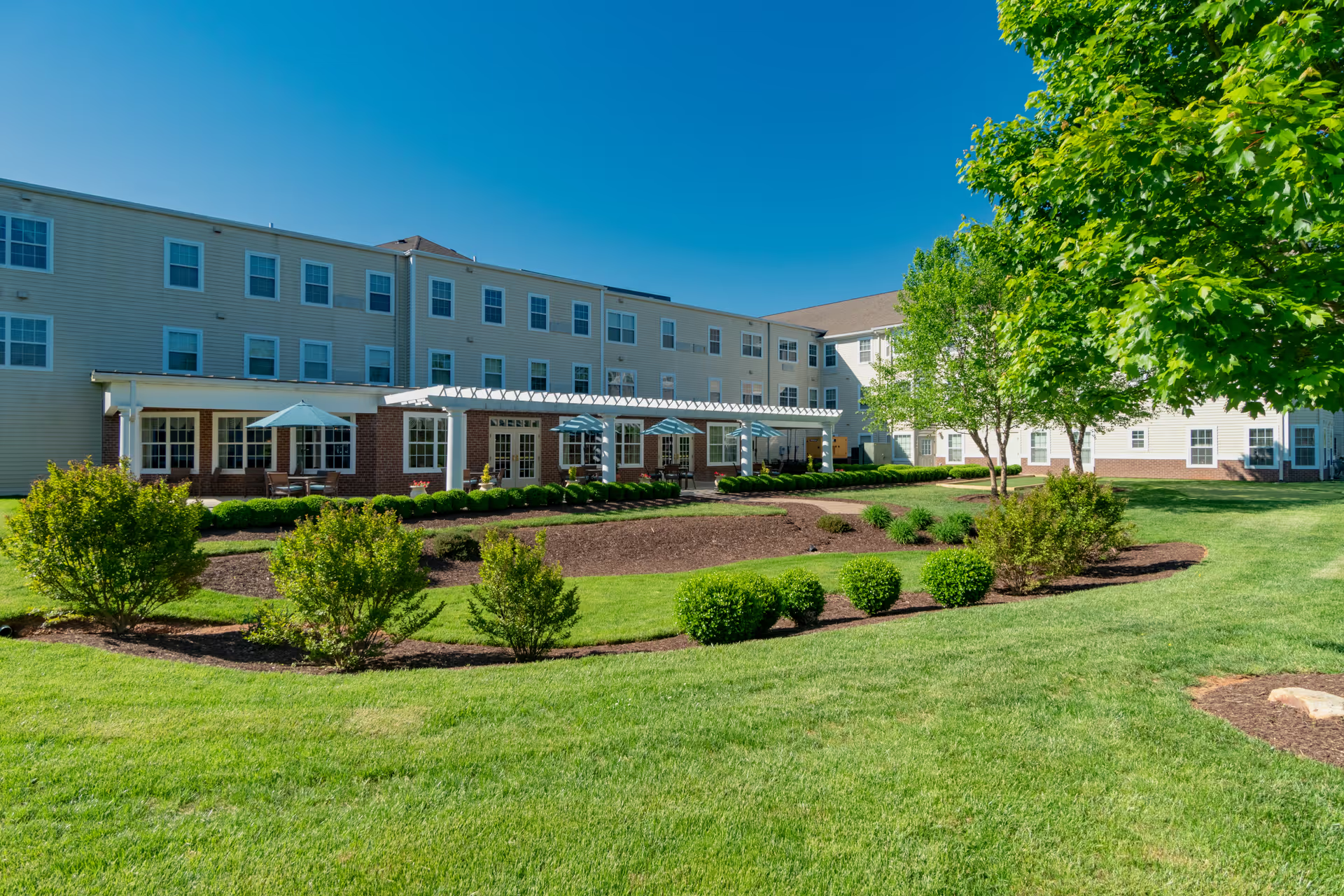
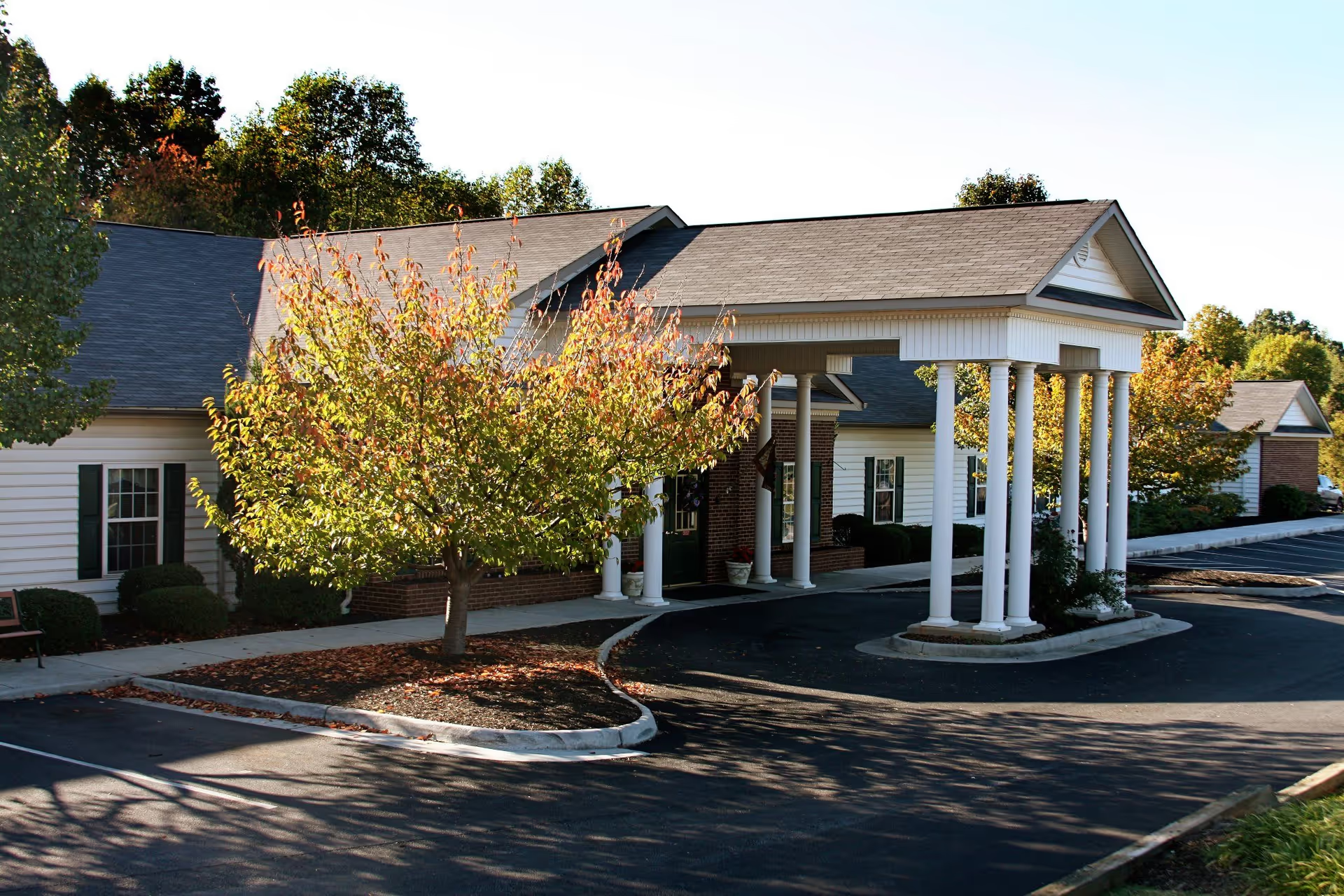
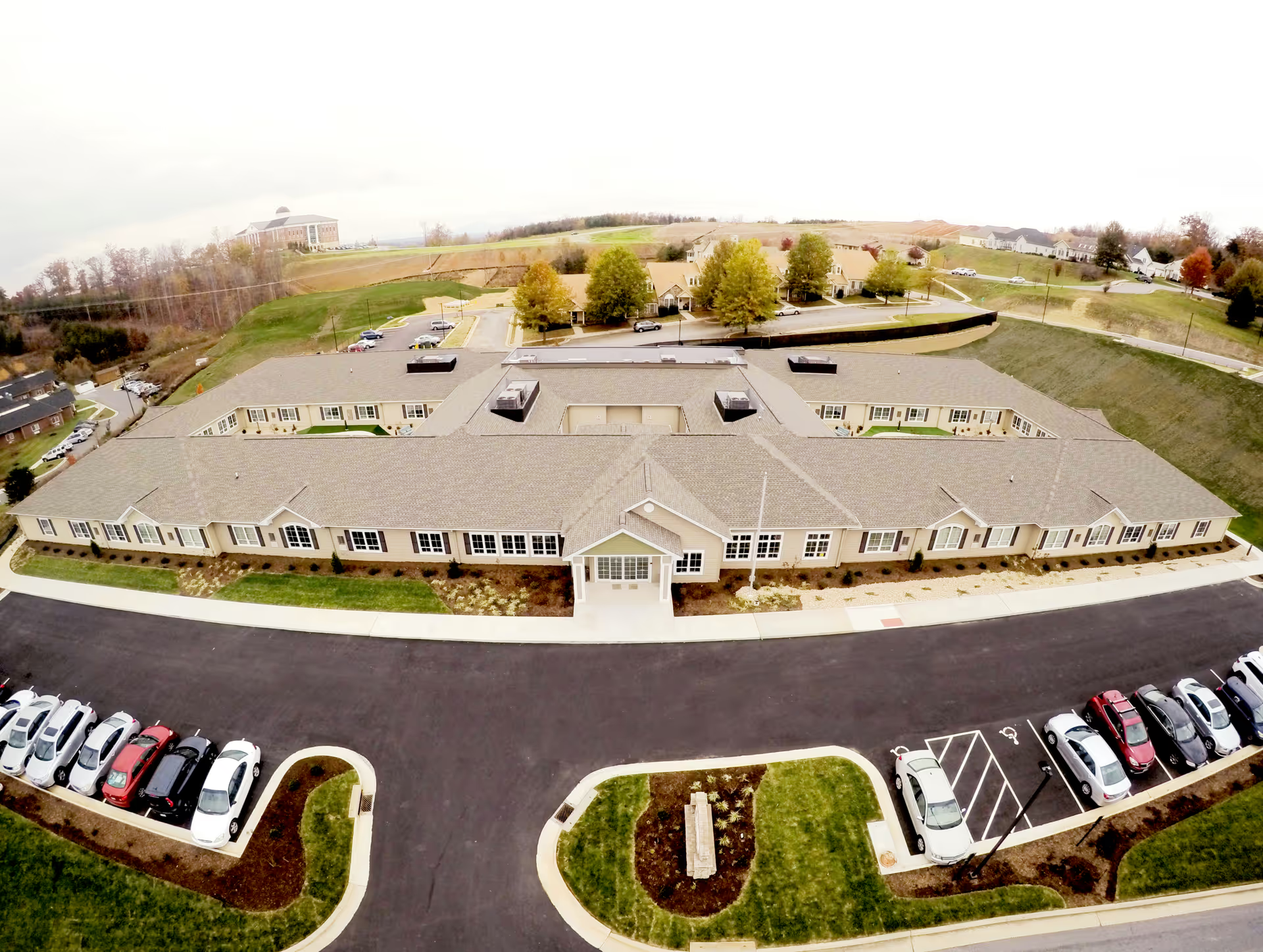
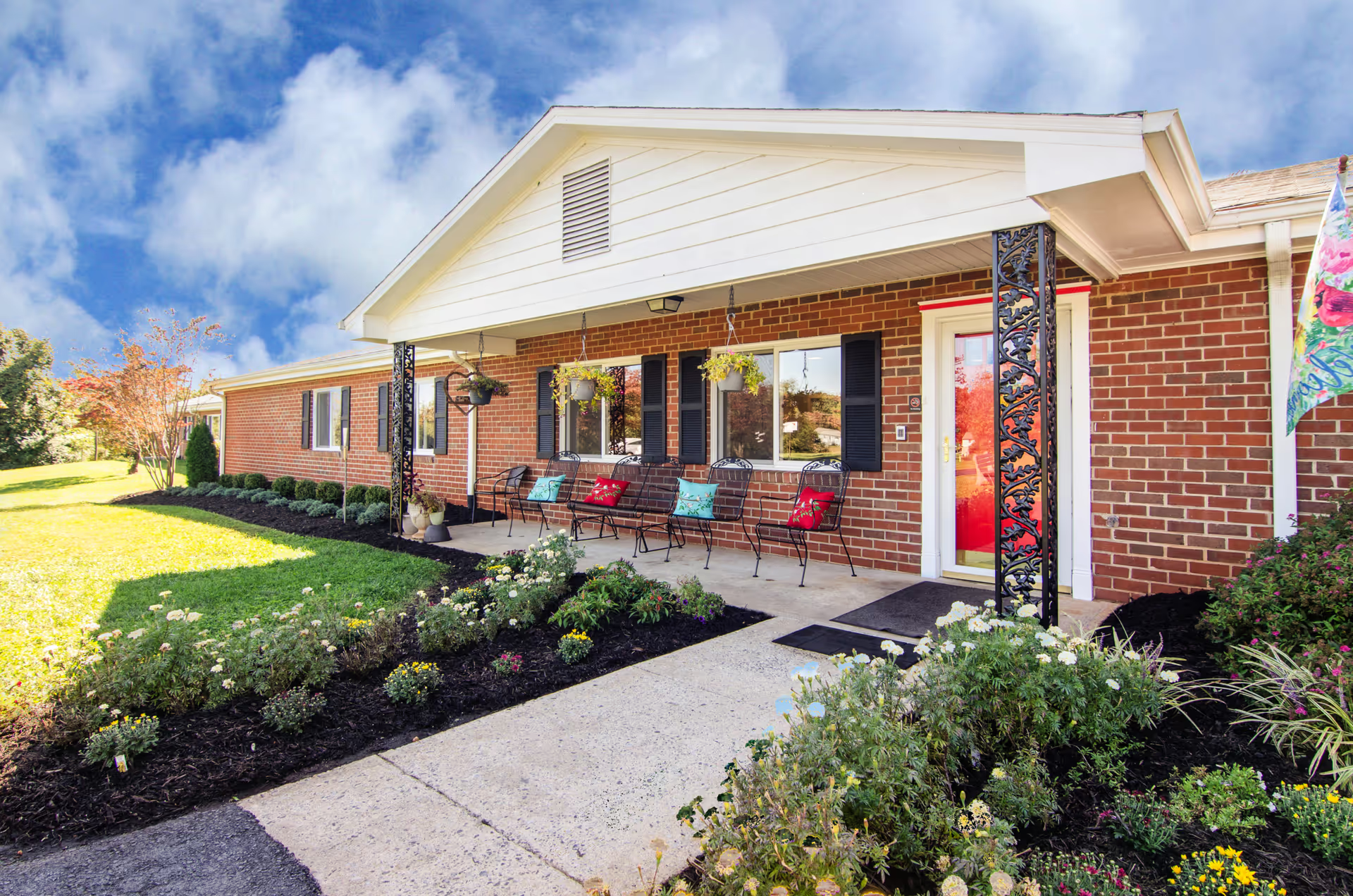
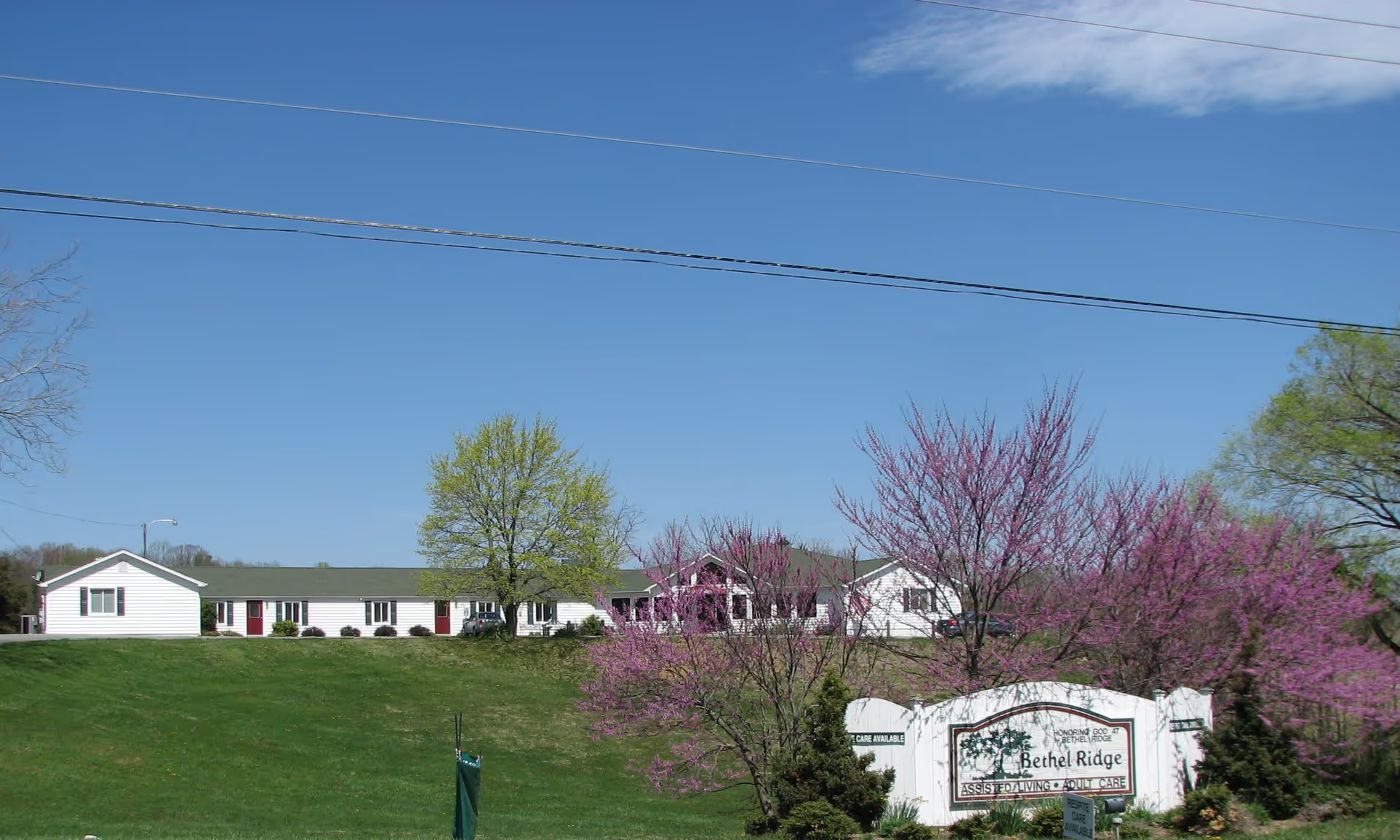
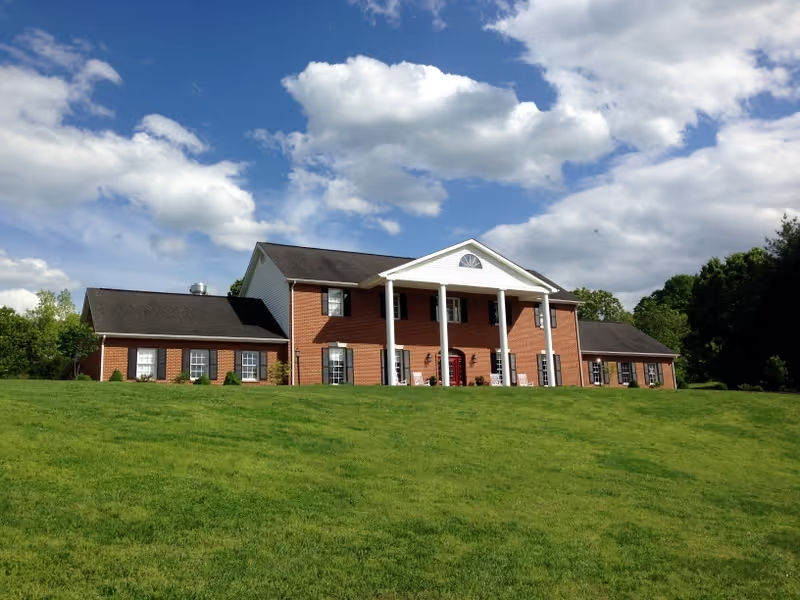
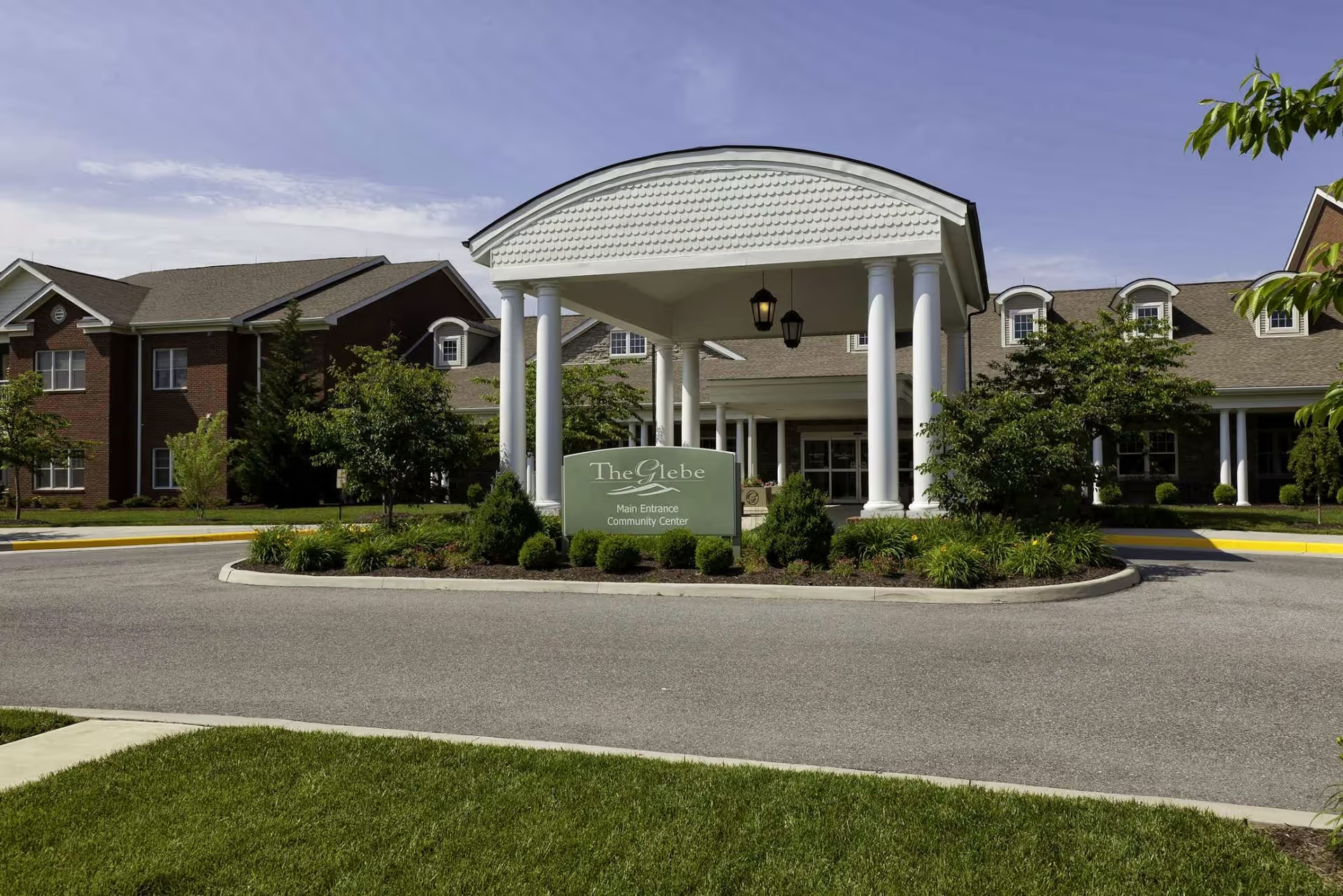
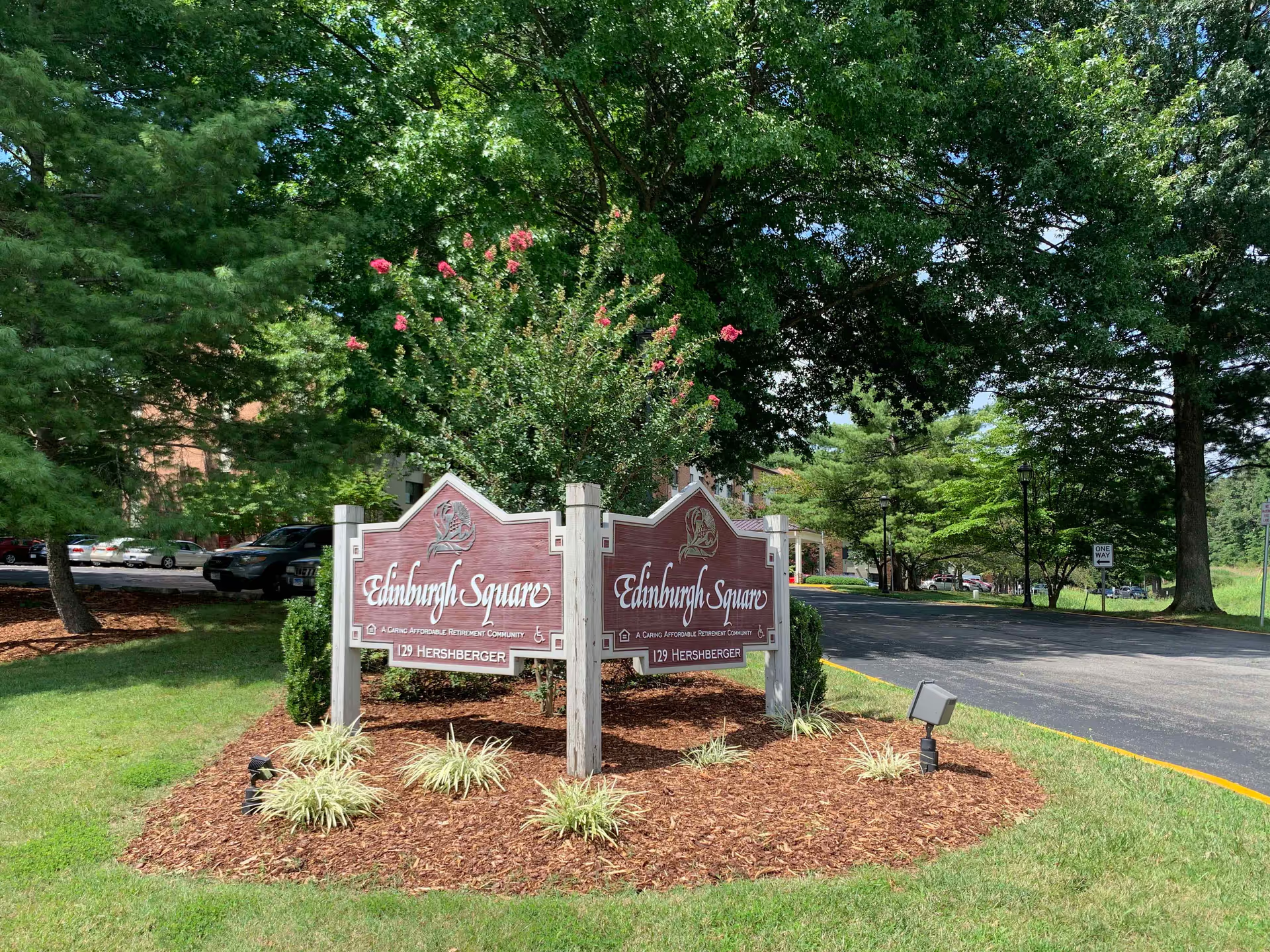
The Summit presents as a well-maintained, campus-style assisted living community with many features that families and residents consistently praise. Strengths routinely mentioned include a clean, home-like environment; private and spacious apartment options; attractive grounds and outdoor spaces; restaurant-style dining with menu choices; and a broad range of social and recreational programming. The organization’s on-site continuum of care and separate rehab/therapy services, together with transportation and spiritual-care offerings, are salient conveniences for residents seeking a single-site solution.
Care quality and staff performance elicit mixed but specific impressions. Numerous accounts describe patient, compassionate caregivers and a team-oriented approach in which staff keep families informed and rally around residents’ needs. At the same time, other accounts indicate variability in clinical follow-through—examples include missed or inconsistent wound care, unclear assignment of nursing responsibility, and delays in attending to call bells. These descriptions suggest variability in clinical processes and responsiveness across shifts or units rather than a uniform standard of practice.
Dining is frequently cited as a positive aspect: many reviewers praise high-quality, tailored meals and restaurant-style service. However, there are also notes of occasional blandness and perceived declines in food quality over time. Reviewers flagged inconsistencies around special-diet implementation (for example, diabetic diet delivery) and overall meal-service continuity. Prospective families should confirm current menus, special-diet protocols, and how dietary changes are documented and communicated.
Activity programming is overall a strength, with creative offerings, off-campus excursions, and a visible activities director and newsletter. The breadth of programming appears uneven by location within the community: some units and floors are very active, while others are described as having limited interaction or few organized events. Visitors should request unit-level activity calendars and examples of recent outings or special events.
Facility amenities and housekeeping are frequently described positively—modern rooms, well-equipped kitchens, routine cleaning, and attractive landscaping are common praises. Nonetheless, a small number of accounts raise sanitation and incontinence-care concerns; these appear as isolated but serious issues and underscore the importance of checking infection-control practices, cleaning schedules, and resident-care protocols during a tour.
Management and administration present a mixed picture. The facility’s not-for-profit governance, lifetime-use and financial-assistance guarantees, and affiliation with larger health systems are strengths for some families. Conversely, other reviewers perceive administrative coldness, contract inconsistencies, and service-quality changes following expansion. These observations point to potential variability in how policies are implemented and how resident or family complaints are handled.
Overall, The Summit offers many attributes attractive to prospective residents—clean, comfortable living spaces; dining and activity programs; transportation and on-site rehab; and a community-oriented atmosphere. However, recorded variability in clinical follow-through, responsiveness, staff conduct, and some operational areas means families should perform due diligence: tour multiple units and common areas, meet nursing and management staff, review current staffing ratios and clinical protocols, ask for recent activity and dining schedules, and obtain contract terms in writing. That approach will help determine whether the facility’s strengths align with a prospective resident’s medical needs and lifestyle expectations.