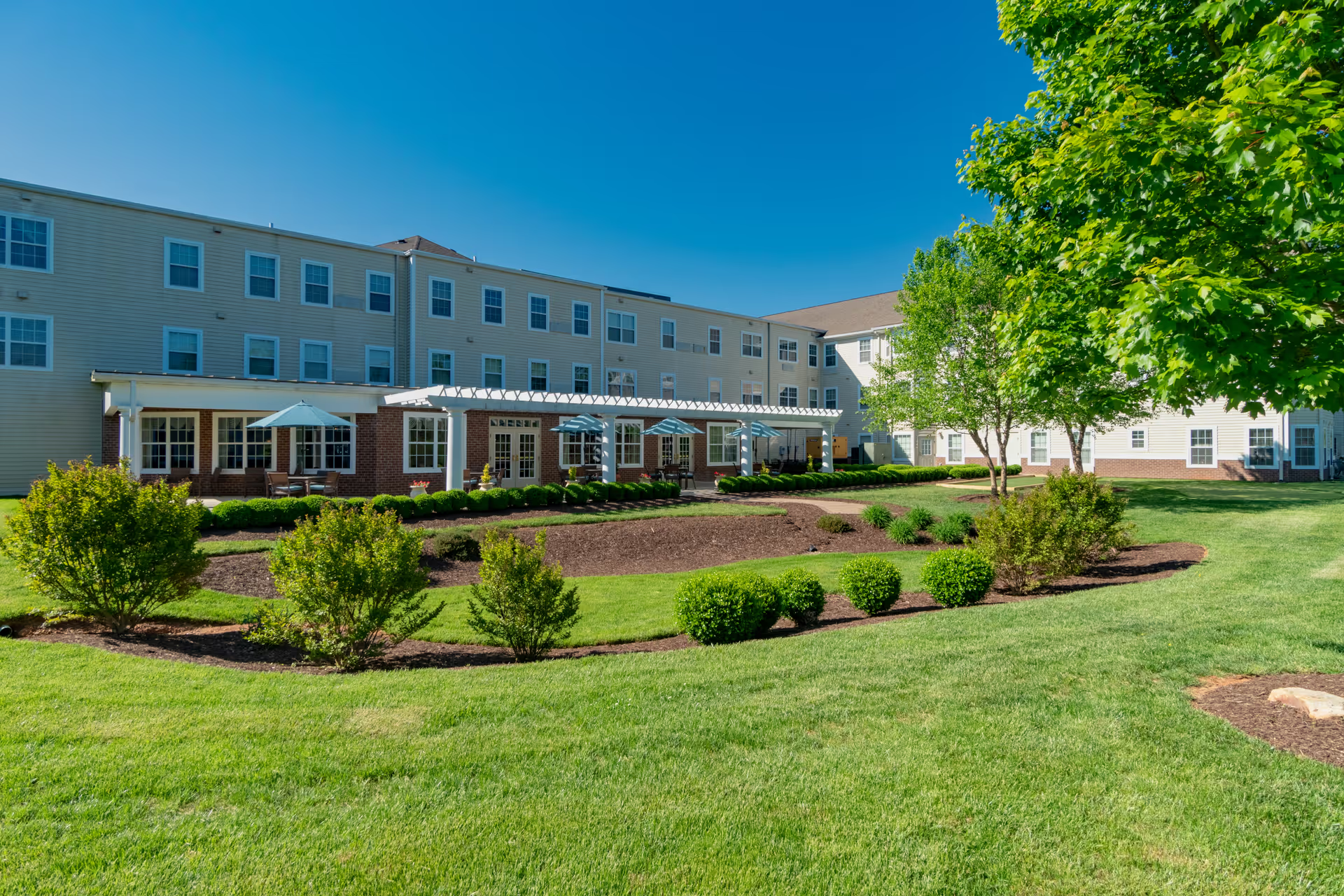
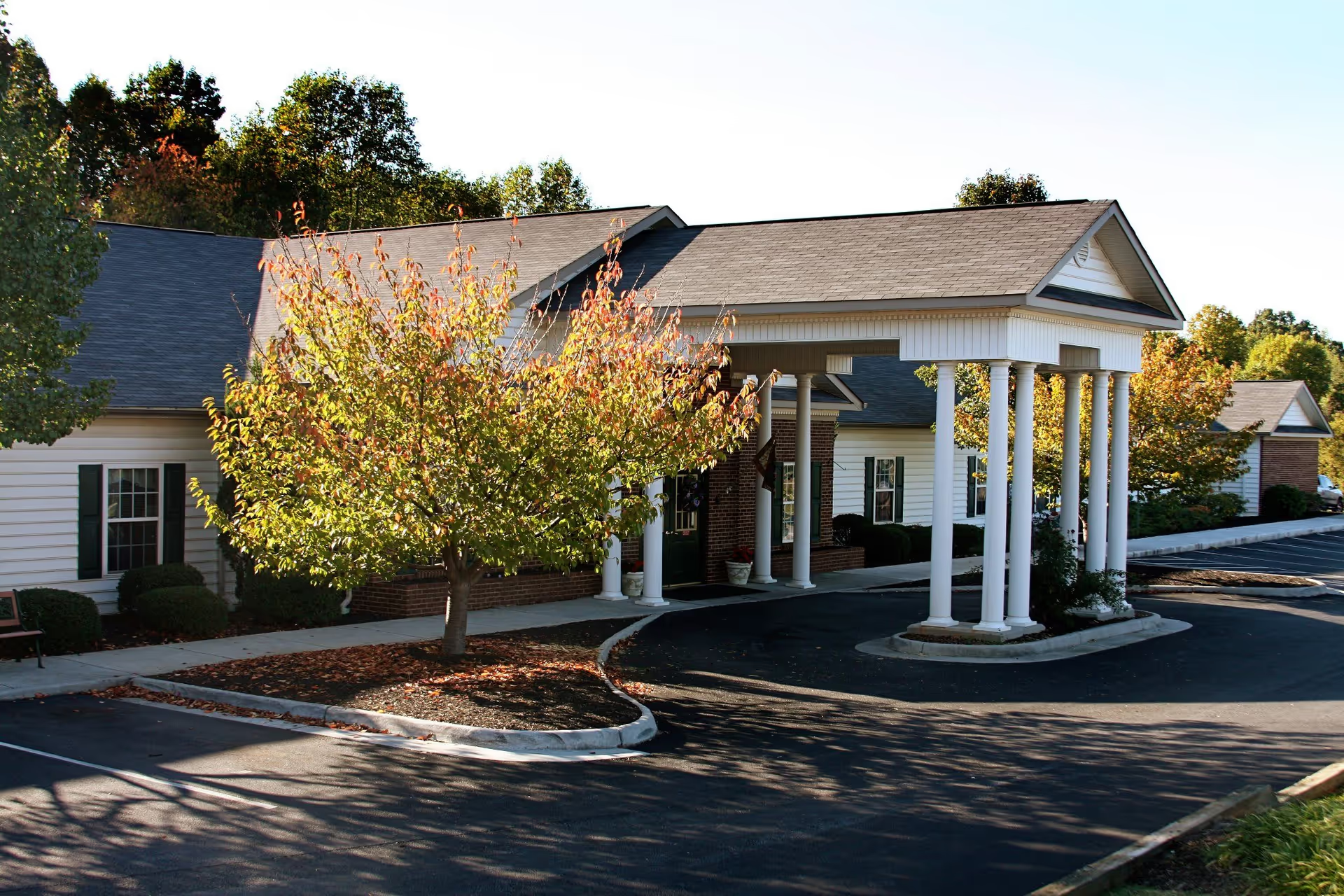
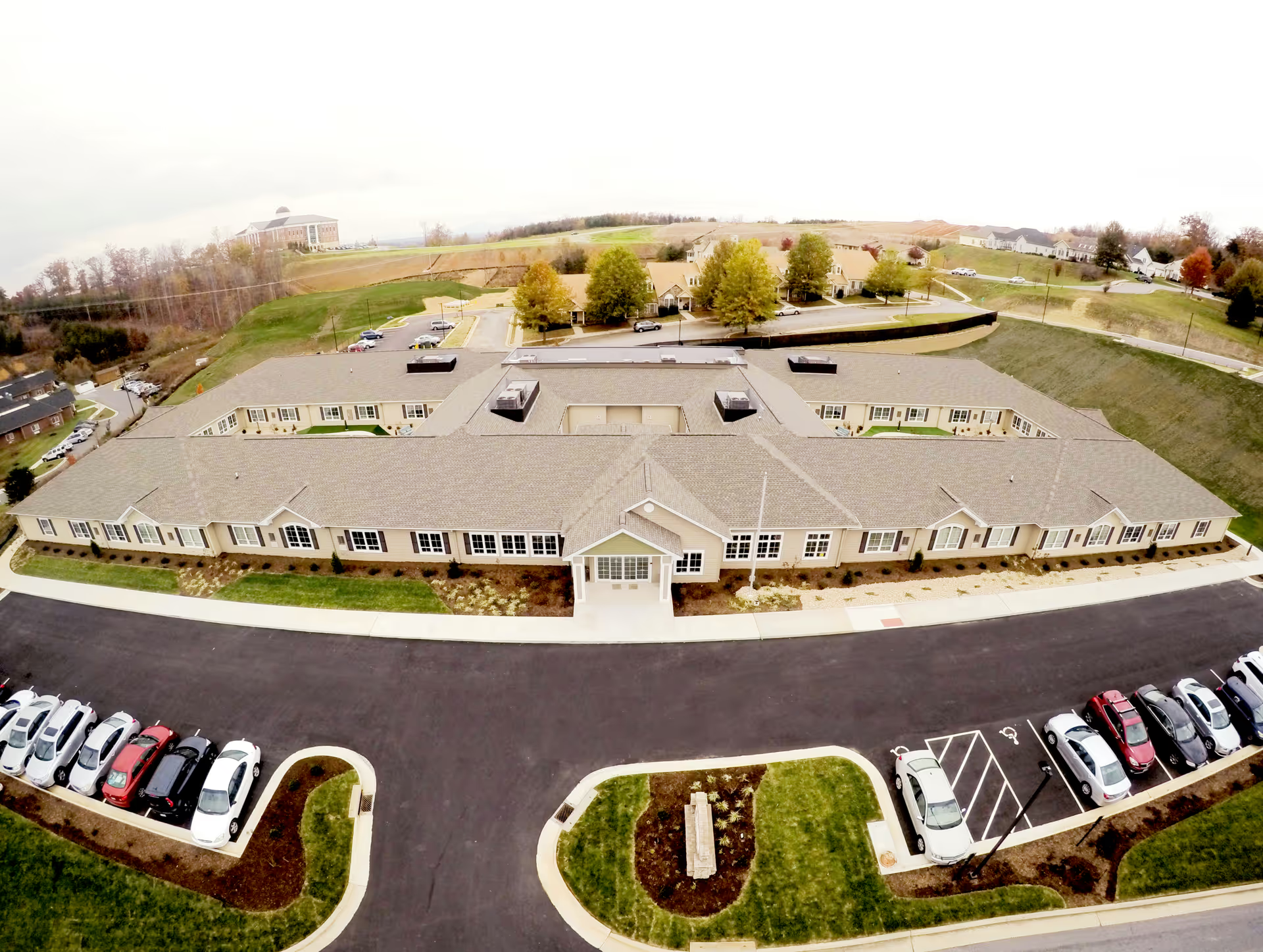
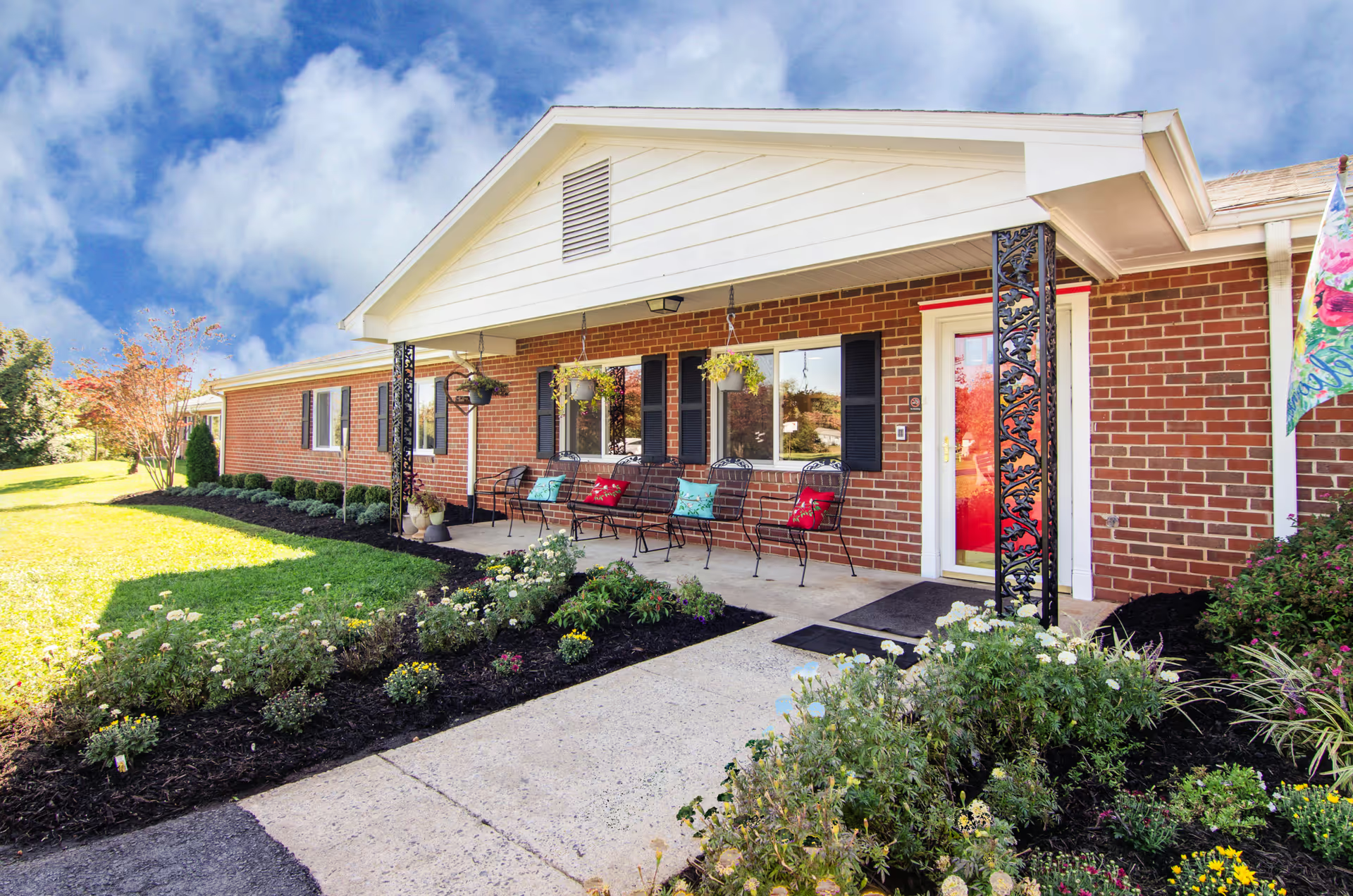
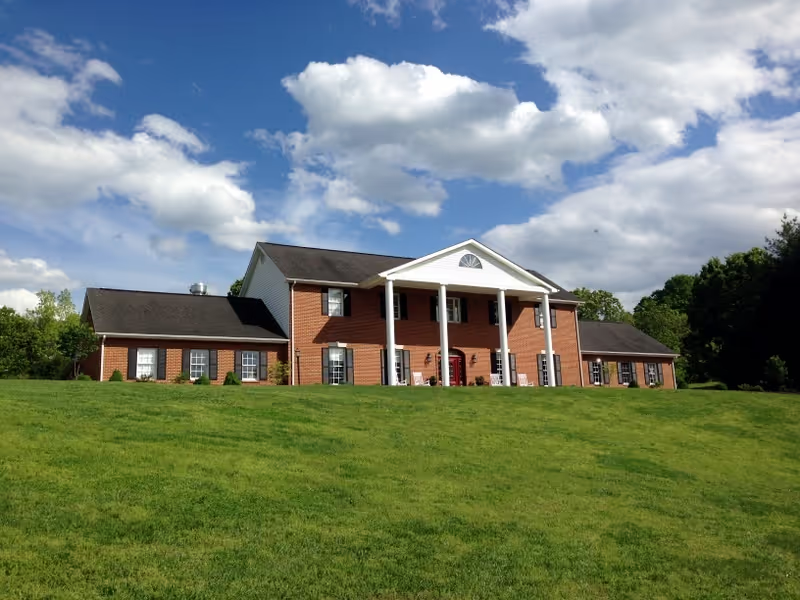
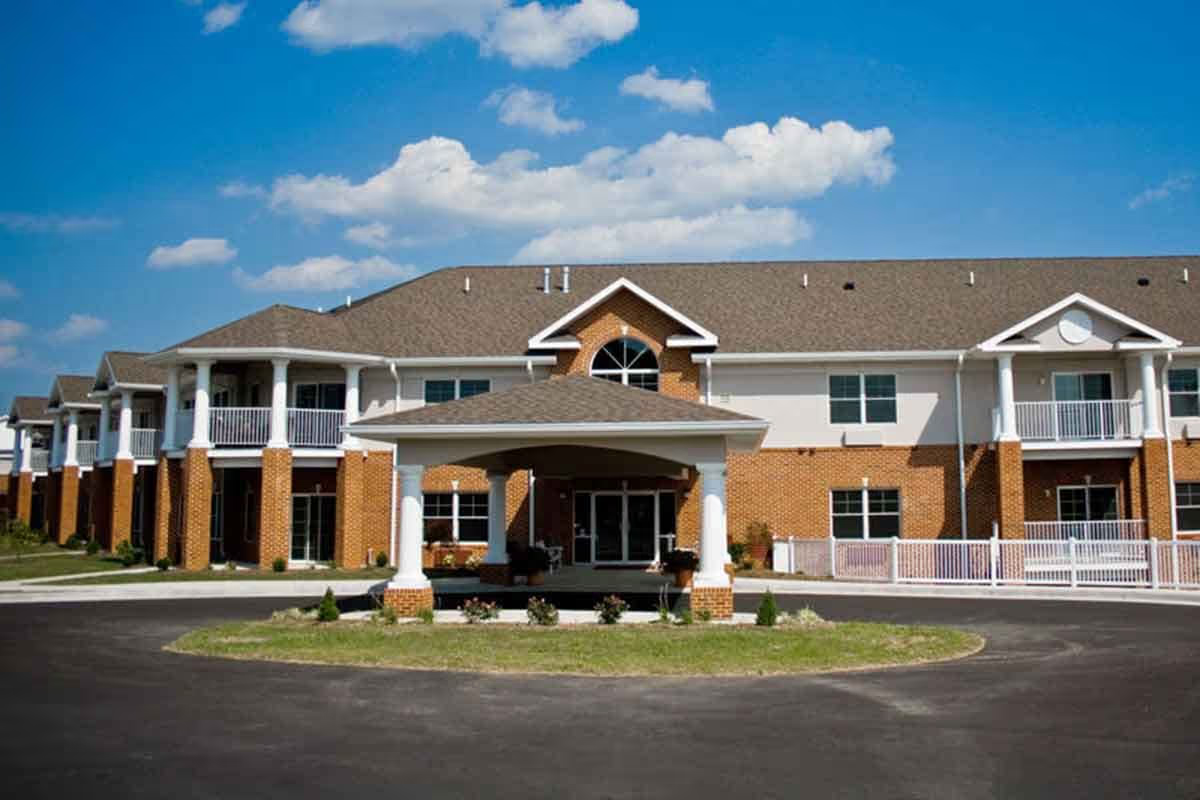
Westminster Canterbury is portrayed across reviews as a well-kept, full-service continuing care community with a generally positive reputation for day-to-day caregiving, amenities, and engagement opportunities. Many reviewers emphasize a campus that is attractive and quiet, with well-appointed apartments and cottages, ample outdoor space, and on-site services such as a pool, beauty salon, and gift shop. The campus model supports a full continuum of care—independent living through memory and medical care—which is an asset for residents seeking long-term stability in one location.
Care quality and staffing receive frequent praise. Reviewers describe caregiving teams as compassionate and long-tenured, with nursing staff and CNAs characterized as competent and attentive. Short-term rehabilitation services are noted as available and useful for transitions after hospitalization. Staff familiarity with residents (remembering names, family-like interactions) and responsive maintenance and assistance are recurring strengths. A small number of comments call out front-desk or reception interactions that could benefit from additional training in customer service.
Dining and activities are prominent positives. The community offers flexible dining (dining room or in-room service), special-event meals, and private dining for celebrations; many reviewers complimented specific menu items and hospitality. At the same time, there are consistent requests for more homemade or “country-style” options and greater menu personalization, indicating variability in how well individual preferences are accommodated. Enrichment offerings are extensive—movies, games, bridge, piano lessons, concerts and special events—supporting an active social environment for residents.
Facilities and operational footprint are viewed favorably, though some perceive parts of the community as compact or clinical in layout, which may feel more medical than residential in certain buildings or floors. The campus is tobacco-free and benefits from continuous upkeep, but availability constraints (full apartments) were noted during tours, signaling potential wait times for specific unit types.
Management and governance present a mixed picture. The organization’s non-profit status and the local Lynchburg presence are seen as positives by many families, and affordability is highlighted by some long-term residents. However, a small number of reviews raise serious concerns about staff accountability, payroll/scheduling practices, and transparency around incidents. These comments suggest potential gaps in incident response, documentation, and family communication rather than a pervasive operational failure. Prospective residents and families should ask direct questions about staffing schedules, turnover, incident-reporting procedures, menu flexibility, and visitation/communication policies during a visit.
Overall, Westminster Canterbury appears to deliver reliable clinical and social support within a well-maintained campus and an engaged community. The dominant patterns are strong caregiving relationships, robust activities, and good facilities; areas to probe further during a tour include dining personalization, reception service consistency, unit availability, and the facility’s approach to staffing accountability and family communication.