Overall impressions are mixed, with clear strengths in interpersonal care and some operational weaknesses that prospective families should evaluate during a visit. Reviewers emphasize a staff culture that is compassionate and person-focused; families describe management as accessible and supportive in difficult moments, and the facility conveys a small, homelike atmosphere that many residents find comforting and conducive to restful sleep. End-of-life care and bereavement support are consistently noted as a positive aspect of the program.
Care quality and staffing appear to be strong in terms of compassion and individualized attention, but there are concerns about consistency in clinical and safety practices. While staff are described as caring and responsive in many accounts, other feedback highlights gaps in adherence to safety protocols and in protections for resident rights. The facility has shown willingness to admit residents with behavioral needs, which indicates flexibility; however, families should clarify staffing levels, supervision, and specific clinical oversight practices for residents with higher-acuity or behavioral needs.
Dining is described as basic; the menu and food quality do not seem to be a standout feature. Prospective residents who prioritize varied or high-quality meal service should plan to taste sample meals or ask about menu rotation, therapeutic diets, and kitchen staffing. There is little information about recreational programming and activities in the available summaries, so families should request activity schedules and examples of engagement opportunities during a tour.
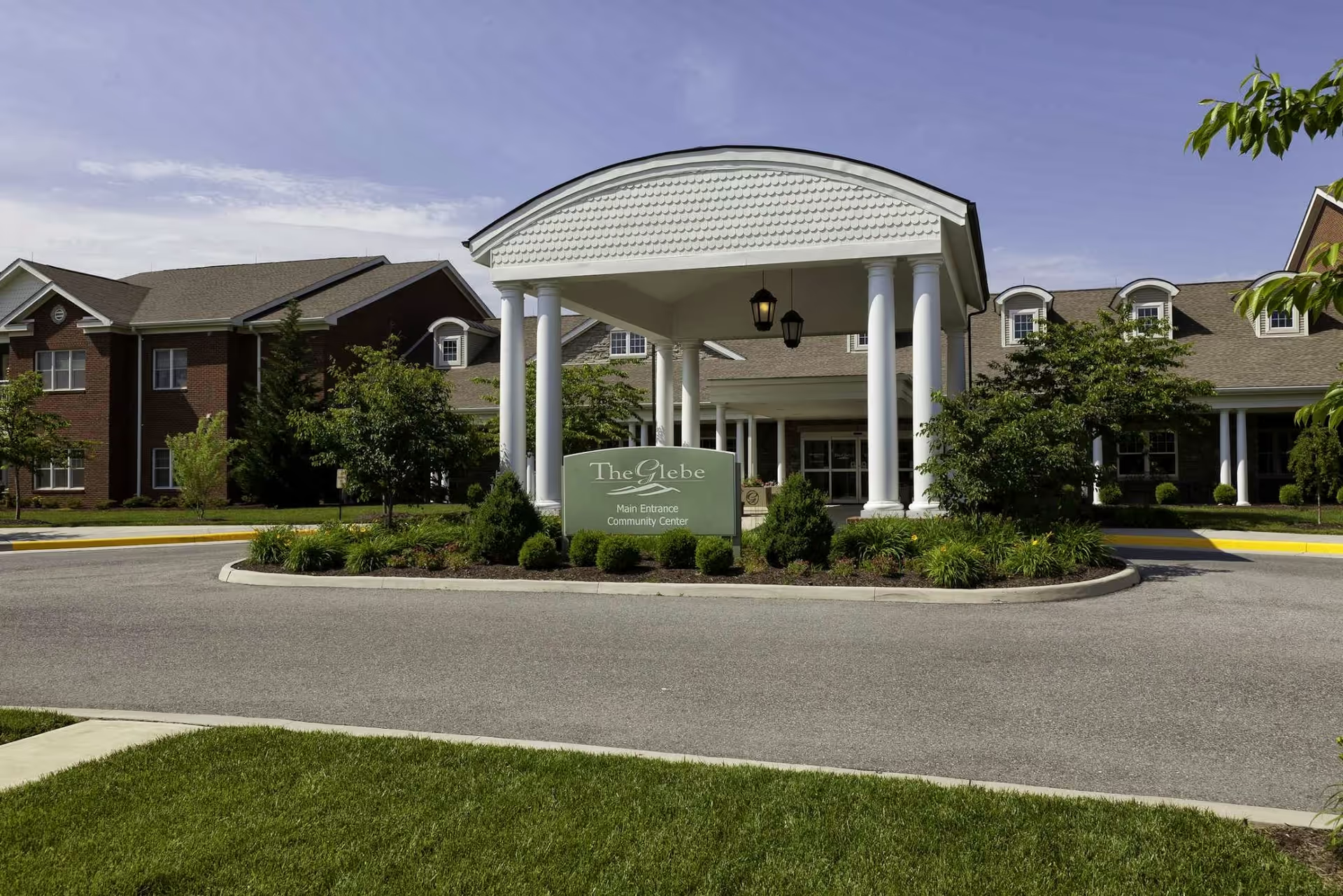
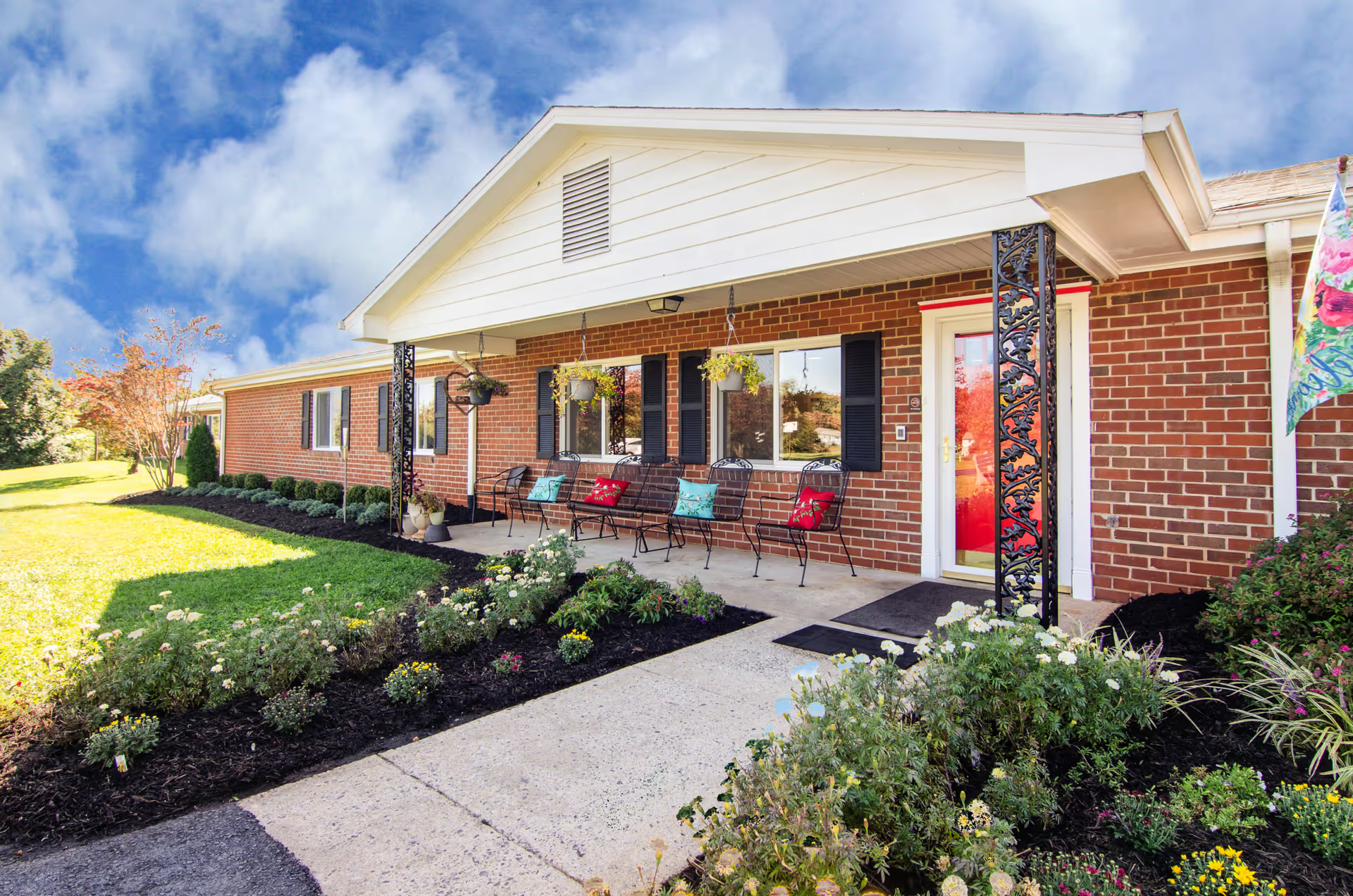
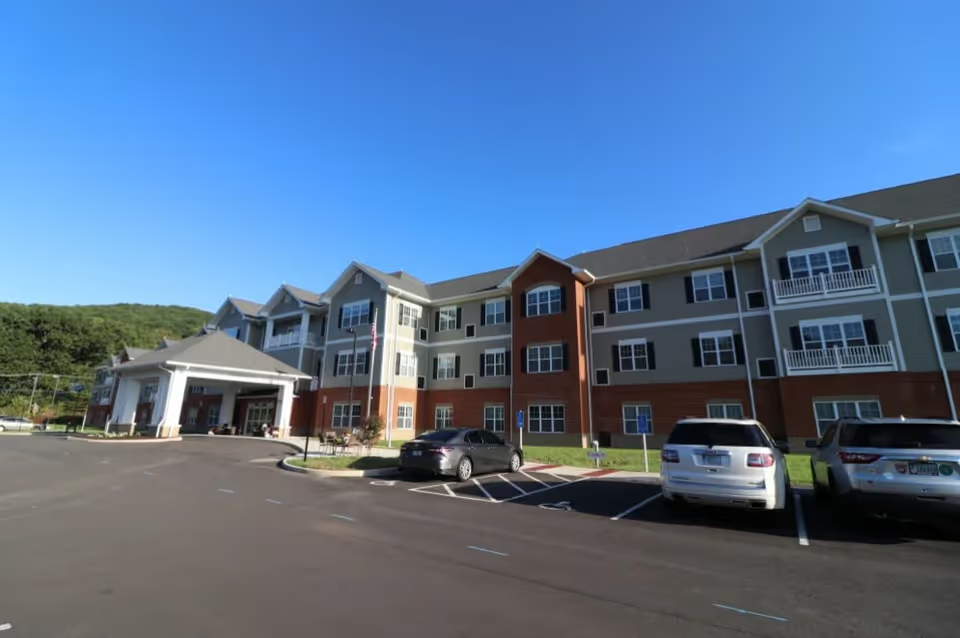
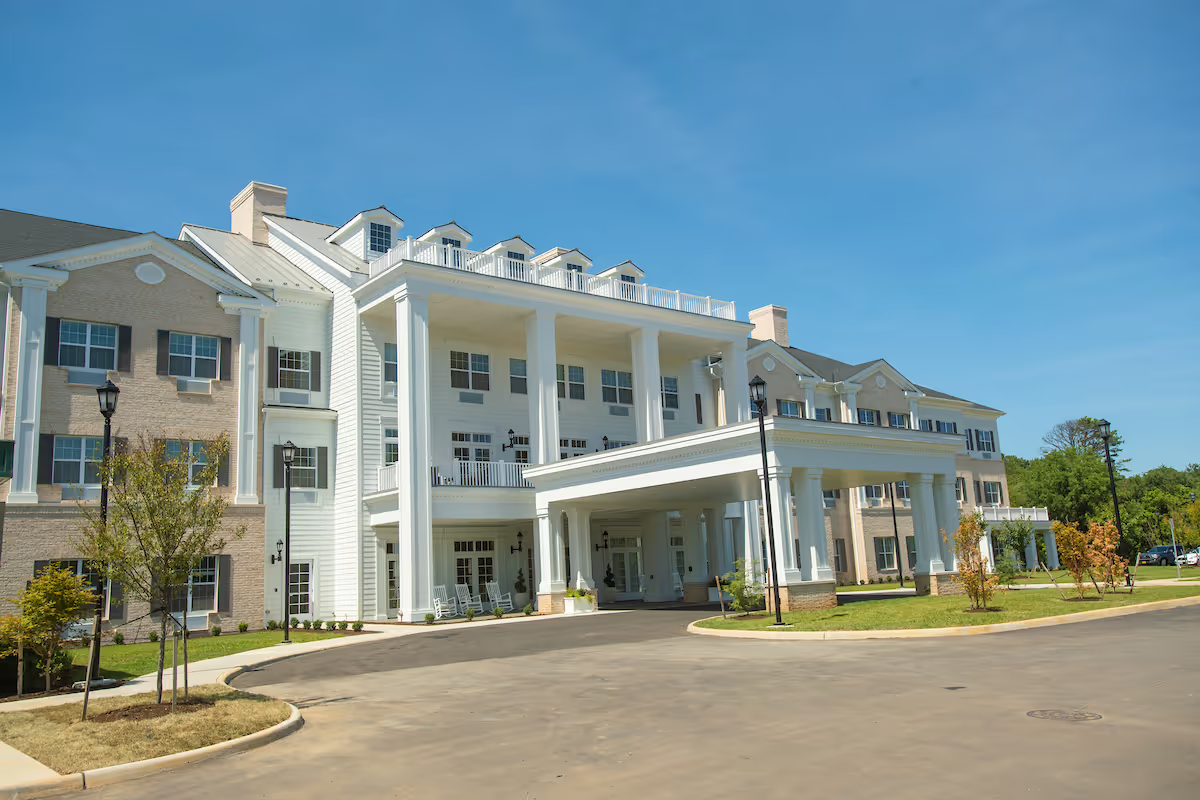
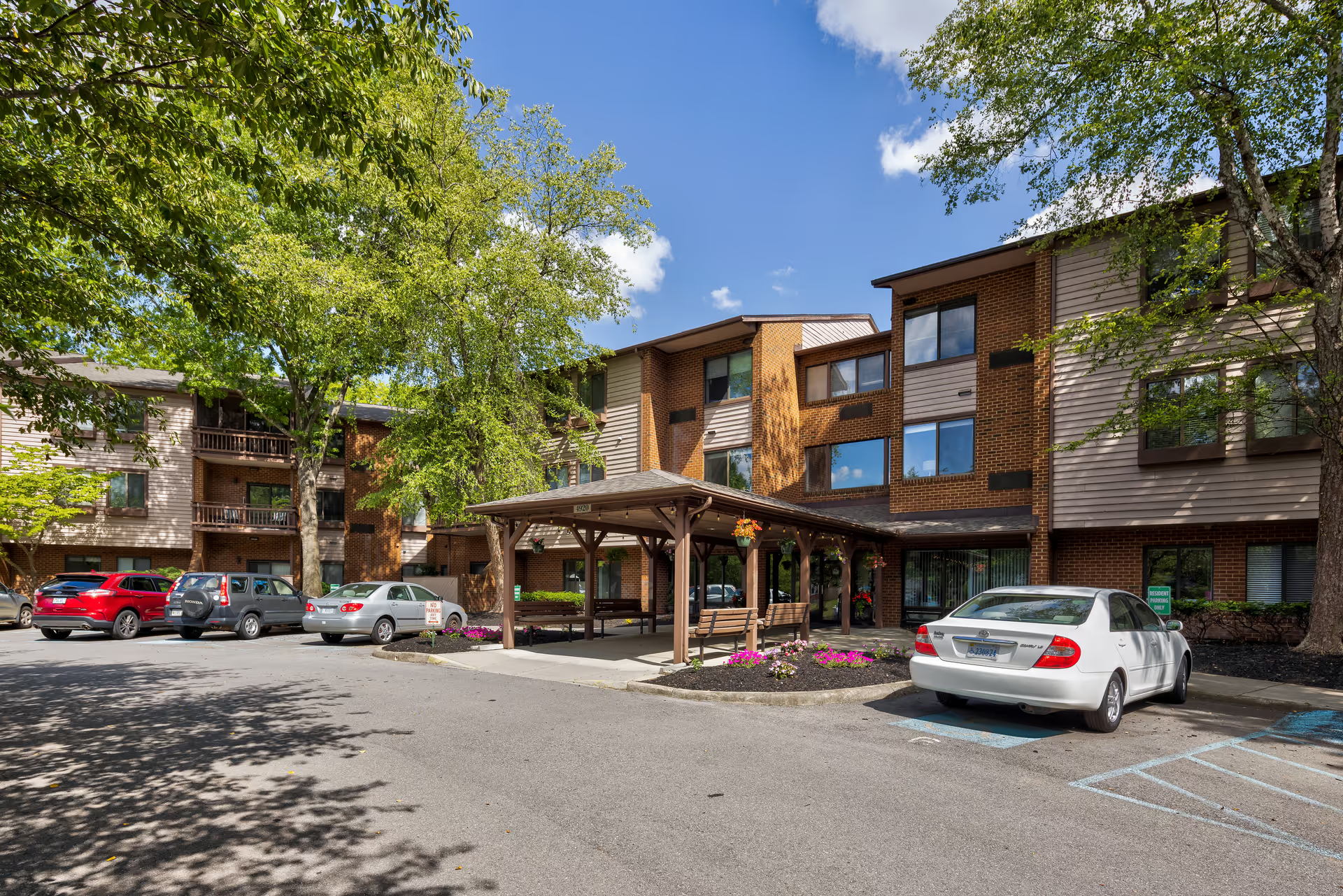
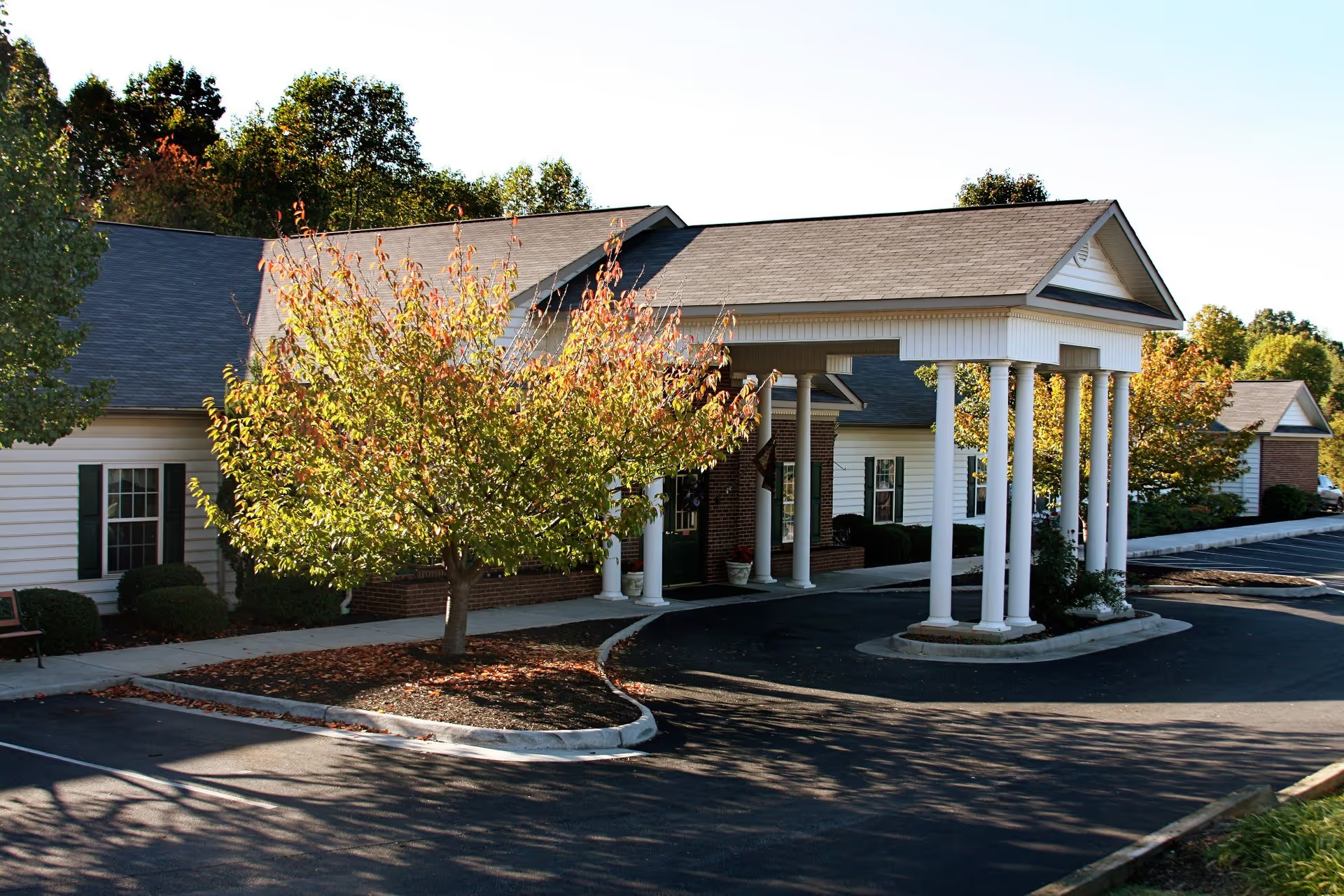
The building is characterized as small and dated but generally clean. The physical plant may have limited modern amenities, so an on-site inspection is advisable to evaluate room size, bathroom accessibility, and common-area condition. More importantly, infection-control practices and day-to-day safety procedures were a recurring concern: examples include inconsistent use of personal protective equipment, limited physical distancing in staff interactions, and staff congregating in patient areas. These indicate systemic gaps in policy enforcement rather than isolated interpersonal issues.
Management is viewed positively on an individual level for its compassion and accessibility, yet there appears to be uneven enforcement of facility-wide policies (particularly around infection control and resident-rights safeguards). That combination suggests a caring culture that may benefit from stronger operational oversight and clearer procedural consistency.
Recommendation: prospective residents and families should weigh the facility’s strong interpersonal care and end-of-life support against operational concerns such as dining quality, the age of the building, and infection-control and safety-policy enforcement. During a visit, ask for written policies on infection control and resident rights, review staffing ratios and supervision for higher-acuity or behaviorally complex residents, sample the menu, and observe staff workflow in common areas to confirm whether daily practice aligns with your expectations.