Overall impression: Birch Gardens is described primarily as a small, home-like assisted living with a strong emphasis on compassionate, personal caregiving. Many families highlight warm staff interactions, a family atmosphere, and staff willingness to assist with daily activities. The facility offers 24-hour assistance and some on-site clinical services, which contributes to a sense of safety and continuous care for many residents.
Care and clinical services: Reviewers commonly praised hands-on care such as help with bathing, dressing, grooming, wound management, and diabetes monitoring. A wound-care specialist and clinical monitoring for chronic conditions were noted as strengths. At the same time, a subset of comments raises concerns about variability in clinical staffing, the use of temporary/agency personnel, and inconsistencies in medication administration and clinical oversight. Prospective families should verify staffing models, medication protocols, and the facility’s approach to clinical supervision.
Staff and management: Staff are frequently described as attentive, compassionate, and personable; several reviews single out individual aides for positive attention. However, there are recurring operational concerns about administrative presence—instances where leadership availability was limited—and variability in staff qualifications or training. These patterns translate into uneven experiences for some families, so asking about leadership coverage, staff credentials, and staff turnover during a tour is advisable.
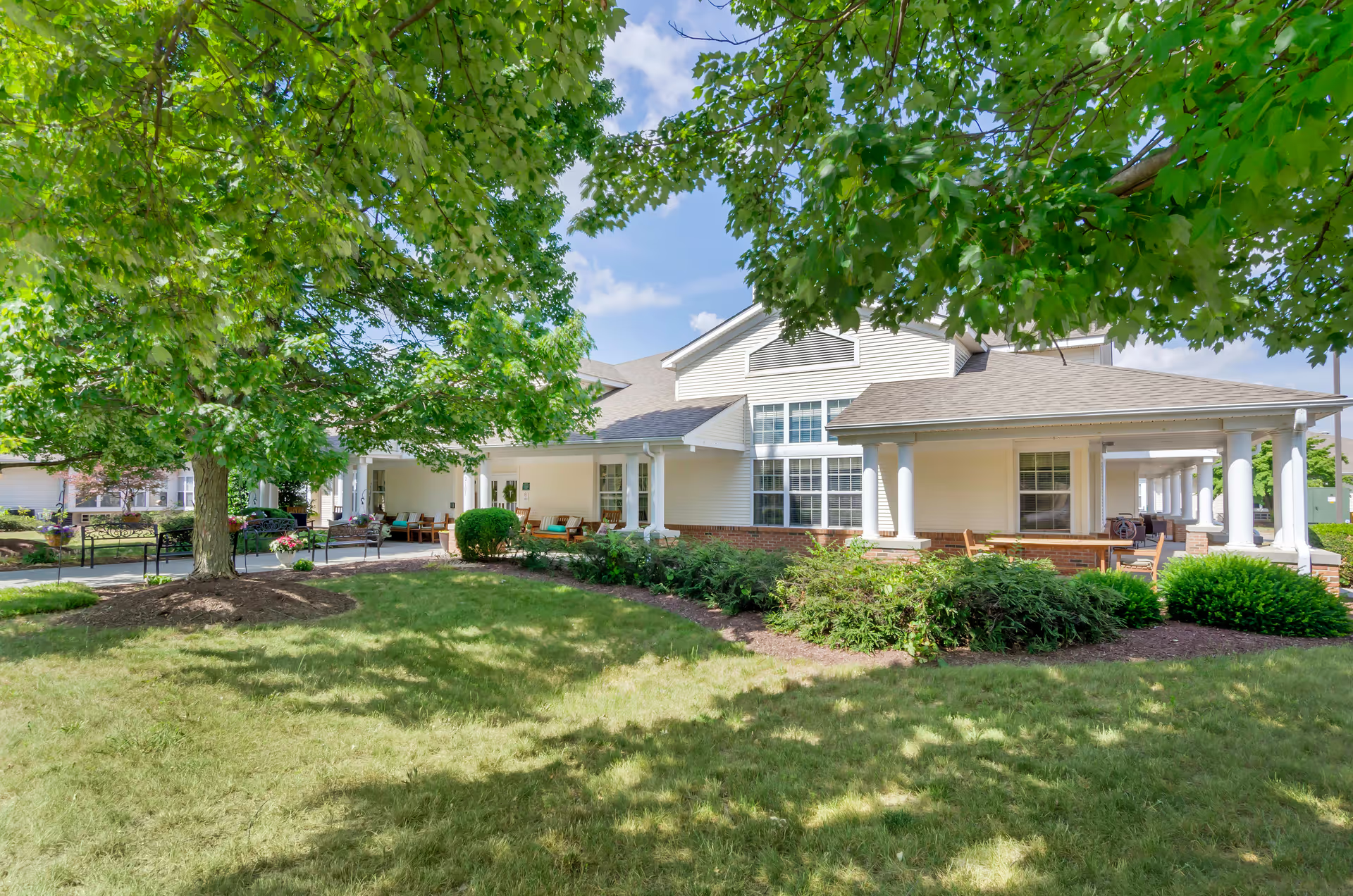
Dining and activities: Dining is consistently mentioned as a positive attribute: home-cooked meals served in a large, sunny dining room and pleasant social dining spaces. The facility also provides an activity room used for crafts, games, and religious services, plus outdoor spaces and raised beds that support gardening and social use. While activity facilities exist and are well equipped, some reviewers recommended checking the activity calendar and understanding the rationale behind programming to ensure it matches a prospective resident’s interests and cognitive needs.
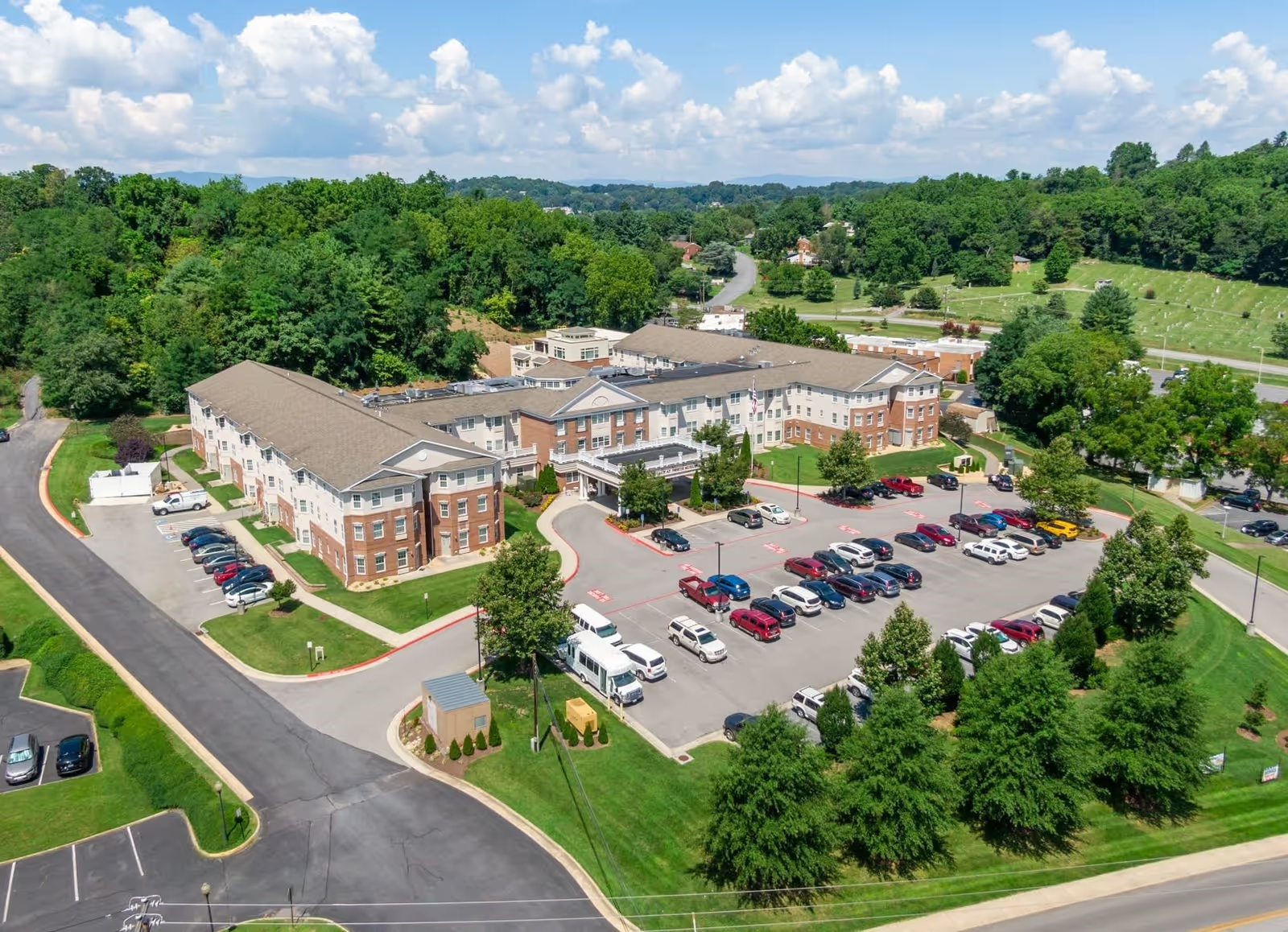
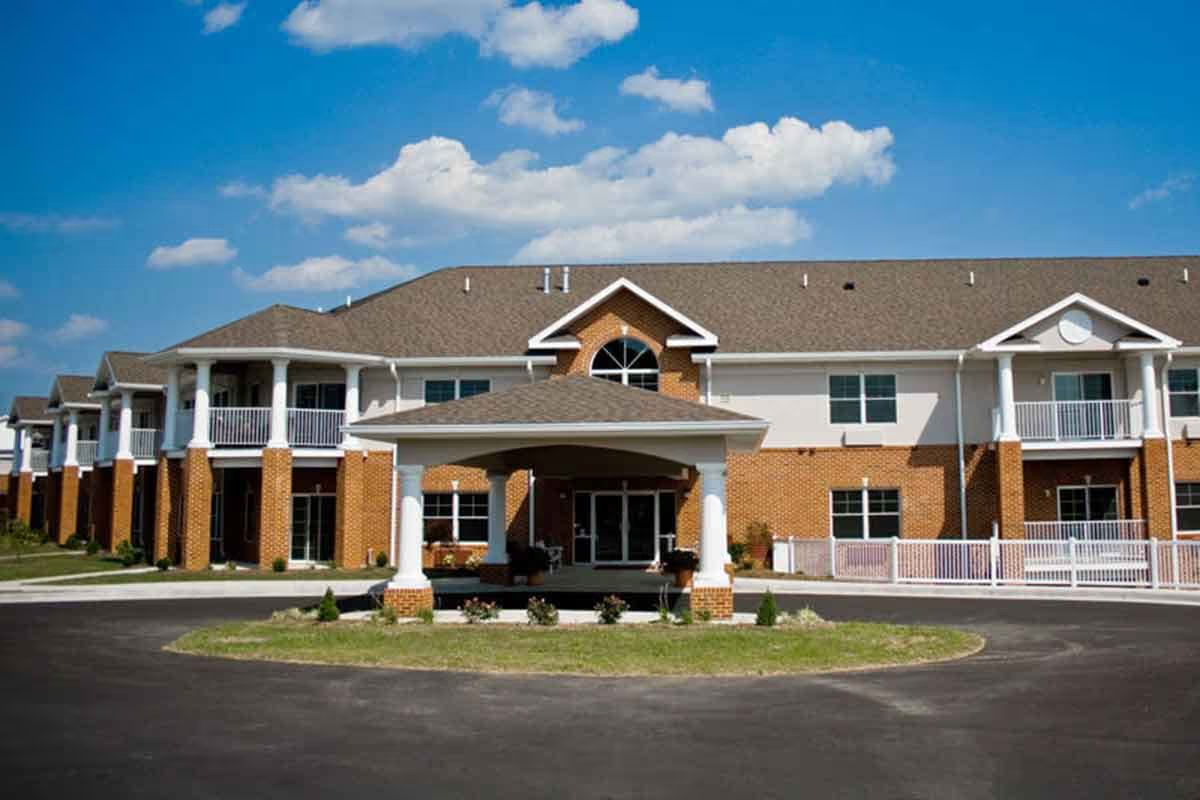
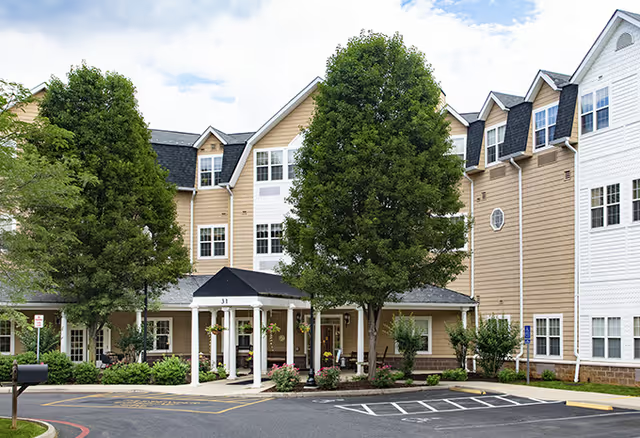
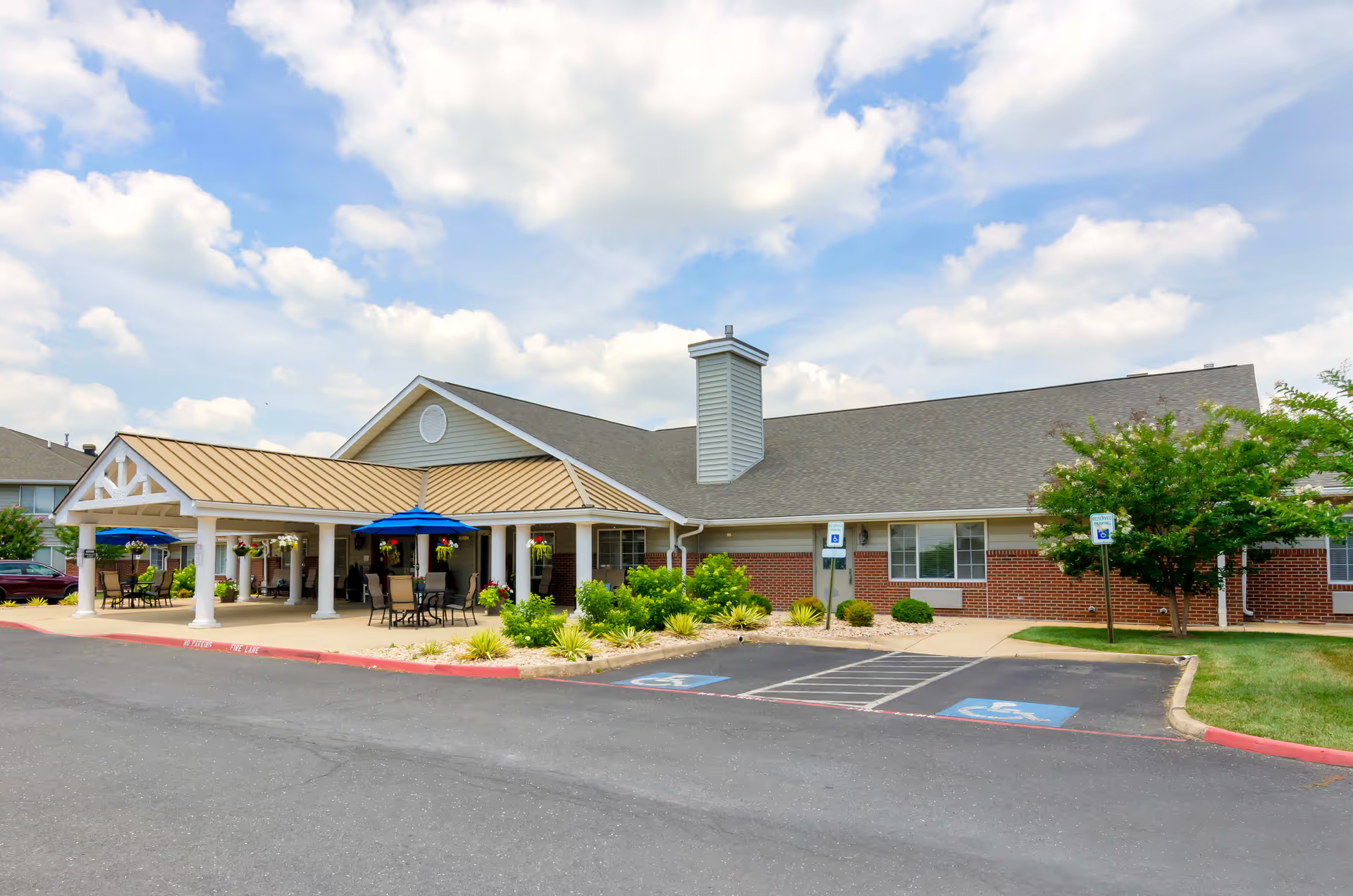
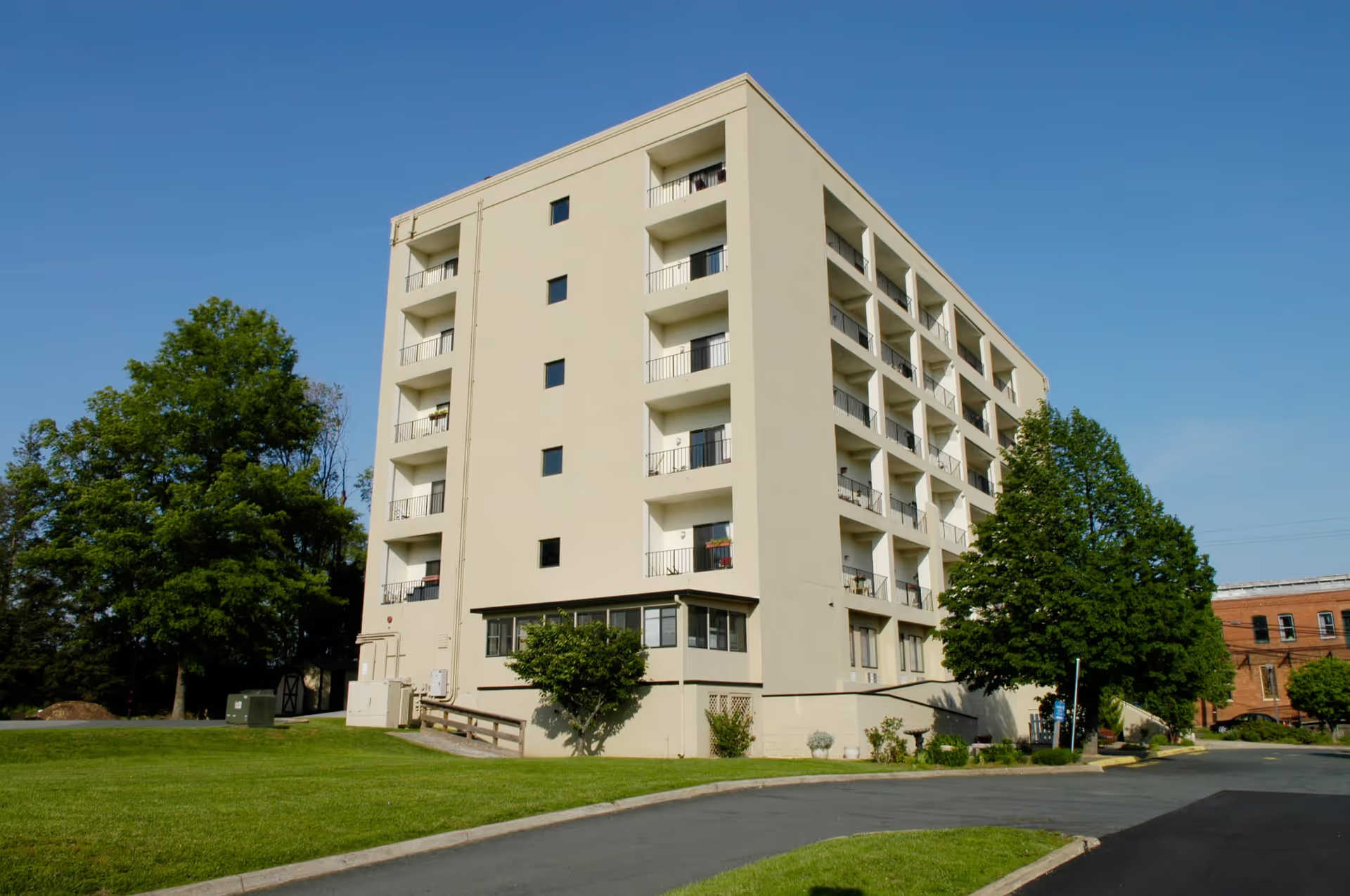
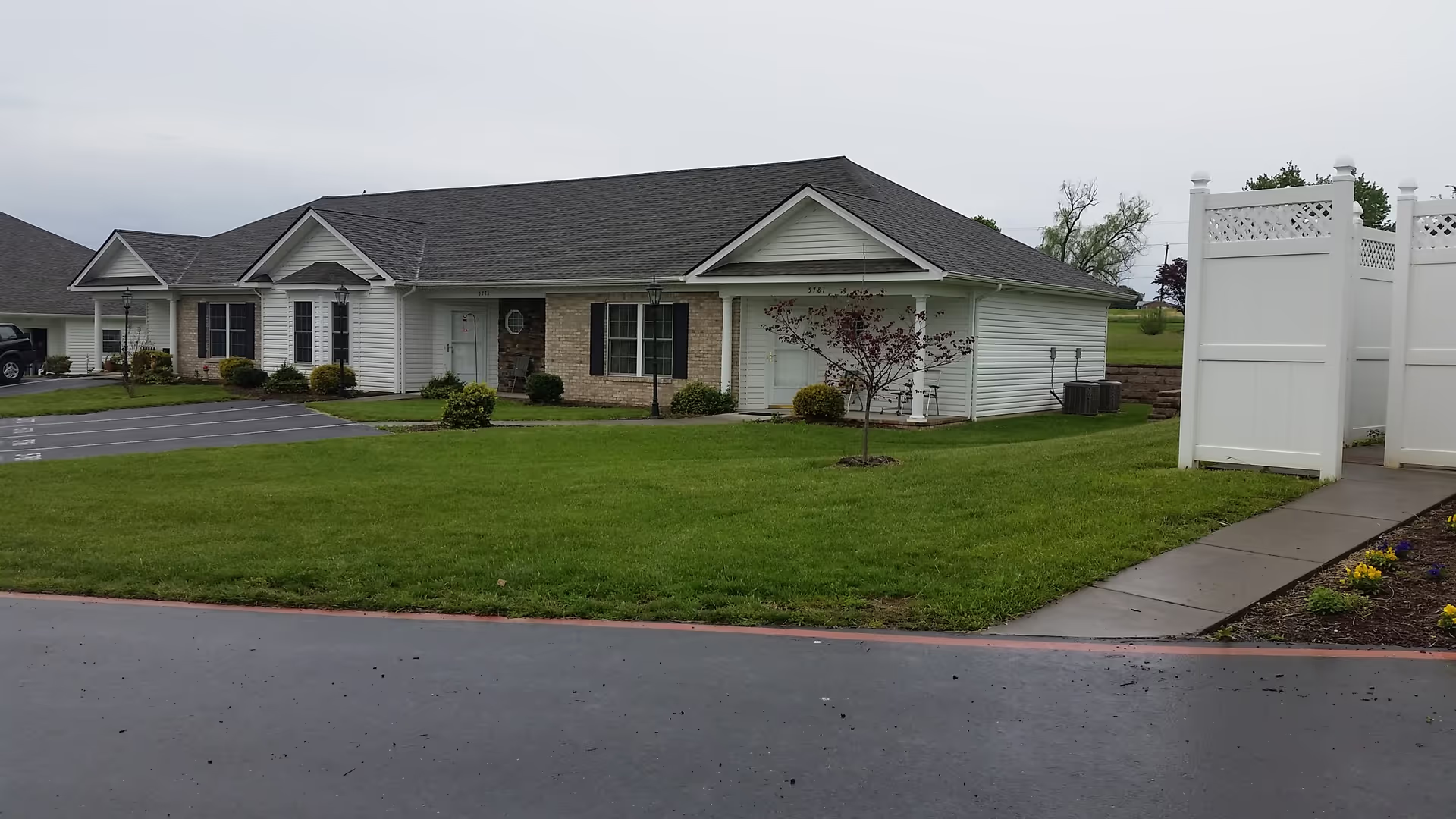
Facilities and environment: The building is described as an attractive, well-kept older residence with spacious, bright rooms and bathrooms designed to accommodate varying mobility levels. Common areas receive positive comments for sunlight and seating options, and the grounds and garden are seen as pleasant outdoor amenities. Housekeeping and general maintenance are repeatedly noted as strengths.
Notable patterns and recommendations: The dominant pattern is positive—compassionate staff, homelike atmosphere, good food, and clean, accessible spaces. Counterbalancing this are systemic concerns about administrative consistency, suitability for residents with dementia or significant cognitive impairment, and variability in clinical staffing and medication handling. Prospective residents and families should (1) ask specifically about dementia-care policies and whether the facility accepts residents with progressive cognitive impairment, (2) review staffing schedules and clinical oversight (including use of agency staff), (3) inspect the activity calendar and programming rationale, and (4) clarify move-in logistics and administrative points of contact to reduce the chance of coordination problems. These steps will help determine whether the facility’s strengths align with an individual resident’s care needs and expectations.