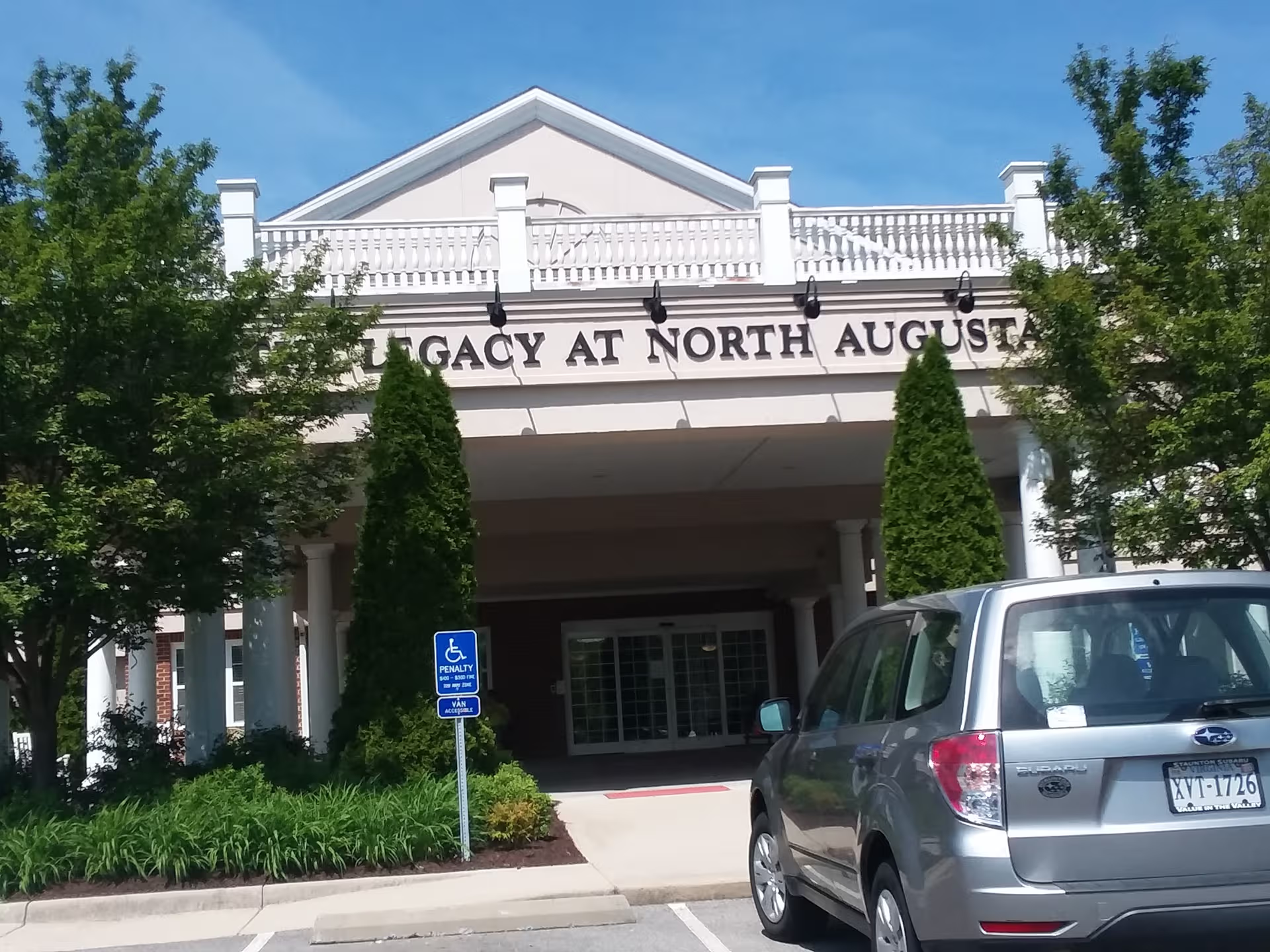
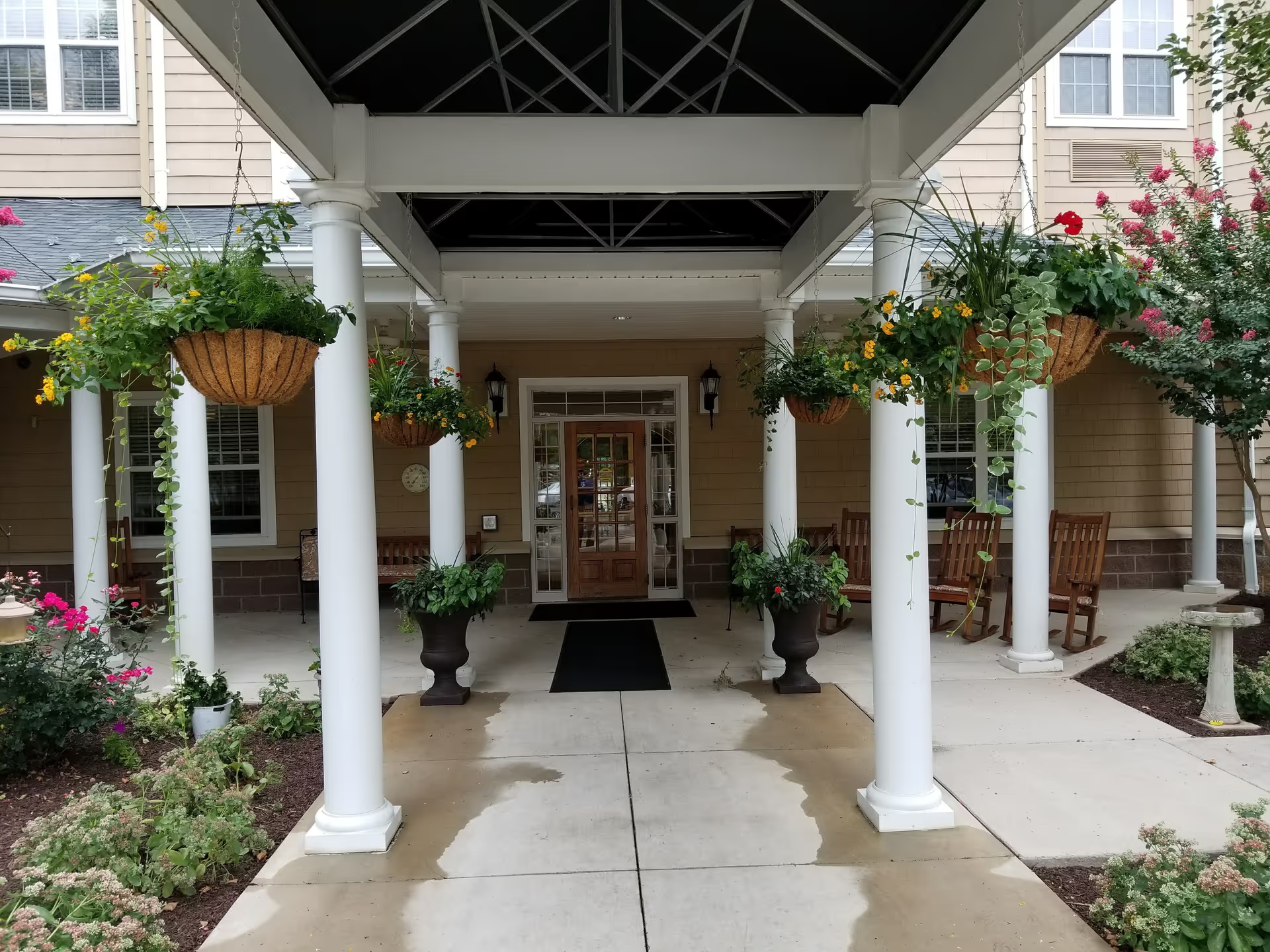
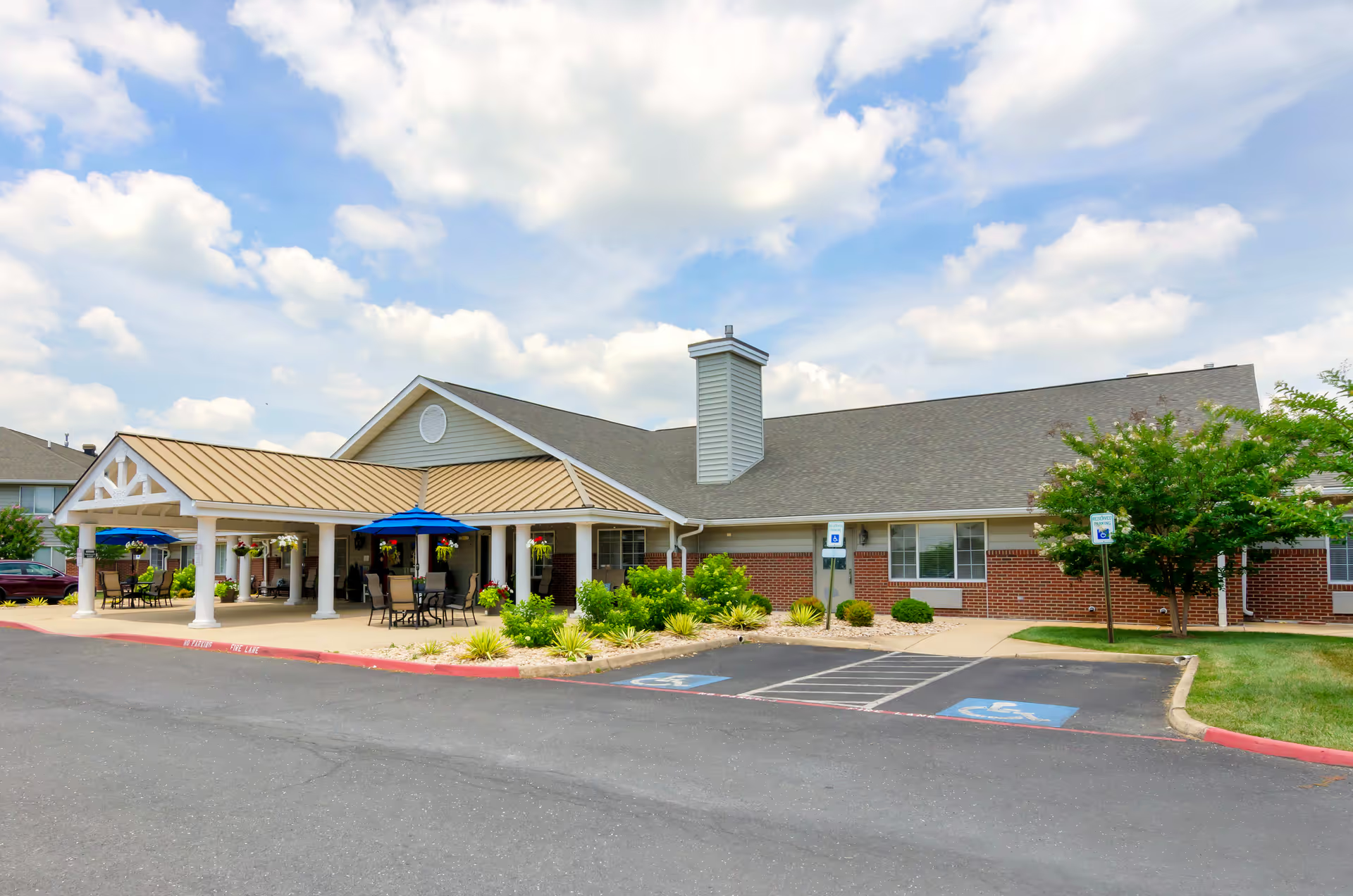
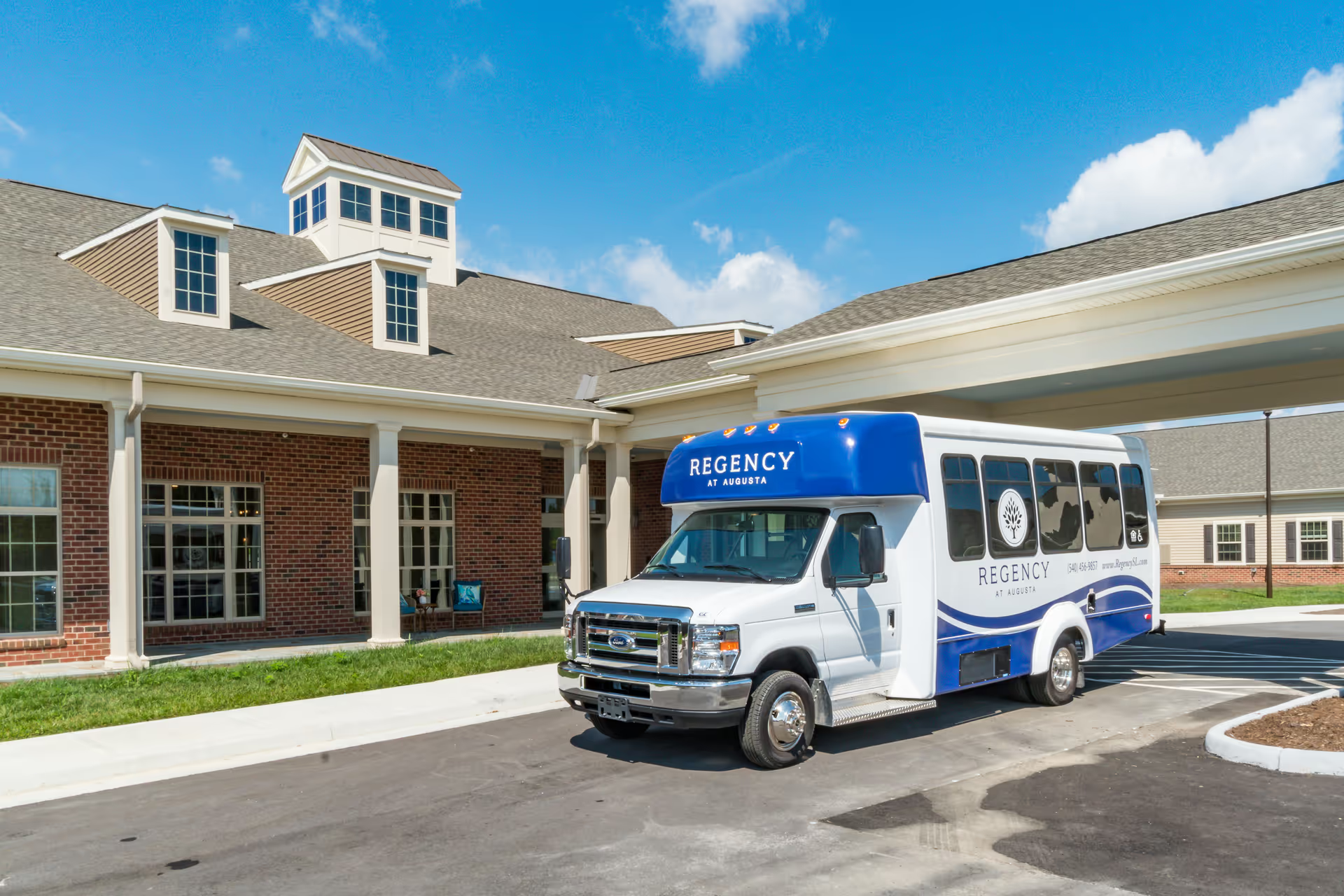
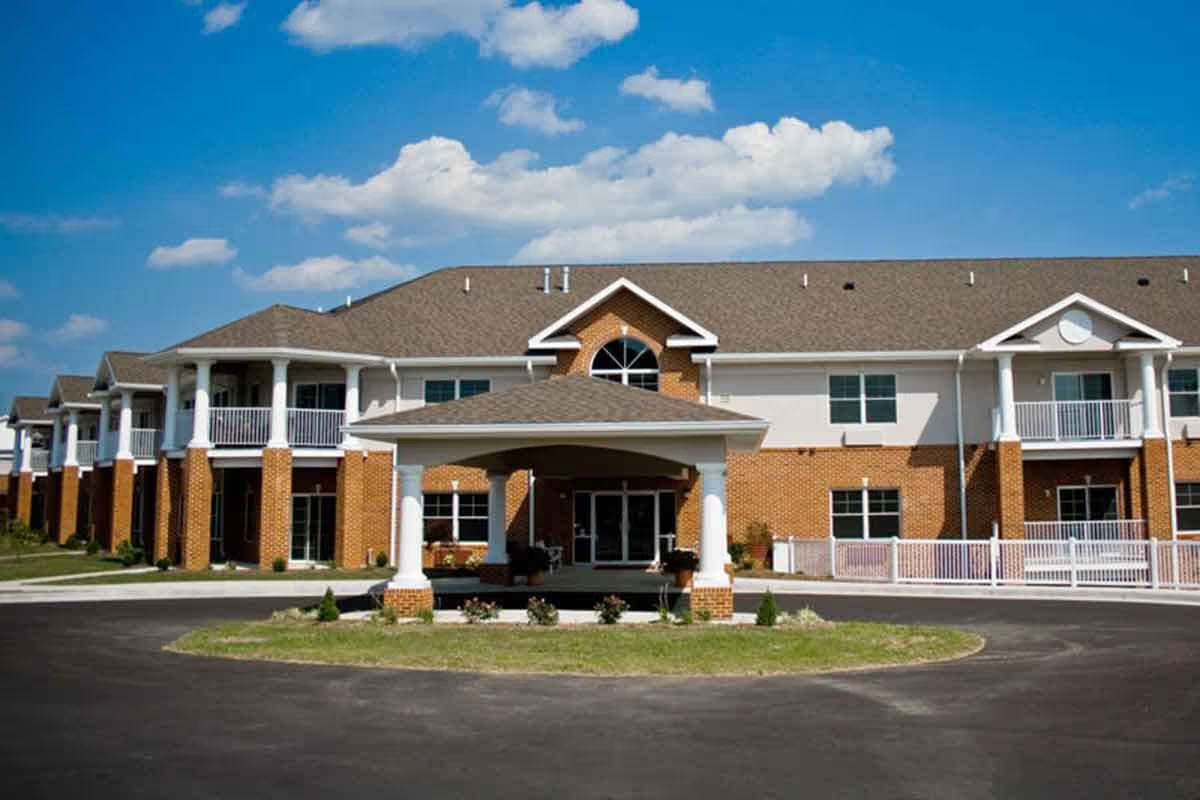
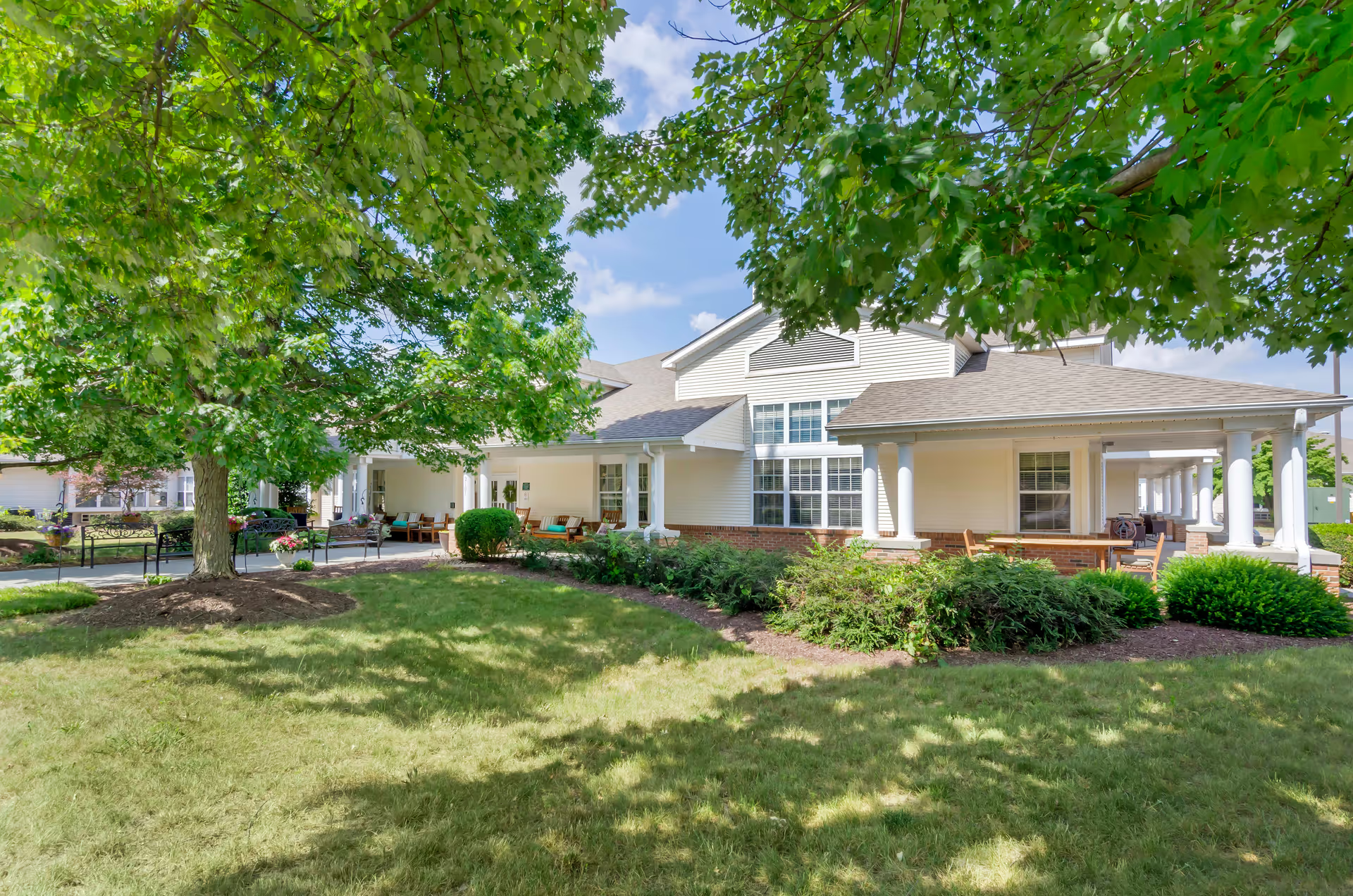
Overall impression: Reviews describe a facility with clear strengths in caregiving relationships and rehabilitation services alongside recurring operational weaknesses. Many families praised warm, attentive staff, strong nursing and therapy teams, and an inviting, home-like atmosphere. The facility is undergoing visible renovation and modernization, and several accounts highlight improved morale and service under recent leadership changes.
Care and clinical coordination: Clinical care and therapy are frequently highlighted as a strength — effective rehab, engaged therapists, and supportive nursing staff are common positive notes. Simultaneously, there are repeated accounts of inconsistent responsiveness (particularly overnight), missed or poorly coordinated medication events, and variable end-of-life preparedness and hospice coordination. A few accounts described an alleged theft and problematic discharge handling around a resident's end-of-life, which underscores broader concerns about incident accountability and family communication.
Staff and management: Staff are widely described as compassionate, creative in activities, and committed to resident dignity; admissions and some social-work staff receive specific praise for helpfulness. However, reviewers also described staffing shortages, uneven professionalism, and uneven management responsiveness. Some families report prompt, transparent communication and improvements under new ownership, while others cite slow follow-up from case management and unclear accountability for incidents.
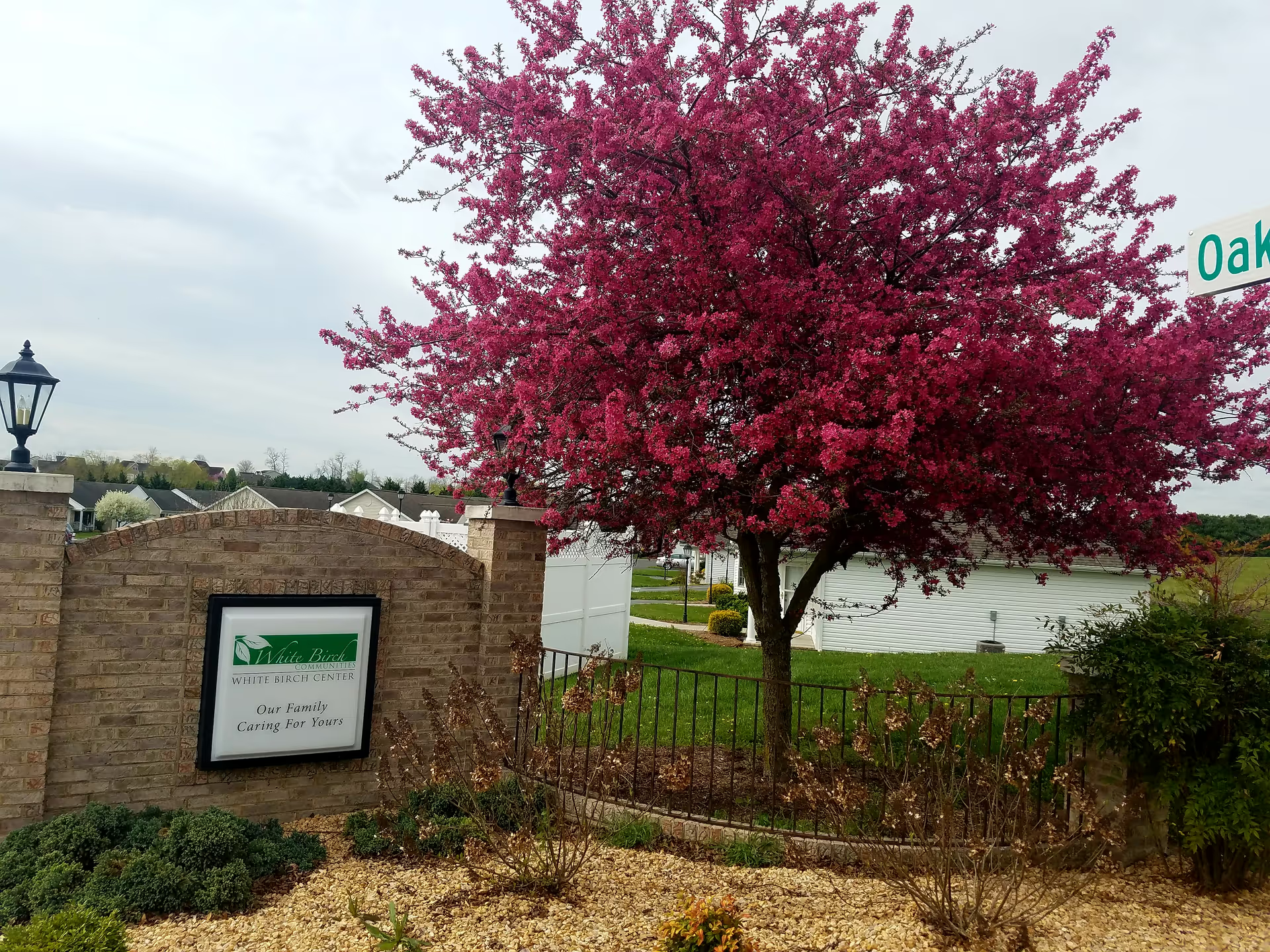
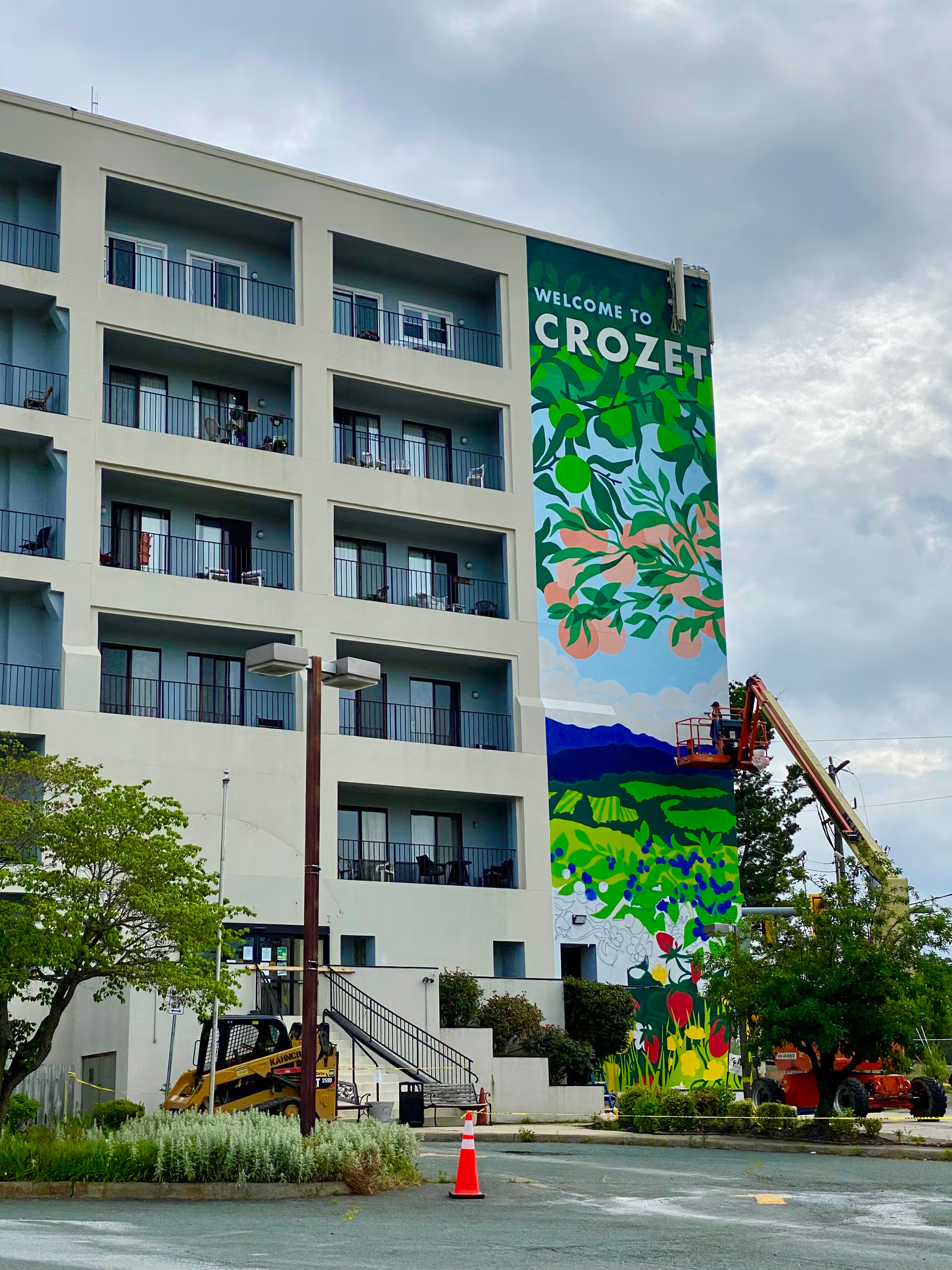
Facilities and cleanliness: The campus shows active investment with ongoing renovations and some attractive outdoor space, but persistent facility-level sanitation and environmental concerns were raised. These include odor concerns in particular units, mold or moisture-control issues, dated sections (notably a dementia wing), and shared-bathroom layouts that limit privacy. Cleaning responsiveness was sometimes noted as quick, yet other reports describe more systemic sanitation issues that warrant attention.
Dining and activities: Activity programming is consistently noted as a positive element — music, games, and creative programming are described as engaging and meaningful. Dining feedback is mixed: some families describe acceptable or improving meal service, while others report declines in food quality and specific instances of inedible offerings. Meal quality appears inconsistent across time and units.
Notable patterns and considerations for families: The overall pattern is polarized — many families describe high-quality, compassionate care and effective rehabilitation, while other accounts raise serious operational concerns (sanitation, night staffing, medication coordination, personal-property controls, and hospice readiness). Prospective families should tour in person, ask for current staffing ratios (day and night), request recent sanitation and maintenance records, review medication-incident and property-accountability procedures, inquire about alarm policies and nighttime staffing, and clarify hospice integration and end-of-life protocols. These targeted questions can help weigh the facility's strengths in interpersonal care and therapy against the operational risks noted by some families.