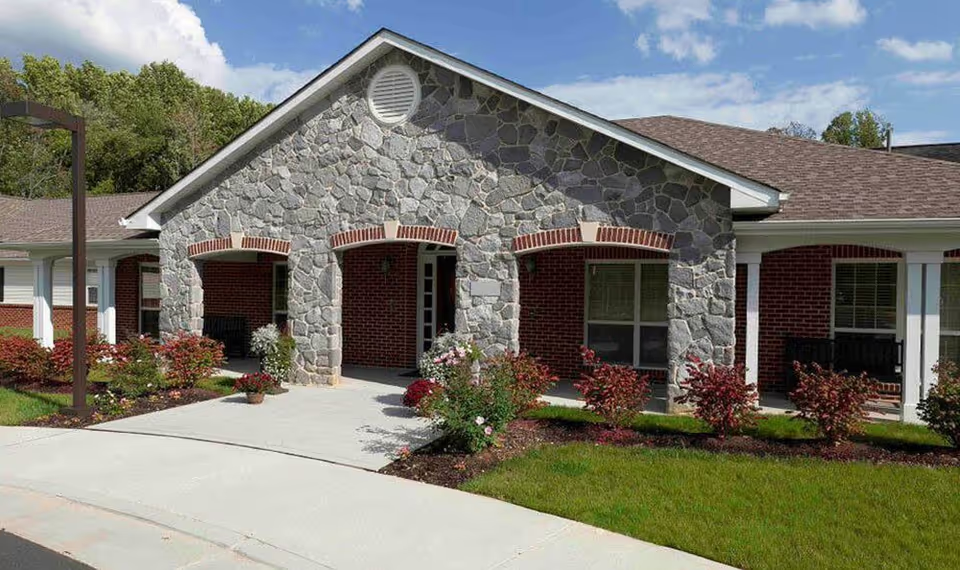
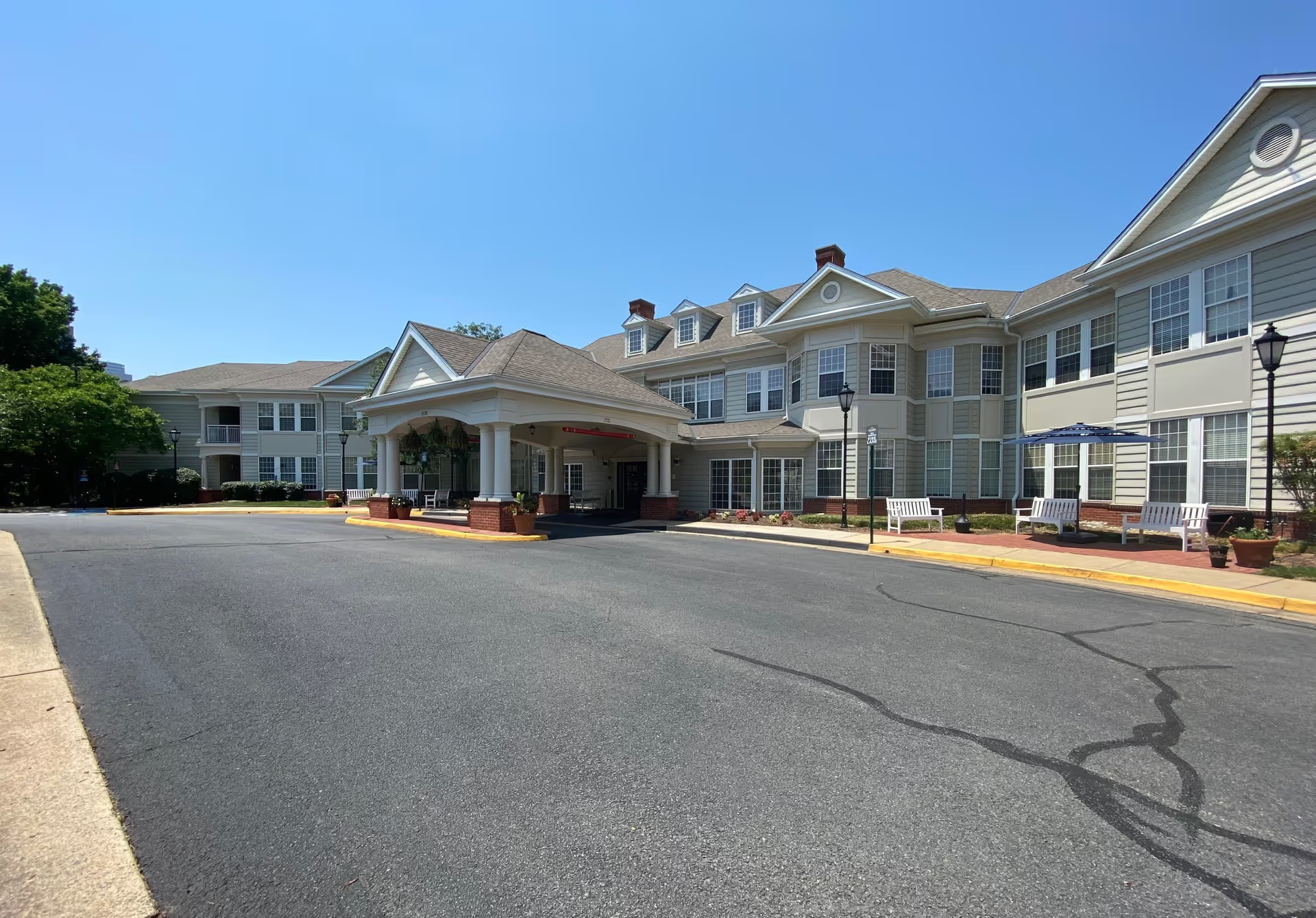
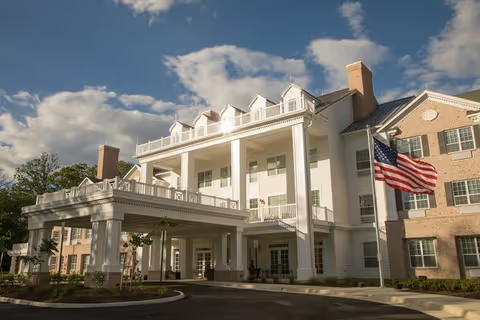
The Ridge at Sterling presents a mixed but generally positive profile. Strengths most often cited include a warm, family-like staff culture and an on-site clinical infrastructure that covers skilled nursing, hospice, and physician support. The campus is adjacent to an active rehab service, which reviewers said facilitates transitions and short-term rehabilitation stays. Admissions and tour interactions are frequently described as welcoming and informative, and several reviewers highlighted specific leaders and admissions staff for proactive follow-through.
Dining and programming are prominent positives. Many residents and families praised a chef-driven, restaurant-style dining program with appealing desserts and room-service options. At the same time, reviewers noted some inconsistencies in meal delivery and a desire for more fresh-vegetable selections. The facility offers a broad activities calendar — live music, outings, religious services, exercise, and social events — and many accounts describe high resident engagement and a sense of community. However, activity availability appears variable for some residents, and a few families described periods when programming was lighter than expected.
Facility condition and accessibility are a mixed picture. Common areas and several recently renovated spaces receive favorable comments: clean, bright dining rooms and updated finishes were noted. Apartments described as spacious with large windows and balance-friendly design elements appeal to many prospective residents. Conversely, multiple comments point to older units that need maintenance, dated carpeting or windows, and a backlog of repairs. Sanitation and pest-control concerns are raised in a subset of accounts; prospective families should verify current remediation and inspection records.
Operationally, the most important recurring concerns relate to staffing, clinical responsiveness, and management continuity. Reviewers described instances of high staff turnover, intermittent understaffing, and delays or inconsistency in responding to clinical issues — including medication-management lapses and slow incident follow-up. These operational patterns appear connected in several accounts to changes in ownership or management, budget-driven hour reductions, and periods when key positions (activities coordinator, for example) were vacant. Communication with families is also uneven: many families praised timely updates, while others reported difficulty reaching staff by phone or inconsistent follow-through.
Other practical considerations include parking constraints in a busy lot and limited in-unit kitchen options for those seeking an independent-living experience with full kitchens. Pricing is often framed as good value, but there are isolated concerns about billing transparency and whether certain care needs are fully covered at quoted rates.
Overall, The Ridge at Sterling offers a strong program of clinical services, dining, and activities and creates a home-like social environment for many residents. At the same time, patterns of staffing variability, occasional gaps in clinical responsiveness and medication management, and inconsistent maintenance or sanitation in some areas warrant careful due diligence. Prospective residents and their families should tour multiple unit types, ask for recent staffing ratios and turnover data, review recent health-inspection and pest-control records, and request copies of medication-management and incident-response protocols before making a placement decision.