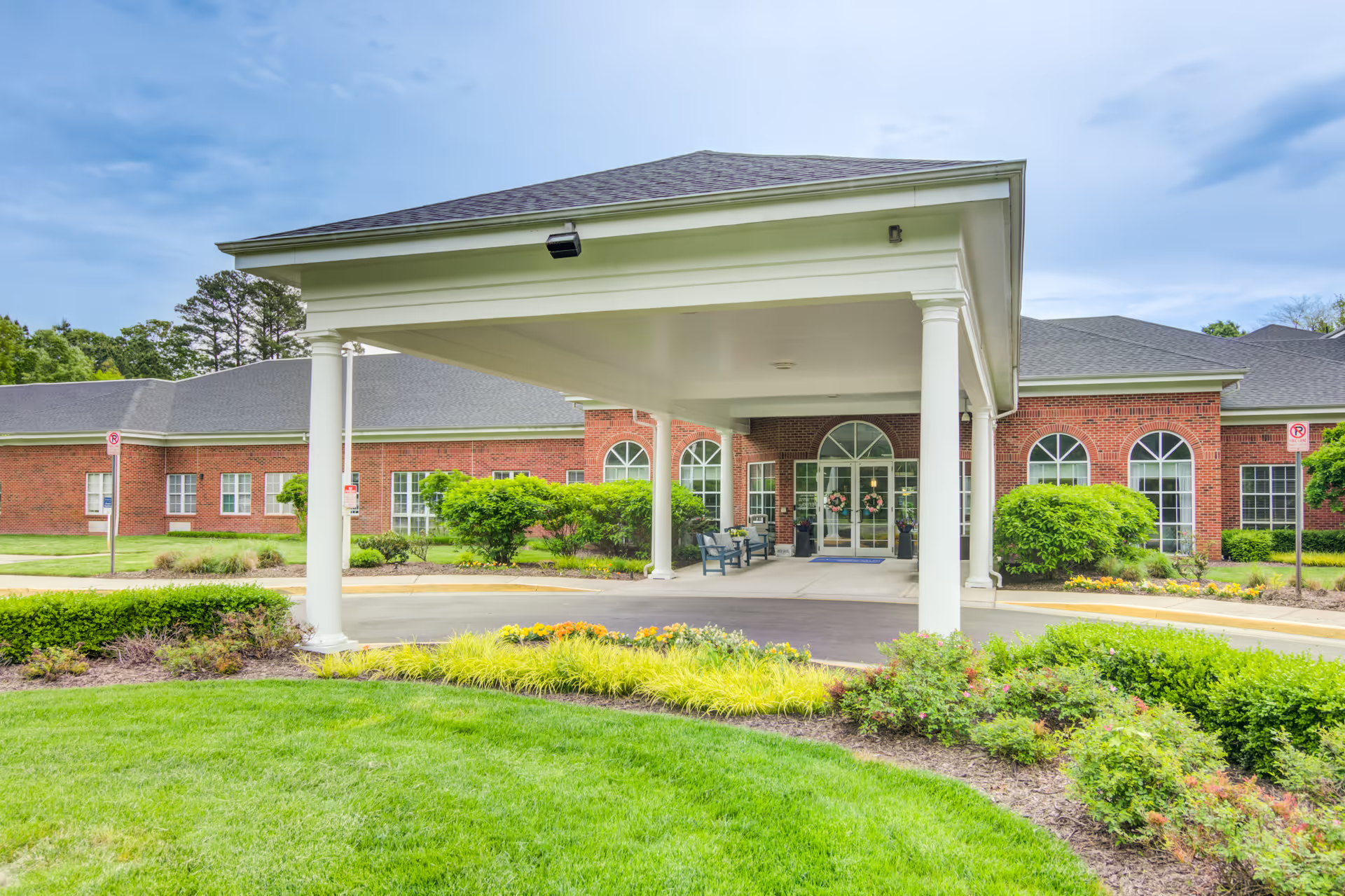
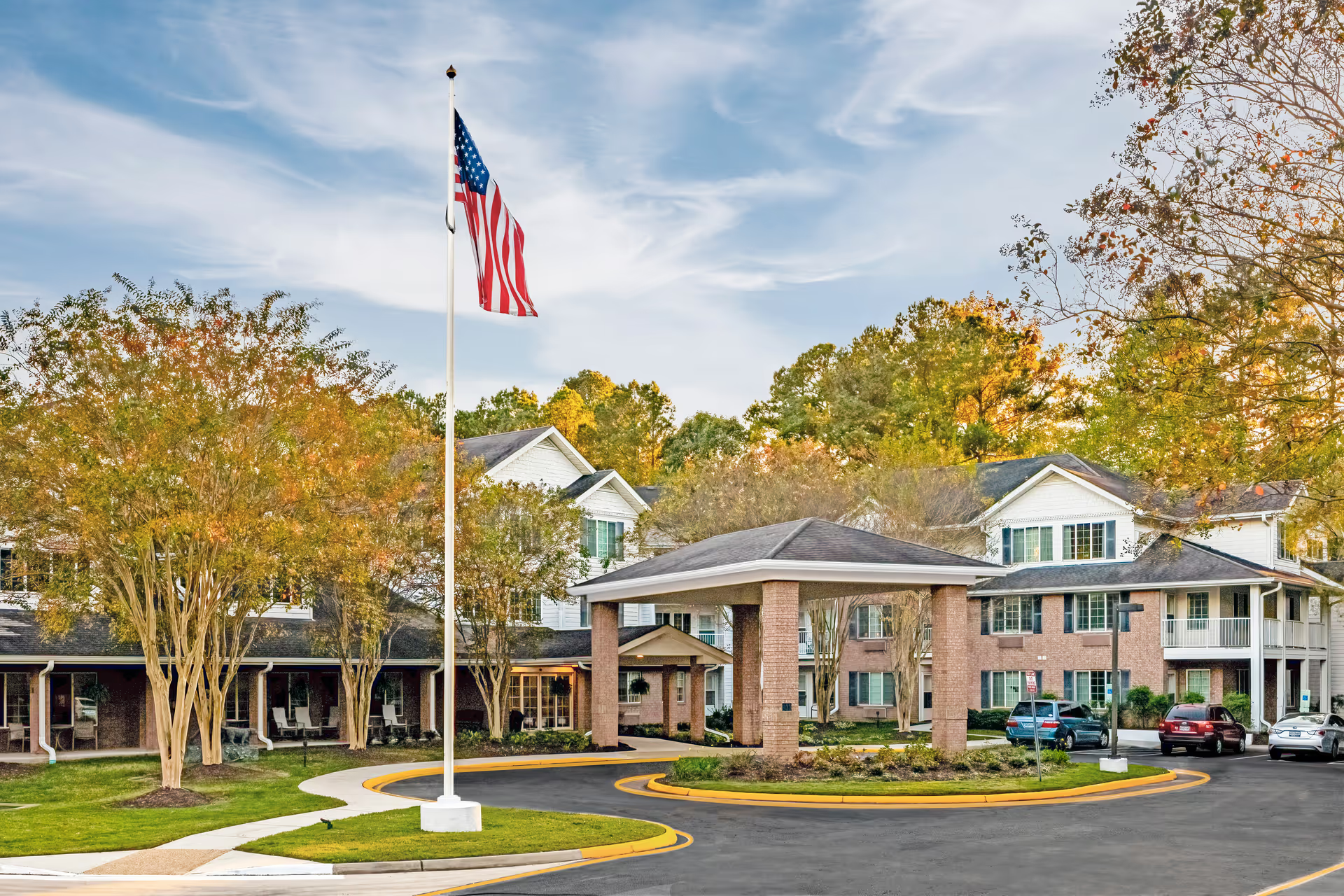
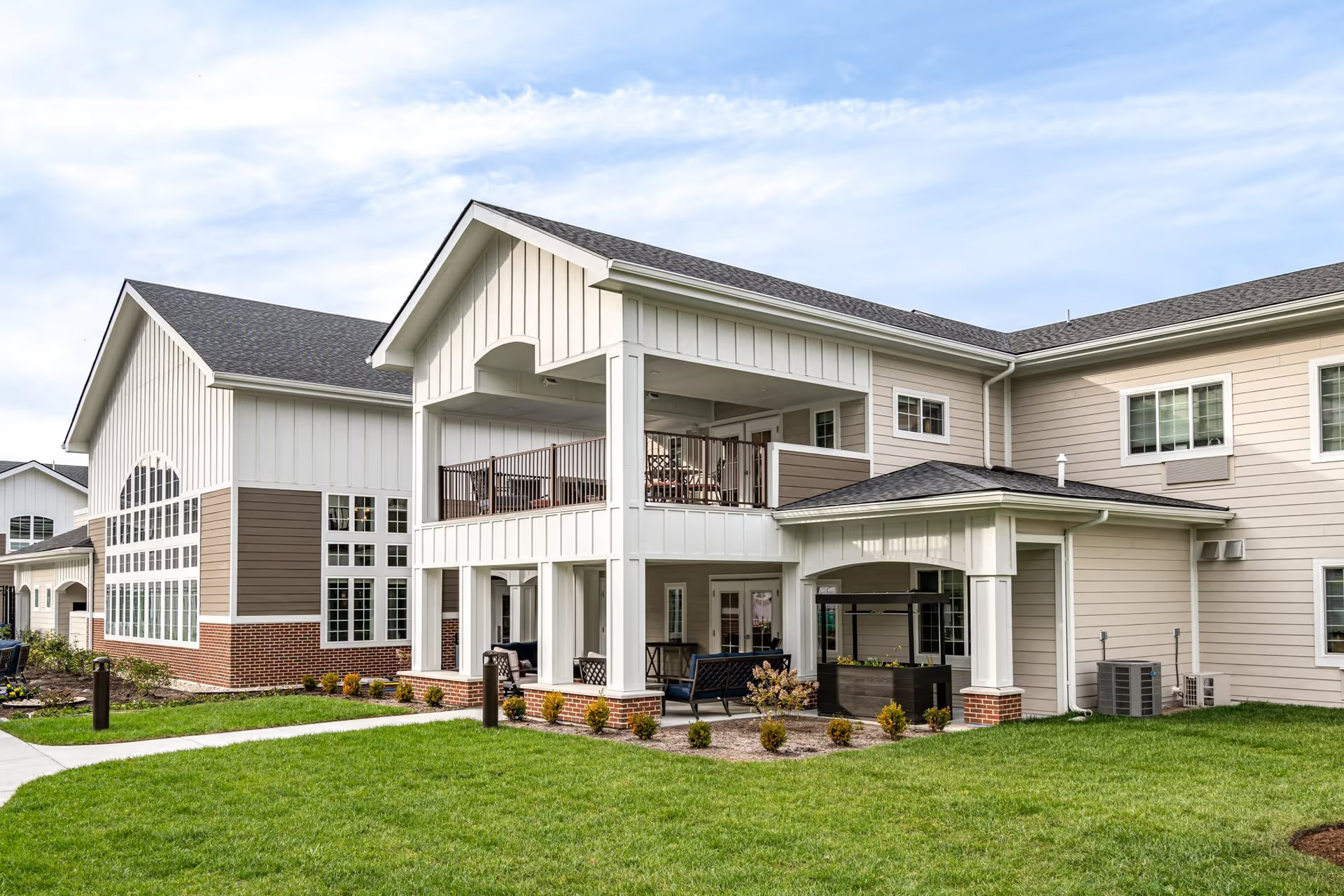
Autumn Care of Suffolk elicits a mix of strong endorsements and substantive operational concerns. Many families and visitors highlight compassionate bedside care from nurses, CNAs, and specialty clinicians (wound-care and therapy staff are frequently singled out), along with a proactive front-desk and admissions team that supports smooth transitions. The facility’s life-enrichment program, event schedule, and multiple communal spaces (dining rooms, visitor lounges, private party areas) are commonly described as engaging and home-like. Several reviews praise leadership visibility and recent management-driven changes, including renovation work, a more cohesive staff culture, and improvements in maintenance and responsiveness.
Clinical care and therapy are recurring strengths when staffing and scheduling align: reviewers describe effective physical therapy interventions that support measurable functional gains, attentive wound care, and individualized care planning with family inclusion. The admissions and social-work teams are frequently noted for thorough orientation, discharge planning, and ongoing communication. Dietary staff and long-tenured culinary employees receive positive comments for providing familiar, comfort-style meals and accommodating preferences on many occasions.
Despite these positives, the reviews reveal notable variability in operational consistency. Multiple accounts describe uneven staff responsiveness — particularly on certain shifts or during nights and weekends — and occasional delays in call-button response or clinical follow-up. Housekeeping and building upkeep are praised in many areas yet described as inconsistent in others; reviewers cite both well-maintained, pleasant common areas and specific zones with sanitation and odor concerns. Relatedly, there are mentions of pest-control issues and of areas needing cosmetic repair or refresher maintenance, indicating pockets of deferred upkeep.
Communication and professionalism are another mixed area. Numerous families commend transparent, collaborative care-planning and frequent updates, while others describe instances of poor communication, blunt or disrespectful staff interactions, and concerns about staff training and tone. There are also isolated, serious allegations regarding security and asset safety that suggest gaps in access control and property safeguards; these items would warrant administrative follow-up and, where appropriate, investigation.
Patterns in the feedback point to a facility that has undergone notable leadership- and culture-driven improvement, with clear strengths in therapy, admissions, activities, and visible administration. At the same time, persistent operational challenges remain: staffing consistency across shifts, targeted housekeeping and pest remediation, security controls, and uniformity of dining and clinical responsiveness. Prospective residents and families should weigh the facility’s demonstrated clinical and social-program strengths against the variability described in some operational areas, and they may find value in discussing specific expectations for staffing, nighttime coverage, sanitation protocols, pest-control measures, and security procedures during a tour or care-plan meeting.